Bulk Transfers For Shirts In Collin
Description
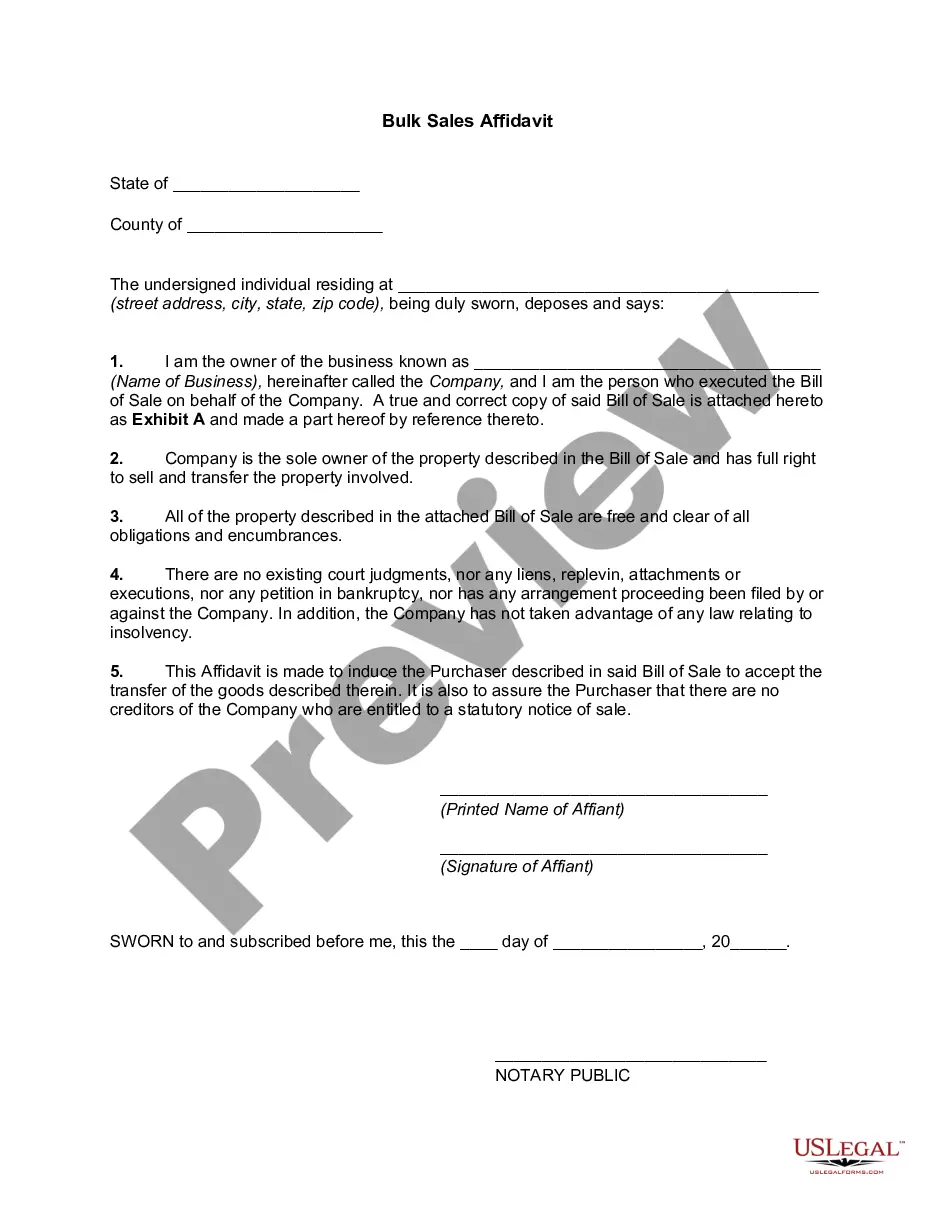

Get your form ready online
Our built-in tools help you complete, sign, share, and store your documents in one place.
Make edits, fill in missing information, and update formatting in US Legal Forms—just like you would in MS Word.
Download a copy, print it, send it by email, or mail it via USPS—whatever works best for your next step.
Sign and collect signatures with our SignNow integration. Send to multiple recipients, set reminders, and more. Go Premium to unlock E-Sign.
If this form requires notarization, complete it online through a secure video call—no need to meet a notary in person or wait for an appointment.
We protect your documents and personal data by following strict security and privacy standards.

Make edits, fill in missing information, and update formatting in US Legal Forms—just like you would in MS Word.

Download a copy, print it, send it by email, or mail it via USPS—whatever works best for your next step.

Sign and collect signatures with our SignNow integration. Send to multiple recipients, set reminders, and more. Go Premium to unlock E-Sign.

If this form requires notarization, complete it online through a secure video call—no need to meet a notary in person or wait for an appointment.

We protect your documents and personal data by following strict security and privacy standards.
Looking for another form?




Form popularity
FAQ
The disadvantages of a transfer print are: Time consumption: Since each color requires a separate ink layer, the manufacturing process takes more time than some other printing methods.
Once you receive your prints, simply place the transfer film onto the material, apply the heat press for the recommended time and temperature, and your design will be permanently applied onto the material.
Digital Heat Transfer ProsCons Environmentally friendly and minimizes carbon footprint Doesn't last as long as traditional screen printing because of washing and drying Produces high-quality products due to its high resolution You can't iron the printed t-shirt because the heat ruins the image2 more rows •
Time consuming The method of heat transfer is relatively more time-consuming compared to screen printing or any other conventional printing techniques. That is because you need to follow a two-step process. You first have to print the design on the heat transfer paper before transferring it to the desired material.
Transfer. Take the iron. And place it down on your design for 12 seconds. Repeat if needed acrossMoreTransfer. Take the iron. And place it down on your design for 12 seconds. Repeat if needed across your transfer to make sure you've covered the entire. Design you don't want any loose corners peeling.
HOW LONG WILL HEAT TRANSFERS LAST? With proper care of your garment (wash inside out on a cool wash, dry inside out on a washing line and iron inside out - no tumble drying or dry cleaning) the manufacturer recommends around 50 washes for the vinyl heat transfers, which do eventually crack and fade.
With a little practice and patience, you can create custom heat transfer designs that will set your apparel business apart and help you achieve your marketing and branding goals. Read this on Medium!
Iron-on transfers on t-shirts and other items are really in vogue right now, with the do-it-at-home, do-it-yourself creation of personalized transfers. All you really need is an ink-jet printer and some special paper to get started, and you can transfer just about anything following a few easy steps.
Hot Split Heat Transfers Just like with hot peel heat transfers, these must be peeled off when still hot. But other than with hot peel transfers where the release layer is meant to release the whole print. It rather splits the print within the color layer, which is where the name comes from.
