Sample Letter With Re In Massachusetts
Description
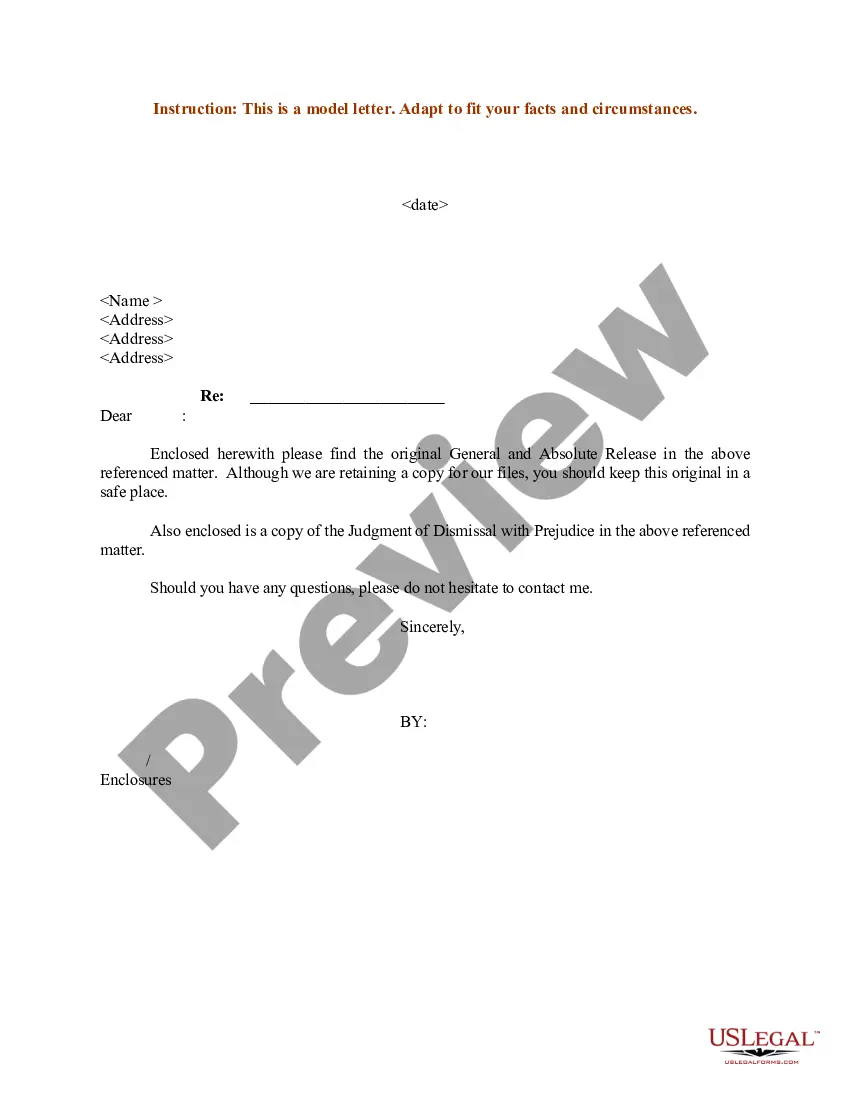
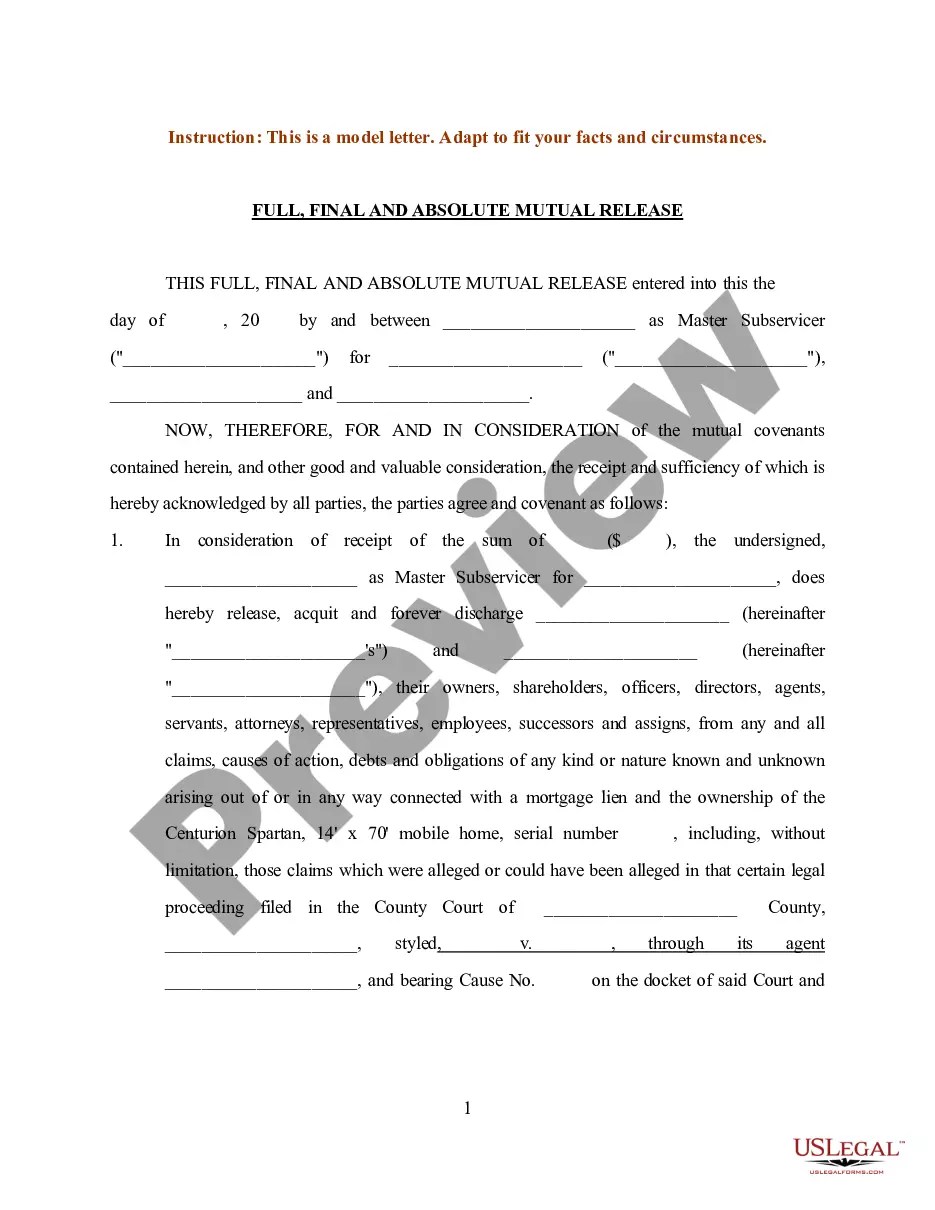
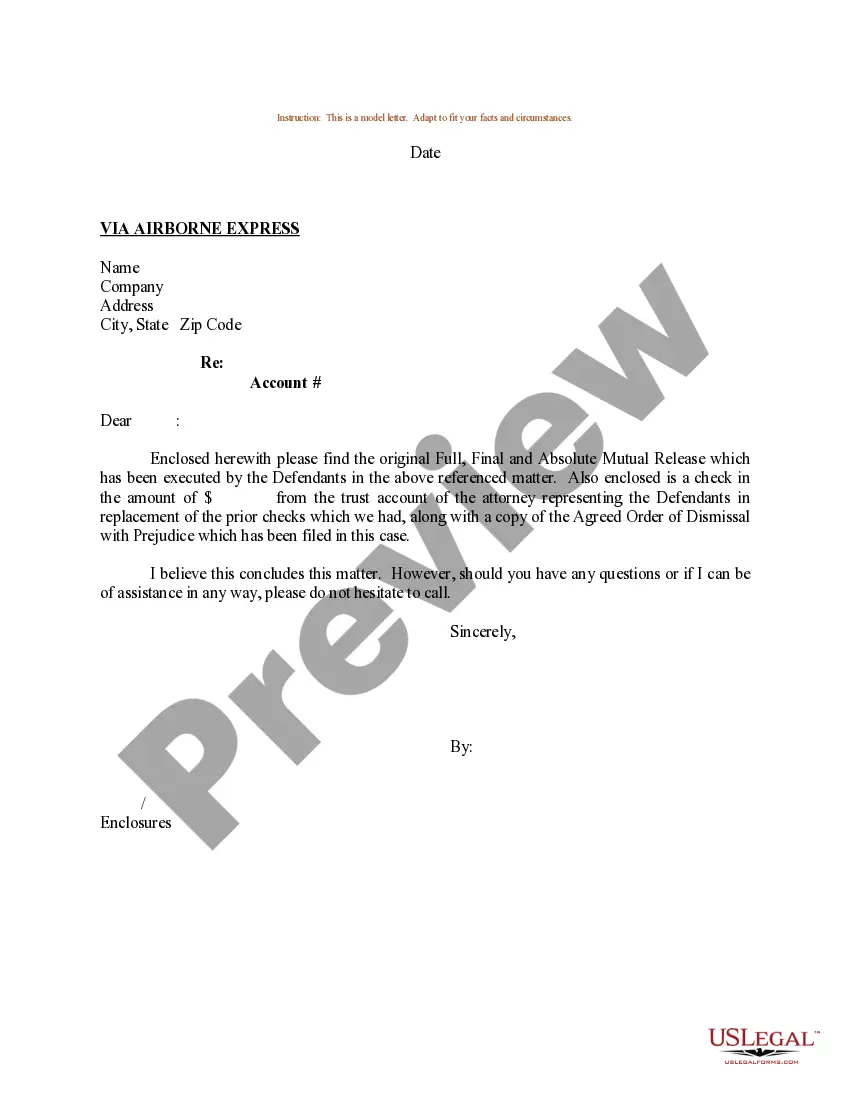
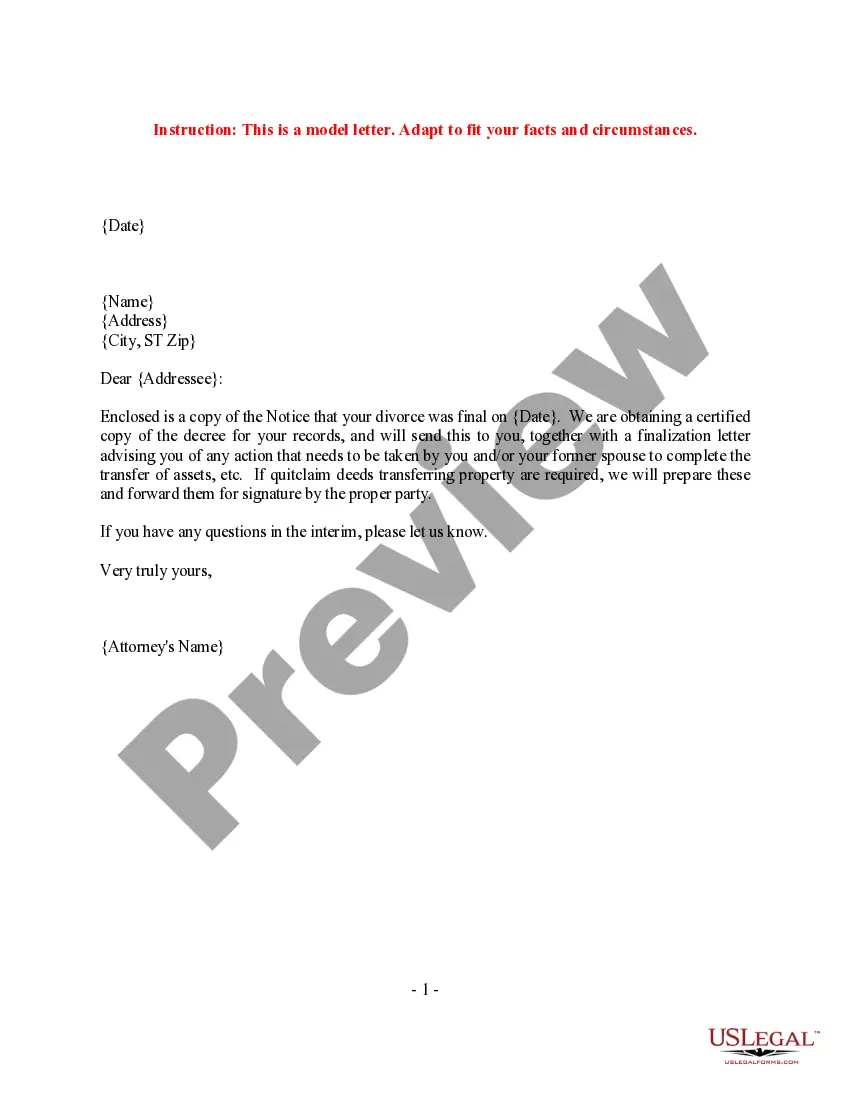
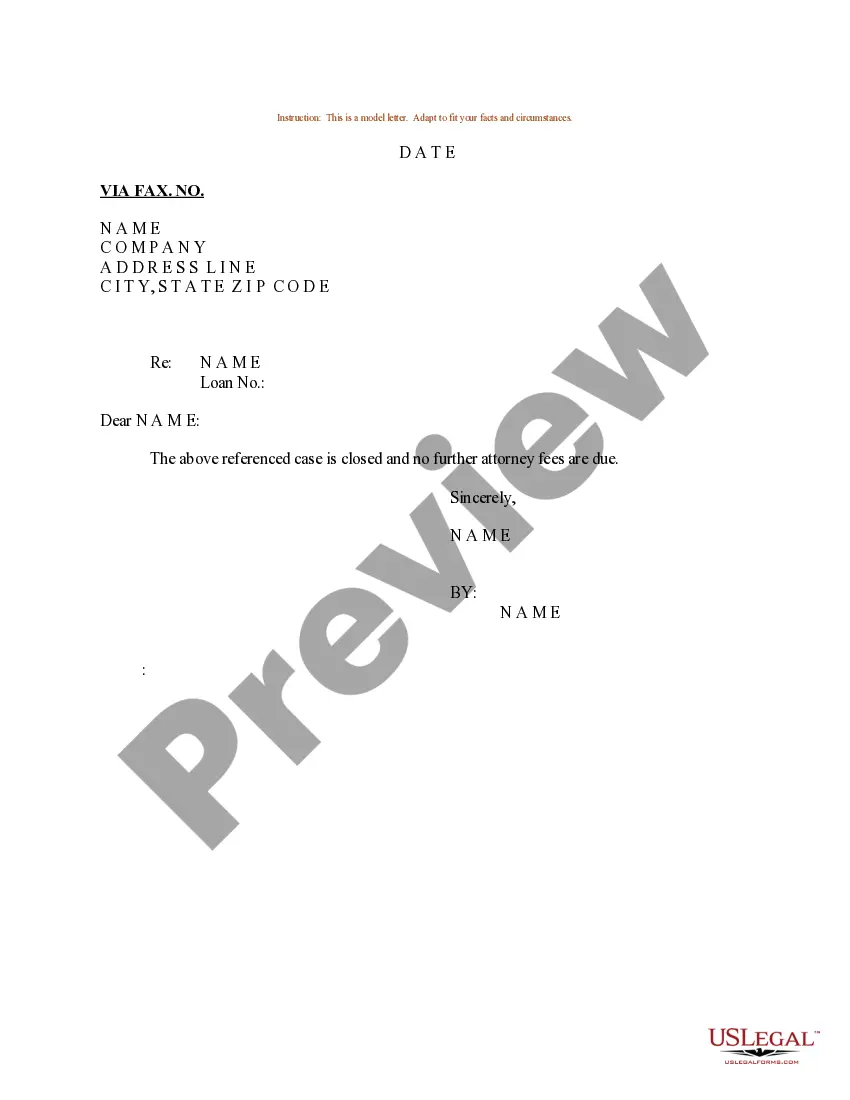
Get your form ready online
Our built-in tools help you complete, sign, share, and store your documents in one place.
Make edits, fill in missing information, and update formatting in US Legal Forms—just like you would in MS Word.
Download a copy, print it, send it by email, or mail it via USPS—whatever works best for your next step.
Sign and collect signatures with our SignNow integration. Send to multiple recipients, set reminders, and more. Go Premium to unlock E-Sign.
If this form requires notarization, complete it online through a secure video call—no need to meet a notary in person or wait for an appointment.
We protect your documents and personal data by following strict security and privacy standards.

Make edits, fill in missing information, and update formatting in US Legal Forms—just like you would in MS Word.

Download a copy, print it, send it by email, or mail it via USPS—whatever works best for your next step.

Sign and collect signatures with our SignNow integration. Send to multiple recipients, set reminders, and more. Go Premium to unlock E-Sign.

If this form requires notarization, complete it online through a secure video call—no need to meet a notary in person or wait for an appointment.

We protect your documents and personal data by following strict security and privacy standards.
Looking for another form?








Form popularity
FAQ
Laws mandating the disclosure of public records have existed in the Commonwealth of Massachusetts since 1851. The federal Freedom of Information Act was signed into law in 1966 by President Lyndon B.
State law requires you to send the business a letter 30 days before filing a claim in court. The letter must outline your complaint, the harm you suffered, and how you want the problem resolved. This is called a 30 Day Demand Letter.
It tells the business or merchant that the aggrieved party intends to take them to court over an alleged unfair trade practice. These demand letters must contain certain pieces of information in order to meet the requirements of the statute: The letter must be sent 30 days before any complaint is filed in court.
Massachusetts' law allows 10 days for record responses. Exempt: Information that would invade individual privacy; trade secrets; public policy development memos; and investigative materials.
Contact Phone. Call Records Access Officer at (508) 650-4500. Online. Email Records Access Officer at par.rao@state.ma. Fax. (508) 650-4599.
The Law requires every agency and municipality to designate a Records Access Officer (RAO), who assists requesters in obtaining public records. Requestors should contact the agency or municipality RAO for public records access. The Public Records Division does not maintain all government records.
A tax return is a documentation filed with a tax authority that reports income, expenses, and other relevant financial information. On tax returns, taxpayers calculate their tax liability, schedule tax payments, or request refunds for the overpayment of taxes.
What other information do I need to include with the return? Copies of the death certificate. Copies of the decedent's will and/or relevant trusts. Copies of appraisals. Copies of relevant documents regarding litigation involving the estate.
These include: A W-2 form from each employer. Other earning and interest statements (1099 and 1099-INT forms) Receipts for charitable donations; mortgage interest; state and local taxes; medical and business costs; and other tax-deductible expenses if you are itemizing your return.
You may need the following: Copies of last year's federal and state tax returns. Personal information including. Records of your earnings (W-2 forms from each employer or 1099-MISC forms if you're a contractor) Records of interest and dividends from banks (1099 forms: 1099-INT, 1099-DIV, etc.)

