Sample Letter For Irs Appeal In Maricopa
Description

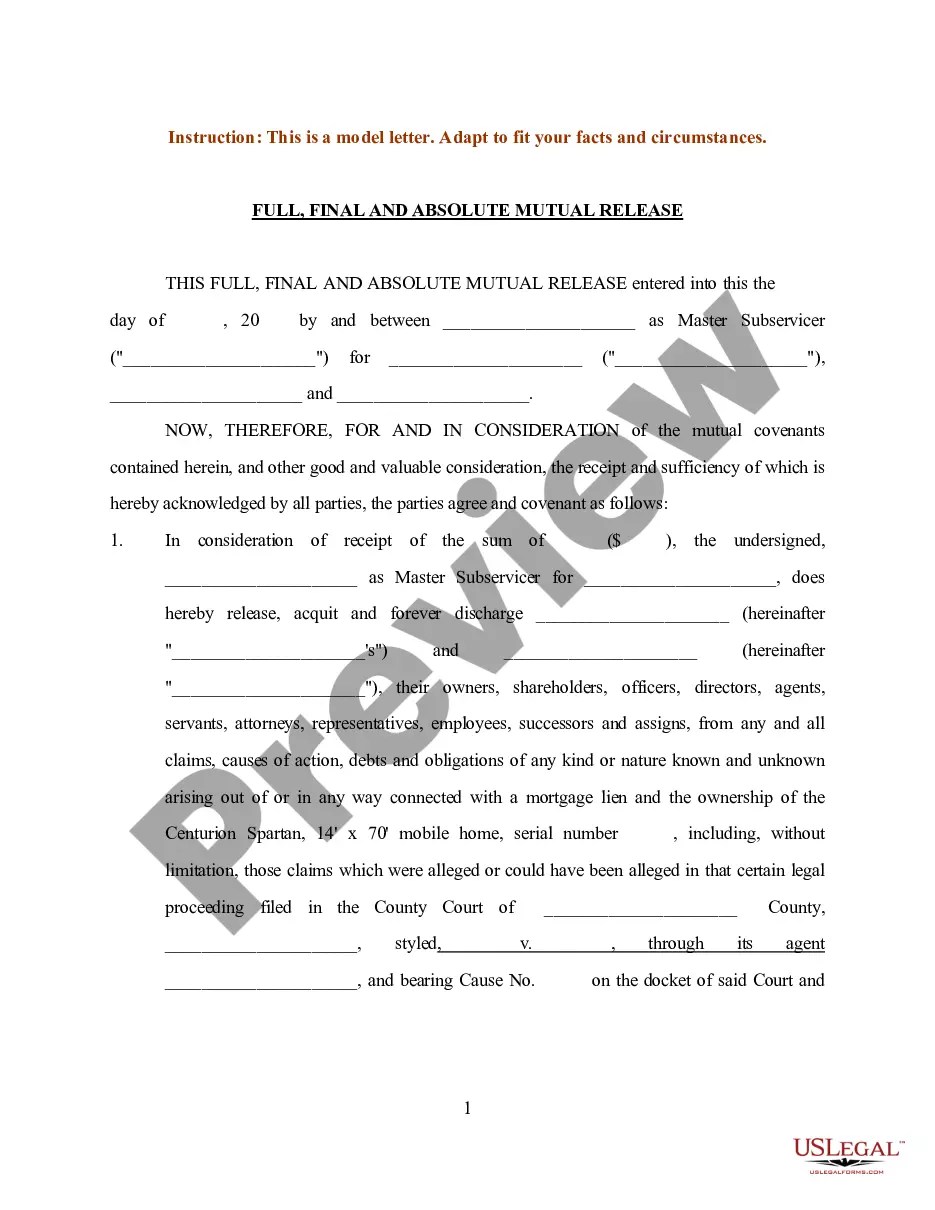
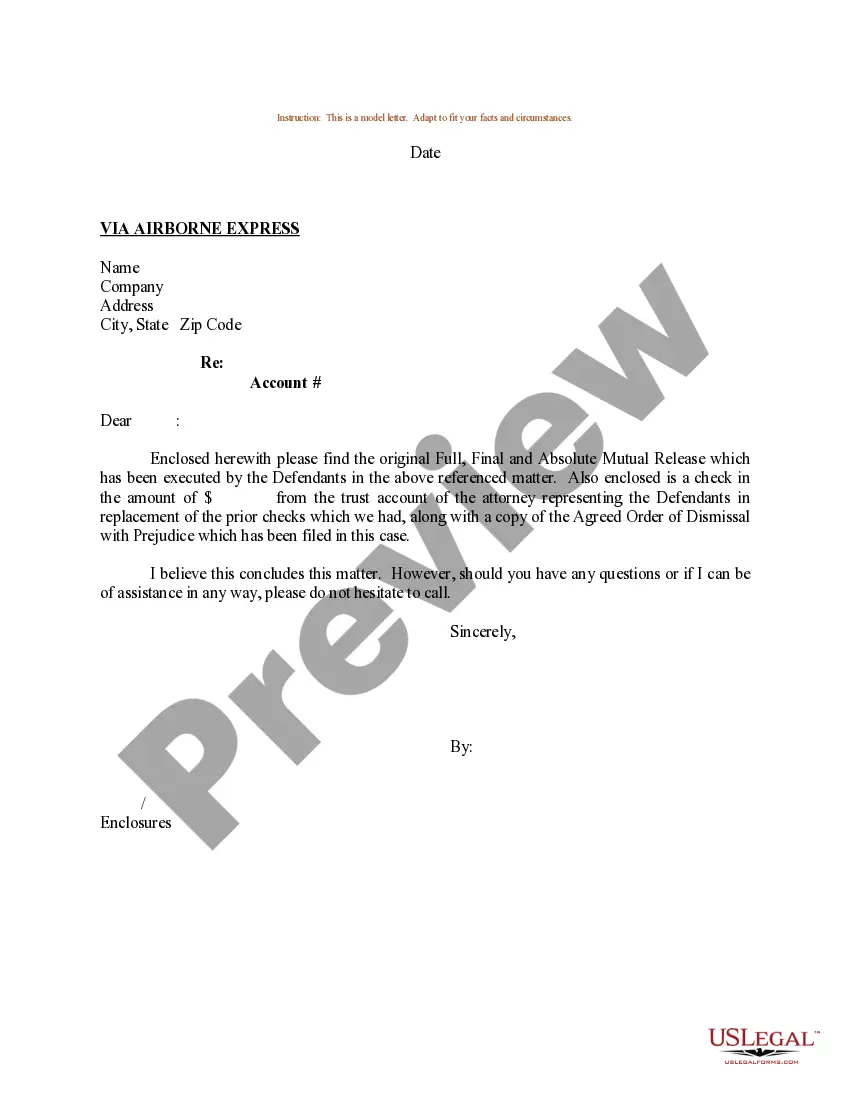
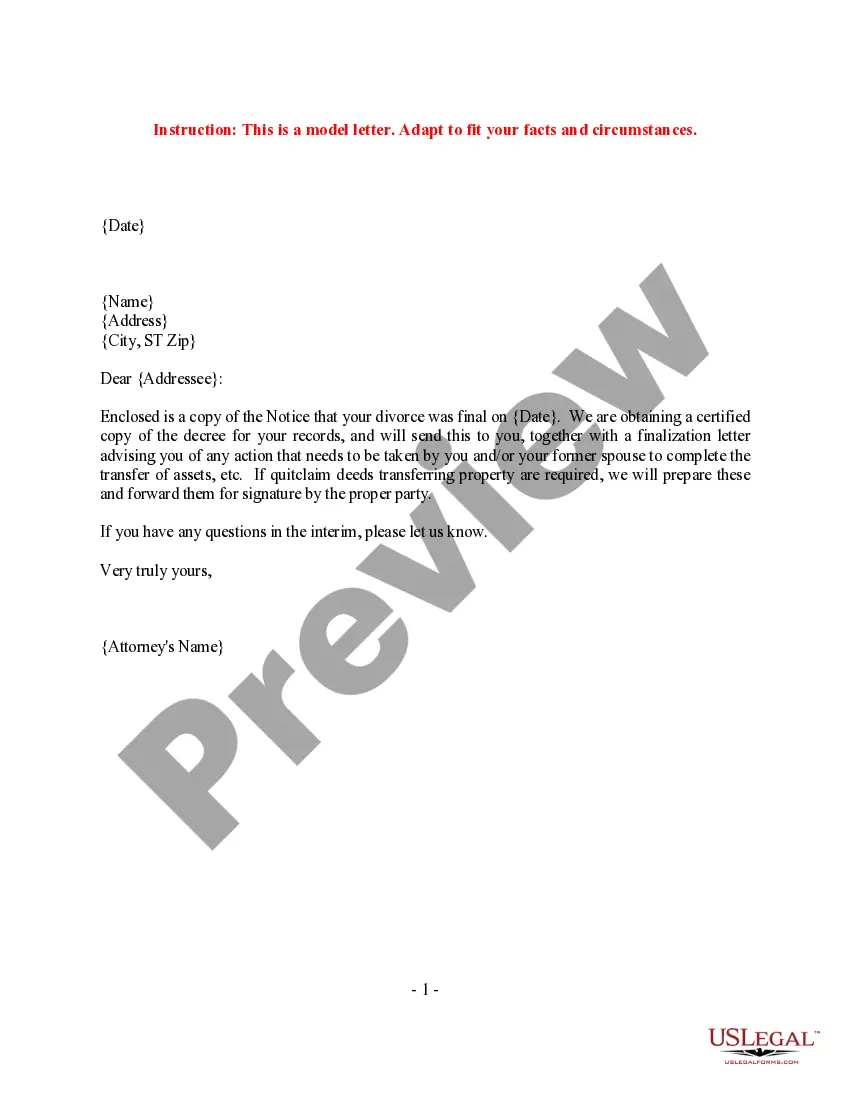
Get your form ready online
Our built-in tools help you complete, sign, share, and store your documents in one place.
Make edits, fill in missing information, and update formatting in US Legal Forms—just like you would in MS Word.
Download a copy, print it, send it by email, or mail it via USPS—whatever works best for your next step.
Sign and collect signatures with our SignNow integration. Send to multiple recipients, set reminders, and more. Go Premium to unlock E-Sign.
If this form requires notarization, complete it online through a secure video call—no need to meet a notary in person or wait for an appointment.
We protect your documents and personal data by following strict security and privacy standards.

Make edits, fill in missing information, and update formatting in US Legal Forms—just like you would in MS Word.

Download a copy, print it, send it by email, or mail it via USPS—whatever works best for your next step.

Sign and collect signatures with our SignNow integration. Send to multiple recipients, set reminders, and more. Go Premium to unlock E-Sign.

If this form requires notarization, complete it online through a secure video call—no need to meet a notary in person or wait for an appointment.

We protect your documents and personal data by following strict security and privacy standards.
Looking for another form?
Form popularity
FAQ
The IRS website states to include all of the following in a written protest: Your name, address, and a daytime telephone number. A statement that you want to appeal the IRS findings to the Office of Appeals. A copy of the letter you received that shows the proposed change(s).
For example: “I am writing to formally disagree with the findings in your notice dated DATE regarding my YEAR tax return.” This immediately sets the tone and purpose of your letter. It also provides a clear reference point for the IRS.
Sample Letter to the IRS Dear Sir/Madam, I am writing to request a correction to my tax return. My social security number is 123-45-6789, and I filed my tax return for the 2020 tax year. I received a notice from the IRS stating that I owe additional taxes due to an error in my return.
The letter should be clearly written, professionally formatted, and include your contact information, tax identification number, and relevant tax year or notice number.
∎ Your name, address, and a daytime telephone number. ∎ List of all disputed issues, tax periods or years involved, proposed changes, and reasons you disagree with each issue. ∎ Facts supporting your position on each disputed issue. ∎ Law or authority, if any, supporting your position on each disputed issue.
In 2017, only 11% of all IRS penalties assessed were abated. Offer in Compromise cases (9%): Of the 59,000 OICs applications filed in 2018, over 15% of the OIC determinations were settled in appeals. Appeals may be a good option for many OICs as there are many disagreements in OICs.
Tax Appeals - How to Prepare a Written Protest Your name and address; The date and symbols from the examination report listing the proposed adjustments; The tax periods or years involved; A statement of the adjustments being protested; A statement of facts stating the taxpayer's position on contested factual issues;
Look for the official IRS logo and letterhead, including the correct address and phone number. Dates should be recent, accurate, and accurately formatted (month spelled out), and they should include official IRS security or file numbers you can refer to for more information. A letter won't have this information.
3. Structure Your Letter Properly Your name, address, and contact information. A statement expressing your desire to appeal the IRS's findings. The tax period(s) in question. A list of the items you disagree with and why. Facts supporting your position. Any relevant law or authority supporting your case.

