Sample Letters For Ielts In Chicago
Description
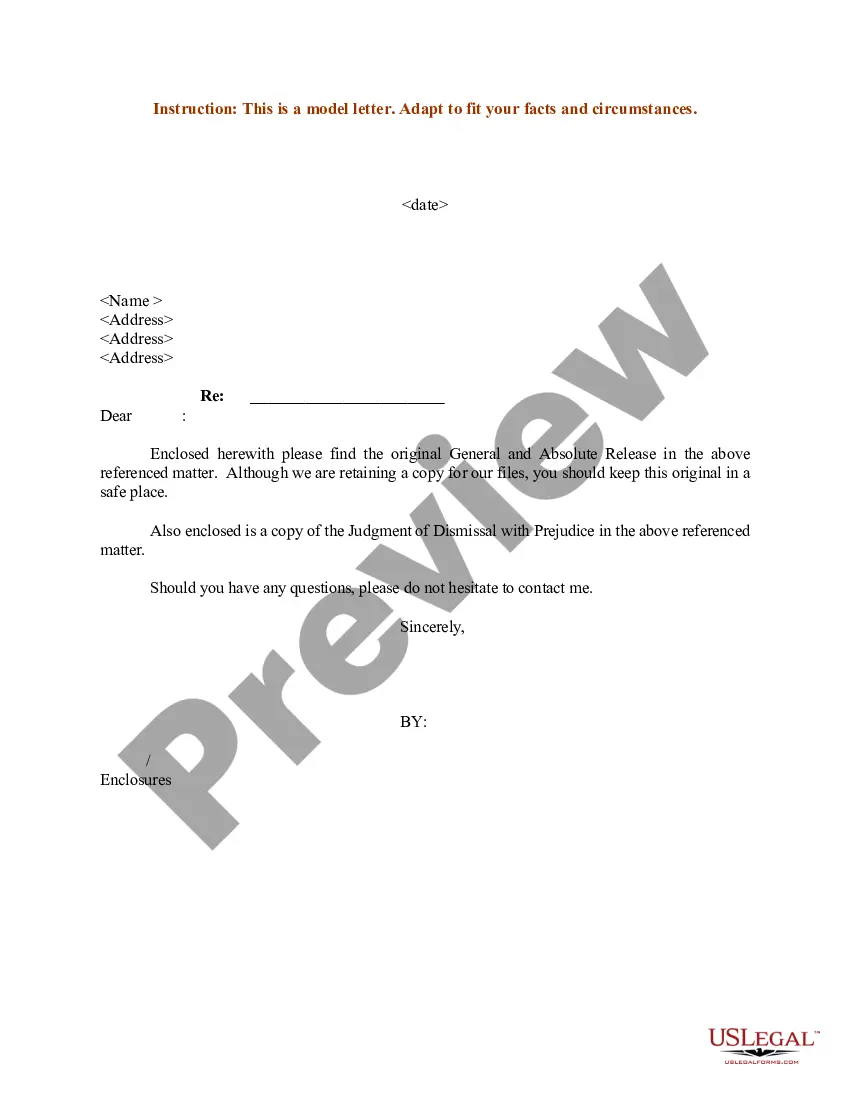
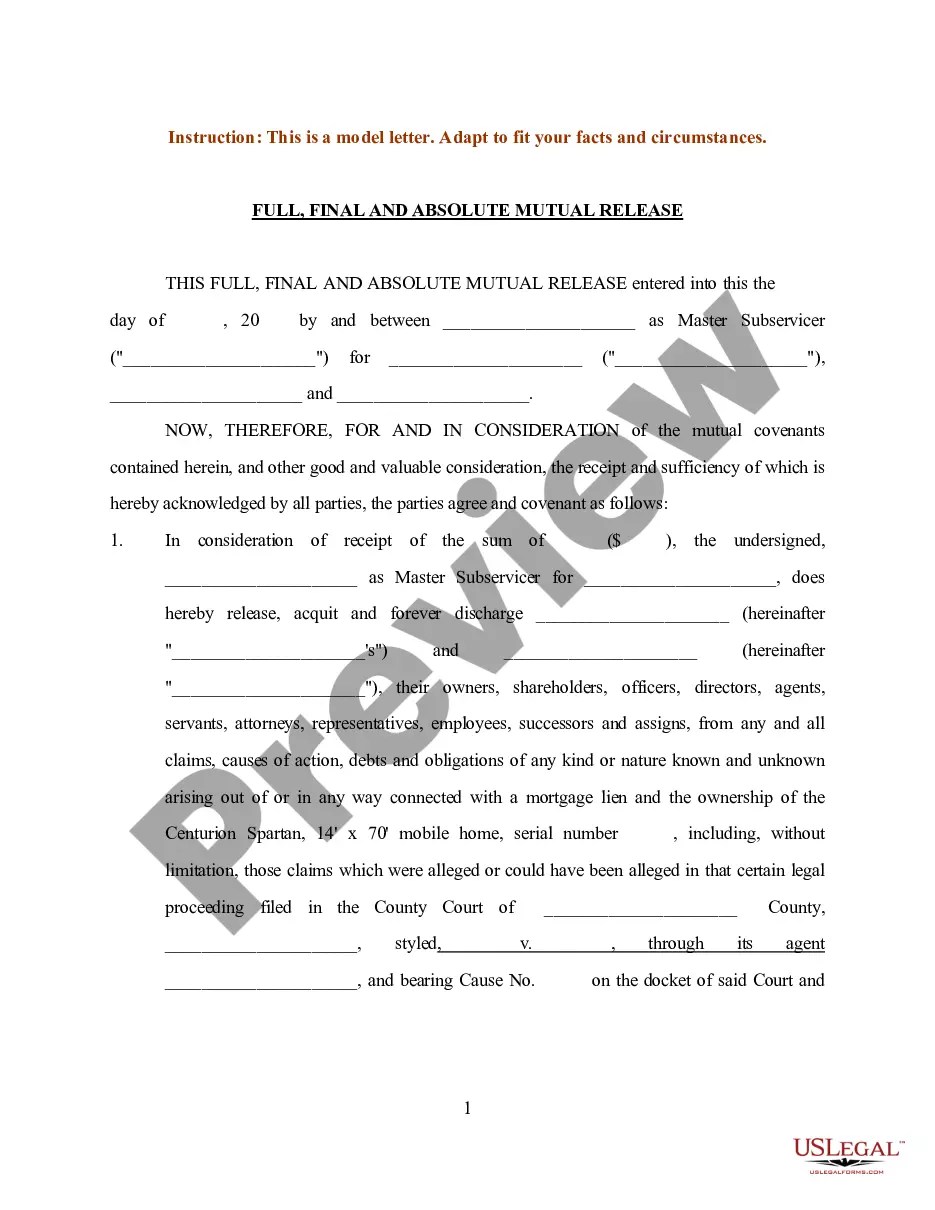
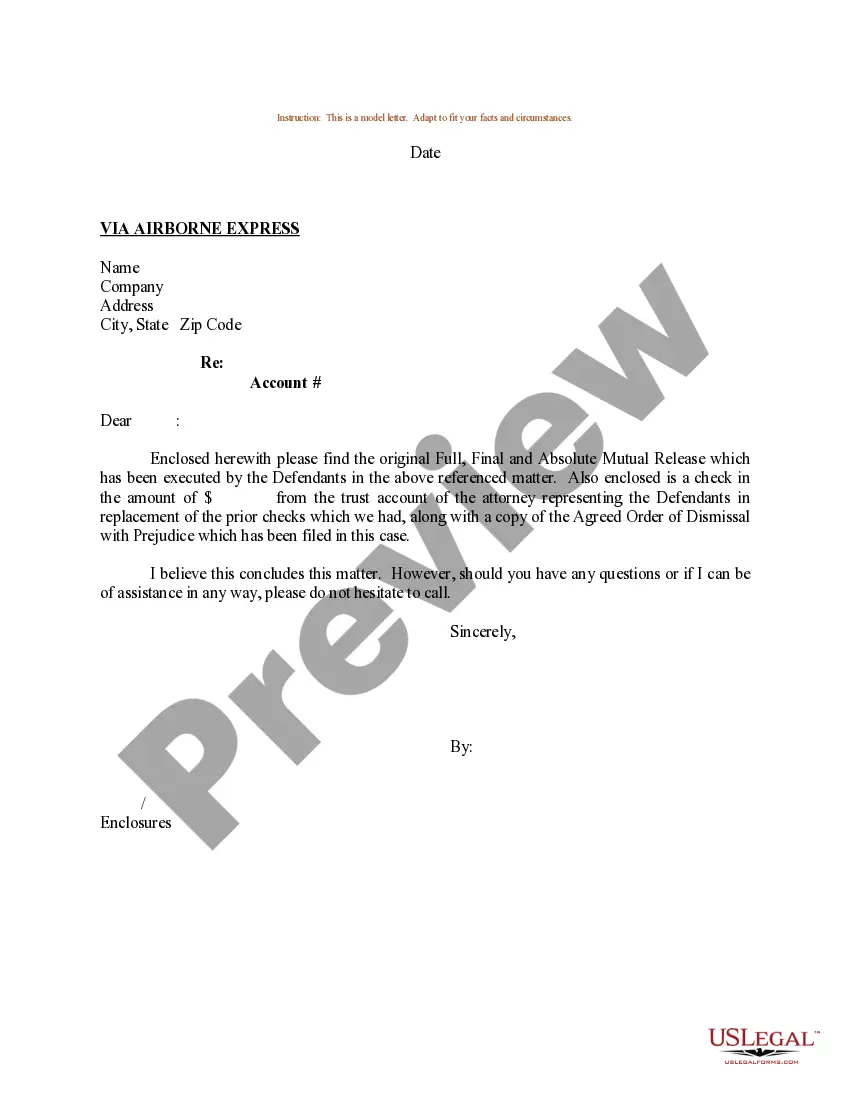
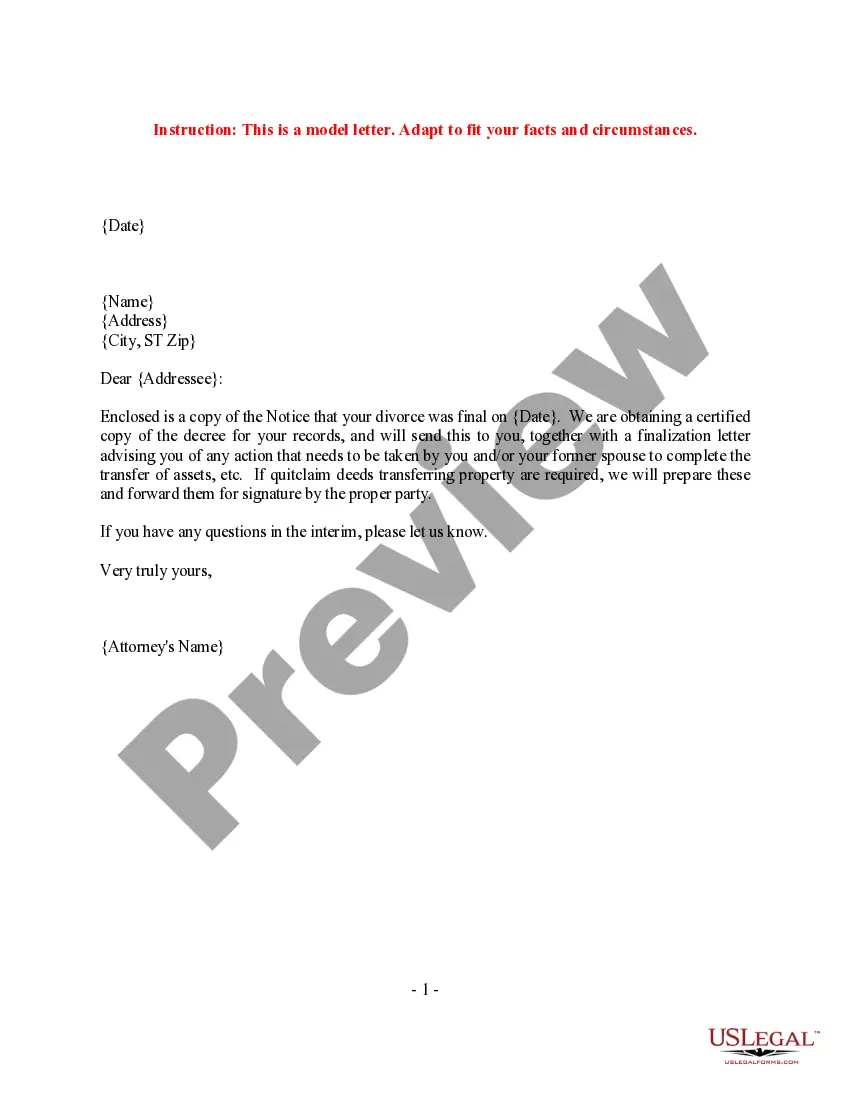
Get your form ready online
Our built-in tools help you complete, sign, share, and store your documents in one place.
Make edits, fill in missing information, and update formatting in US Legal Forms—just like you would in MS Word.
Download a copy, print it, send it by email, or mail it via USPS—whatever works best for your next step.
Sign and collect signatures with our SignNow integration. Send to multiple recipients, set reminders, and more. Go Premium to unlock E-Sign.
If this form requires notarization, complete it online through a secure video call—no need to meet a notary in person or wait for an appointment.
We protect your documents and personal data by following strict security and privacy standards.

Make edits, fill in missing information, and update formatting in US Legal Forms—just like you would in MS Word.

Download a copy, print it, send it by email, or mail it via USPS—whatever works best for your next step.

Sign and collect signatures with our SignNow integration. Send to multiple recipients, set reminders, and more. Go Premium to unlock E-Sign.

If this form requires notarization, complete it online through a secure video call—no need to meet a notary in person or wait for an appointment.

We protect your documents and personal data by following strict security and privacy standards.
Looking for another form?

Form popularity
FAQ
Salutation: Start with a friendly greeting. - Example: ``Dear (Friend's Name),'' Opening Paragraph: State the purpose of your letter right away. - Example: ``I hope this letter finds you well. I wanted to write to you about...'' Main Body: - Paragraph 1: Provide details related to the purpose of your letter.
Use this easy to remember 6 part structure. Dear ..... Paragraph 1: Purpose – why you are writing. Paragraph 2: Write about 1st bullet point. Paragraph 3: Write about 2nd bullet point. Paragraph 4: Write about 3rd bullet point. Signoff.
Some formal letter examples include: Cover letter. Offer acceptance letter. Professional thank you letter. Business letter. Sales letter. Termination letter. Letter of intent. Letter of recommendation.
The Rules of Formal Writing They make use of compound sentences which are sentences that include two or more clauses. E.g “Ian enjoyed swimming yet preferred to play football”. Aims to be objective: A formal piece of writing is more concerned with presenting facts rather than opinions.
How to write a formal letter Write your name and contact information. Include the date. Include the recipient's name and contact information. Write a subject line for AMS style. Write a salutation for block style. Write the body of the letter. Include a sign-off. Proofread your letter.
Tips for IELTS General Task 1 Identify the type of letter you are being asked to write. Identify the purpose of the letter. Open and close the letter correctly. Start the letter appropriately. Learn and use standard written phrases. Spell commonly used words correctly. Divide your letter into paragraphs.
Types of Formal Letters Letter of Enquiry. Order Letter. Letter of Complaint. Reply to a Letter of Complaint. Promotion Letter. Sales Letter. Recovery Letter.
The body of a letter can be formatted in two main ways: block and semi-block format. In block format, all of the lines of a letter are left-justified with a line break between paragraphs. In semi-block format, new paragraphs begin with an indent, or a small gap between the left margin and the start of the text.
You should write in an academic or semi-formal/neutral style. You will need to organise your ideas clearly and make sure you use relevant examples (which can be from your own experience, if relevant) or evidence. You should spend no more than 40 minutes on this task.
It contains 3 parts: Part 1 – The topic. Part 2 – The person you must write to. Part 3 – What you should write about (listed as 3 bullet points).
