Sample Letters With Dates In Arizona
Description

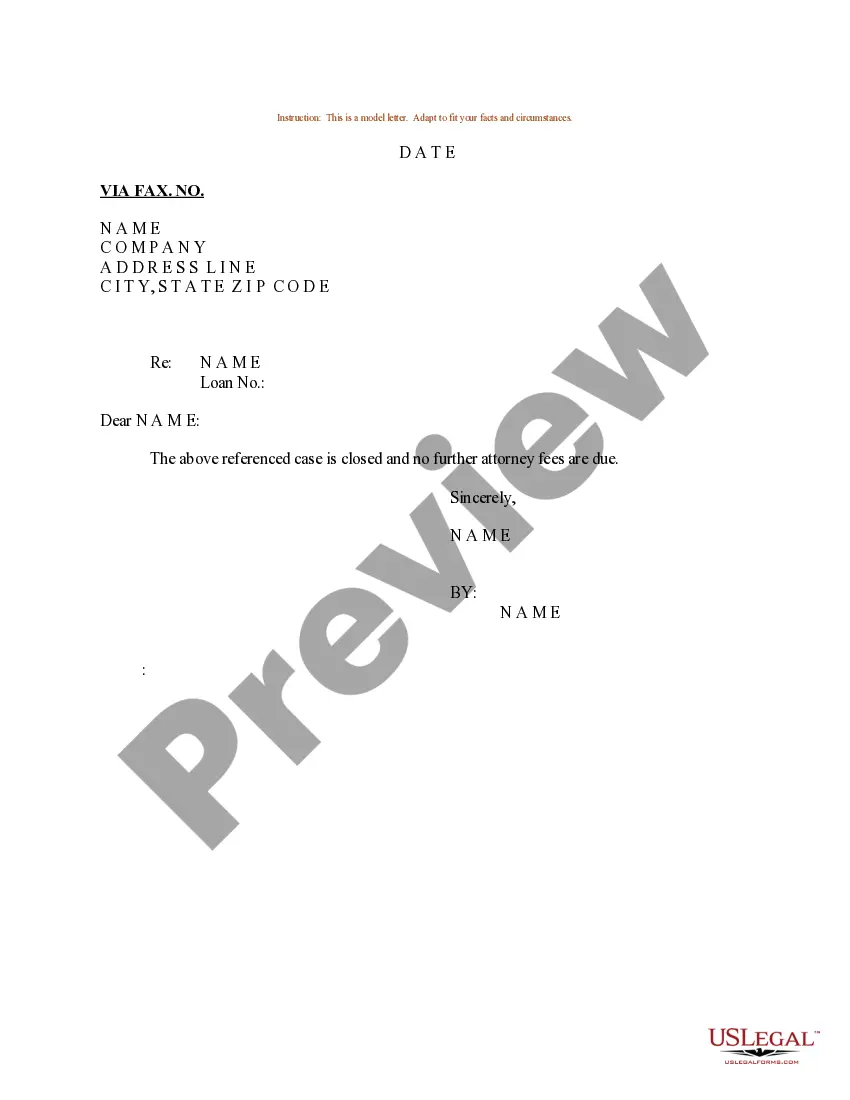
Get your form ready online
Our built-in tools help you complete, sign, share, and store your documents in one place.
Make edits, fill in missing information, and update formatting in US Legal Forms—just like you would in MS Word.
Download a copy, print it, send it by email, or mail it via USPS—whatever works best for your next step.
Sign and collect signatures with our SignNow integration. Send to multiple recipients, set reminders, and more. Go Premium to unlock E-Sign.
If this form requires notarization, complete it online through a secure video call—no need to meet a notary in person or wait for an appointment.
We protect your documents and personal data by following strict security and privacy standards.

Make edits, fill in missing information, and update formatting in US Legal Forms—just like you would in MS Word.

Download a copy, print it, send it by email, or mail it via USPS—whatever works best for your next step.

Sign and collect signatures with our SignNow integration. Send to multiple recipients, set reminders, and more. Go Premium to unlock E-Sign.

If this form requires notarization, complete it online through a secure video call—no need to meet a notary in person or wait for an appointment.

We protect your documents and personal data by following strict security and privacy standards.
Looking for another form?








Form popularity
FAQ
Rule To Remember Spell out numbers at the beginning of the sentence, with the exception of years. Numbers that represent years, days of month, pages, chapters, street addresses, route numbers, percentages, temperatures, and telephone numbers should be written as numerals.
Numbers between 1000 and 9999 should contain no punctuation. Whole numbers with five or more digits should include commas (not decimal points or full stops). Use 'from' and 'to' instead of a dash to describe a range of numbers in text. Numbers written out in full should be hyphenated appropriately.
Numbers between 1 and 9 should be spelled out (in MLA style). When the writing sample uses numbers infrequently, or if APA style is followed, numbers between 1 and 100 should also be spelled out. If two or more related numbers are used in a sentence, one below 10 and one a bigger number, their use should be consistent.
The case number typically appears in one of two formats, as shown in the following examples: CV 17-00010-PHX-DJH or cv00010 “CV” is the case type. Case types assigned by the Court include Civil (“cv”), Criminal (“cr”) and Miscellaneous (“mc”). The number 17 represents the year the case was filed.
Use numerals for numbers 10 and greater, and spell out numbers one through nine. With either numerals or spelled out numbers, do not include “.
General. Spell out at the beginning of a sentence, unless a calendar year. Spell out numbers under 10; use figures for any number 10 or greater unless it begins a sentence. Spell out and hyphenate fractions if the number is less than 10.
In general, words should be used for numbers from zero through nine, and numerals should be used from 10 onwards. This is true for both cardinal numbers (e.g., two, 11) and ordinal numbers (e.g., second, 11th).
Use numerals for numbers 10 and greater, and spell out numbers one through nine. With either numerals or spelled out numbers, do not include “. 00” for dollar amounts in running text.
The concept is simple: each date is centered around a letter of the alphabet, guiding your choices for activities and outings. Starting with 'A', you plan activities that begin with that letter and then progress through the alphabet with each subsequent date. The idea is to encourage you to try new things together.
A variety of dates start with “A,” such as attending an art gallery, visiting an aquarium, or enjoying an alfresco meal. These are just a few examples of fun and unique activities beginning with the letter A.