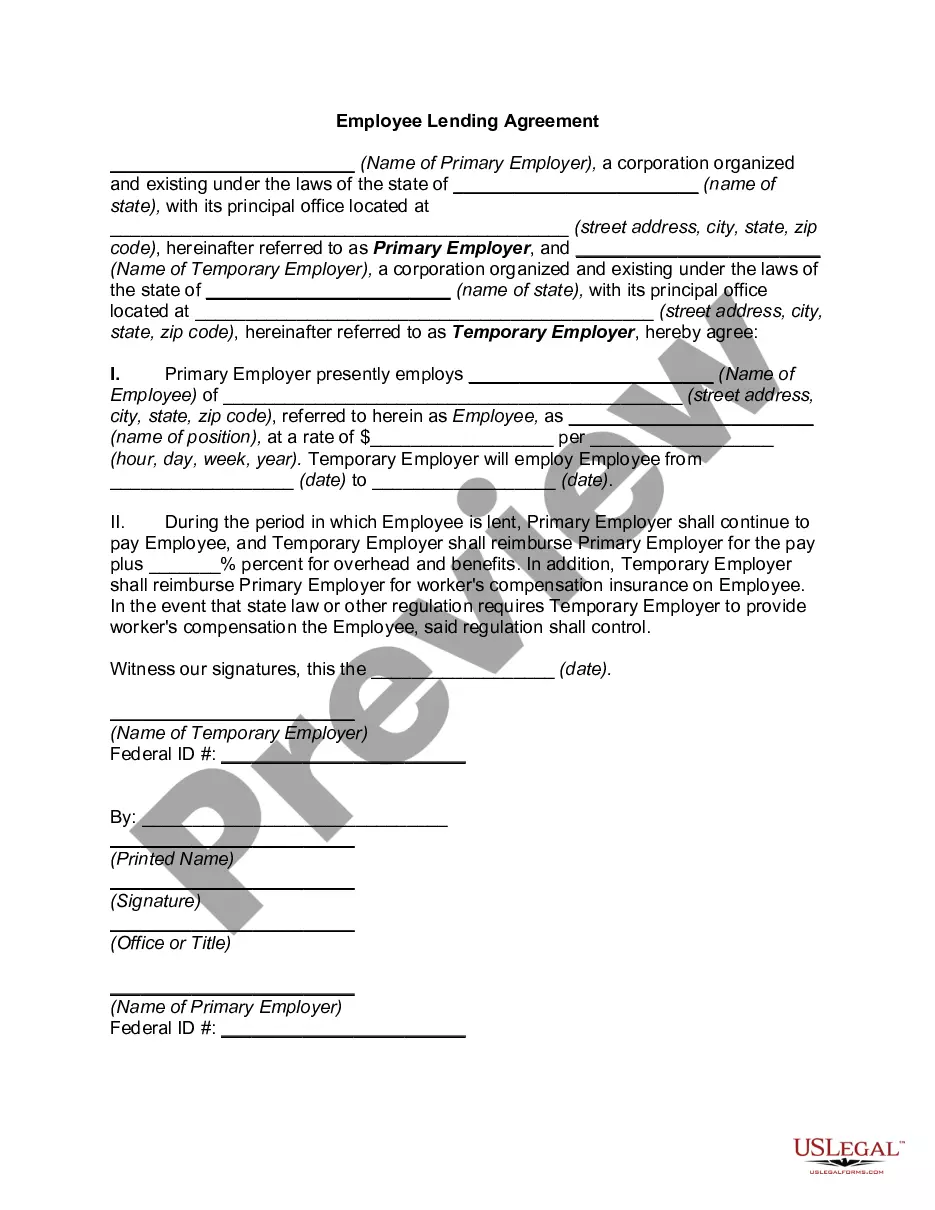
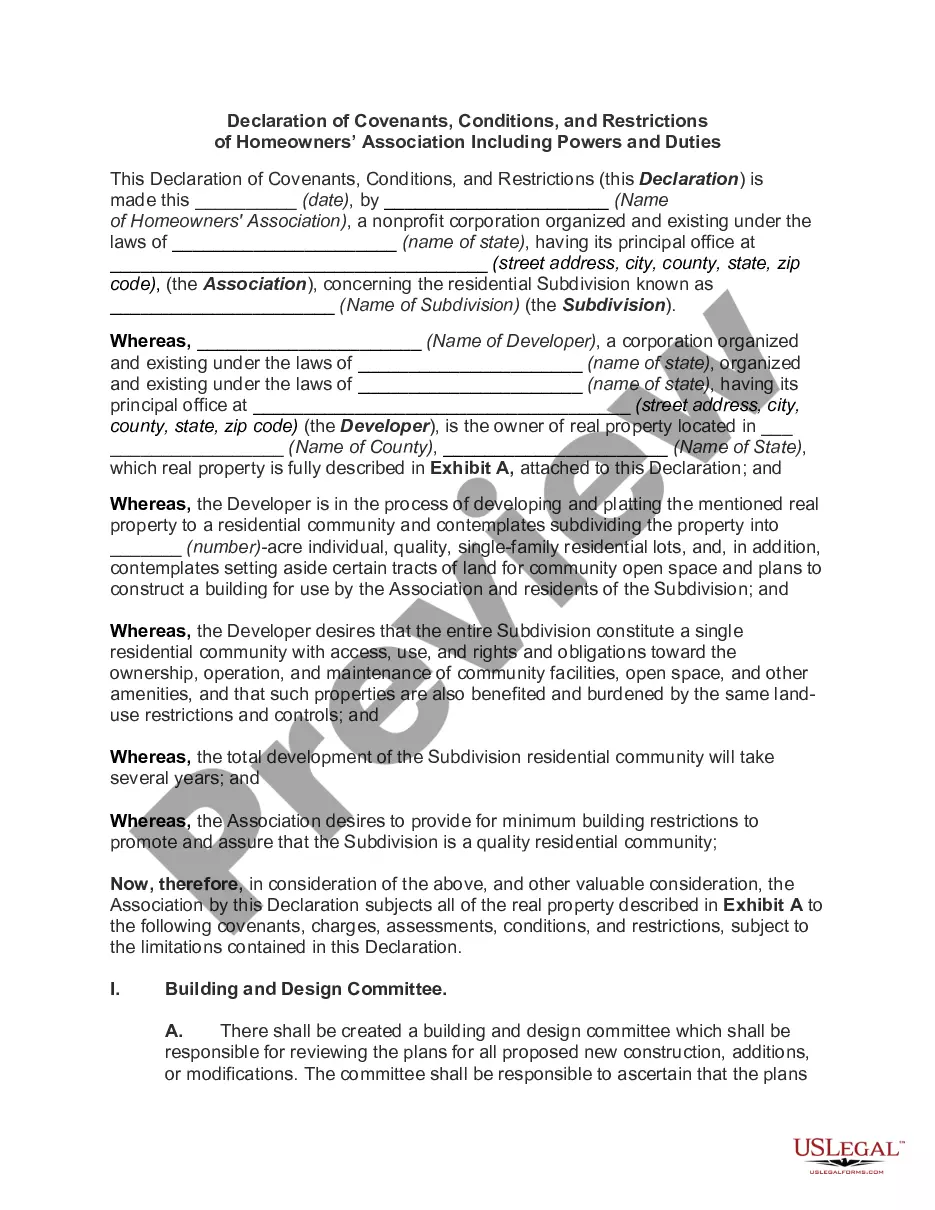
Staff Leasing Company Fort Wayne In Washington
Description

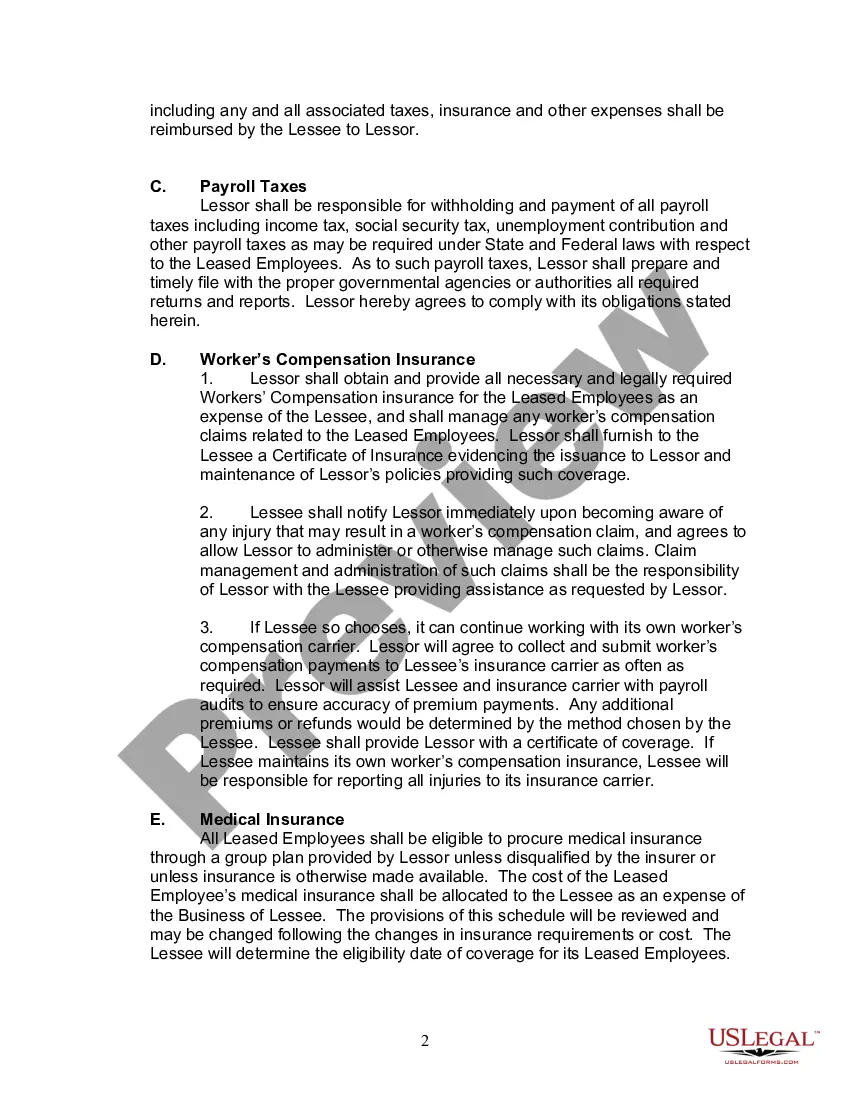
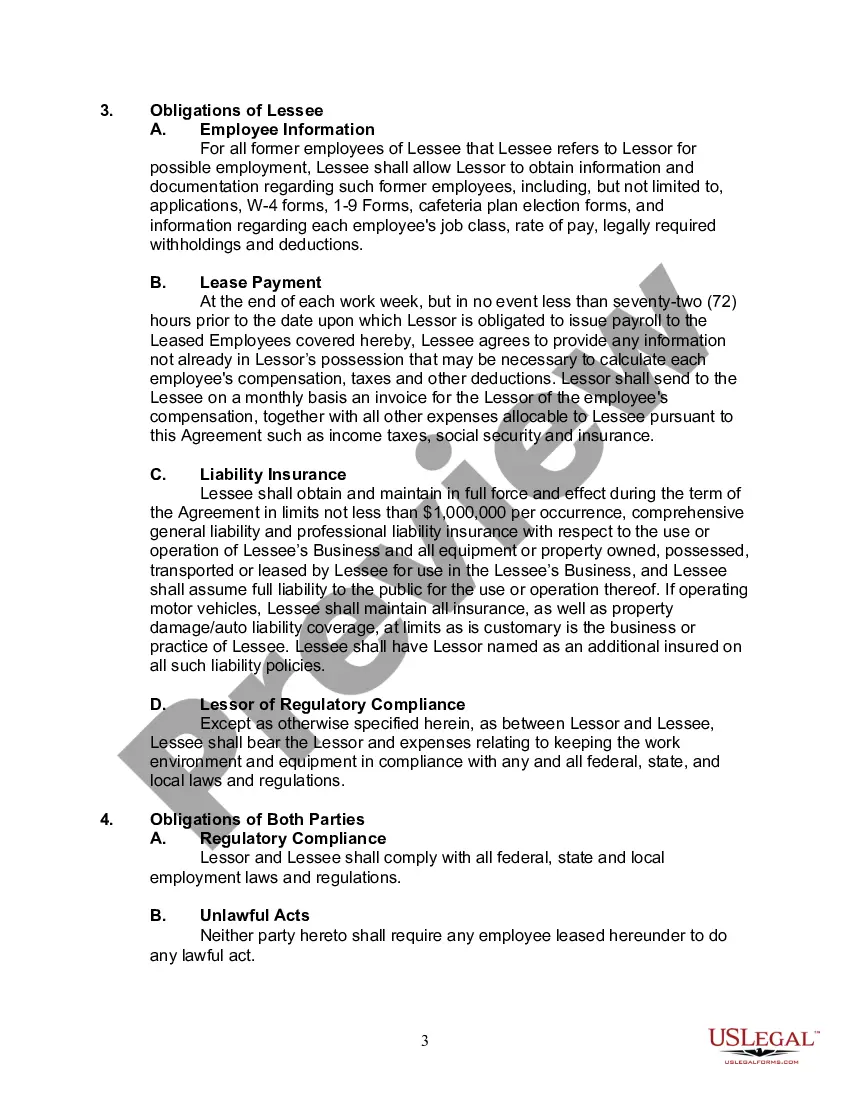
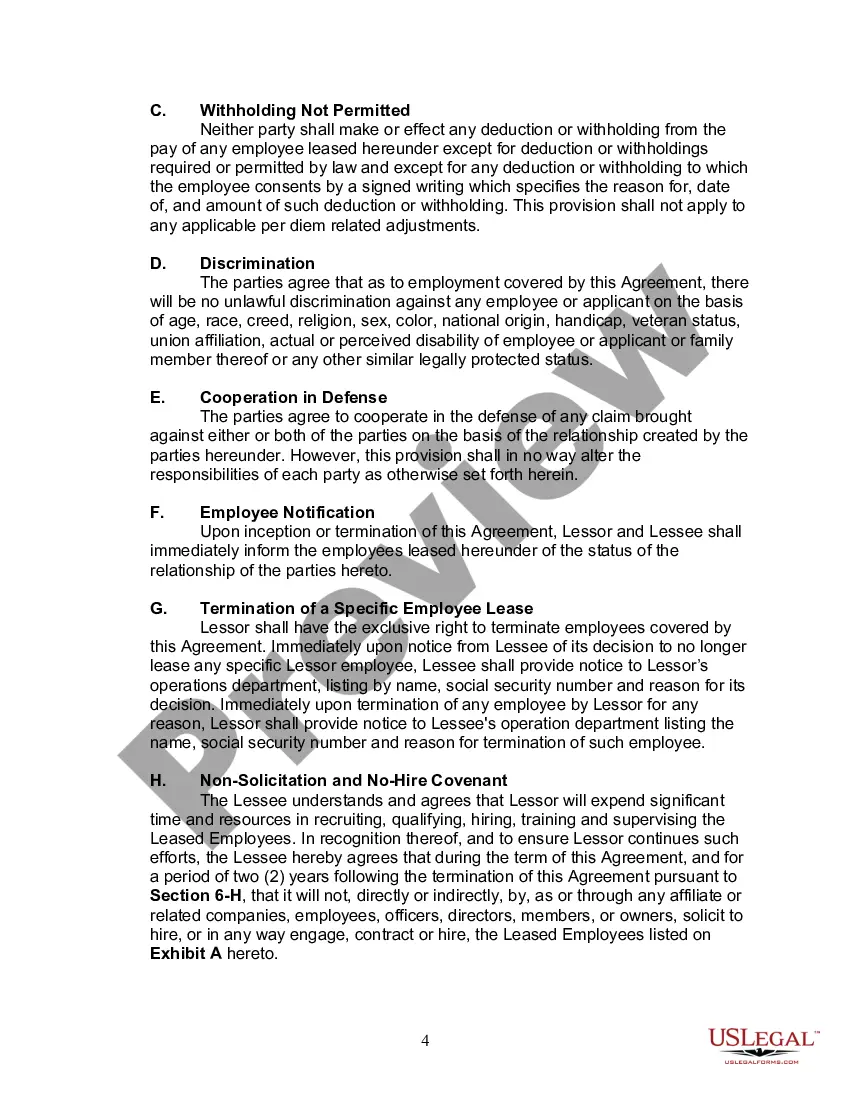
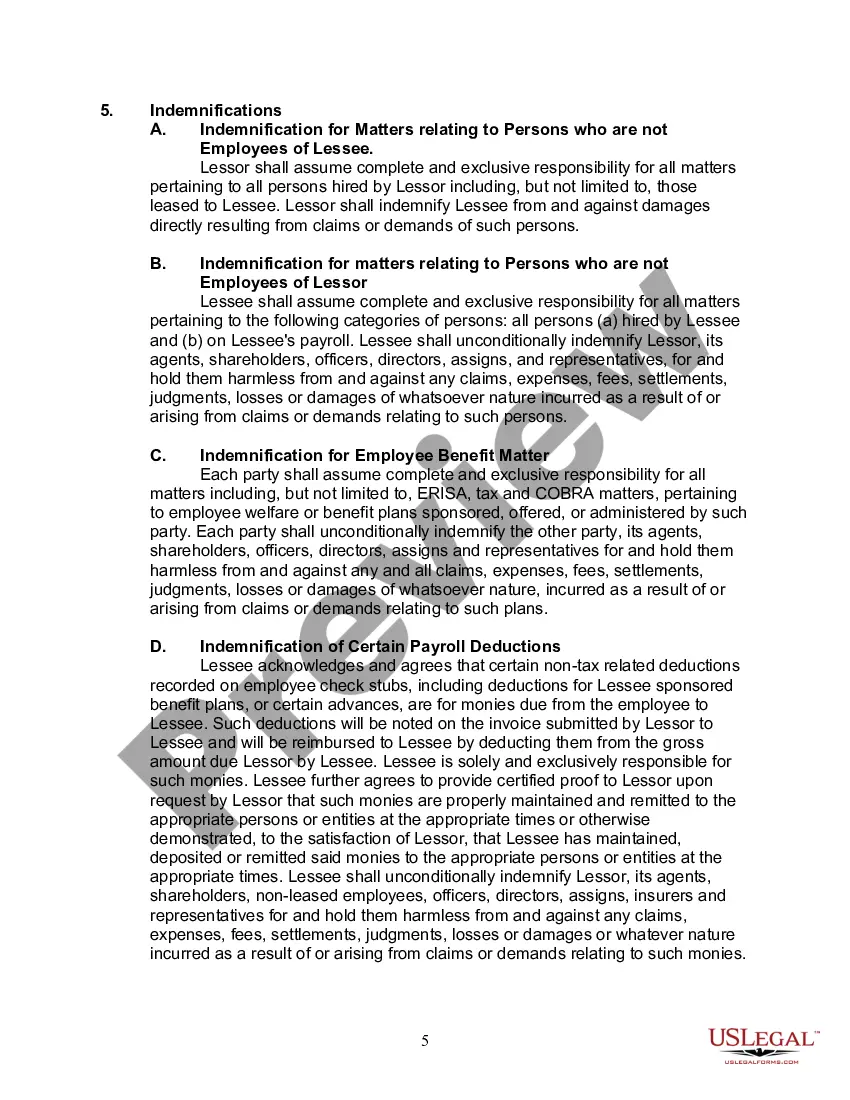
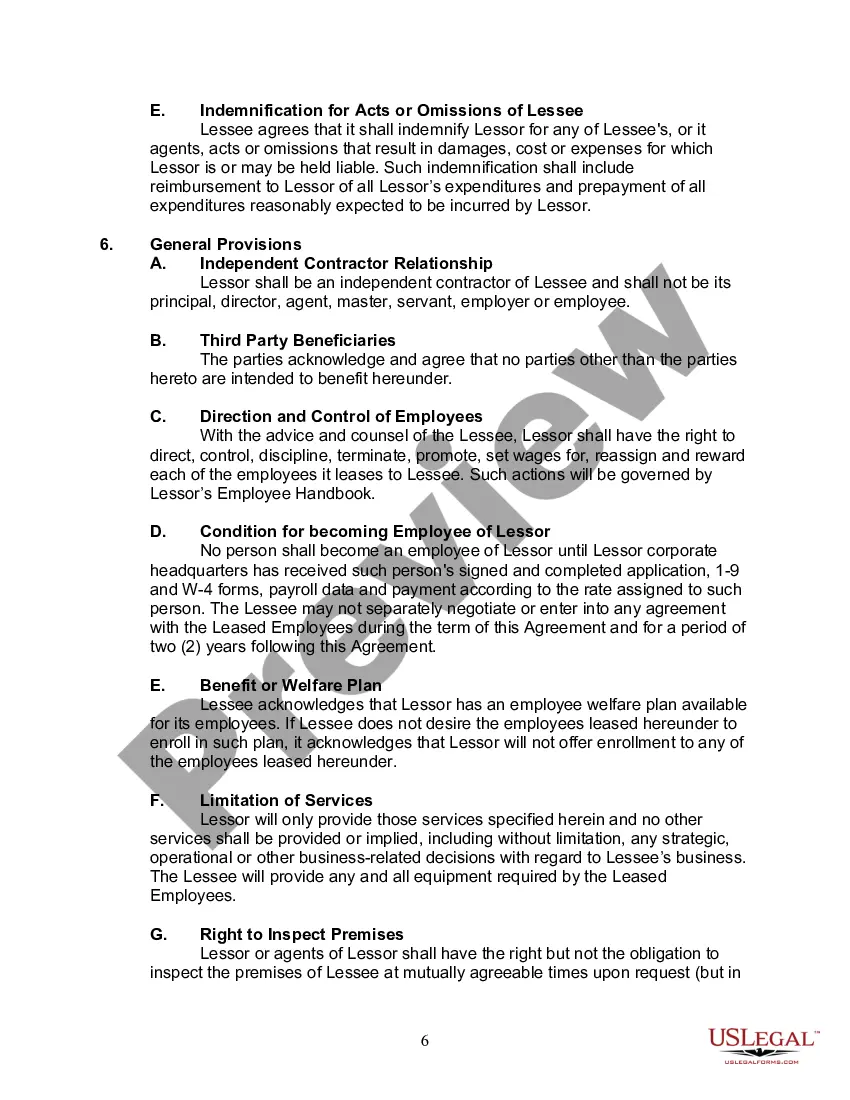
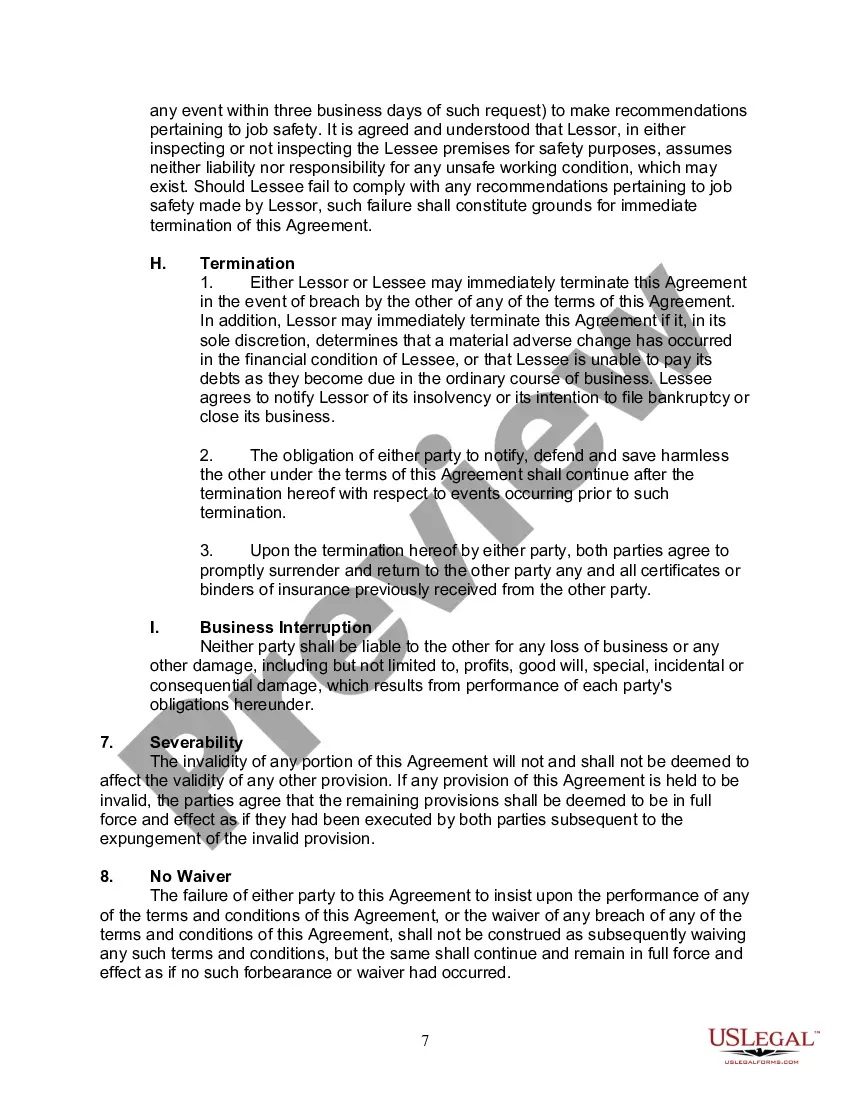
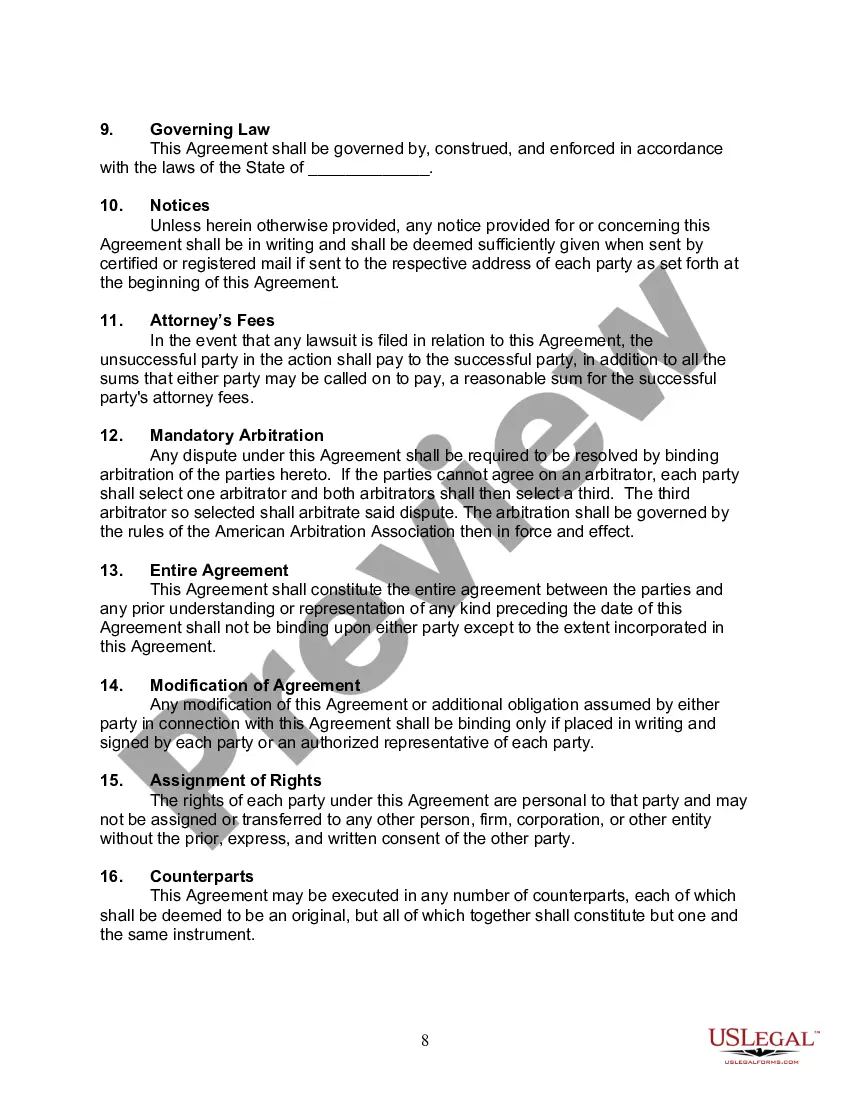
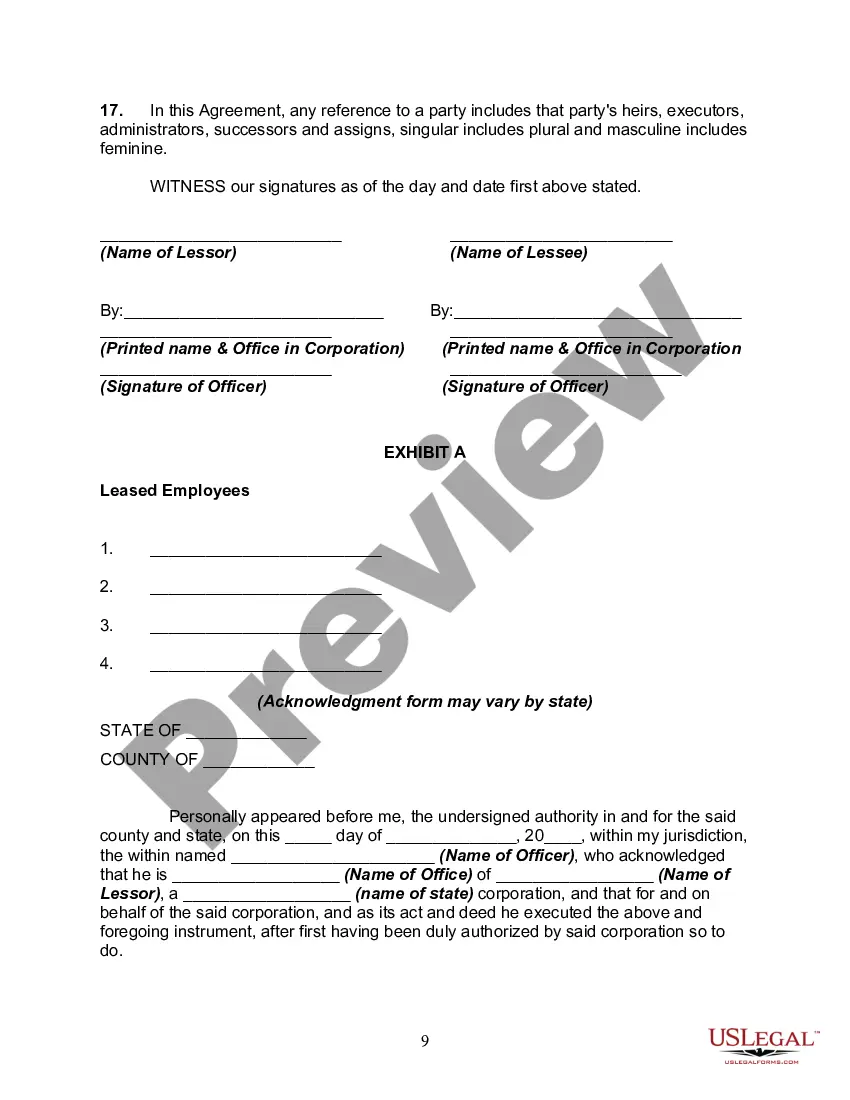
Get your form ready online
Our built-in tools help you complete, sign, share, and store your documents in one place.
Make edits, fill in missing information, and update formatting in US Legal Forms—just like you would in MS Word.
Download a copy, print it, send it by email, or mail it via USPS—whatever works best for your next step.
Sign and collect signatures with our SignNow integration. Send to multiple recipients, set reminders, and more. Go Premium to unlock E-Sign.
If this form requires notarization, complete it online through a secure video call—no need to meet a notary in person or wait for an appointment.
We protect your documents and personal data by following strict security and privacy standards.

Make edits, fill in missing information, and update formatting in US Legal Forms—just like you would in MS Word.

Download a copy, print it, send it by email, or mail it via USPS—whatever works best for your next step.

Sign and collect signatures with our SignNow integration. Send to multiple recipients, set reminders, and more. Go Premium to unlock E-Sign.

If this form requires notarization, complete it online through a secure video call—no need to meet a notary in person or wait for an appointment.

We protect your documents and personal data by following strict security and privacy standards.
Looking for another form?







Form popularity
FAQ
Here's a simple breakdown of how it operates: Clock-In rounding: When an employee clocks in, their entry time is rounded to the nearest quarter-hour increment. If they clock in between 0-7 minutes past the quarter-hour mark, it's rounded down, and if it's 8-14 minutes past, it's rounded up.
The seven-minute rule allows employers to round employee time to the nearest quarter-hour. The seven-minute rule is a payroll rule that allows employers to round down employee time of 1-7 minutes. However, employee work time of 8-14 minutes must be rounded up and counted as a quarter-hour of work.
You must have a registered business to hire employees in Washington state. Businesses and domestic (household) employers must establish employer accounts to report employee hours and wages. To establish or reopen employer accounts, you must file a Business License Application with Business Licensing Service (BLS).
You cannot sue your employer for a negligent act. If you are hurt on the job due to employer negligence you should file an L&I claim. You may be able to sue your employer under Action against employer for intentional injury RCW 51.24.
It is against the law for a business to fire or retaliate against you for exercising a protected right. You can file a complaint for issues relating to wages, rest breaks and meal periods, child labor, uniforms, and retaliation and termination without fear of repercussions.
While leased employees are legally employed by a PEO, they work under the day-to-day management and supervision of the leasing business — much like any other employee.
Drawbacks of employee leasing Less control: One of the greatest risks of employee leasing is that you're delegating an important part of your business to an outside company that doesn't know your business as well as you do. You lose control of your processes, systems and benefits.
California law has stipulated the requirements for classifying an employee as a temporary agency employee. These requirements include the right of the agency to assign and reassign a worker, but the workers have the right to refuse an assignment and remain on the agency's hiring list.
While leased employees are legally employed by a PEO, they work under the day-to-day management and supervision of the leasing business — much like any other employee. This generally gives the leasing business control over how they spend their time, which tools they use to perform their work, their deadlines, and more.
How to Start Your Own Employee Leasing Company Register your business. Consult your state and county licensing boards to see if you need a license or permit to operate your employee leasing company. Locate professional office space. Create a niche in your serviceable area. Build and grow a business network.
