Employee Lease Addendum For Tenant In Utah
Description

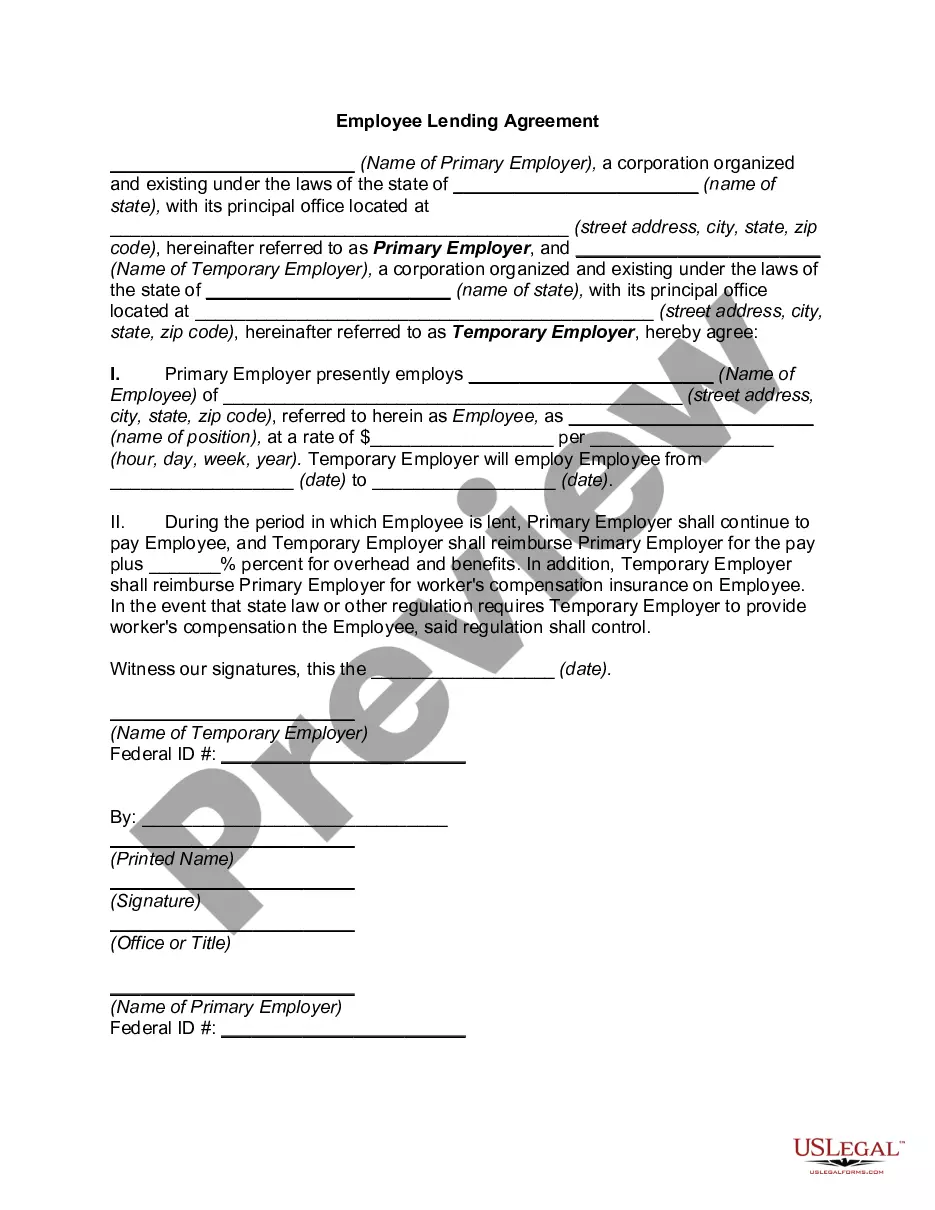
Get your form ready online
Our built-in tools help you complete, sign, share, and store your documents in one place.
Make edits, fill in missing information, and update formatting in US Legal Forms—just like you would in MS Word.
Download a copy, print it, send it by email, or mail it via USPS—whatever works best for your next step.
Sign and collect signatures with our SignNow integration. Send to multiple recipients, set reminders, and more. Go Premium to unlock E-Sign.
If this form requires notarization, complete it online through a secure video call—no need to meet a notary in person or wait for an appointment.
We protect your documents and personal data by following strict security and privacy standards.

Make edits, fill in missing information, and update formatting in US Legal Forms—just like you would in MS Word.

Download a copy, print it, send it by email, or mail it via USPS—whatever works best for your next step.

Sign and collect signatures with our SignNow integration. Send to multiple recipients, set reminders, and more. Go Premium to unlock E-Sign.

If this form requires notarization, complete it online through a secure video call—no need to meet a notary in person or wait for an appointment.

We protect your documents and personal data by following strict security and privacy standards.
Looking for another form?
Form popularity
FAQ
Utah is considered a very landlord-friendly state when it comes to rental laws. Unlike some other states and cities, Utah does not have any rent control laws limiting how much landlords can raise rents each year.
Why Alabama is the most landlord-friendly state Alabama not only won the most landlord-friendly state prize, but they also won it by a wide margin. When I posted this list on my social media, a lot of people showed their natural disdain for Alabama and many other states.
Nationally, Utah is not known for being a tenant-friendly state. There are numerous unique laws that overwhelmingly favor landlords. For example, Utah's 72-hour eviction notice is the shortest in the country.
Lease amendment vs. It is used when both the landlord and tenant agree to modify existing aspects of the lease, such as rent amounts, lease duration, or maintenance responsibilities. On the other hand, a lease addendum adds new terms or provisions to the existing lease agreement without changing the original terms.
In general, things to include in a lease addendum might be: Your name. The rental property address. The tenant's name. Relevant policy/information (that complies with your state/municipal's rental laws) Consequences for breaking any contract agreements. Space to sign & date for landlord. Space to sign & date for tenant.
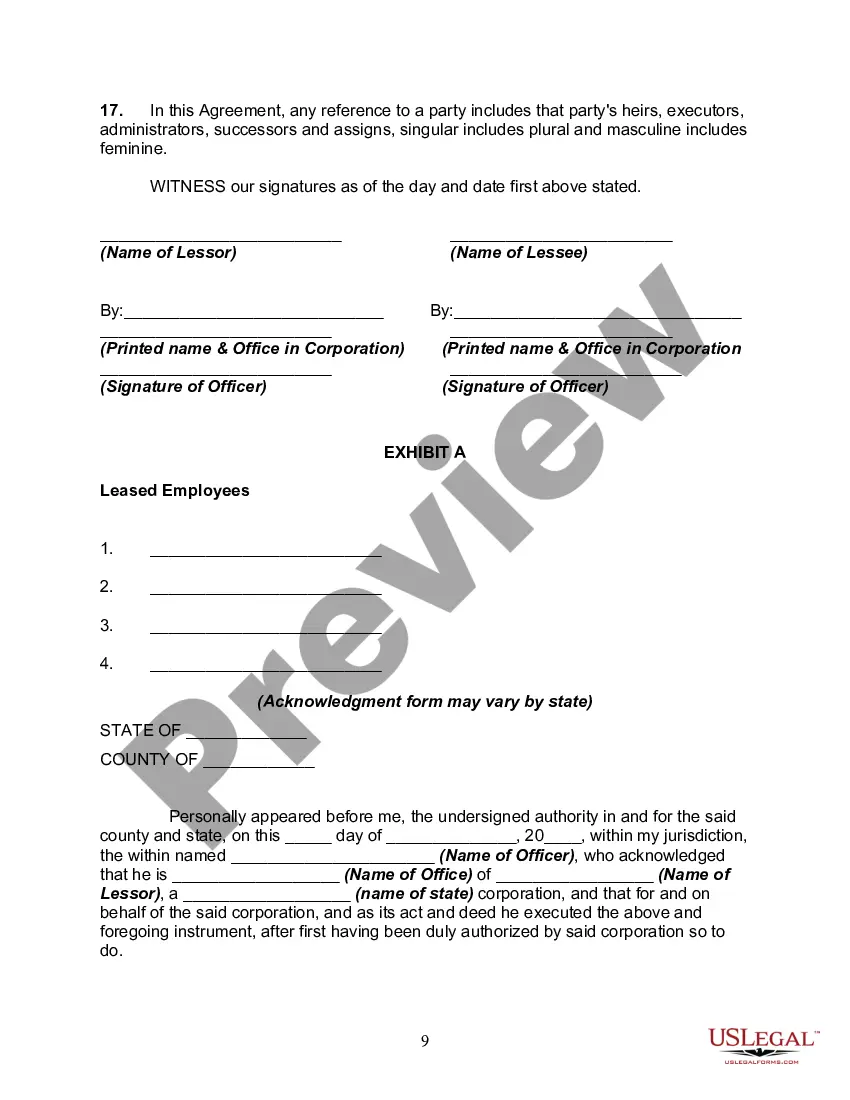
How Do I Write an Addendum? Identify the original contract, state the addendum's purpose, list the modifications, affirm the unchanged terms, and have all parties sign the document.
In general, things to include in a lease addendum might be: Your name. The rental property address. The tenant's name. Relevant policy/information (that complies with your state/municipal's rental laws) Consequences for breaking any contract agreements. Space to sign & date for landlord. Space to sign & date for tenant.
Draft the amendment: The landlord should draft and review the lease amendment agreement. Verify that the changes comply with state and local laws. Also, check that there are no conflicts with the original lease agreement. Sign the amendment: Both the landlord and tenant should sign the new lease amendment.
It is improper for a landlord to enter or inspect in a way that interferes with a tenant's quiet enjoyment, but it is equally improper for a tenant to refuse a landlord's reasonable requests to enter and inspect.
How to Amend a Lease (3 steps) Speak with the Other Party. Whether you are the landlord or the tenant, the party seeking to change the lease will need to properly communicate their intentions with the other party. Write the Amendment. Get Signed.
