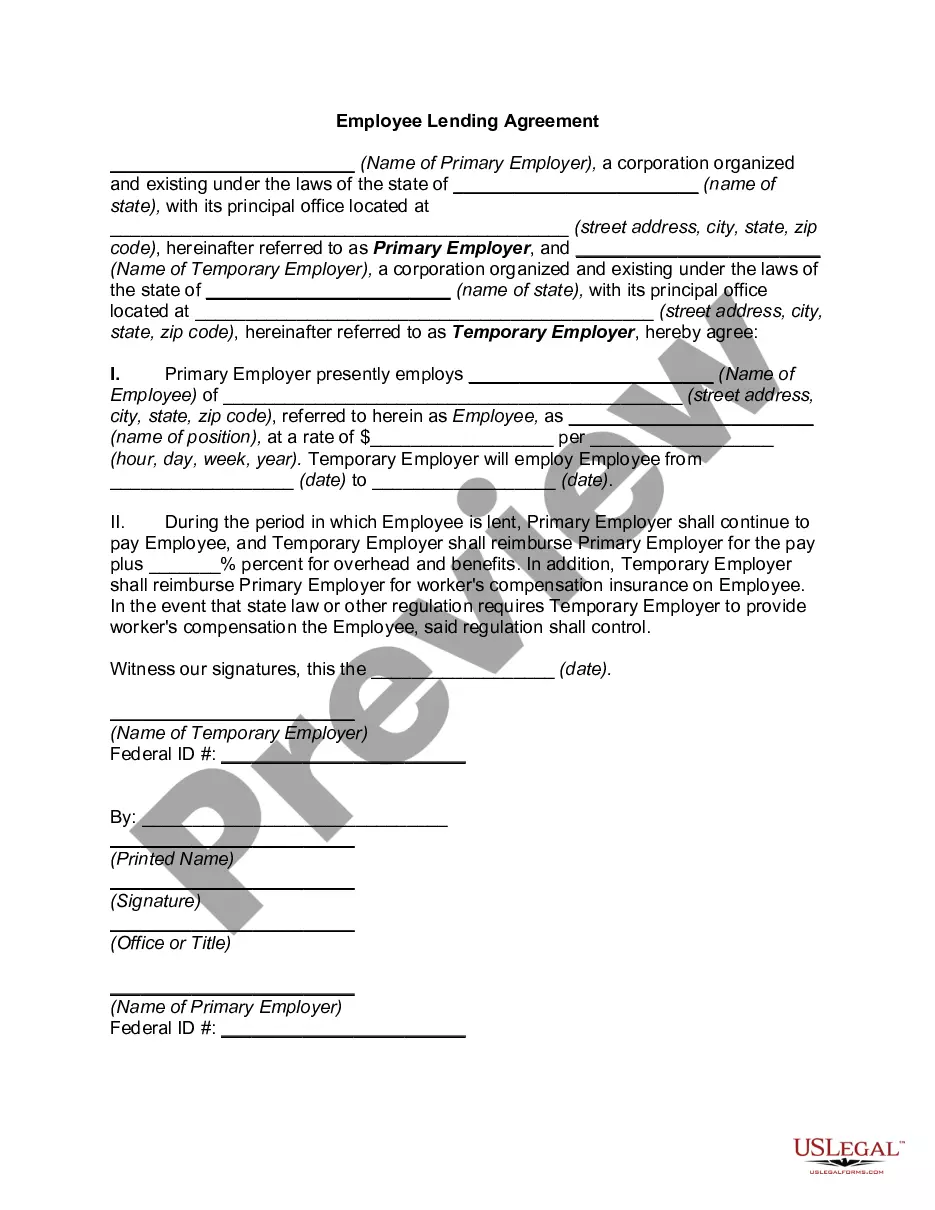
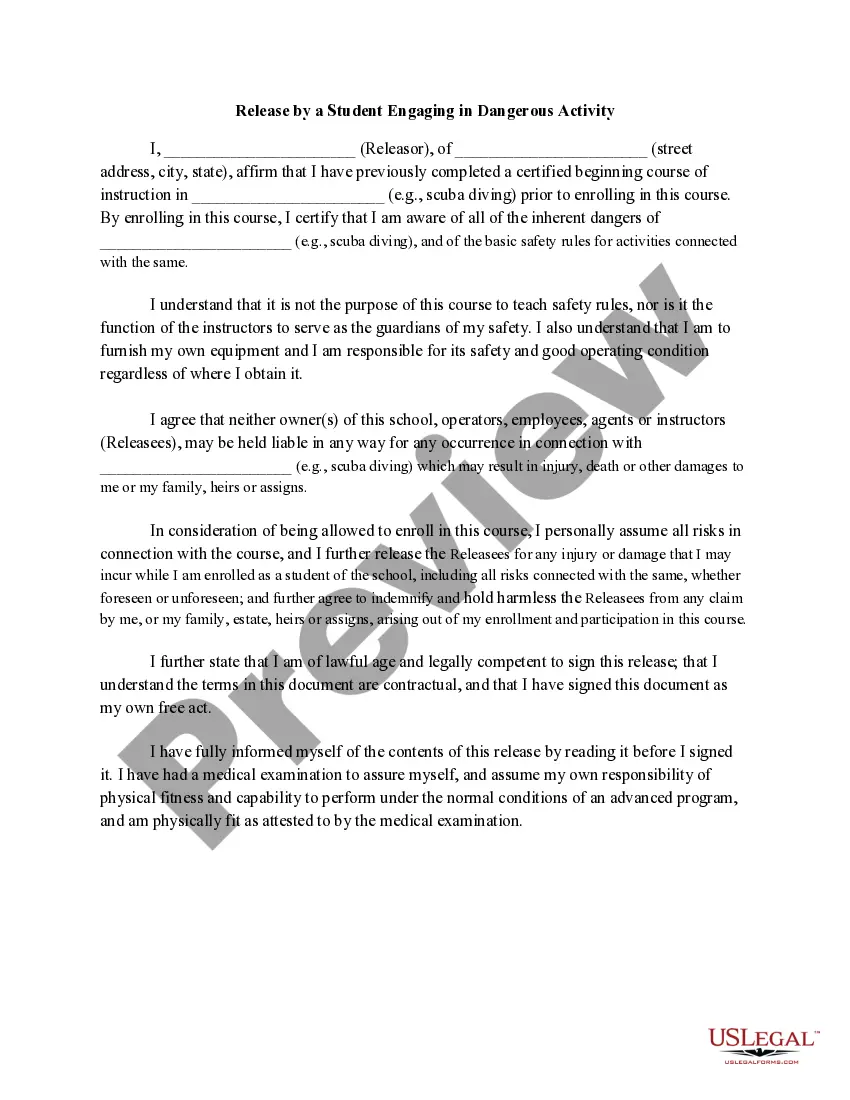
Leased Employee Agreement With Employee In Queens
Description

Get your form ready online
Our built-in tools help you complete, sign, share, and store your documents in one place.
Make edits, fill in missing information, and update formatting in US Legal Forms—just like you would in MS Word.
Download a copy, print it, send it by email, or mail it via USPS—whatever works best for your next step.
Sign and collect signatures with our SignNow integration. Send to multiple recipients, set reminders, and more. Go Premium to unlock E-Sign.
If this form requires notarization, complete it online through a secure video call—no need to meet a notary in person or wait for an appointment.
We protect your documents and personal data by following strict security and privacy standards.

Make edits, fill in missing information, and update formatting in US Legal Forms—just like you would in MS Word.

Download a copy, print it, send it by email, or mail it via USPS—whatever works best for your next step.

Sign and collect signatures with our SignNow integration. Send to multiple recipients, set reminders, and more. Go Premium to unlock E-Sign.

If this form requires notarization, complete it online through a secure video call—no need to meet a notary in person or wait for an appointment.

We protect your documents and personal data by following strict security and privacy standards.
Looking for another form?









Form popularity
FAQ
Leased employees are considered to be employees of the recipient organization for purposes of the requirements set forth in section 414(n)(3)(A) and (B), even though they are common law employees of the leasing organization, unless (i) they are covered by a safe harbor plan of the leasing organization, and (ii) leased ...
One significant difference, among several, is the leased employee feels more like an employee with a stronger connection to the employer. Leased employees also receive more benefits than temporary employees do. A temporary employee does not usually have a strong bond to the client company.
Leased employees are considered to be employees of the recipient organization for purposes of the requirements set forth in section 414(n)(3)(A) and (B), even though they are common law employees of the leasing organization, unless (i) they are covered by a safe harbor plan of the leasing organization, and (ii) leased ...
How do I report leased employees on a tax return? When you lease employees, you're typically not responsible for deducting taxes from their wages or paying unemployment tax. The employee leasing agency withholds the necessary payroll taxes and files them with government agencies.
A PEO, or professional employer organization, has a different relationship with client companies. Instead of being a firm that leases employees to their clients, a PEO becomes an employer of record for the client's employees. This is known as a co-employment agreement.
When you lease employees, you're typically not responsible for deducting taxes from their wages or paying unemployment tax. The employee leasing agency withholds the necessary payroll taxes and files them with government agencies.
Temporary employees are a type of leased employee, that work on a temporary basis. Whether you are employed through a temporary agency or an employee leasing firm, it is important to understand how your classification affects your rights, access to resources, and coverage under employment laws.
Employee leasing is anytime you enter into a contract with a staffing or employee leasing agency to lend you an employee to perform work for your company. Work responsibilities are typical to those of a regular employee at your business, such as customer service, executive assistant, marketing, and so on.
Unlike part - time employees, leased employees are regularly expected to work less than 4 0 hours a week. Unlike leased employees, part - time employees are usually covered by benefits from the organization. Unlike leased employees, part - time employees reduce the labor costs of an organization.
