Employee Rental Agreement With Multiple Tenants India In Pennsylvania
Description

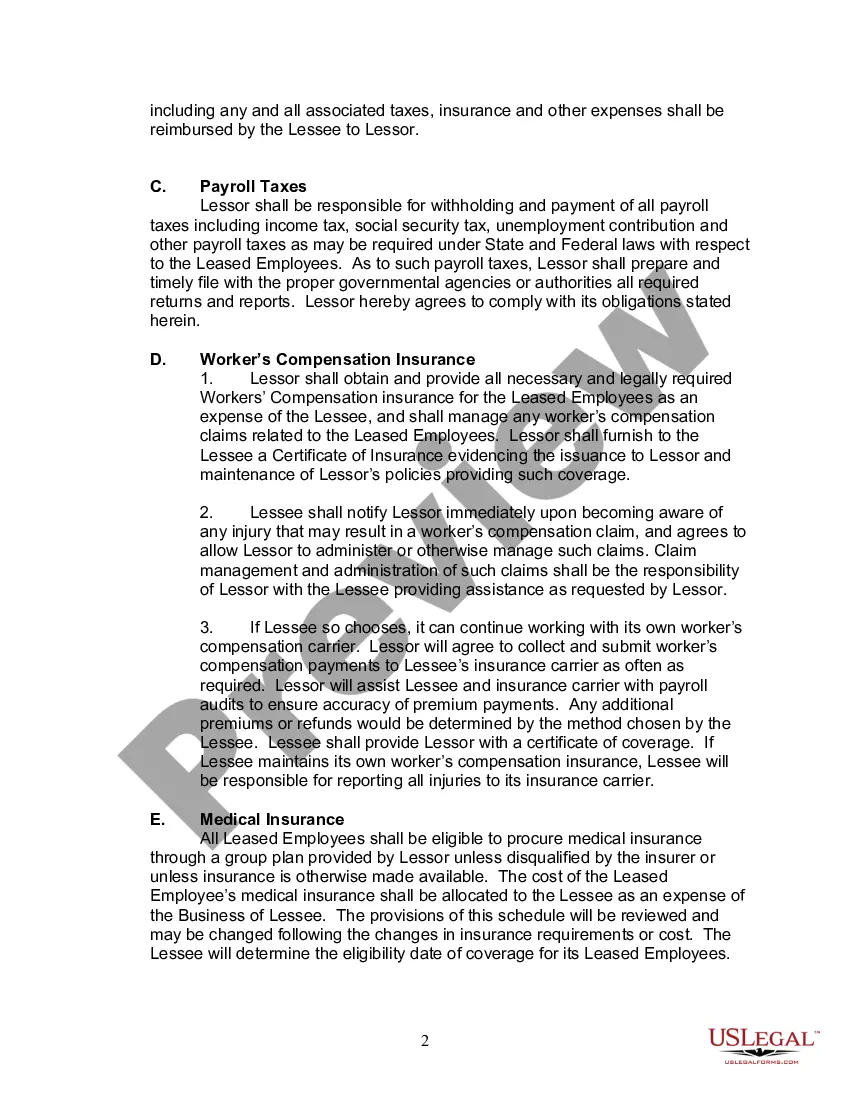
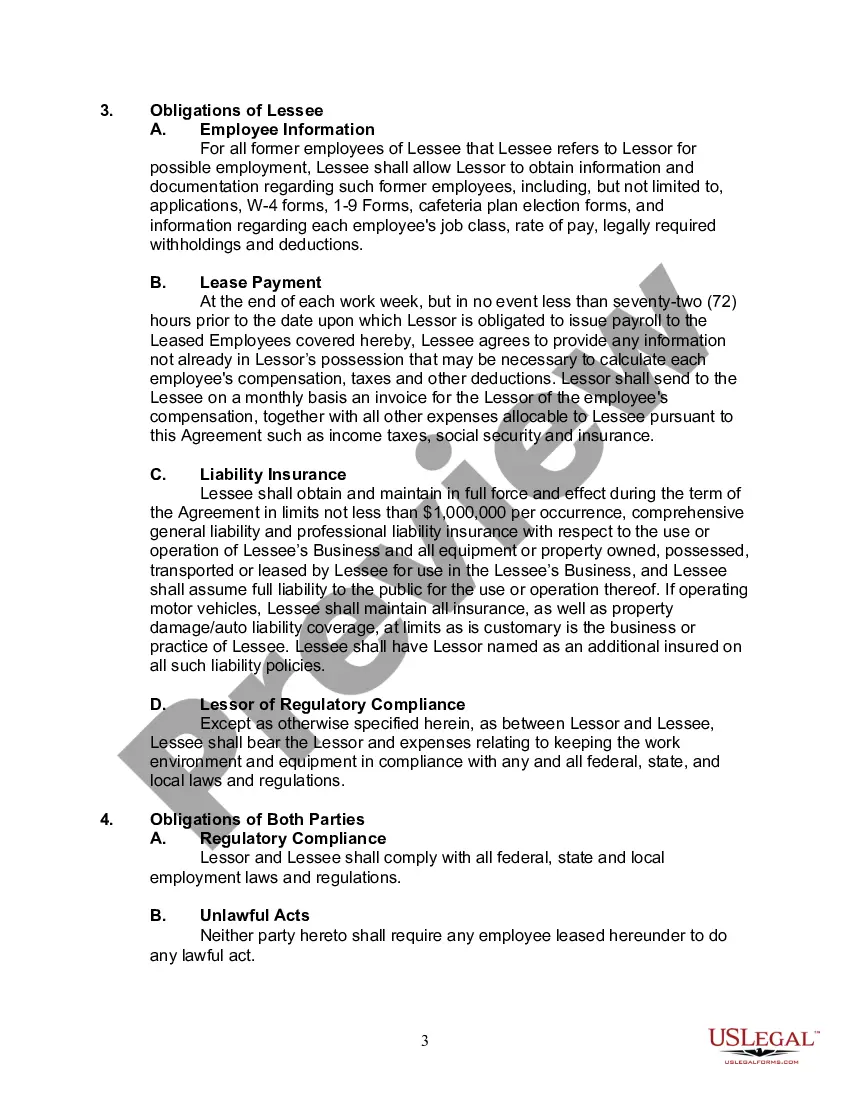
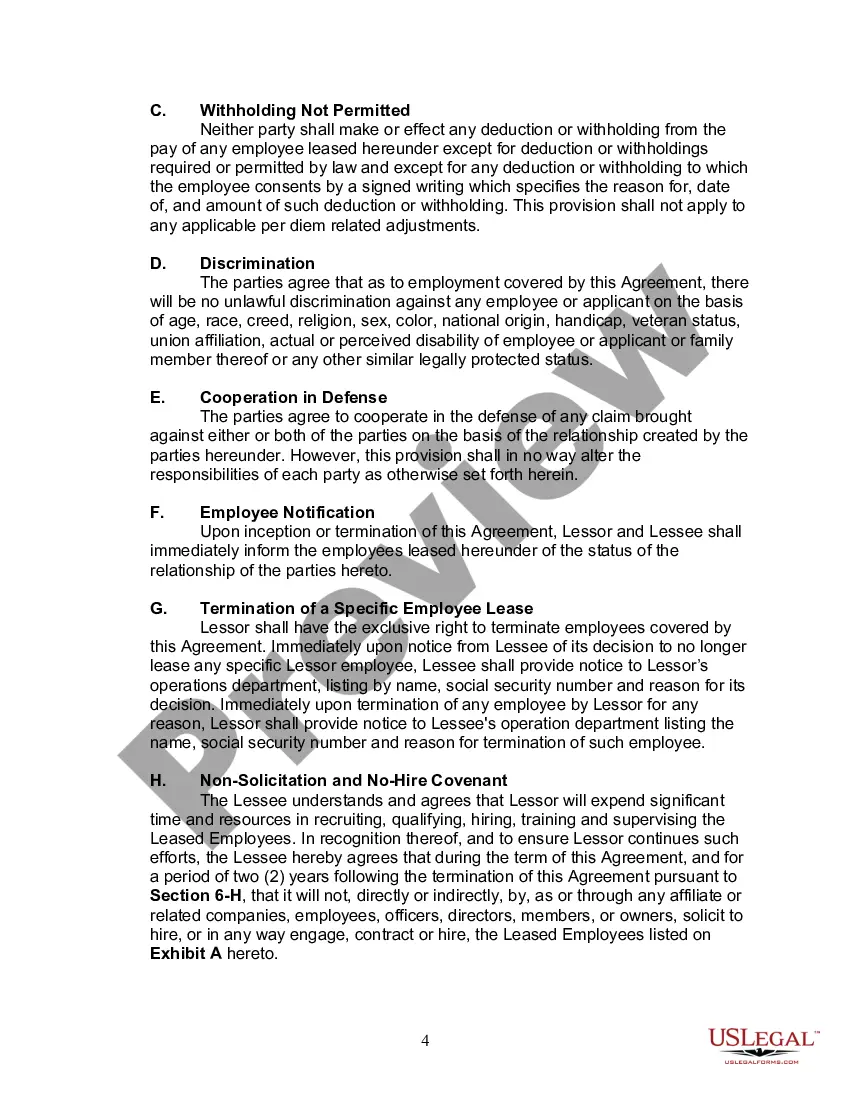
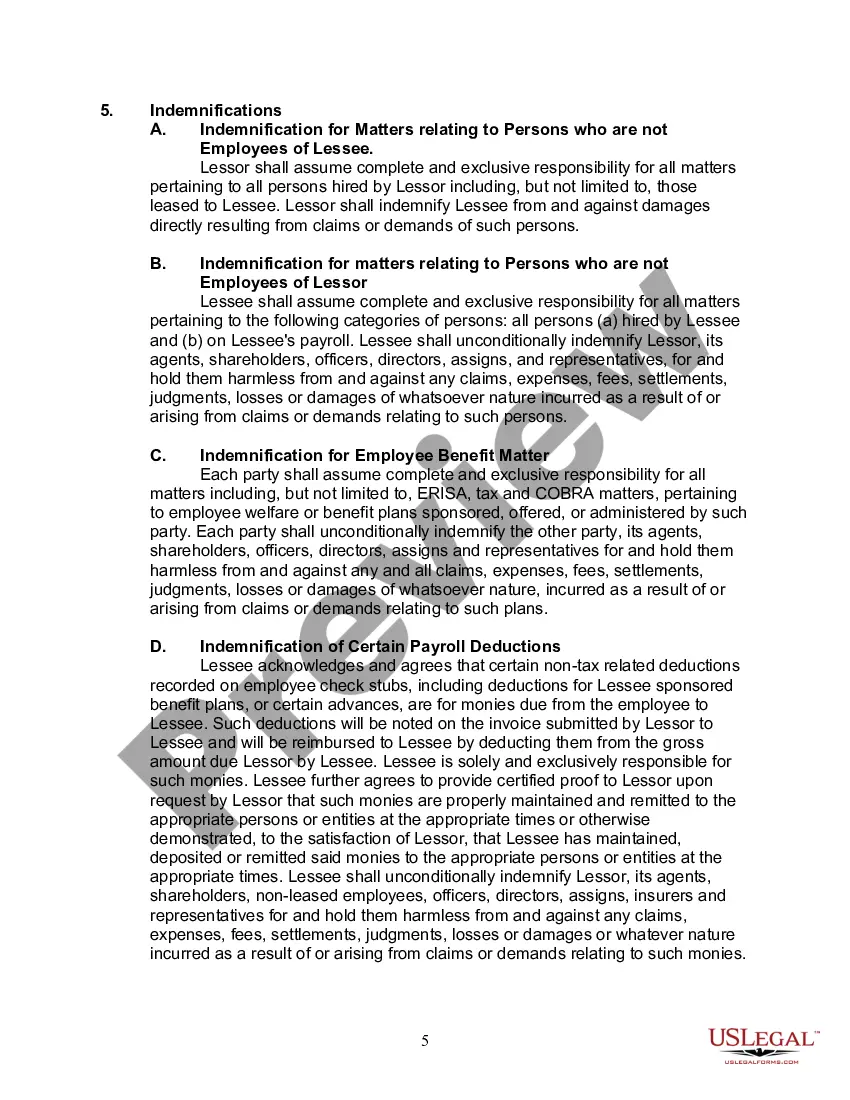
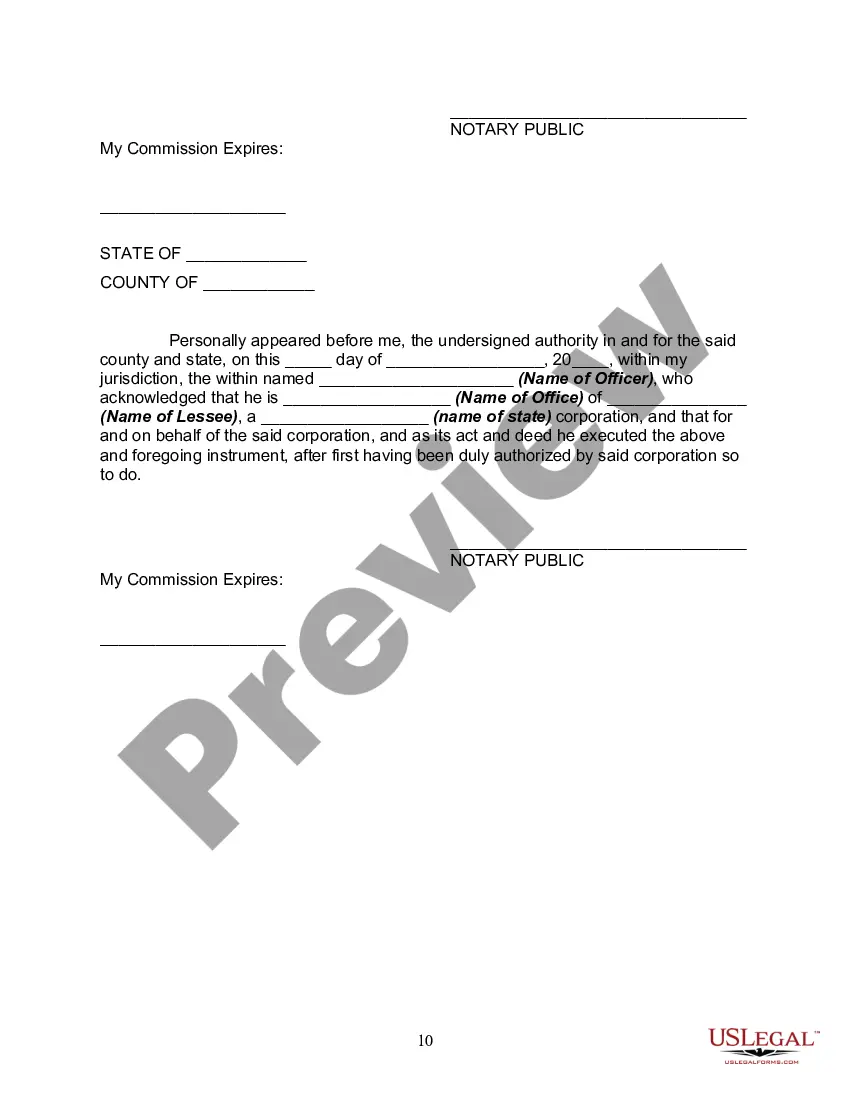
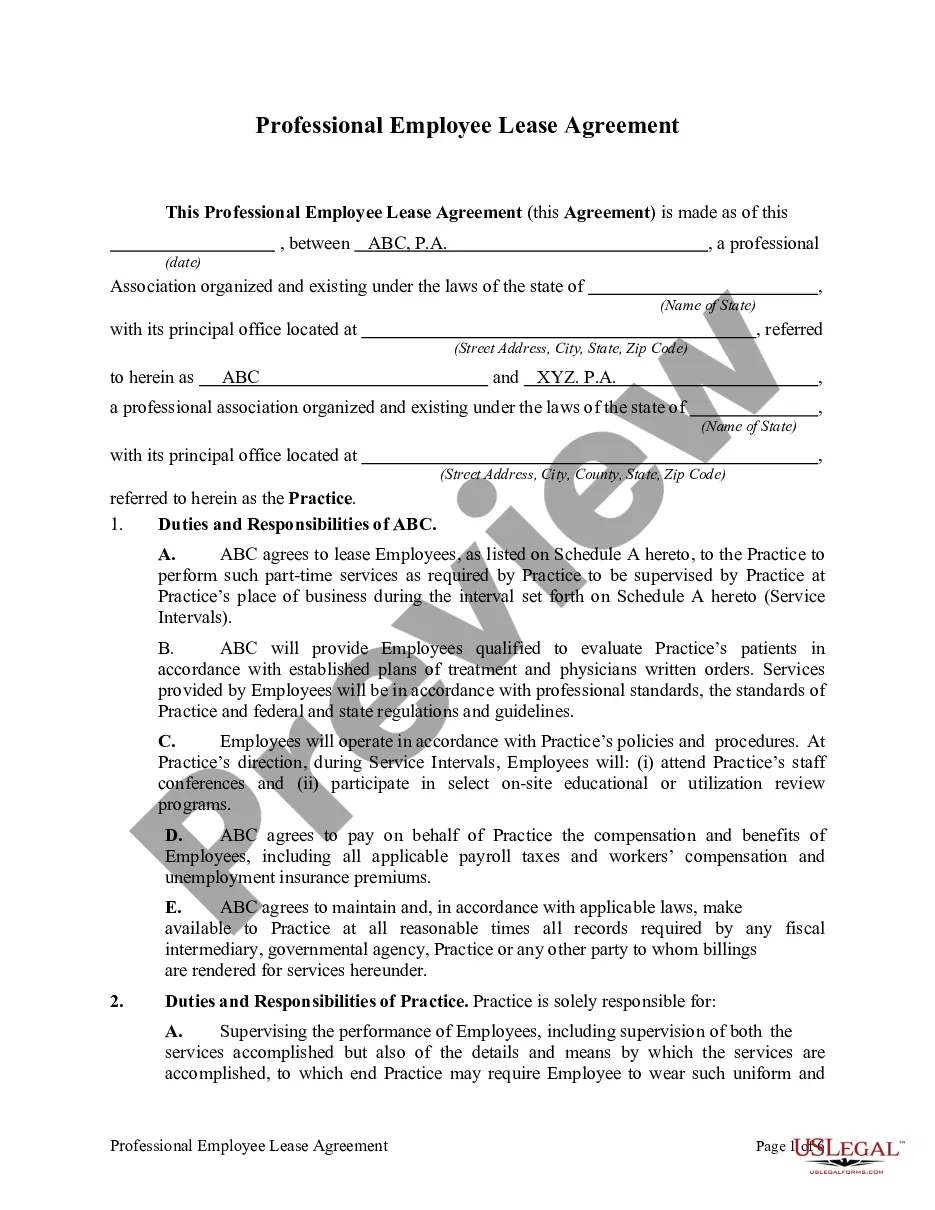
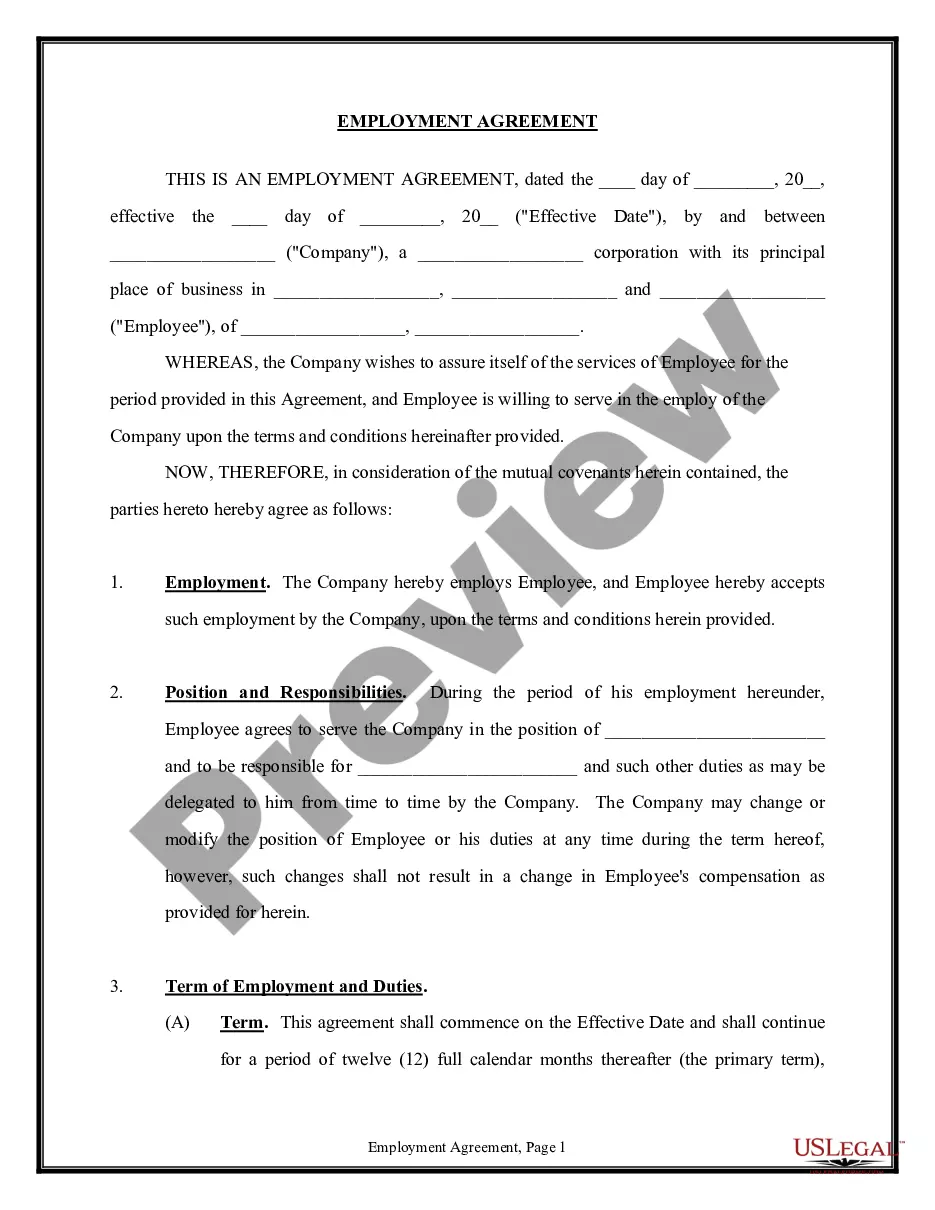
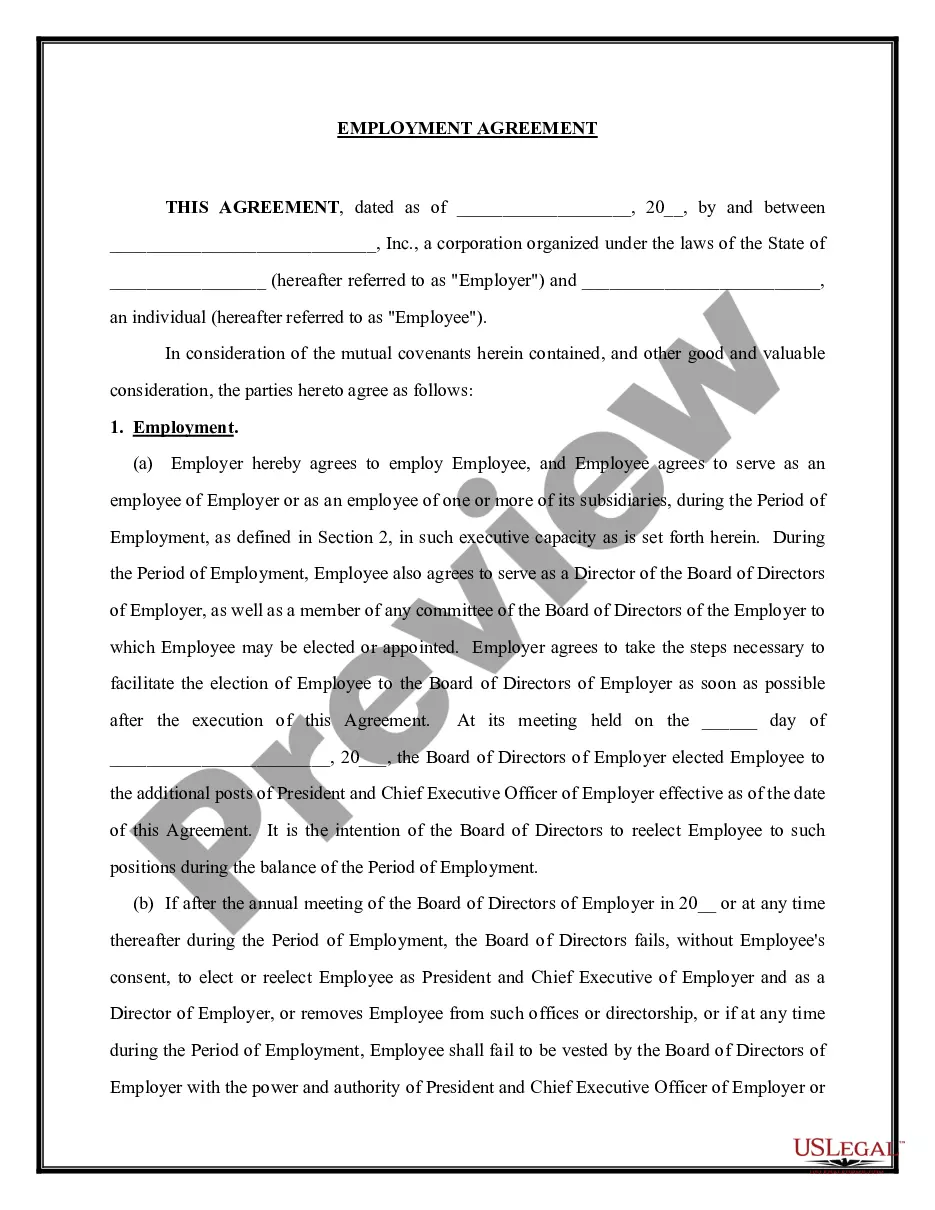
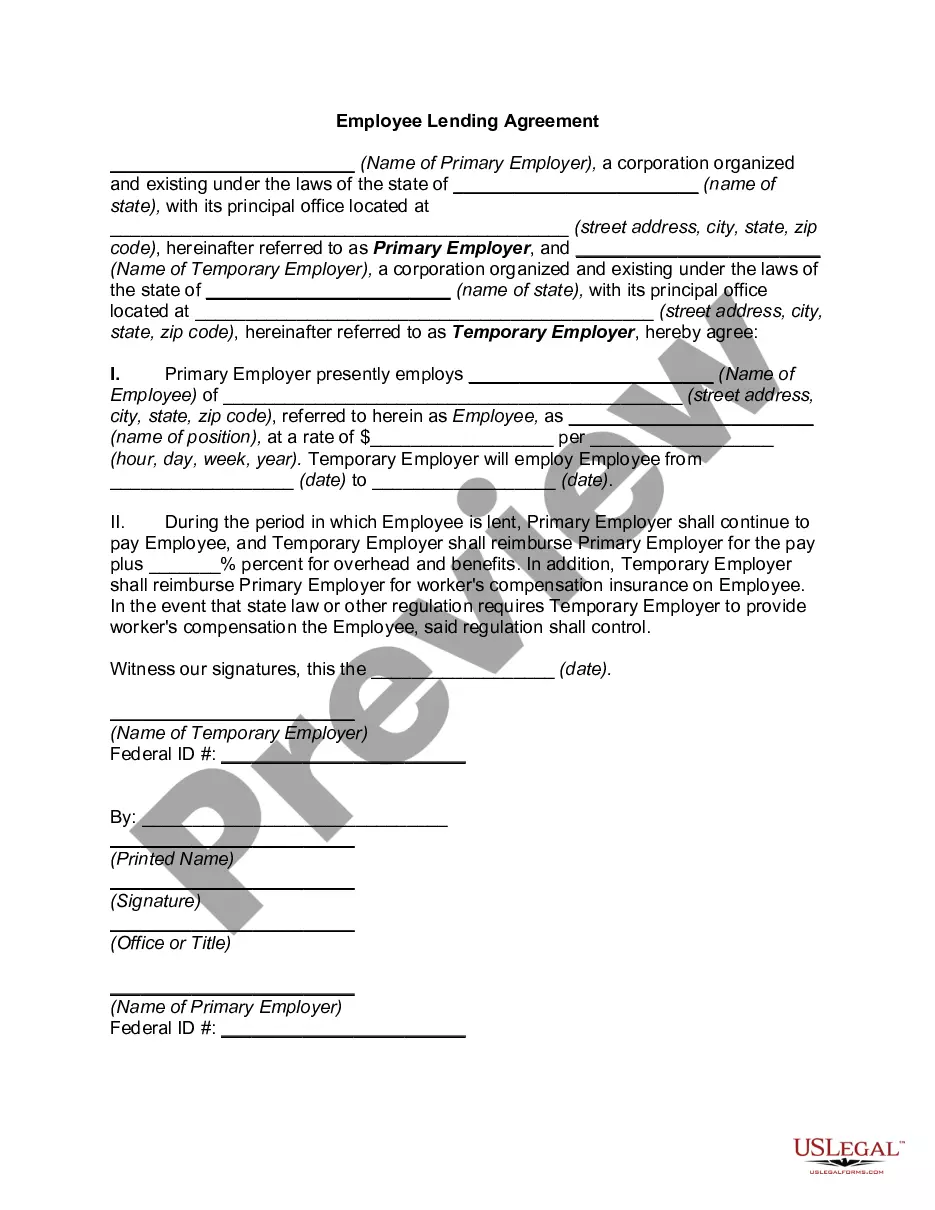
Get your form ready online
Our built-in tools help you complete, sign, share, and store your documents in one place.
Make edits, fill in missing information, and update formatting in US Legal Forms—just like you would in MS Word.
Download a copy, print it, send it by email, or mail it via USPS—whatever works best for your next step.
Sign and collect signatures with our SignNow integration. Send to multiple recipients, set reminders, and more. Go Premium to unlock E-Sign.
If this form requires notarization, complete it online through a secure video call—no need to meet a notary in person or wait for an appointment.
We protect your documents and personal data by following strict security and privacy standards.

Make edits, fill in missing information, and update formatting in US Legal Forms—just like you would in MS Word.

Download a copy, print it, send it by email, or mail it via USPS—whatever works best for your next step.

Sign and collect signatures with our SignNow integration. Send to multiple recipients, set reminders, and more. Go Premium to unlock E-Sign.

If this form requires notarization, complete it online through a secure video call—no need to meet a notary in person or wait for an appointment.

We protect your documents and personal data by following strict security and privacy standards.
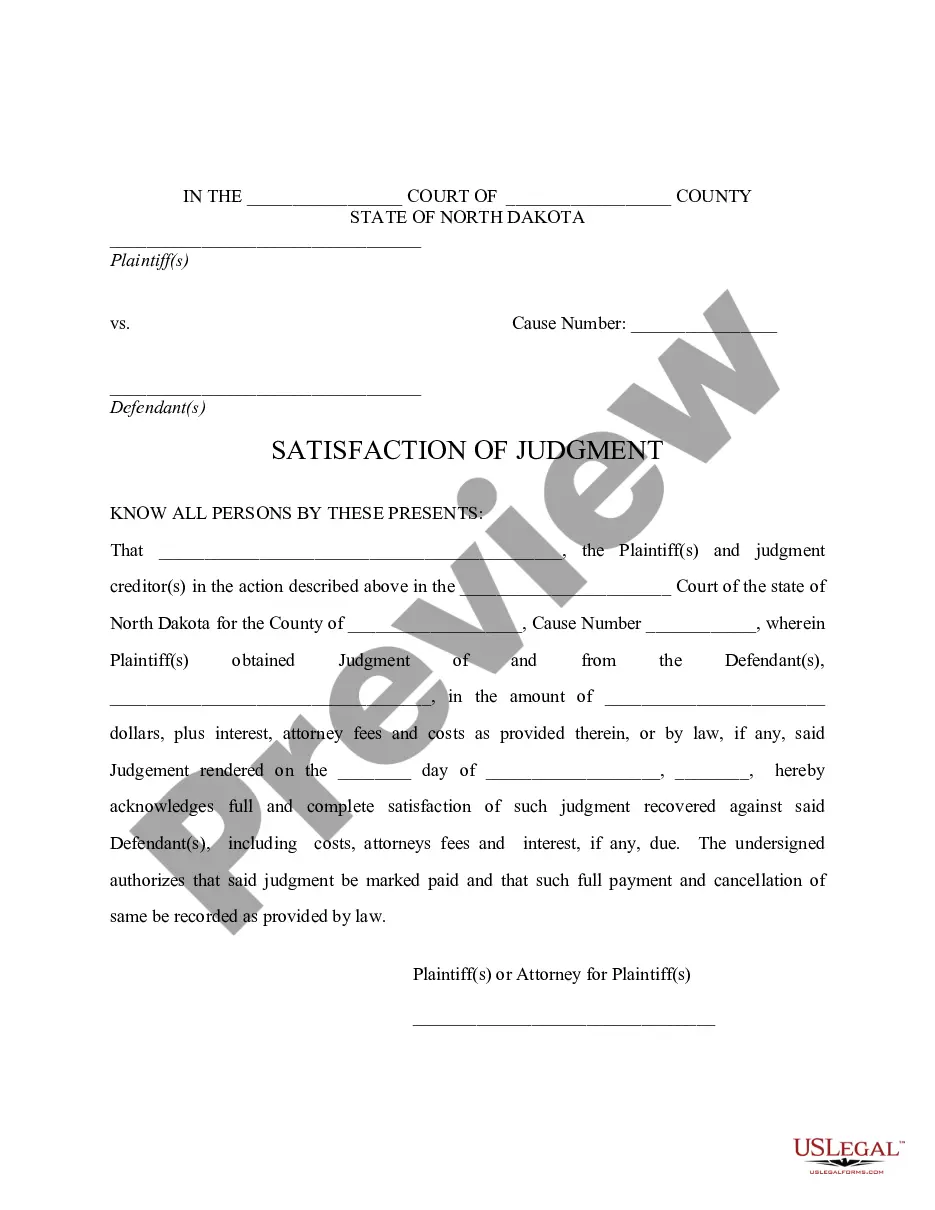
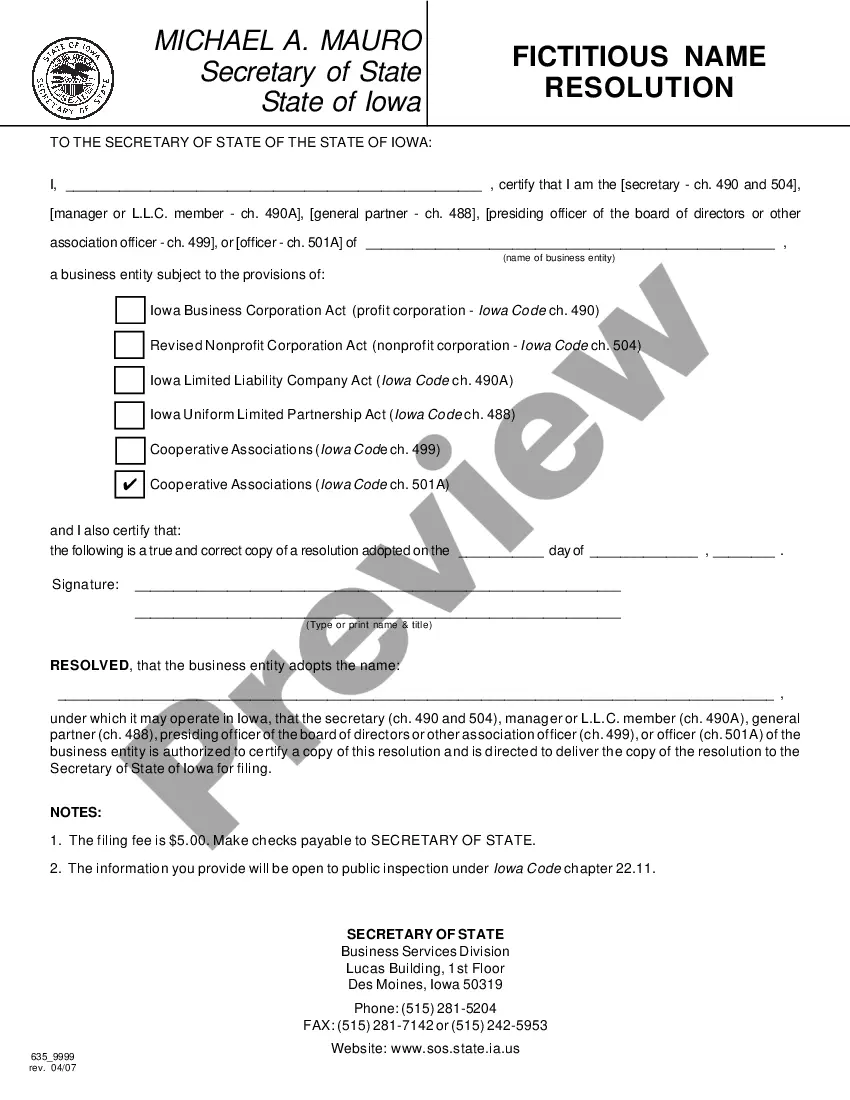
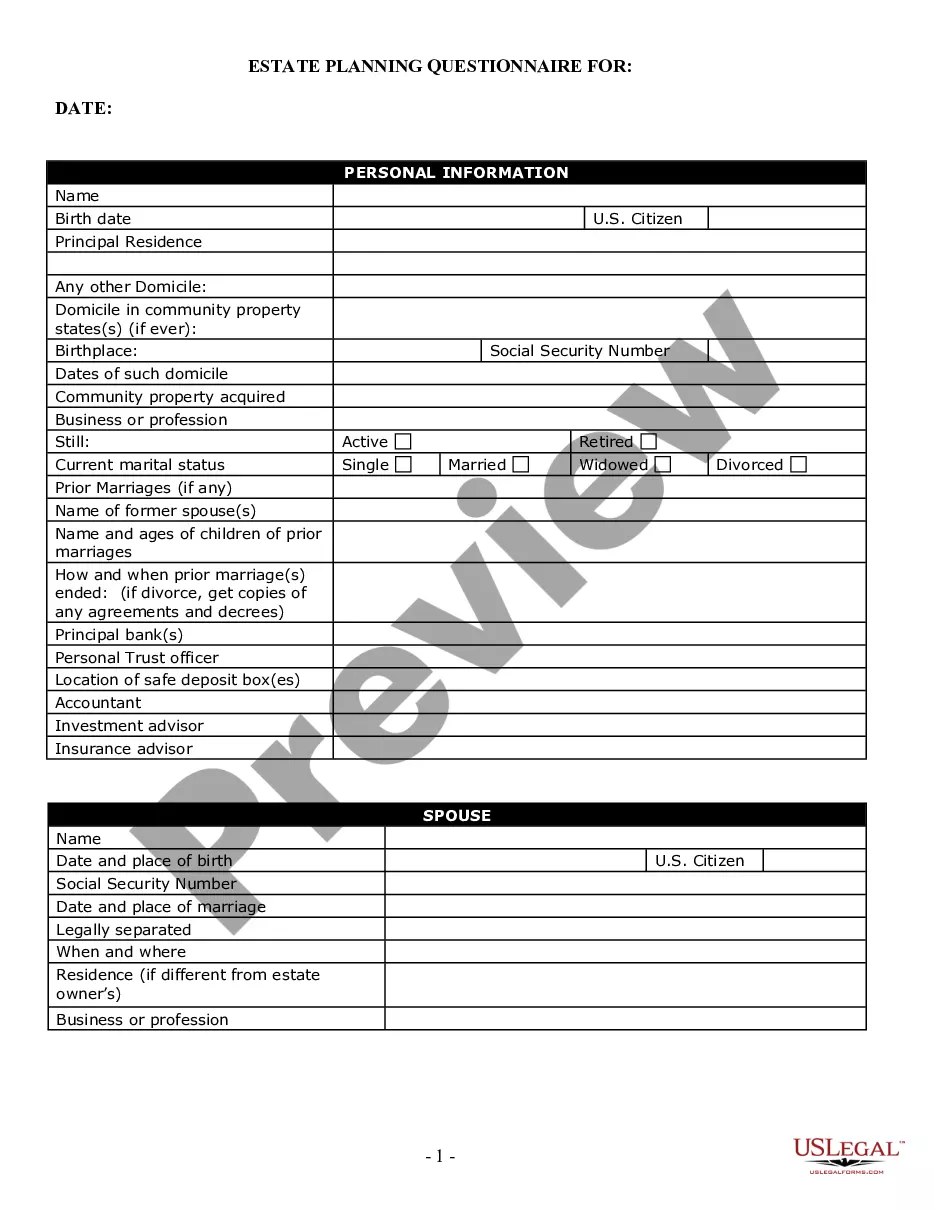
Looking for another form?




Form popularity
FAQ
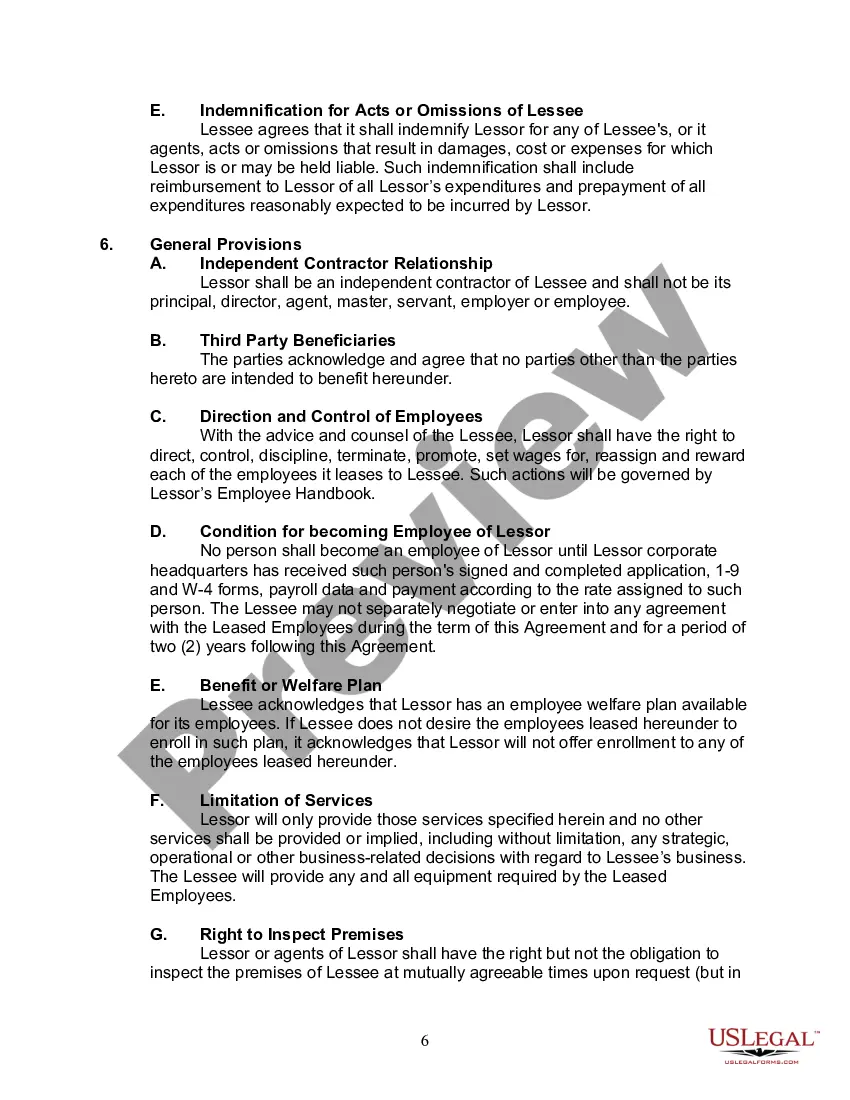
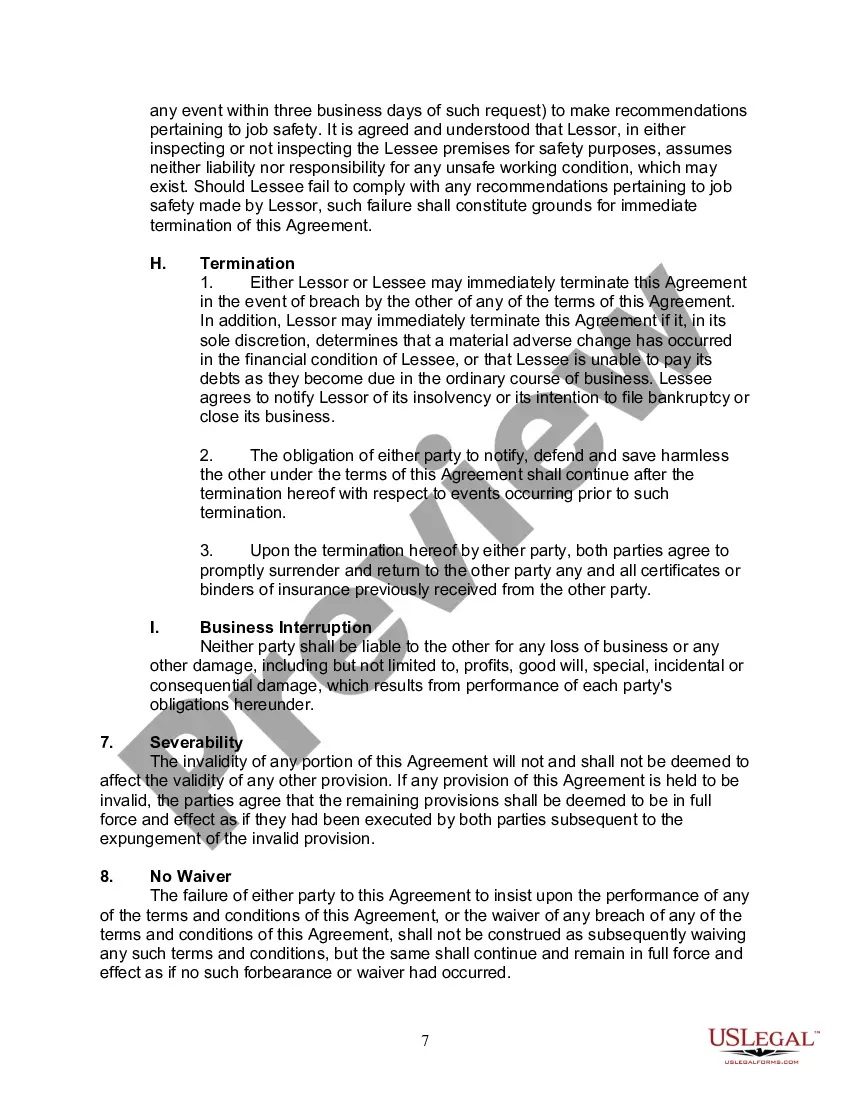
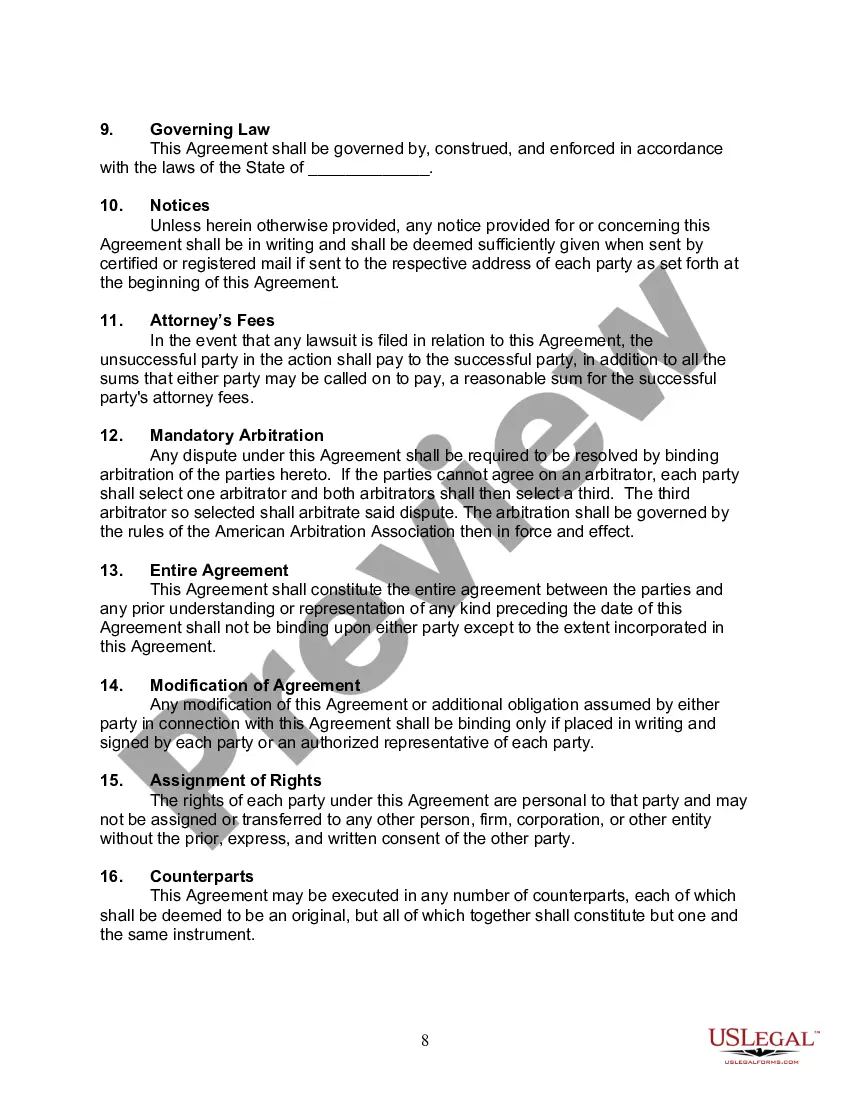
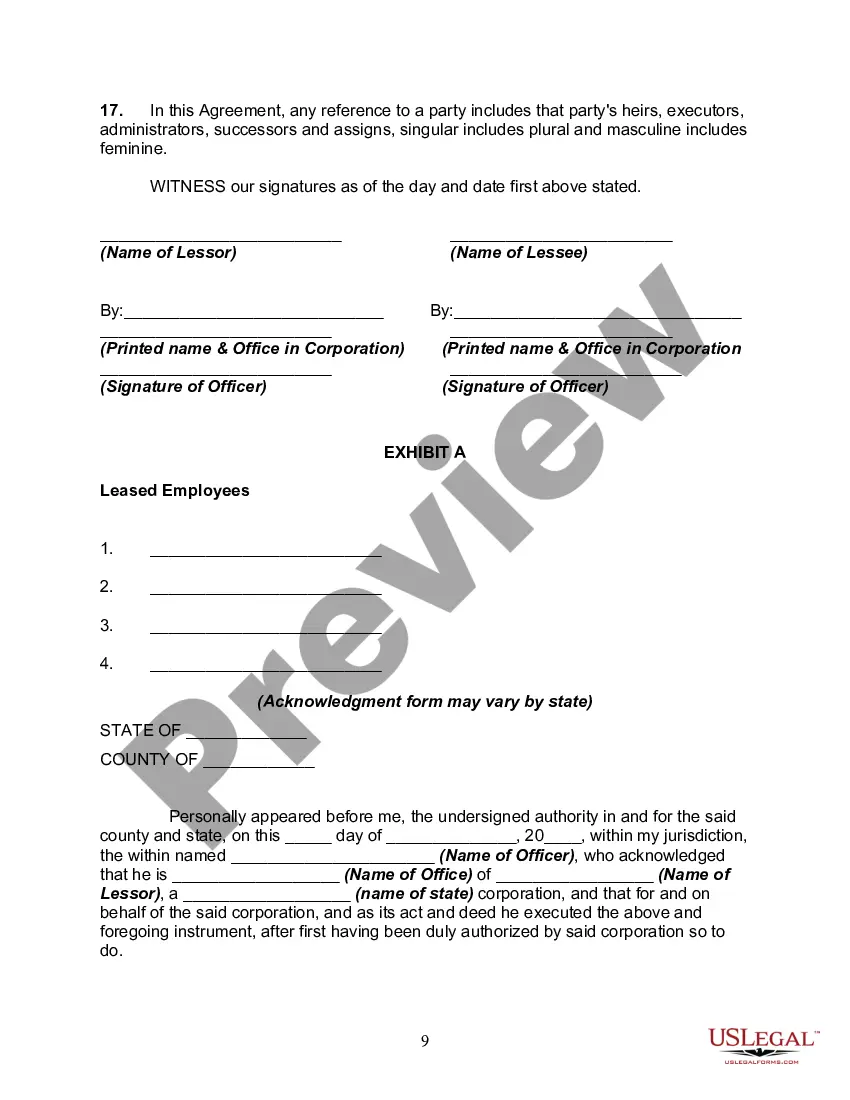
In India, rent agreements are not legally required to be registered unless the term of the agreement is more than 12 months. Unregistered rent agreements are still popular but may not be admissible as evidence in court in case of disputes. It is advisable to register agreements for added legal validity.
Here's a list of standard fields that you should include in your lease agreement: Tenant information. Include each tenant's full name and contact information. Rental property description. Security deposit. Monthly rent amount. Utilities. Lease term. Policies. Late fees.
Three Innovative Ways NRIs Can Execute Rental Agreements Embracing Digital Solutions: Online Agreements. The Indian government has revolutionized the rental agreement process for NRIs by. Leveraging Power of Attorney. Utilizing Local Property Management Services.
tomonth lease normally has an automatic renewal clause so that the lease renews each month until either the landlord or tenant gives notice to terminate the lease. Most states require a 30day notice to end a monthtomonth lease.
A lease termination is the legal document you use to stop a month-to-month lease in Pennsylvania. Pennsylvania laws require at least 15 days' notice, but you don't have to give notice to end the agreement on its end date.
The lease renews at the end of every month automatically. To terminate a Pennsylvania month-to-month lease agreement, the landlord or tenant must give at least 15 days' notice. If the landlord seeks to end the lease for nonpayment, the notice period is 10 days.
A Pennsylvania month-to-month lease agreement is a residential rental contract through which a tenant is allowed to occupy a landlord's property on a monthly basis. In this arrangement, the tenancy is renewed automatically at the end of each calendar month.
Offering multiple tenant leases for your single-family rental property may make sense for your situation if the market and location are right. For example, single-family rental homes in college towns can often generate higher returns by renting to multiple individuals than to a single tenant.
Steps to Add a Tenant to an Existing Lease Acquire a Written Request to Add a Tenant. Check the Unit's Occupancy Limit. Require a Completed Rental Application. Screen and Approve/Deny the New Tenant. Review the Details With Each Tenant.
