Employee Form Documentation For Behavior In Pennsylvania
Description

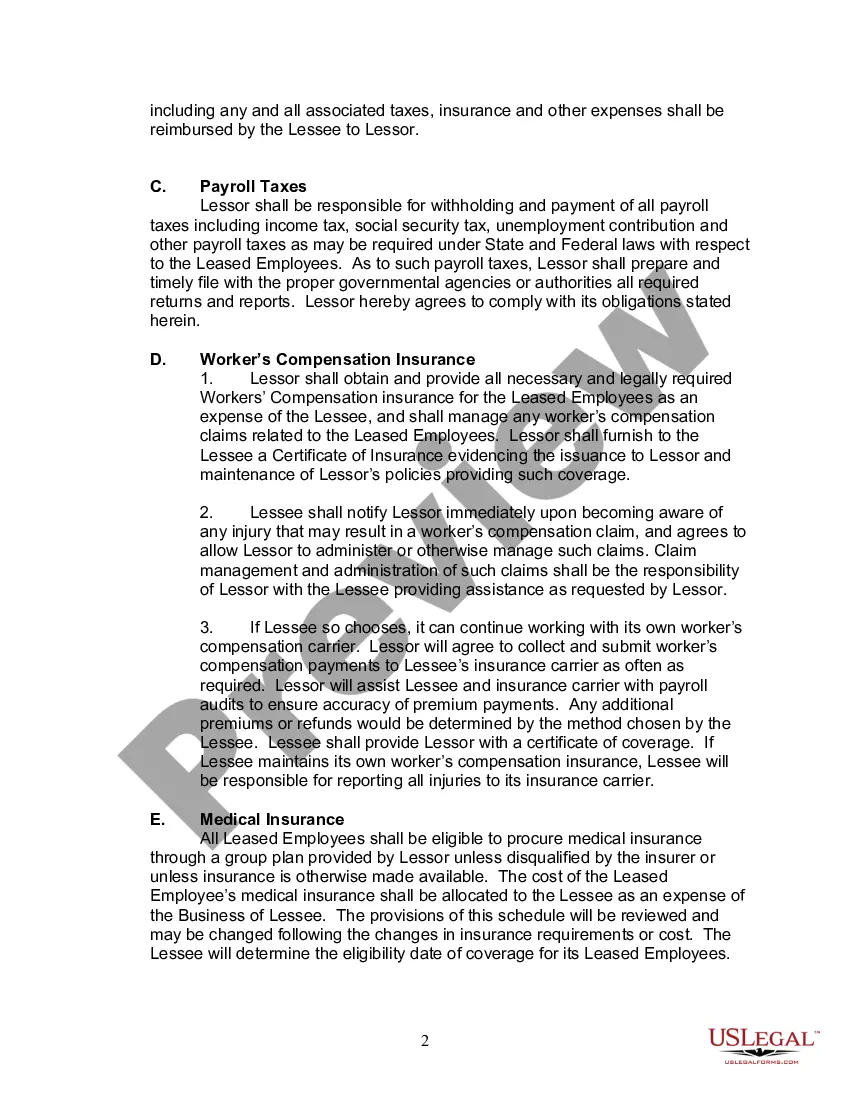
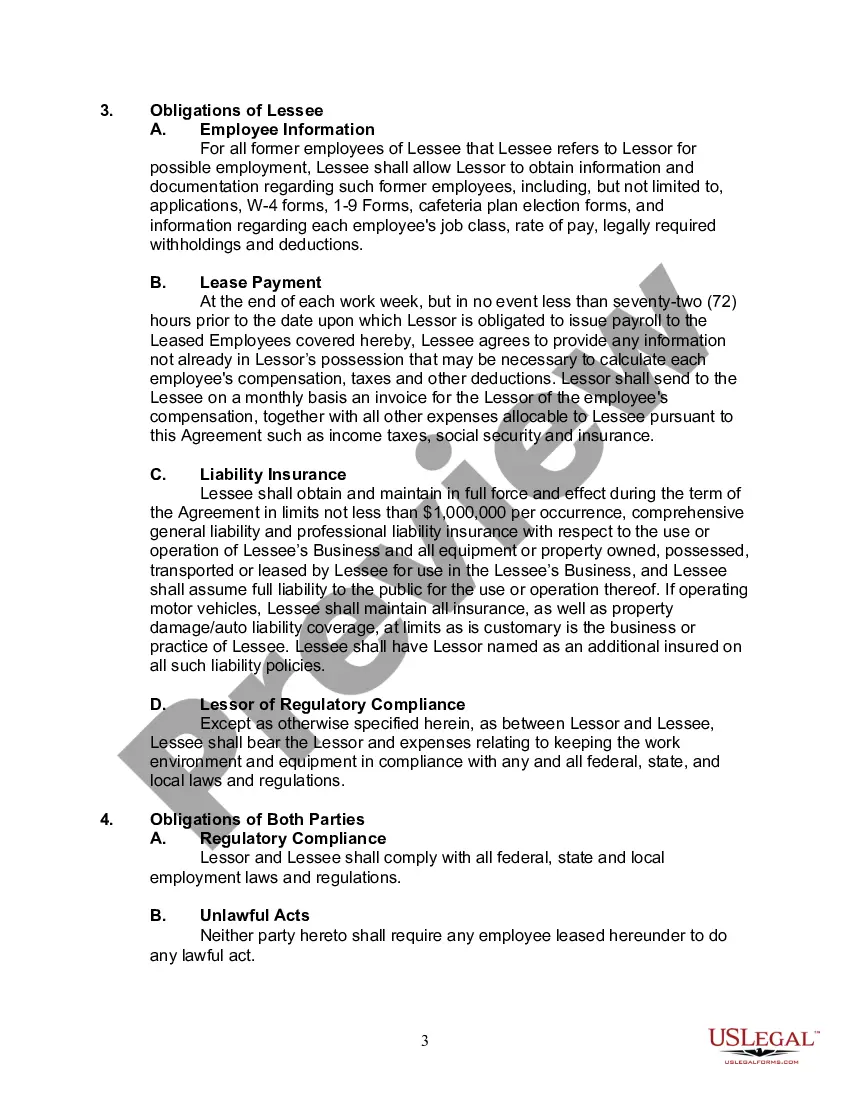
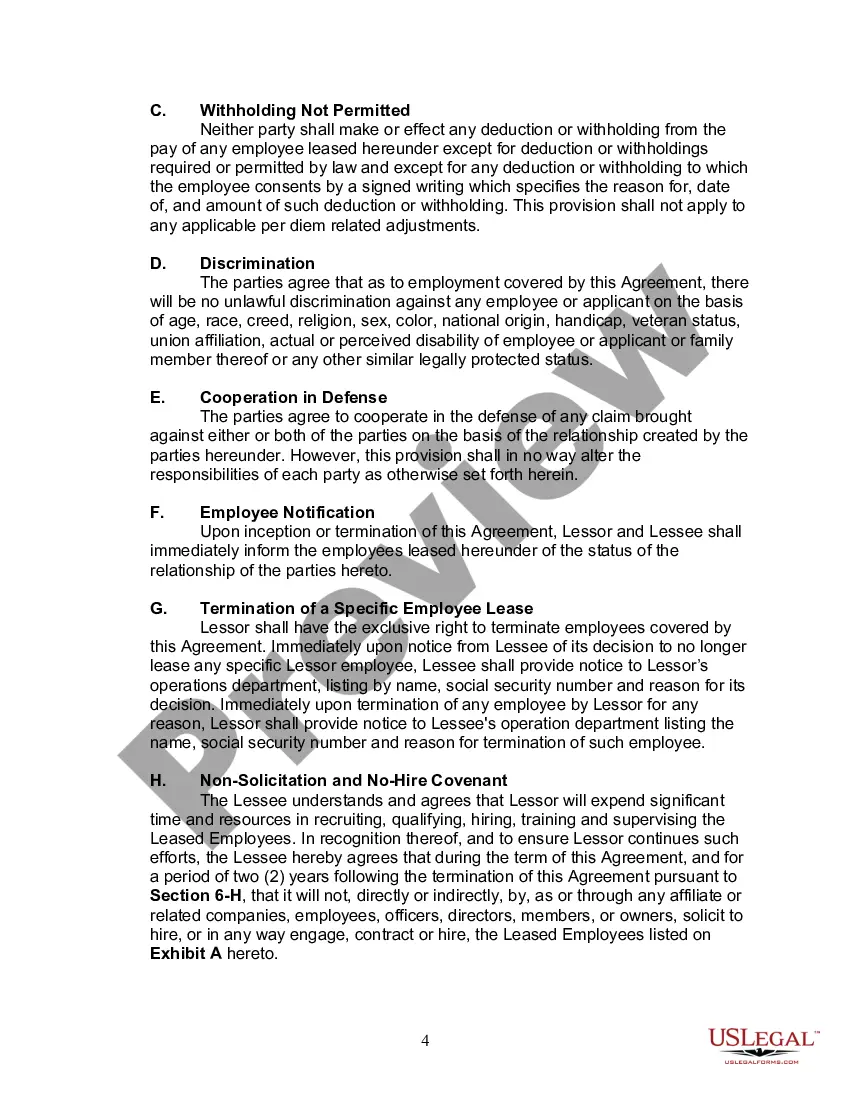
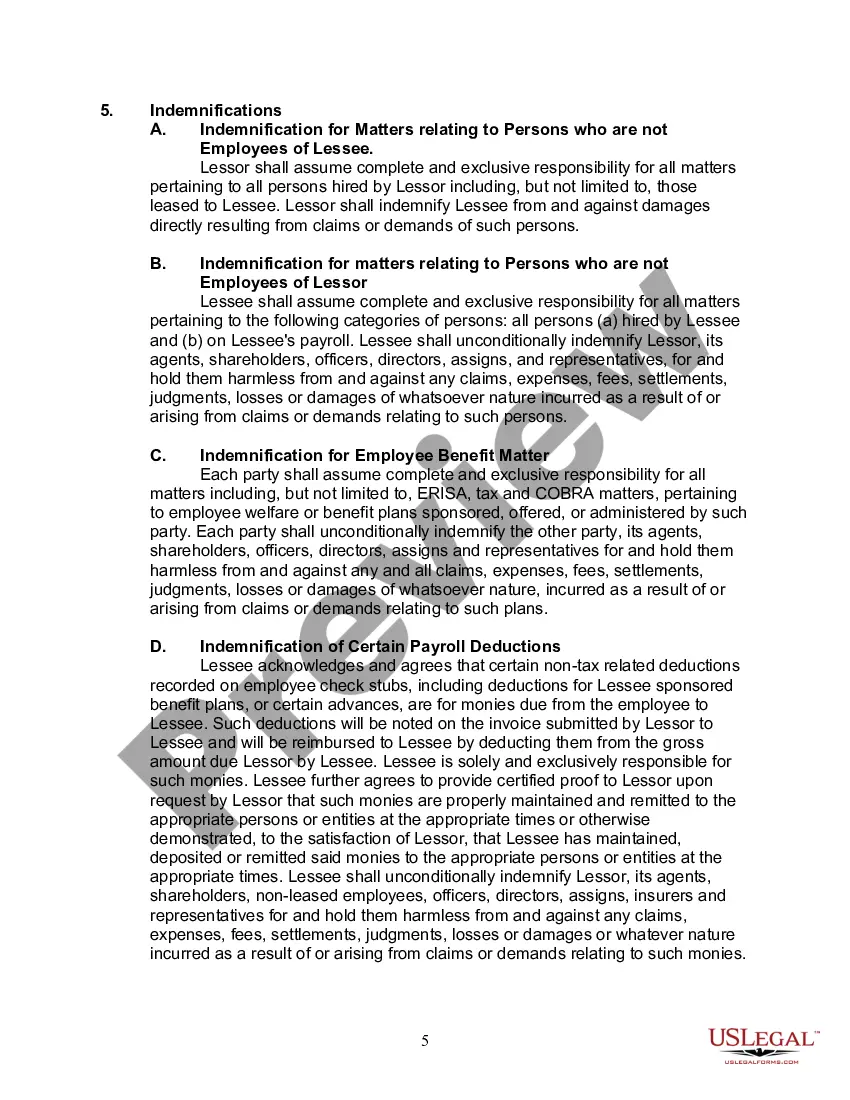
Get your form ready online
Our built-in tools help you complete, sign, share, and store your documents in one place.
Make edits, fill in missing information, and update formatting in US Legal Forms—just like you would in MS Word.
Download a copy, print it, send it by email, or mail it via USPS—whatever works best for your next step.
Sign and collect signatures with our SignNow integration. Send to multiple recipients, set reminders, and more. Go Premium to unlock E-Sign.
If this form requires notarization, complete it online through a secure video call—no need to meet a notary in person or wait for an appointment.
We protect your documents and personal data by following strict security and privacy standards.

Make edits, fill in missing information, and update formatting in US Legal Forms—just like you would in MS Word.

Download a copy, print it, send it by email, or mail it via USPS—whatever works best for your next step.

Sign and collect signatures with our SignNow integration. Send to multiple recipients, set reminders, and more. Go Premium to unlock E-Sign.

If this form requires notarization, complete it online through a secure video call—no need to meet a notary in person or wait for an appointment.

We protect your documents and personal data by following strict security and privacy standards.
Looking for another form?








Form popularity
FAQ
Pennsylvania New Hire Paperwork I-9 form for employee eligibility requirements. W-4 form for federal tax reporting. Pennsylvania New Hire Reporting form. Disability Self-Identification (required for companies doing business with the government) PA New Hire Reporting Form.
An employee write-up form should include the employee's full name and employee number, the time and date of the write-up and specific incidents, a detailed reason for the write-up, witness accounts confirming the misconduct, and references to company policies that were violated, along with consequences.
To document employee discipline, include the employee's name, the date of the write-up, clear reasons for the disciplinary action, the number of times the employee has been written up, details about the problem including evidence, and a deadline for corrective action. Then, have the employee sign and date the document.
You inform them that they need to control themselves as their behaviour is unacceptable. Write them up and give them a written warning. Both you and the employee should have copies of the written warnings. Be very specific in the documentation so there is no way it can be misinterpreted or misunderstood.
Use clear, concise language. Start with the date, employee's name, and designation. Clearly state the purpose of the letter and describe the behavioral or performance issue in detail, including dates and specific instances to support this. Use objective language and avoid emotional or subjective terms.
Avoid trying to interpret the employee's behavior. State the employee's specific behavior and actions, not your opinion or interpretation of it. In documentation, be sure to provide an accurate record of the conversation. Stick with the facts and write down just what you said and what the employee said.
To ensure that employee documentation is effective and legally defensible, employers should follow these eight best practices: Be clear. Stick to the facts. Keep it professional. Underscore expectations. Set a deadline for improvement. Talk face to face. Explain the consequences. Get the employee's signature.
An employee write-up form should include the employee's full name and employee number, the time and date of the write-up and specific incidents, a detailed reason for the write-up, witness accounts confirming the misconduct, and references to company policies that were violated, along with consequences.
What Is a Disciplinary Action Form? A disciplinary action form is used to document an employee's misconduct or a violation of company policy.
There are three possible forms of progressive discipline: letter of warning, suspension, or termination.
