Employment Lease Agreement With Tenant In Orange
Description
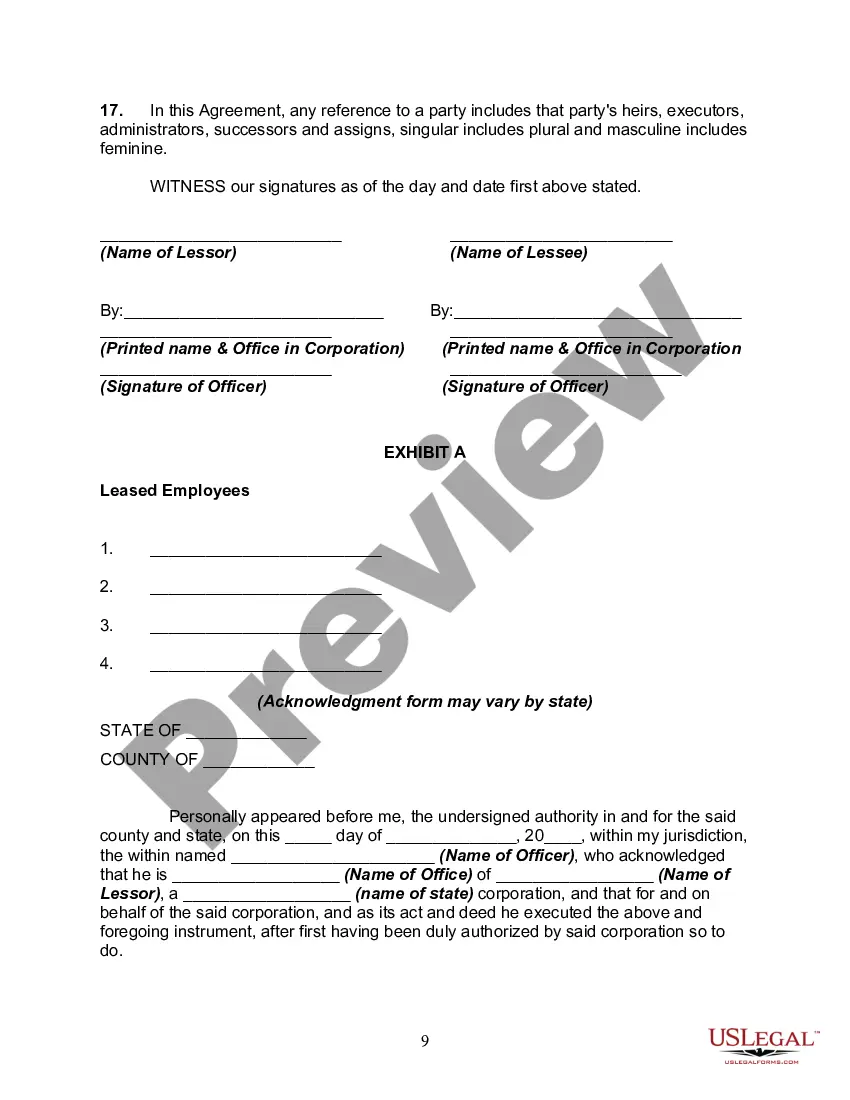
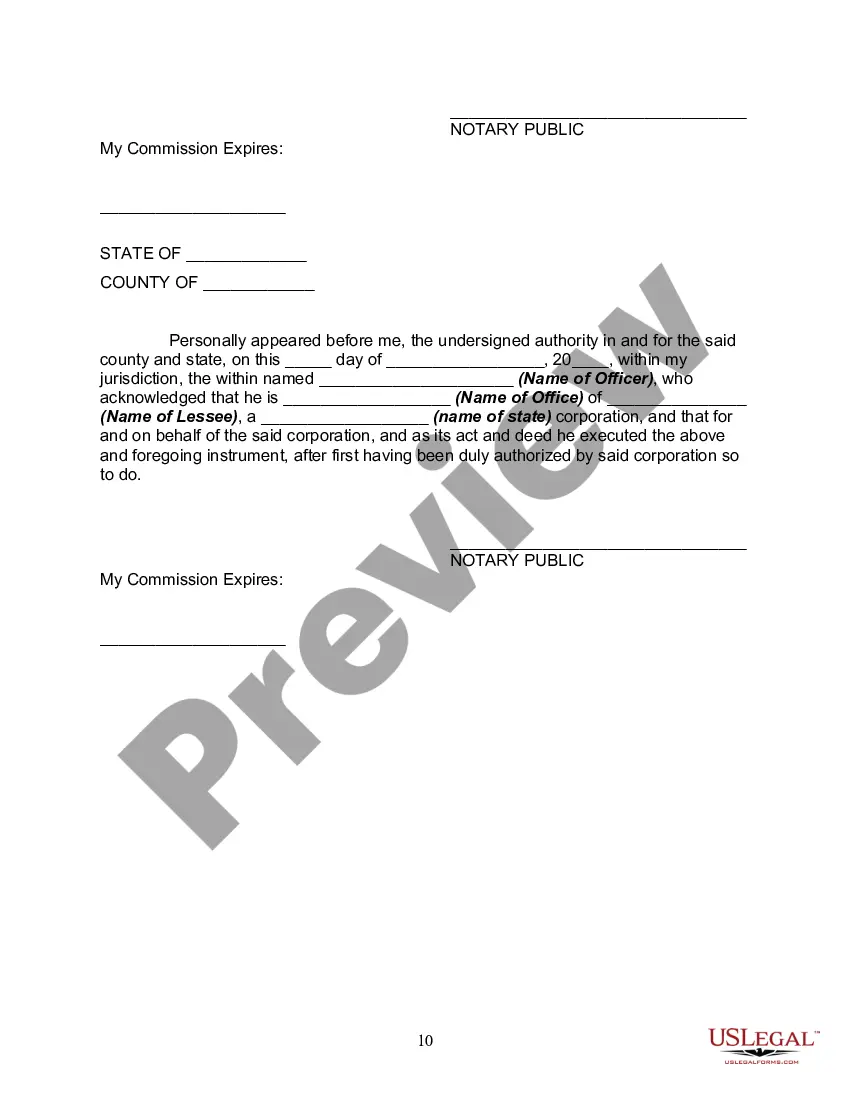
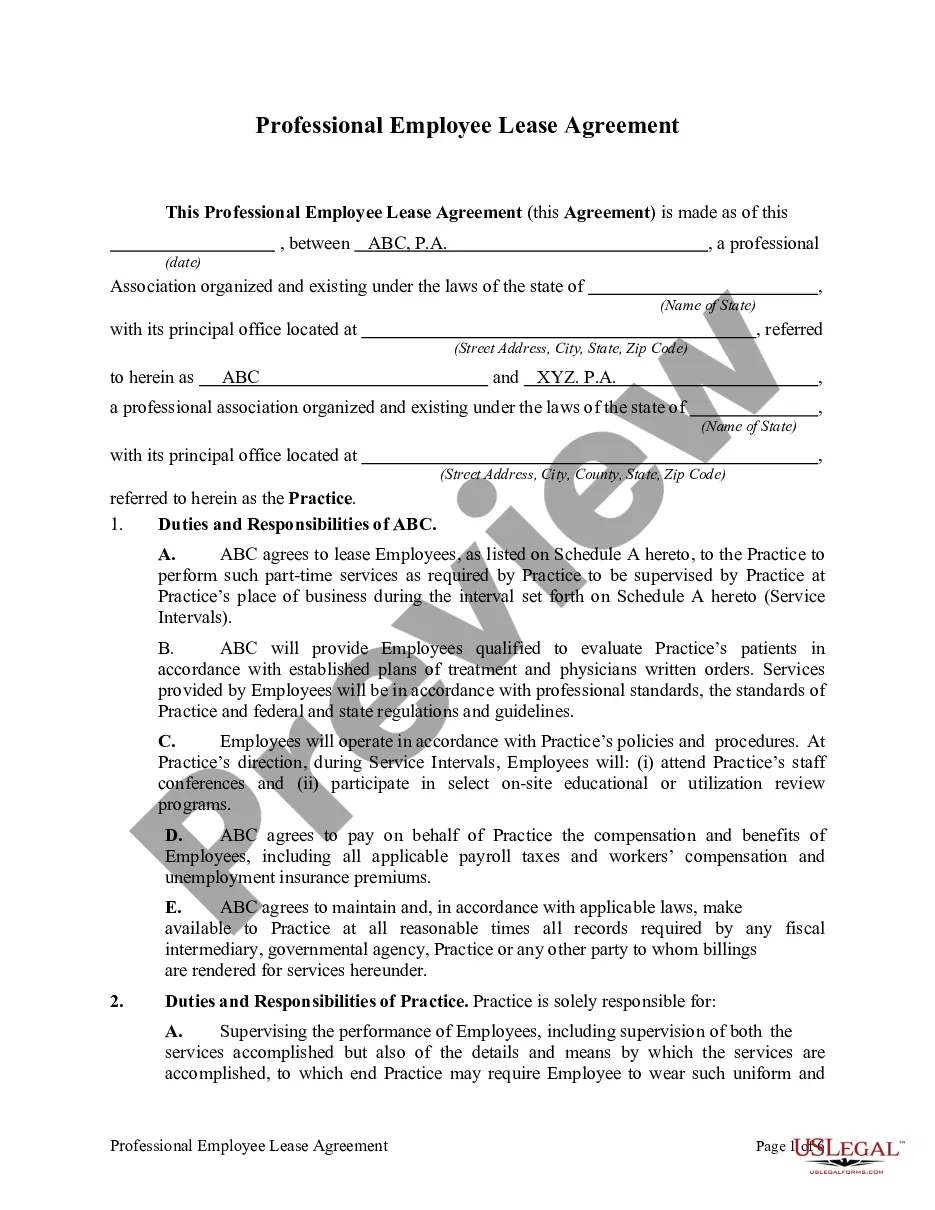
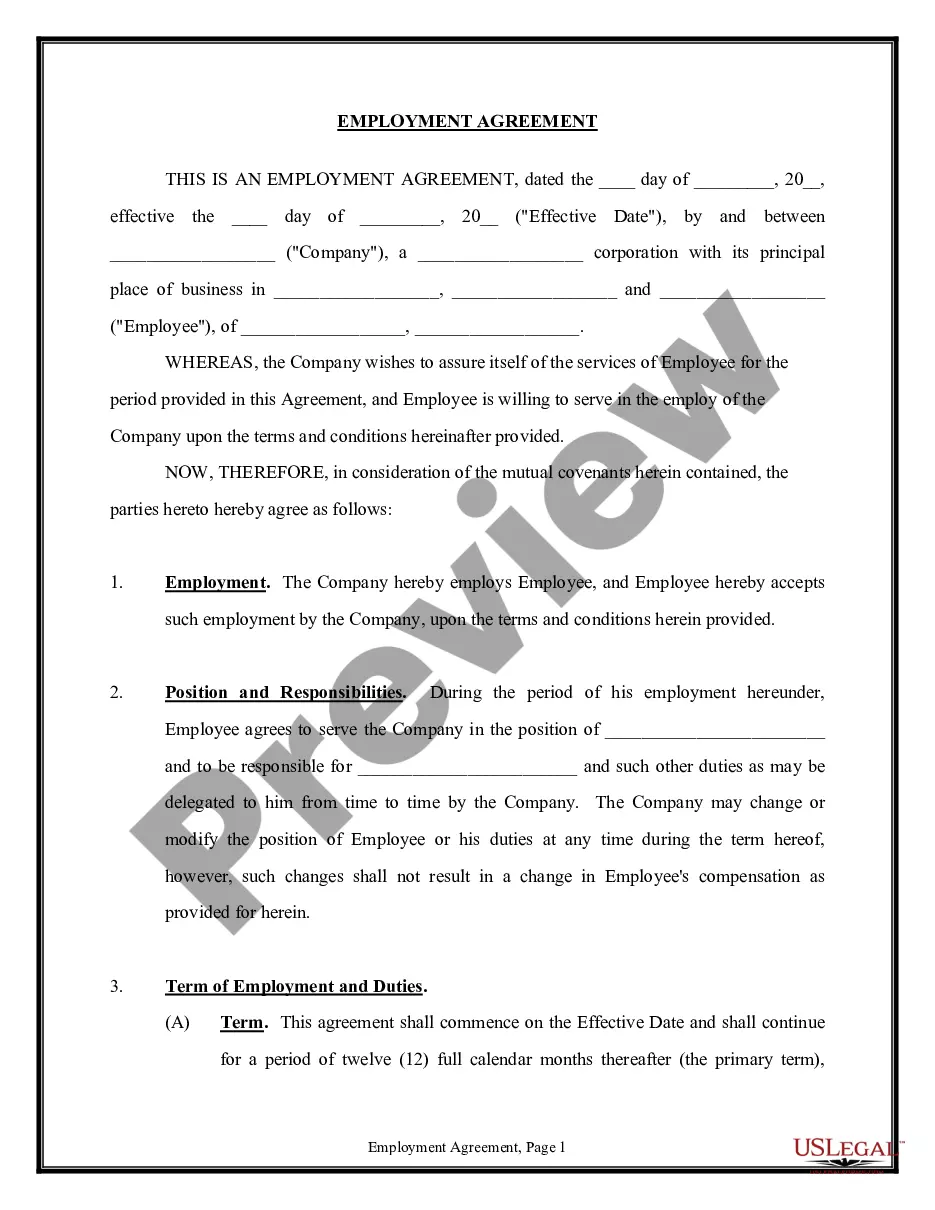
Get your form ready online
Our built-in tools help you complete, sign, share, and store your documents in one place.
Make edits, fill in missing information, and update formatting in US Legal Forms—just like you would in MS Word.
Download a copy, print it, send it by email, or mail it via USPS—whatever works best for your next step.
Sign and collect signatures with our SignNow integration. Send to multiple recipients, set reminders, and more. Go Premium to unlock E-Sign.
If this form requires notarization, complete it online through a secure video call—no need to meet a notary in person or wait for an appointment.
We protect your documents and personal data by following strict security and privacy standards.

Make edits, fill in missing information, and update formatting in US Legal Forms—just like you would in MS Word.

Download a copy, print it, send it by email, or mail it via USPS—whatever works best for your next step.

Sign and collect signatures with our SignNow integration. Send to multiple recipients, set reminders, and more. Go Premium to unlock E-Sign.

If this form requires notarization, complete it online through a secure video call—no need to meet a notary in person or wait for an appointment.

We protect your documents and personal data by following strict security and privacy standards.
Looking for another form?
Form popularity
FAQ
Under New York State's Rent Regulation Laws, harassment is defined as conduct by a landlord that directly or indirectly interferes with, or is intended to interfere with, your privacy, comfort, and enjoyment of your dwelling.
Generally no. However, a landlord may enter a tenant's apartment in some situations. Your landlord can enter your apartment at any time and without notice in an emergency, and at a reasonable time after providing appropriate notice if the entry is either: To provide necessary or agreed upon repairs or services, or.
Yes, the landlord can evict him AND you for violation of the lease agreement.
Ing to precedent set by the Zwerin v. Geiss ruling in 1963, for inspections and showings, your landlord must give you at least 24 hours' notice before arriving, and for repairs they must give at least 1 week's notice.
No, a tenant cannot refuse viewings in New York as long as landlords provide enough notice to the current tenant.
Fixed-Term Leases: Tenants typically do not need to provide notice when the lease term expires, as the agreement automatically ends unless otherwise specified. However, for early termination, tenants should provide as much notice as possible—typically 30 days or more—unless the lease specifies otherwise.
Generally no. However, a landlord may enter a tenant's apartment in some situations. Your landlord can enter your apartment at any time and without notice in an emergency, and at a reasonable time after providing appropriate notice if the entry is either: To provide necessary or agreed upon repairs or services, or.
Steps to Add a Tenant to an Existing Lease Acquire a Written Request to Add a Tenant. Check the Unit's Occupancy Limit. Require a Completed Rental Application. Screen and Approve/Deny the New Tenant. Review the Details With Each Tenant.
California: Guests become tenants when they stay for over 14 days within six months, or seven nights in a row. Colorado: Guests become tenants after staying for over 14 days within six months. Connecticut: Guests become tenants after staying for over 14 days within six months.
Loss of Employment, Change of Employment, Job Transfer, Death in the immediate family, Long Term Illness, Partner or Roommate Breakup, or maybe even Lack of Maintenance by the owner, No Heat or Air Conditioning, Horrible Neighbors, or any other reason imaginable. The actual reason is secondary to the situation.