Employee Lease Addendum For Tenant In Ohio
Description

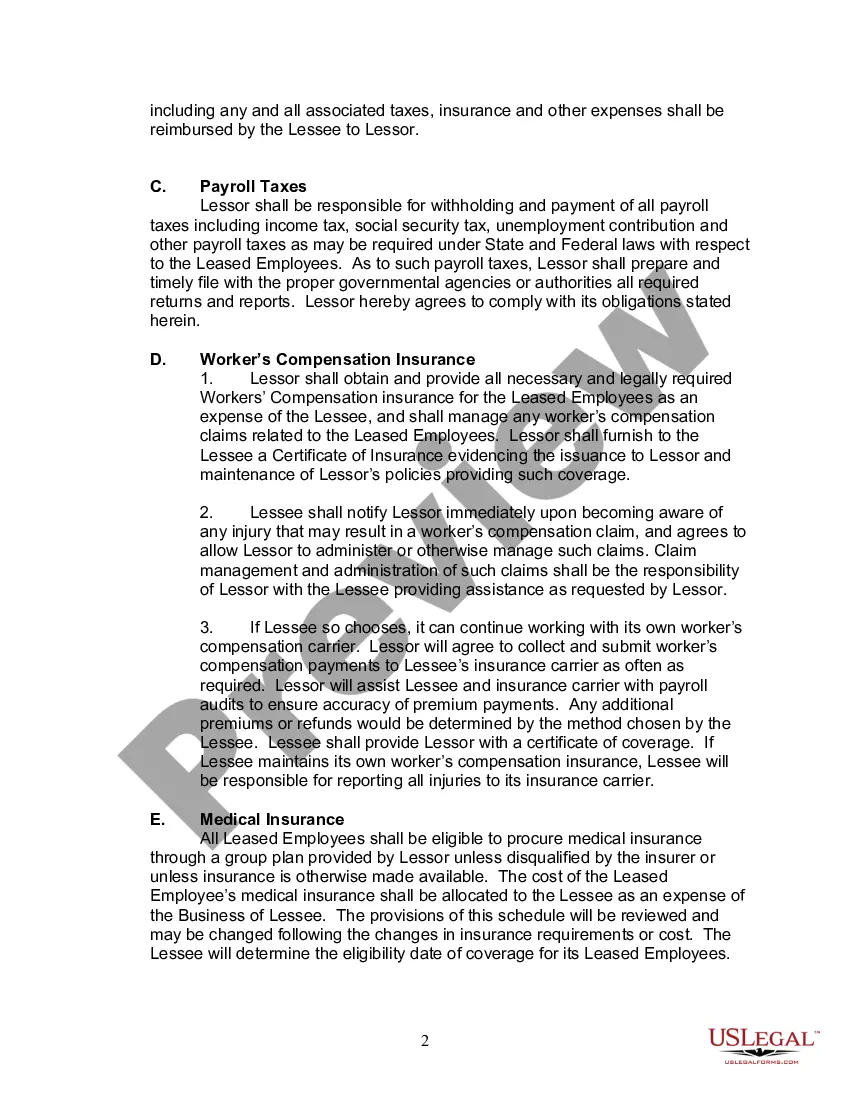
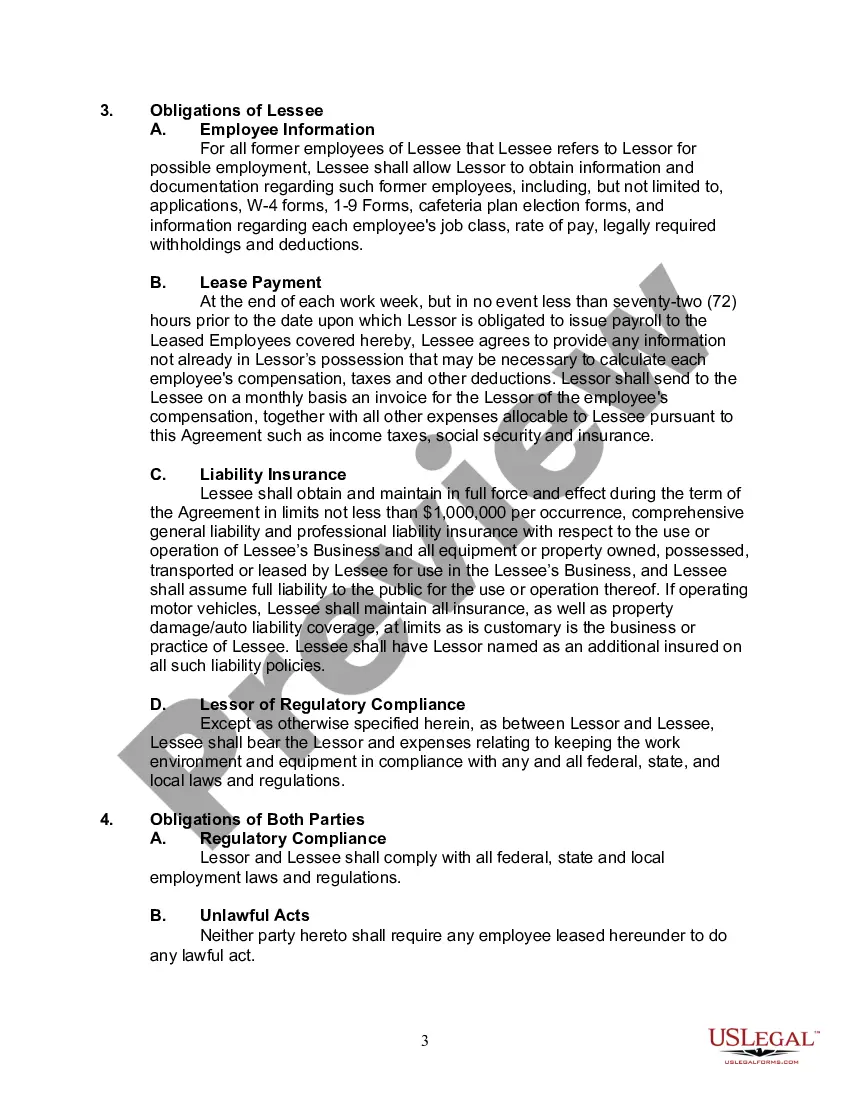
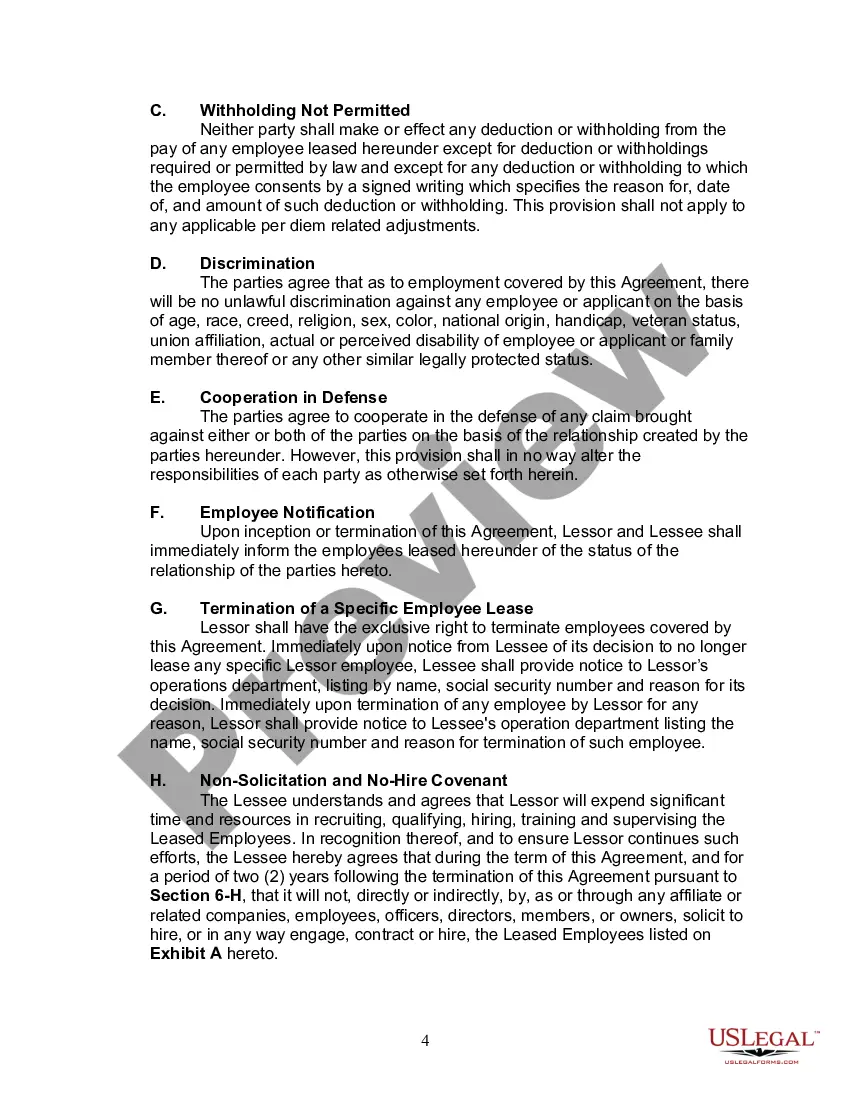
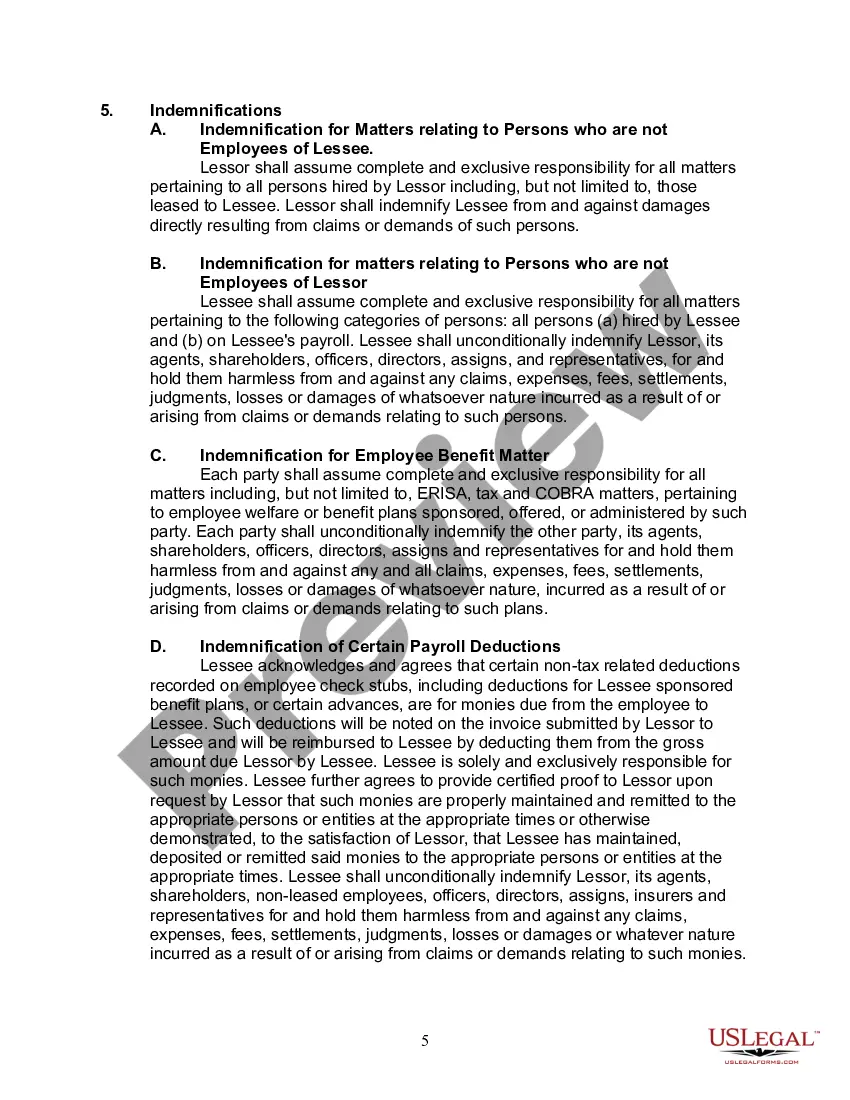
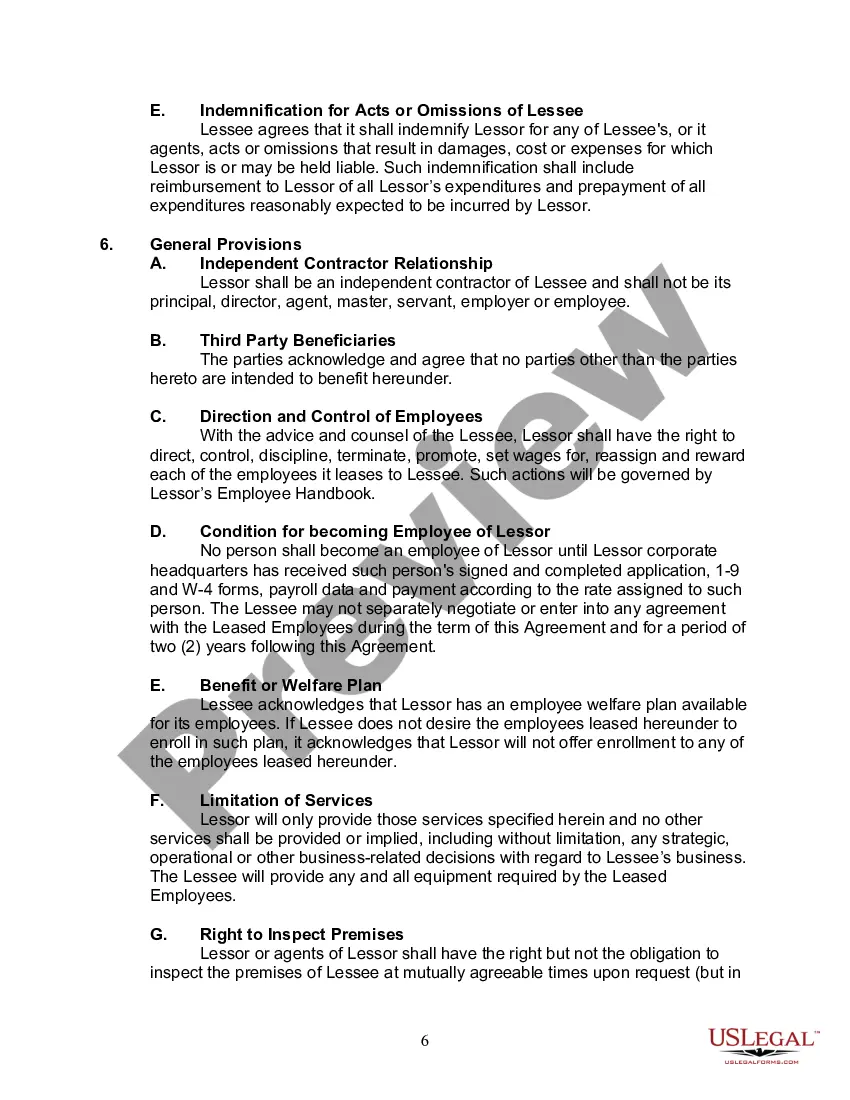
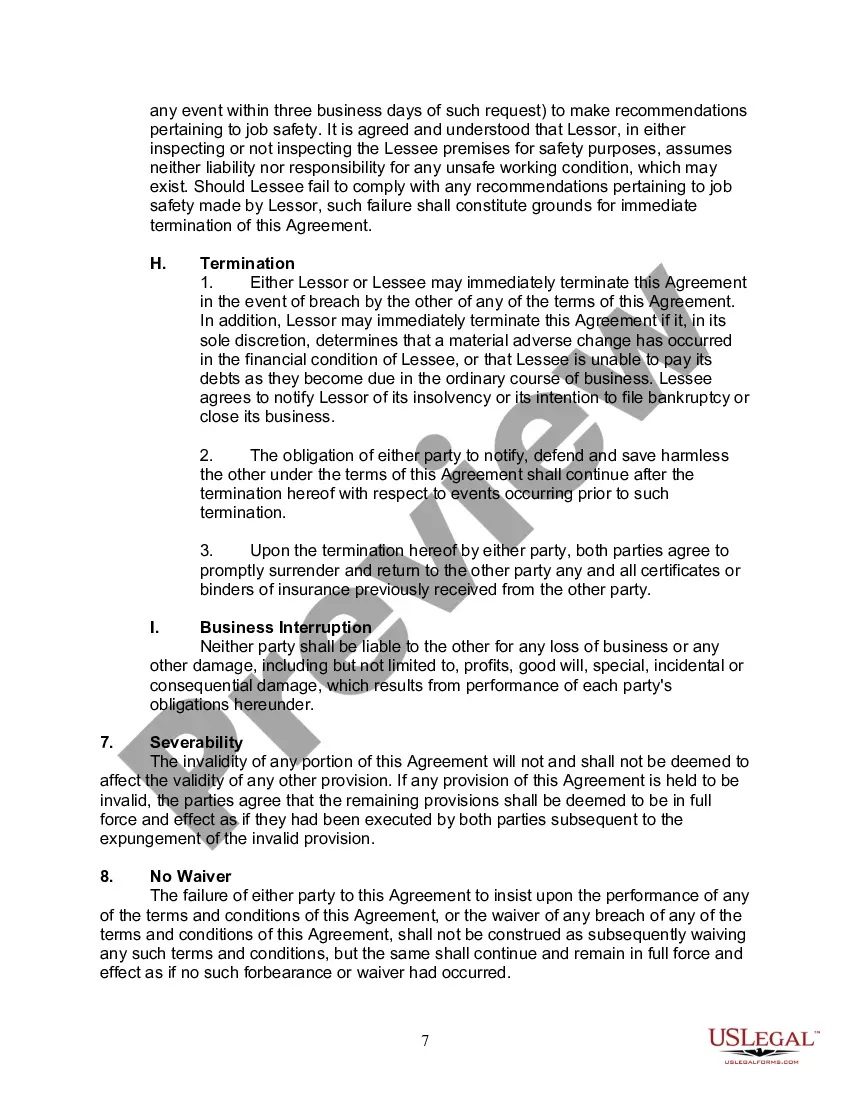
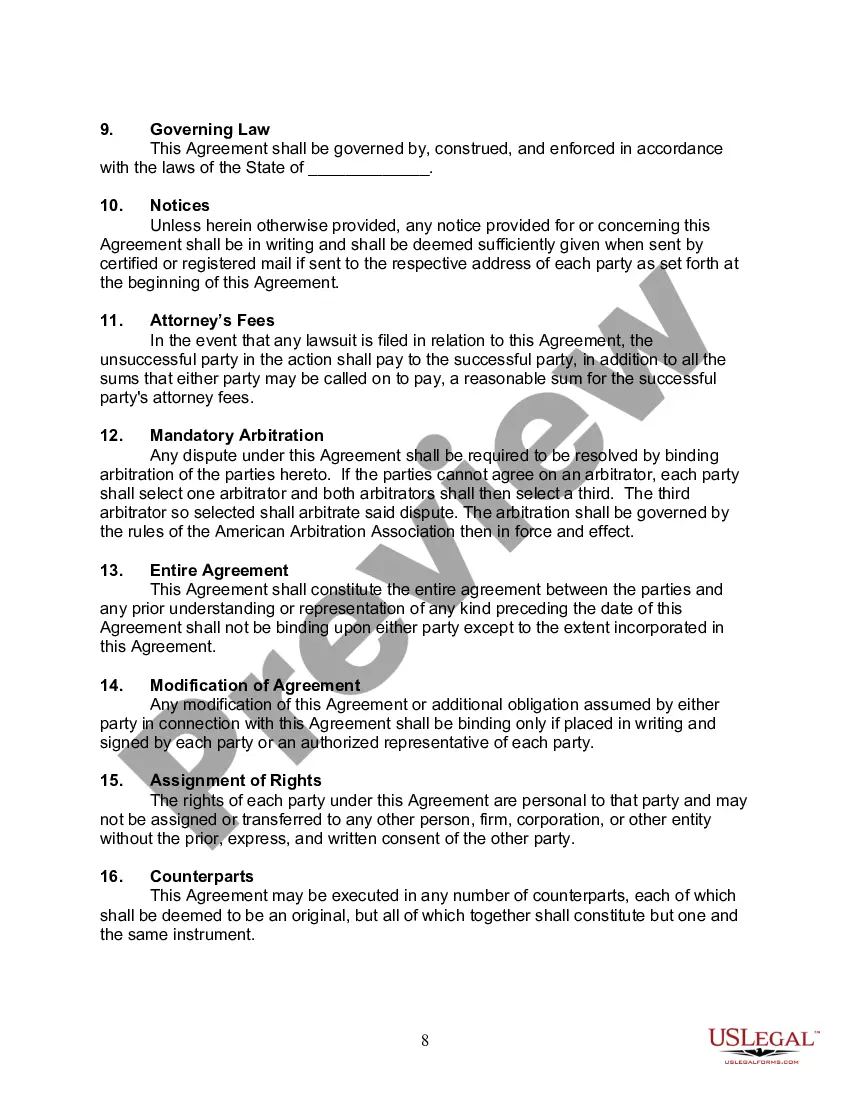
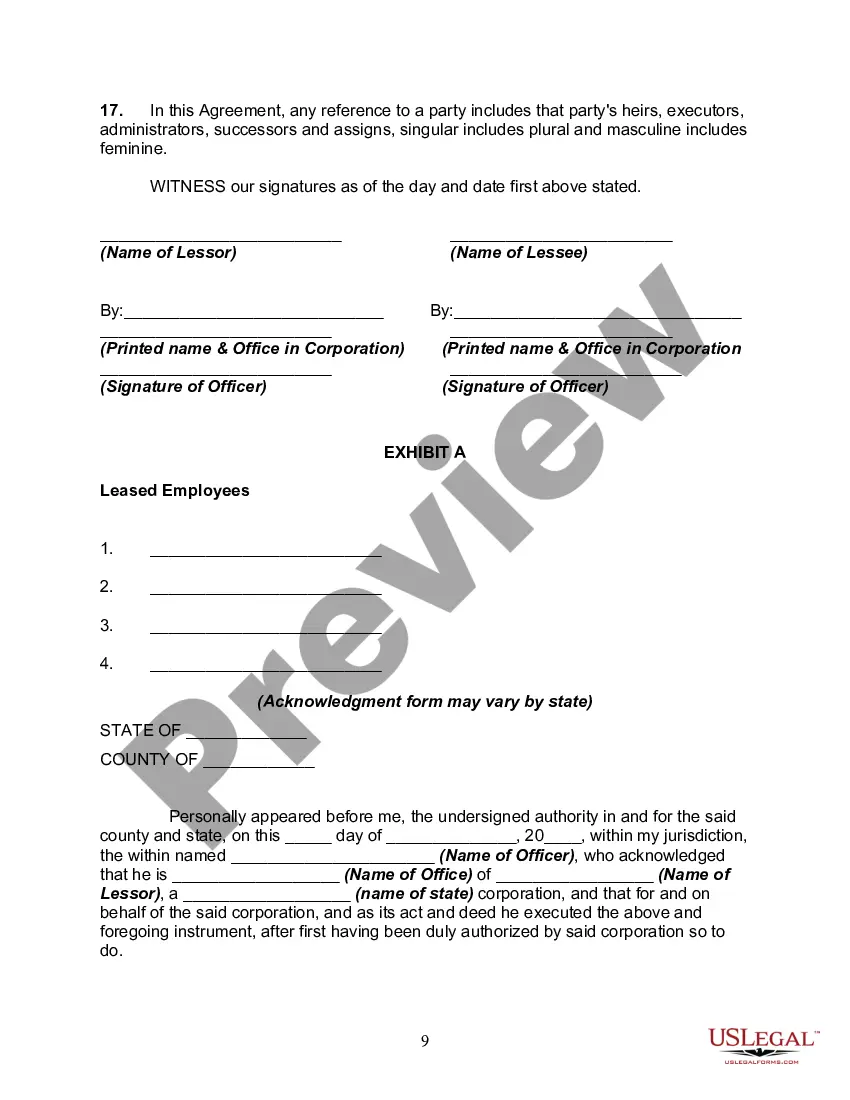
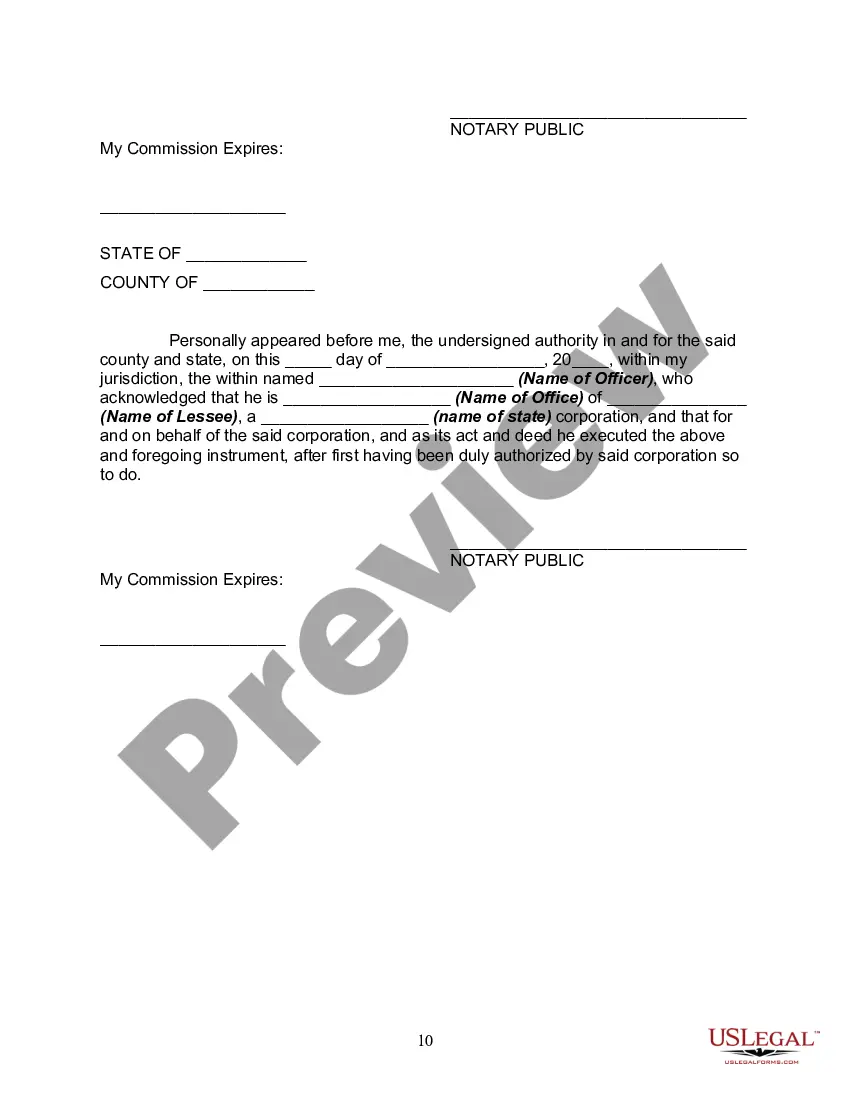
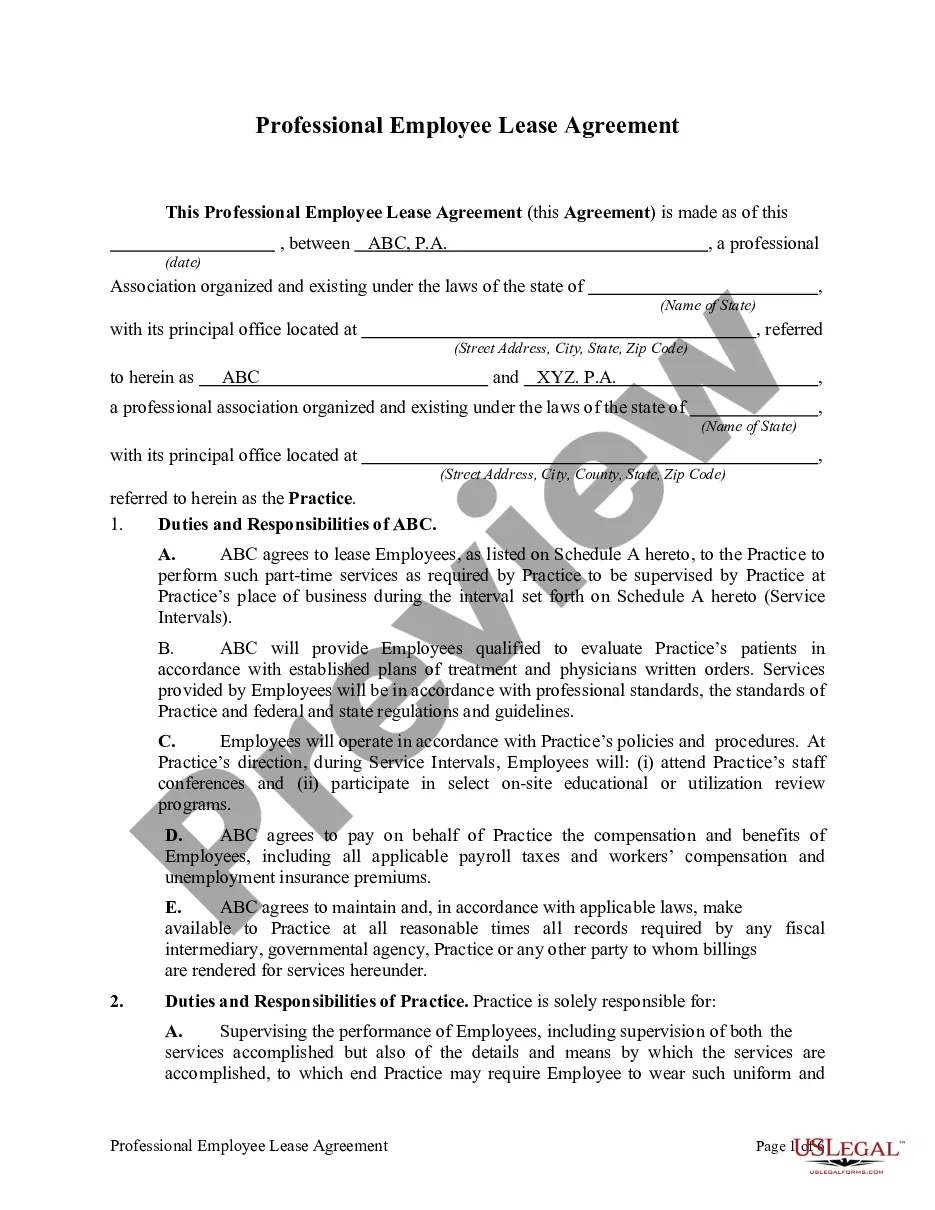
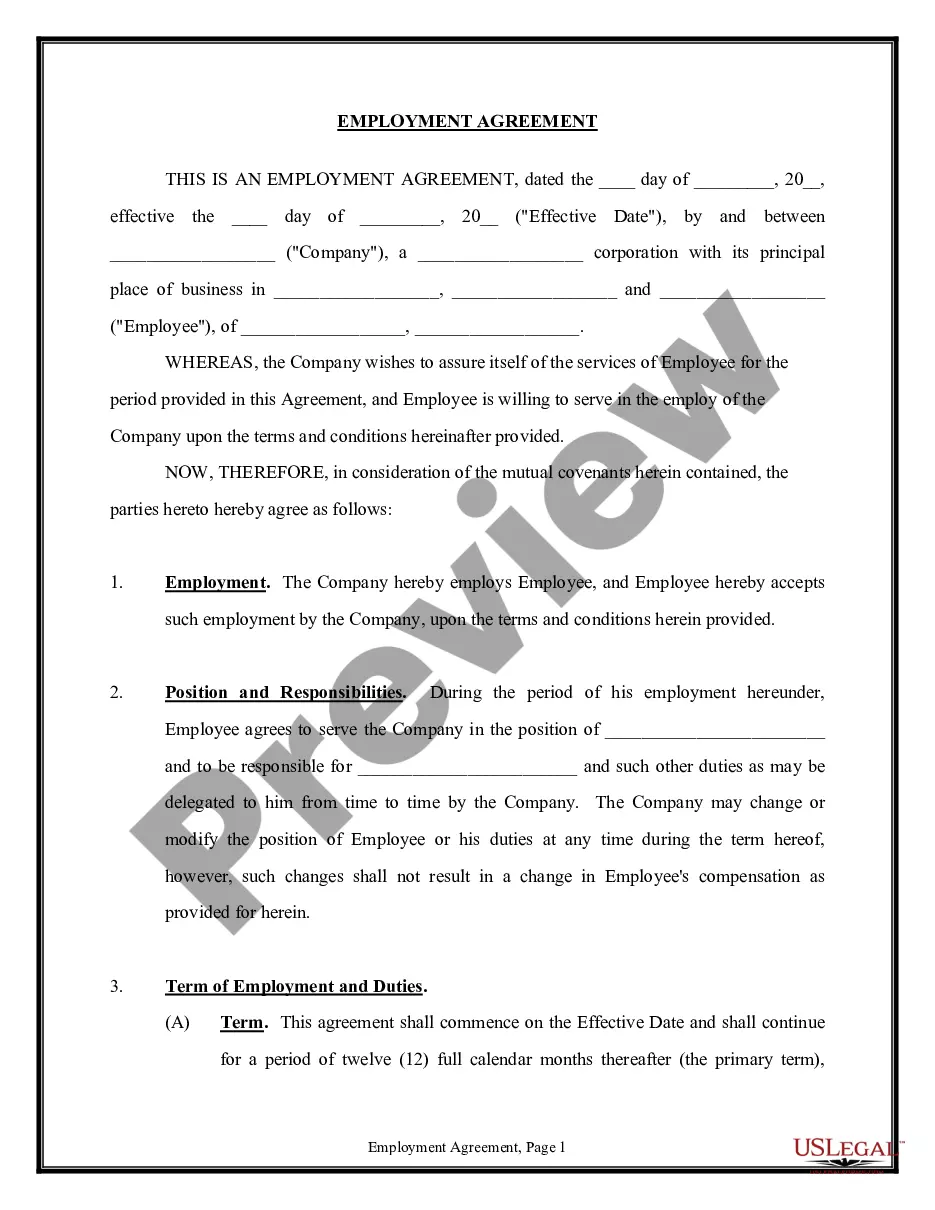
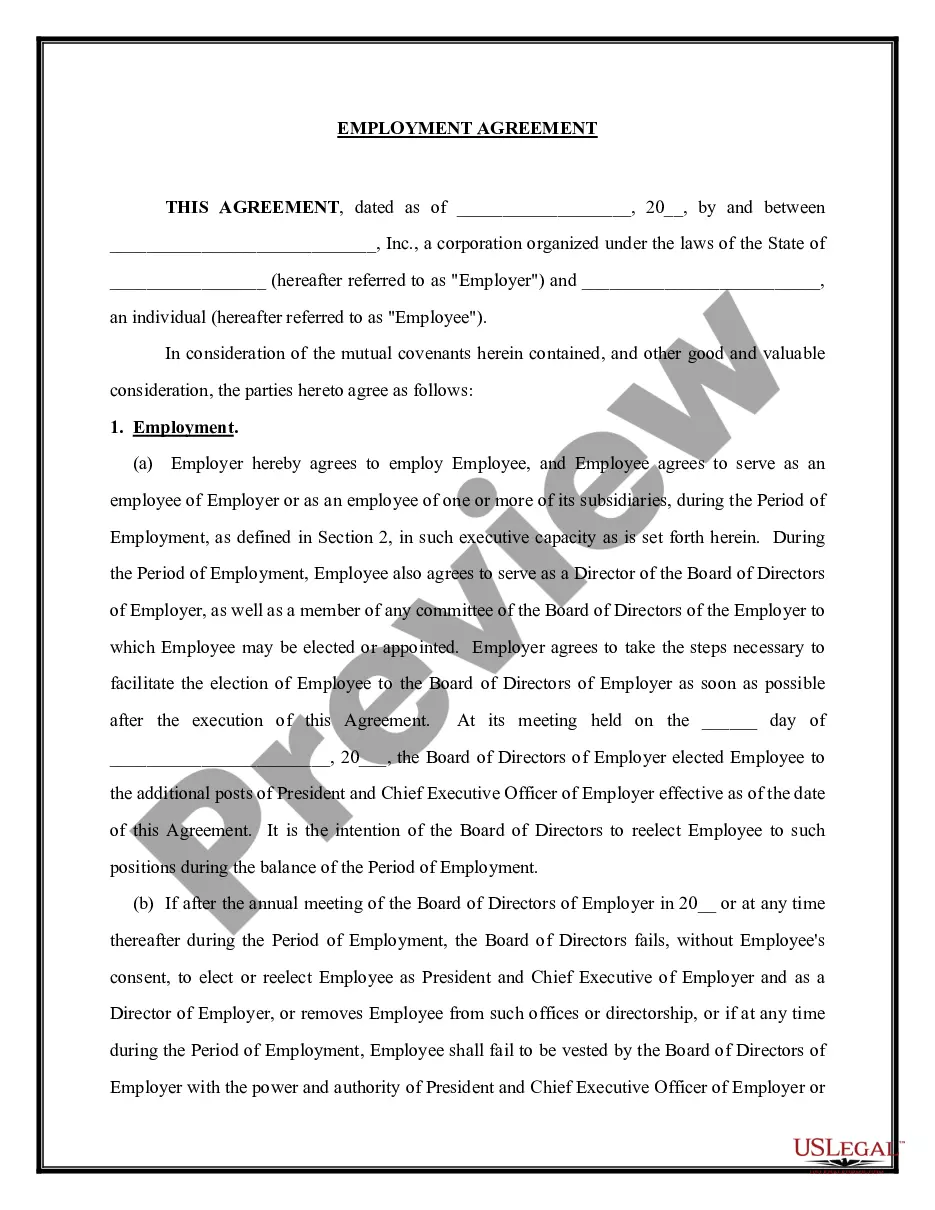
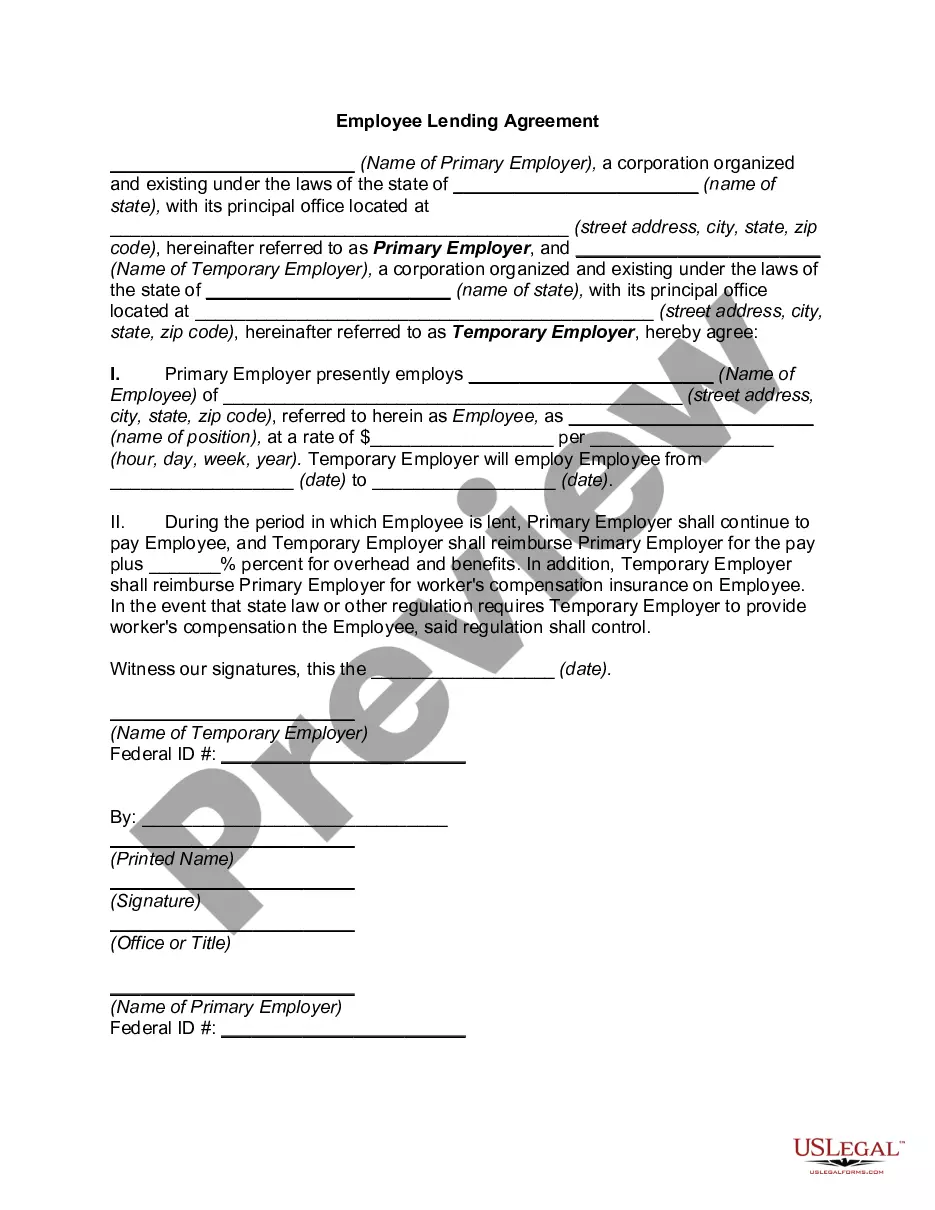
Get your form ready online
Our built-in tools help you complete, sign, share, and store your documents in one place.
Make edits, fill in missing information, and update formatting in US Legal Forms—just like you would in MS Word.
Download a copy, print it, send it by email, or mail it via USPS—whatever works best for your next step.
Sign and collect signatures with our SignNow integration. Send to multiple recipients, set reminders, and more. Go Premium to unlock E-Sign.
If this form requires notarization, complete it online through a secure video call—no need to meet a notary in person or wait for an appointment.
We protect your documents and personal data by following strict security and privacy standards.

Make edits, fill in missing information, and update formatting in US Legal Forms—just like you would in MS Word.

Download a copy, print it, send it by email, or mail it via USPS—whatever works best for your next step.

Sign and collect signatures with our SignNow integration. Send to multiple recipients, set reminders, and more. Go Premium to unlock E-Sign.

If this form requires notarization, complete it online through a secure video call—no need to meet a notary in person or wait for an appointment.

We protect your documents and personal data by following strict security and privacy standards.
Looking for another form?
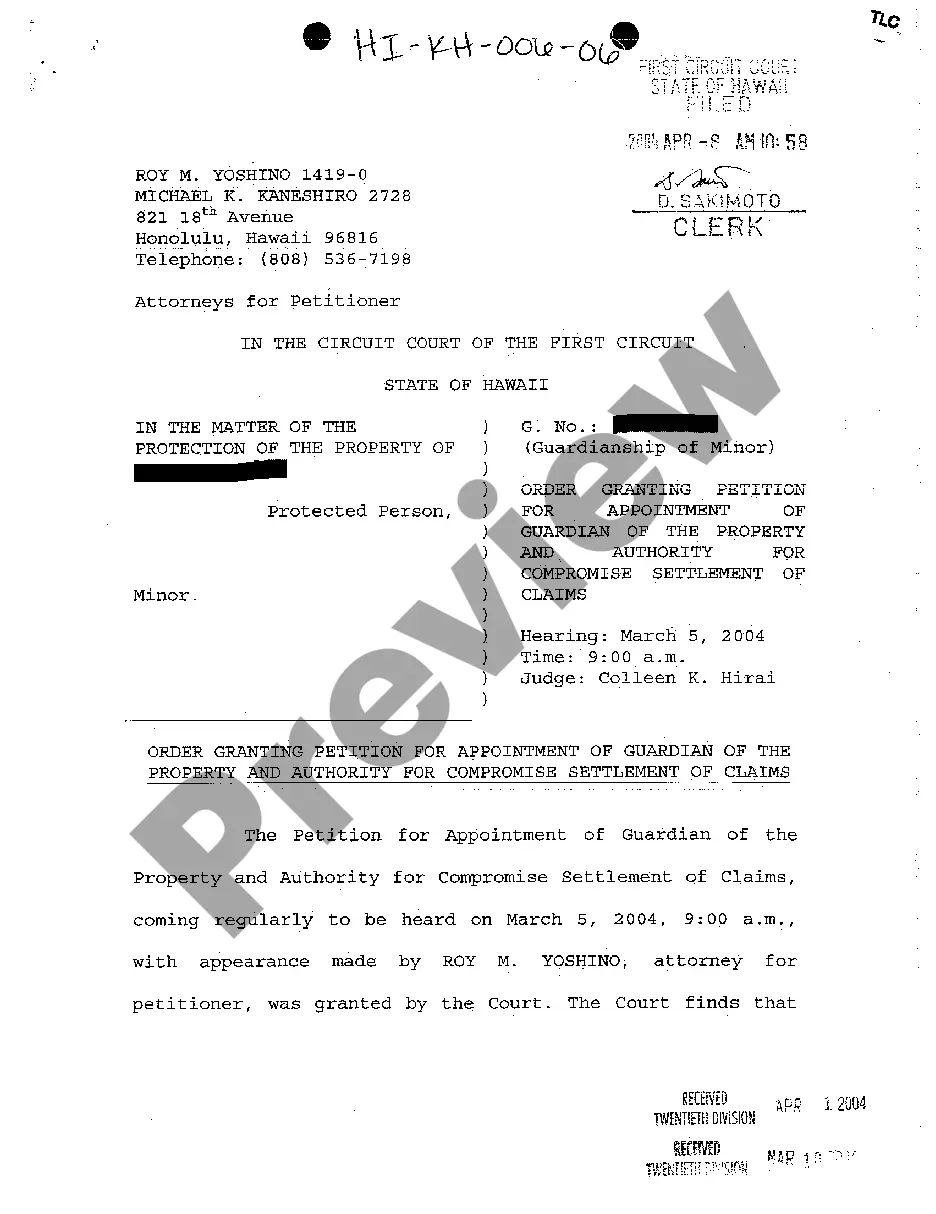






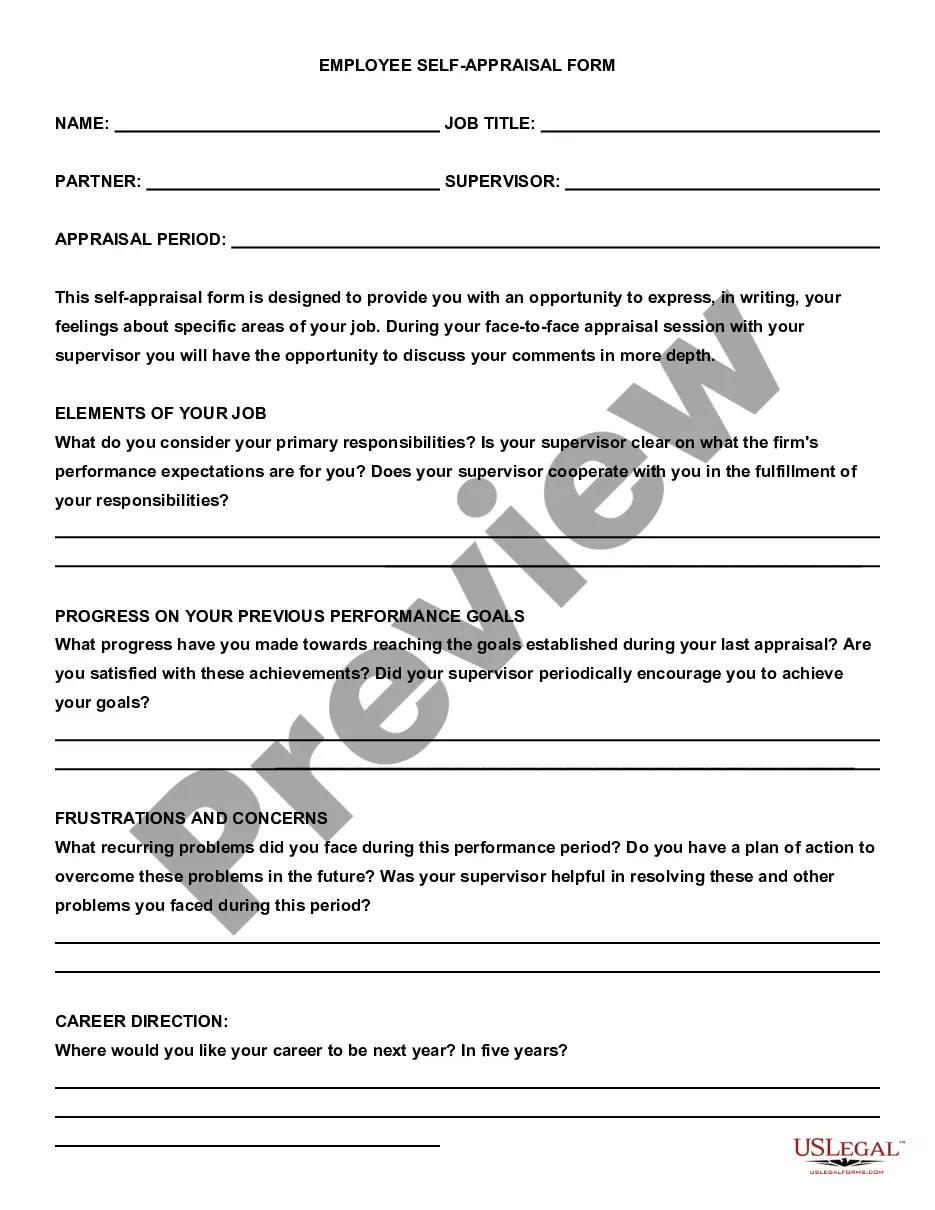

Form popularity
FAQ
How to Amend a Lease (3 steps) Speak with the Other Party. Whether you are the landlord or the tenant, the party seeking to change the lease will need to properly communicate their intentions with the other party. Write the Amendment. Get Signed.
Steps to Add a Tenant to an Existing Lease Acquire a Written Request to Add a Tenant. Check the Unit's Occupancy Limit. Require a Completed Rental Application. Screen and Approve/Deny the New Tenant. Review the Details With Each Tenant.
All you can do is ask the landlord, that pursuant to your lease, you'd like to add someone to the lease, and then the landlord can offer a new lease or not. And if the LL does offer it, it's up to you whether you want to accept it or not.
If the landlord agrees to add someone's name to a lease, it can be considered a “vacancy lease” even though no one is moving in or out and could result in a possible risk of losing any “preferential rent” agreement with the landlord. Tenants may wish to consult an experienced tenant lawyer before signing a new lease.
Most leases prohibit people not listed on the lease living there. The landlord may or may not be willing to add your girlfriend to the lease but without her being on the lease while still living there, you are probably in breach of your lease and presumably are subject to being evicted if she does not leave.
Sure thing! If you want to add a roommate to your lease after you've already signed it, it's usually possible, but you'll need to get the green light from your landlord first.
In most cases, both addendums and amendments are considered part of the original contract once they're signed by all parties. That means they're just as legally binding as the original agreement. However, there are some situations where an amendment might supersede an addendum.
Lease addendums are used to provide additional information that the original lease does not cover.” In other words, a lease addendum allows you to add an additional document to or adjust the terms of your existing rental agreement.
The landlord must agree to the lease transfer and usually records their consent to it via a document called a “license to assign.” The landlord is generally required to give what's called “reasonable consent” when deciding whether to allow a tenant to assign a lease or find a new tenant to sublease the property.
Steps to Add a Tenant to an Existing Lease Acquire a Written Request to Add a Tenant. Check the Unit's Occupancy Limit. Require a Completed Rental Application. Screen and Approve/Deny the New Tenant. Review the Details With Each Tenant.
