Employee Form Documentation For Behavior In Ohio
Description

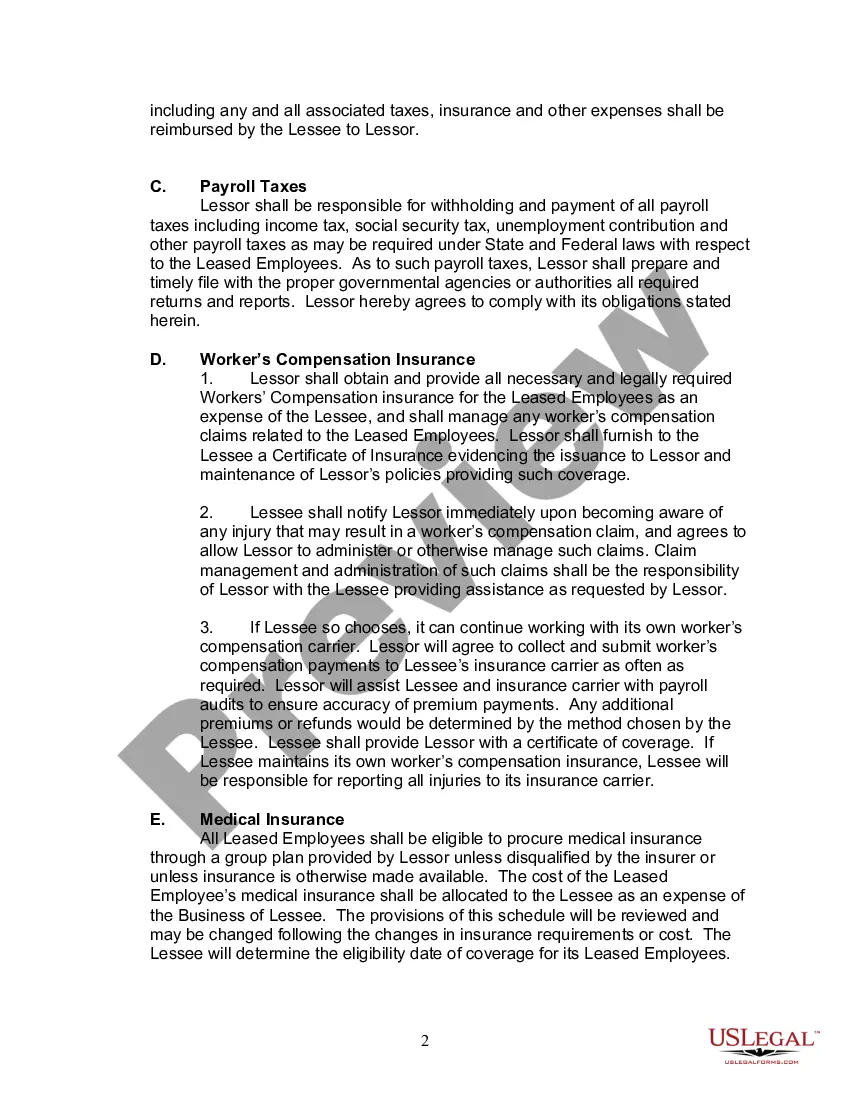
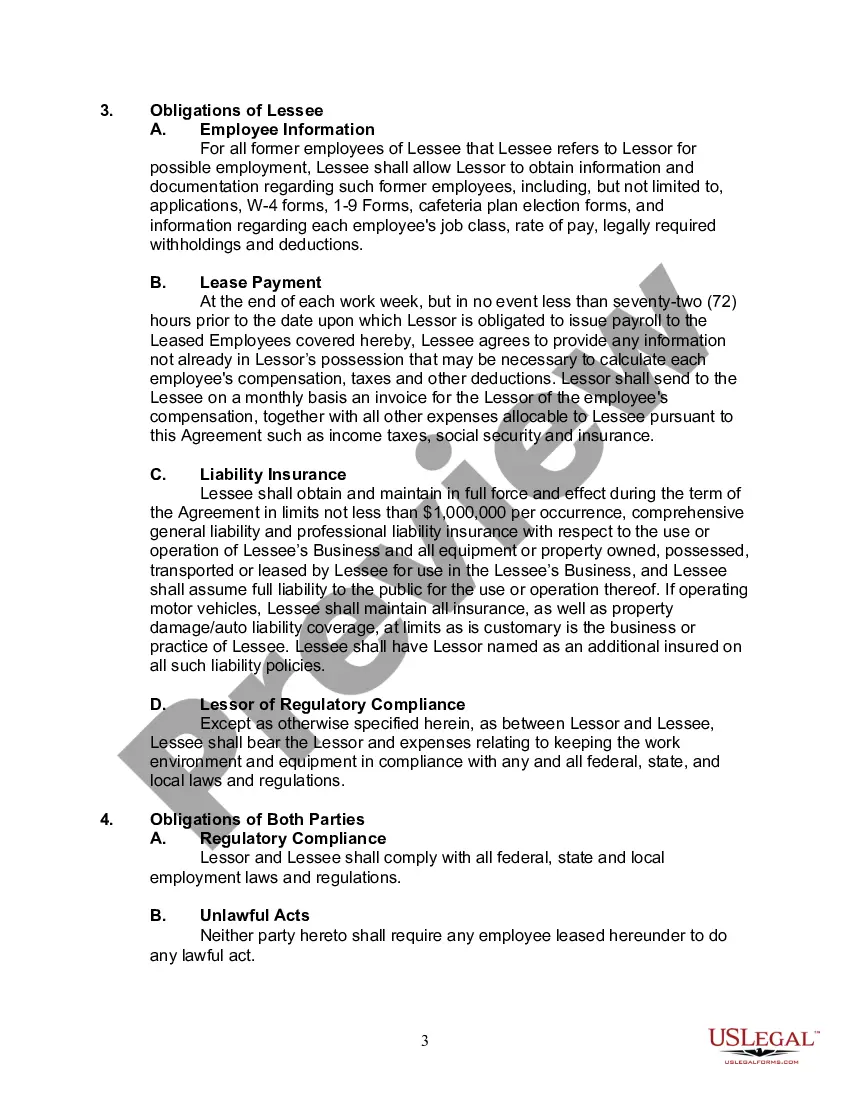
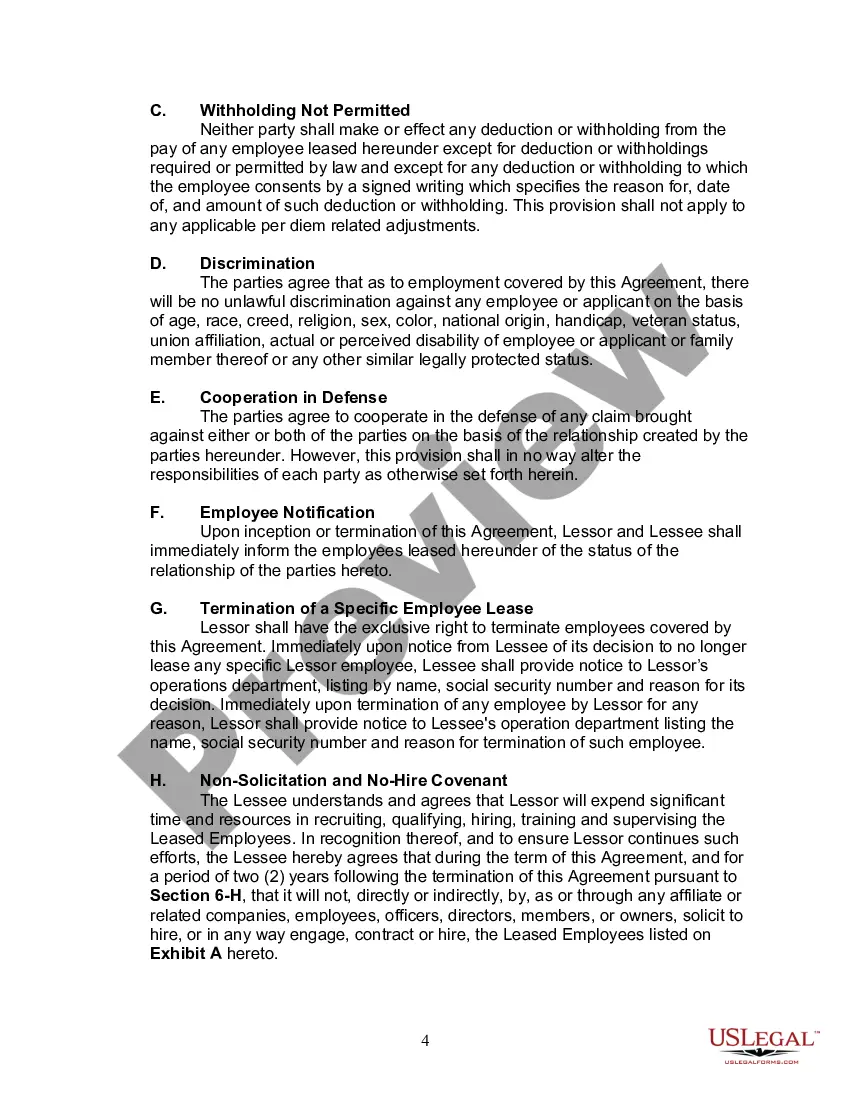
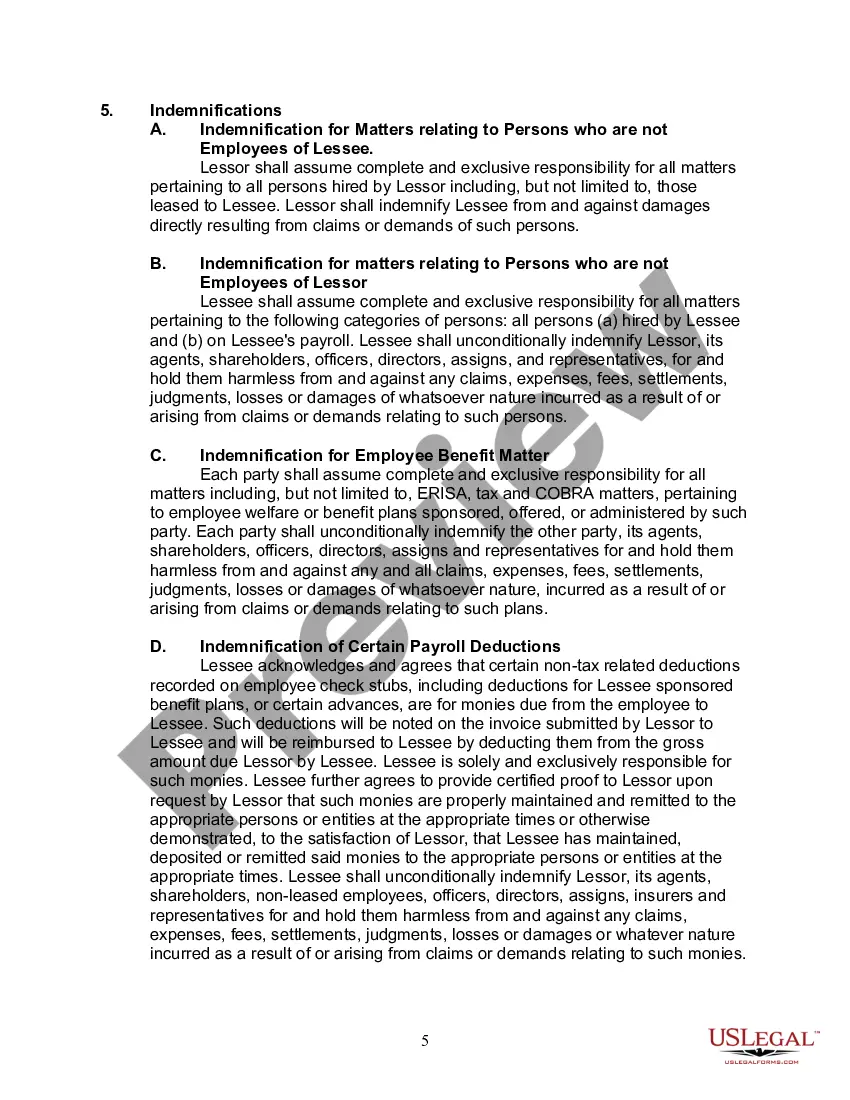
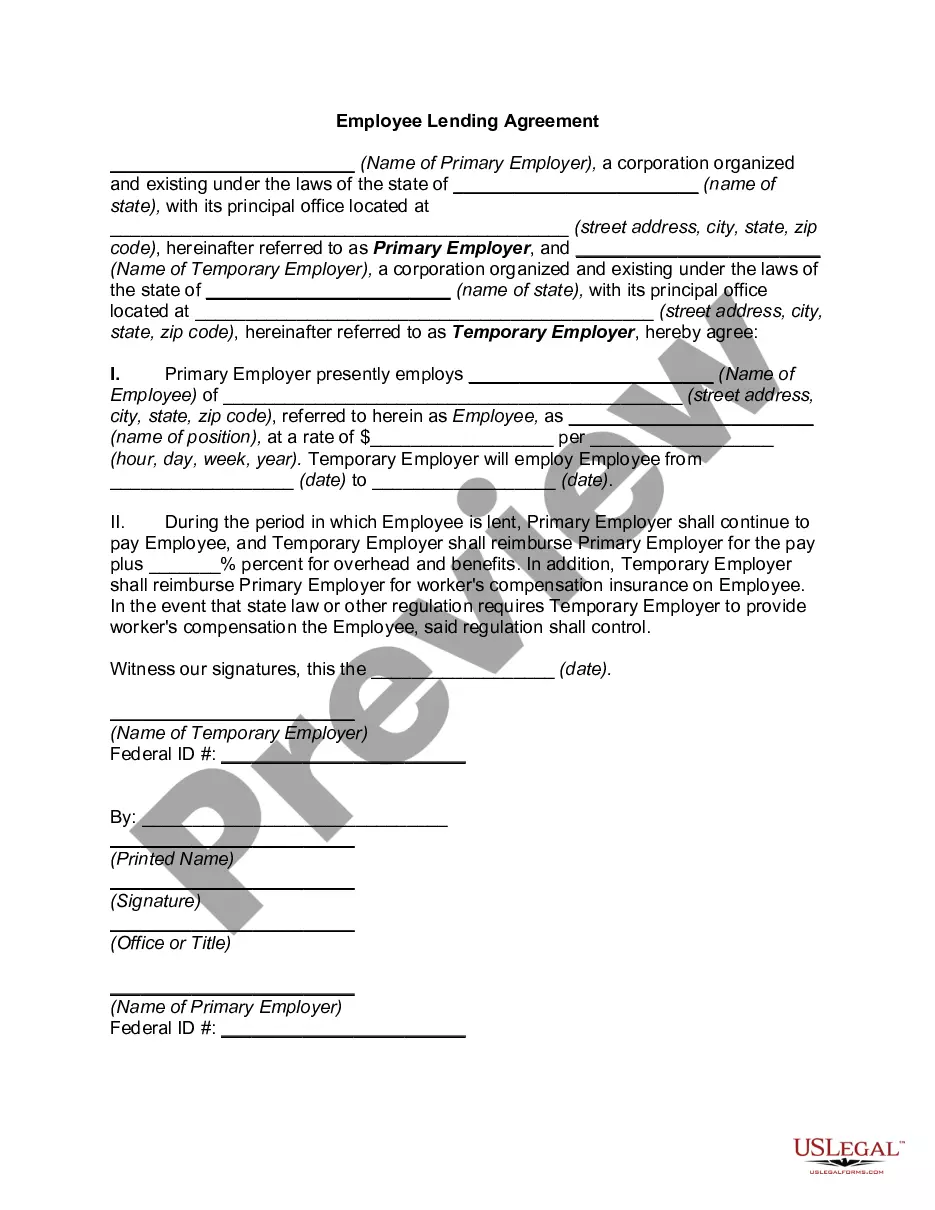
Get your form ready online
Our built-in tools help you complete, sign, share, and store your documents in one place.
Make edits, fill in missing information, and update formatting in US Legal Forms—just like you would in MS Word.
Download a copy, print it, send it by email, or mail it via USPS—whatever works best for your next step.
Sign and collect signatures with our SignNow integration. Send to multiple recipients, set reminders, and more. Go Premium to unlock E-Sign.
If this form requires notarization, complete it online through a secure video call—no need to meet a notary in person or wait for an appointment.
We protect your documents and personal data by following strict security and privacy standards.

Make edits, fill in missing information, and update formatting in US Legal Forms—just like you would in MS Word.

Download a copy, print it, send it by email, or mail it via USPS—whatever works best for your next step.

Sign and collect signatures with our SignNow integration. Send to multiple recipients, set reminders, and more. Go Premium to unlock E-Sign.

If this form requires notarization, complete it online through a secure video call—no need to meet a notary in person or wait for an appointment.

We protect your documents and personal data by following strict security and privacy standards.
Looking for another form?

Form popularity
FAQ
Clearly set out the expected behavior for the future. State the consequences of additional violation of the rule or standard. Reinforce the organization's willingness to help the employee meet the expectations and express hope that he or she will succeed. Include the employee's signature and the date signed.
Ing to the Ohio Department of Education (ODE), an ETR helps to determine first whether your child is a child with a disability and then the educational needs of your child—including special education and related services—for accessing and making progress in the general education curriculum.
Follow the steps below when documenting employee performance issues: Stick to the facts and underline expectations. Emphasize behavior. Align records of past performance. Describe proof of misconduct. Identify and present consequences. Meet in person and get a signature.
Focus on what happened, who was involved, and the context. Avoid Jargon: Use clear and simple language understandable by all readers. Date and Time: Note when the incident occurred. Location: Specify where the behavior took place (eg, patient room, waiting area).
The 4-Step Progressive Discipline Template Step 1: Verbal Warning. In this step, the supervisor informs the employee of the concerns and listens to any information the employee provides. Step 2: Written Warning. Step 3: Suspension. Step 4: Termination.
The purpose of employee disciplinary action is to modify or correct unacceptable employee behavior. In general, progressive discipline rises through the following levels: verbal warning, written reprimand, disciplinary probation, and termination.
“The fact that the warning was given should always be documented,” said Damon Kitchen, a partner with the law firm Constangy, Brooks & Smith's Jacksonville, Fla., office,and should include the date and time of the incident, the date and time the verbal warning was given, the substance of what was said and a brief ...
An employee write-up form should include the employee's full name and employee number, the time and date of the write-up and specific incidents, a detailed reason for the write-up, witness accounts confirming the misconduct, and references to company policies that were violated, along with consequences.
You inform them that they need to control themselves as their behaviour is unacceptable. Write them up and give them a written warning. Both you and the employee should have copies of the written warnings. Be very specific in the documentation so there is no way it can be misinterpreted or misunderstood.
