Employee Rental Agreement With Multiple Tenants India In Massachusetts
Description

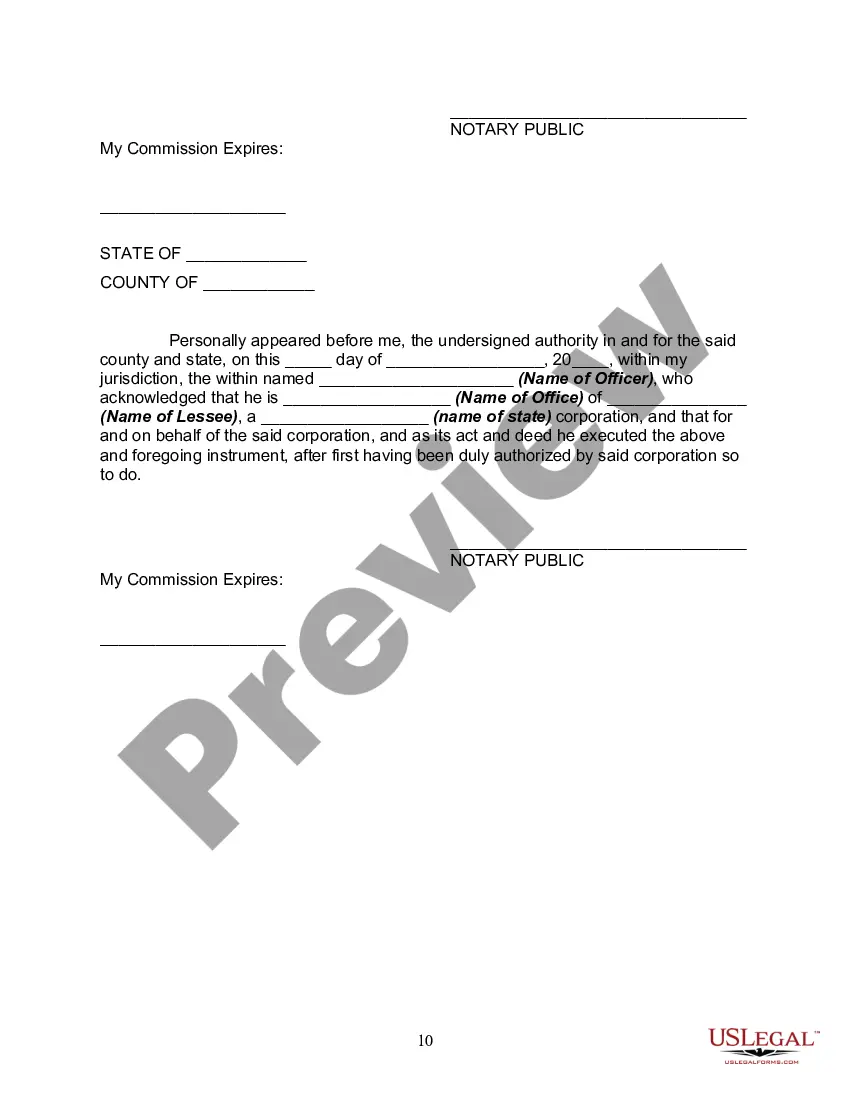
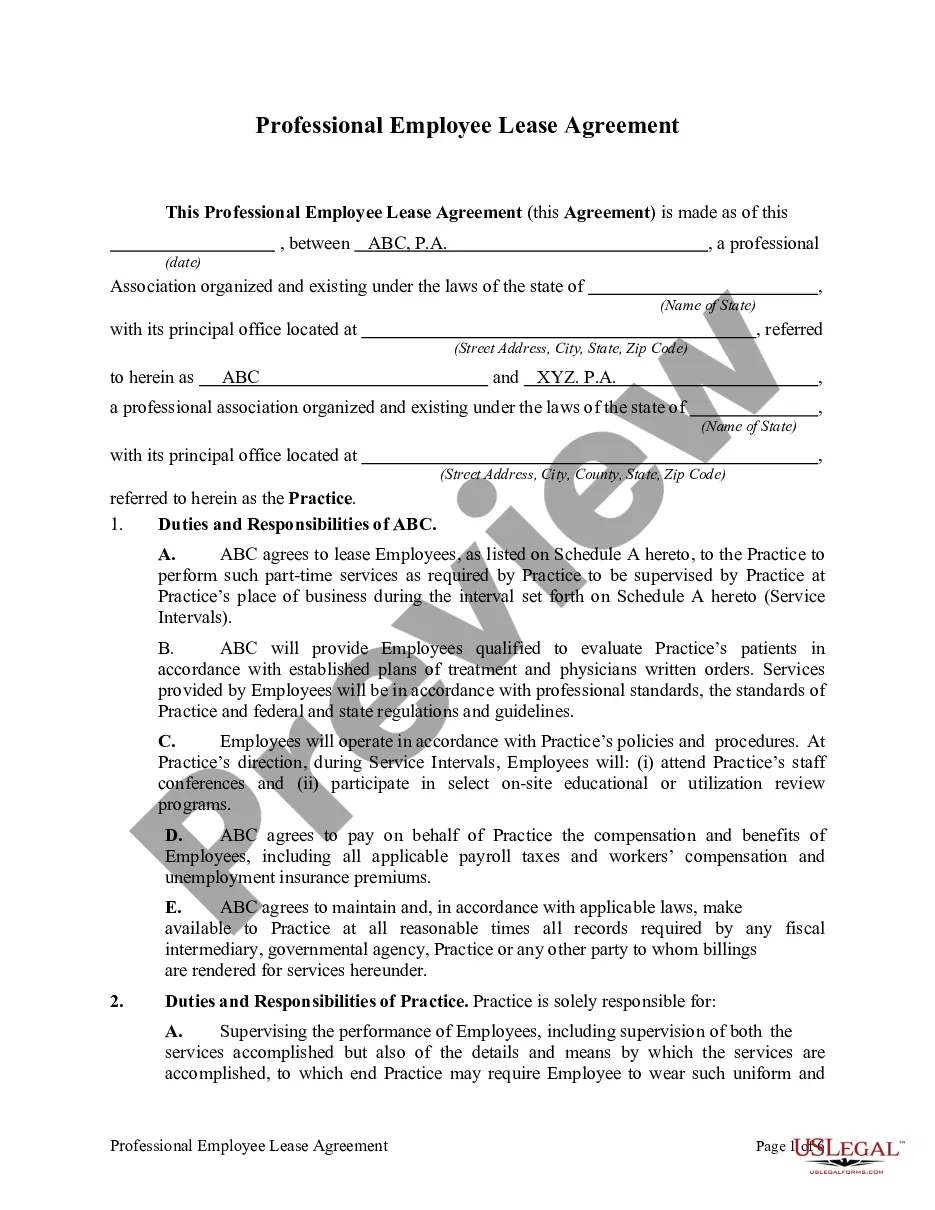
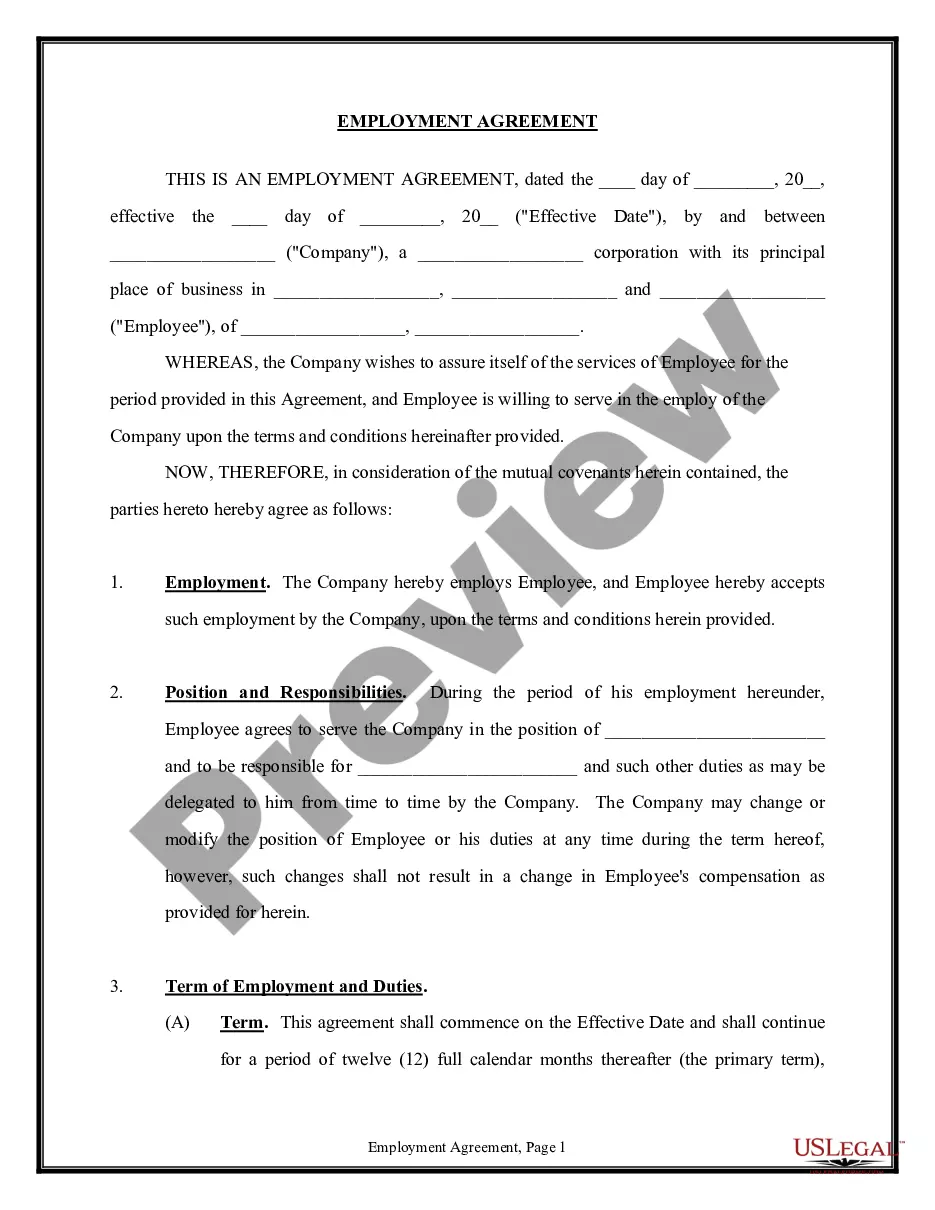
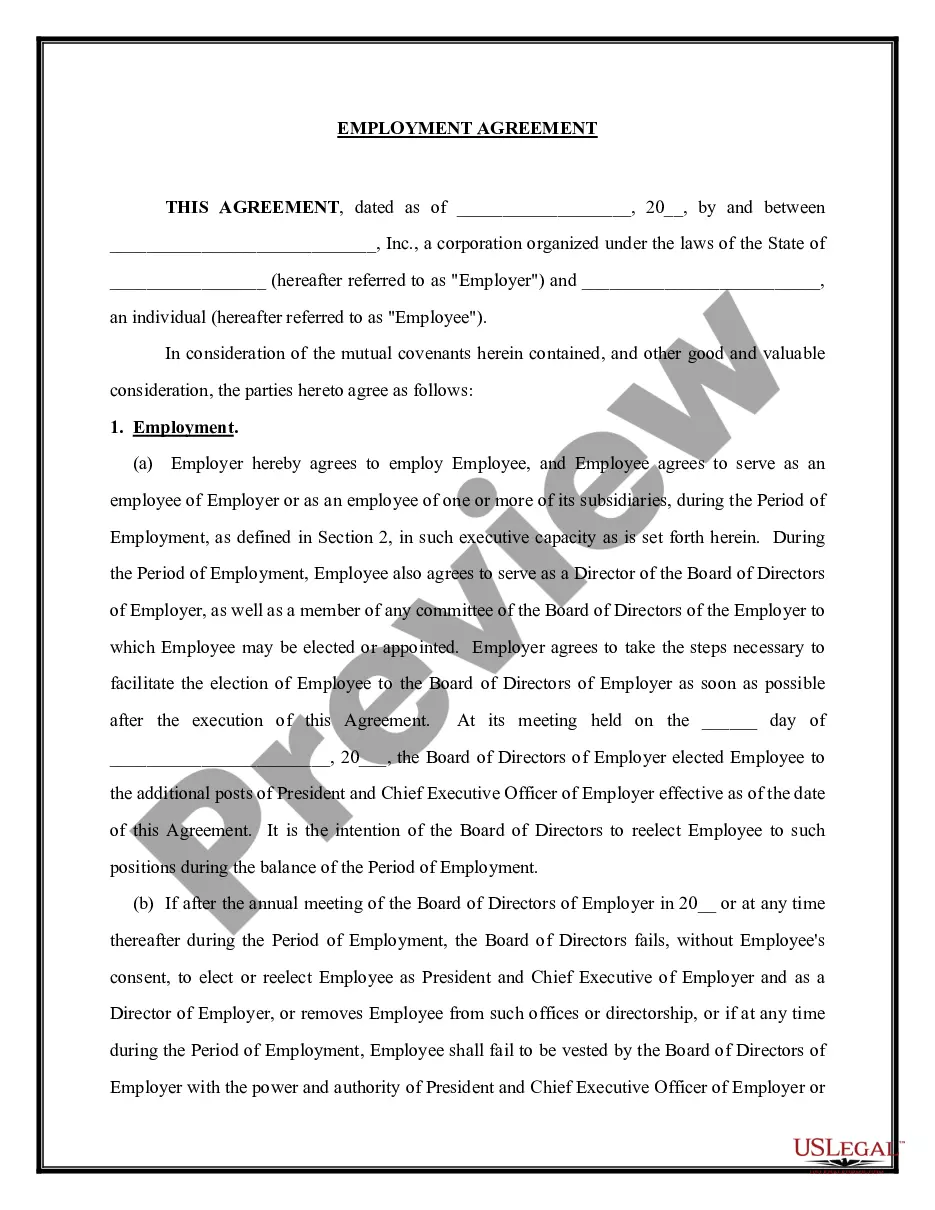
Get your form ready online
Our built-in tools help you complete, sign, share, and store your documents in one place.
Make edits, fill in missing information, and update formatting in US Legal Forms—just like you would in MS Word.
Download a copy, print it, send it by email, or mail it via USPS—whatever works best for your next step.
Sign and collect signatures with our SignNow integration. Send to multiple recipients, set reminders, and more. Go Premium to unlock E-Sign.
If this form requires notarization, complete it online through a secure video call—no need to meet a notary in person or wait for an appointment.
We protect your documents and personal data by following strict security and privacy standards.

Make edits, fill in missing information, and update formatting in US Legal Forms—just like you would in MS Word.

Download a copy, print it, send it by email, or mail it via USPS—whatever works best for your next step.

Sign and collect signatures with our SignNow integration. Send to multiple recipients, set reminders, and more. Go Premium to unlock E-Sign.

If this form requires notarization, complete it online through a secure video call—no need to meet a notary in person or wait for an appointment.

We protect your documents and personal data by following strict security and privacy standards.
Looking for another form?









Form popularity
FAQ
If you're looking for affordable housing and want to share responsibility with roommates, a joint lease might be the best option for you. If you want to live alone or don't want to share responsibility with roommates, an individual lease might be the way to go.
Most landlords require that everyone over 18 years of age who will be living in the property, be on the lease. They don't care what your familial relationship is.
The most commonly used Massachusetts lease agreement is the Standard Form of Lease. This document covers essential details such as rent amount, lease duration, security deposit, maintenance responsibilities, property managers, and other crucial provisions.
Yes. There can be more than one tenant on a lease agreement.
You and your roommates will become jointly and severally liable for rent payments. If one roommate leaves without telling anyone, the others are still responsible for paying the total rent amount. Each tenant has equal rights and responsibilities regarding the lease.
Laws determining occupancy limits vary from state to state, with some regions having stringent mandates and others having next to none. For example, California law enforces a “two plus one” formula for its occupancy limits, meaning two people can occupy each bedroom, with one additional person in a living space.
A Tenant at Will is one who occupies a rented apartment without a lease, but pays rent periodically (typically monthly). Either the landlord or the tenant may terminate this arrangement at any time by giving written notice of 30 days or one full rental period in advance, whichever is longer. No reason is required.
#1: Encourage Roommate Agreements. #2: Advise That The Actions of One Tenant Can Affect Everyone. #3: Don't Allow Subleasing in the Rental Agreement. #4: Make Sure There is a Joint and Several Liability Clause Within the Lease Agreement. #5: Don't Divide Security Deposits. #6: Ask the Tenants To Appoint a Representative.
The Model Act requires the landlord and tenant to sign a written agreement which specifies the rent, period of tenancy and other related terms. Security deposit is capped at two months' rent for residential premises, and six months' rent for non-residential premises.
Adverse Possession is a legal principle that states if a tenant has occupied the property for 12 years and the owner fails to take any action against that, the tenant is granted ownership rights towards the property.
