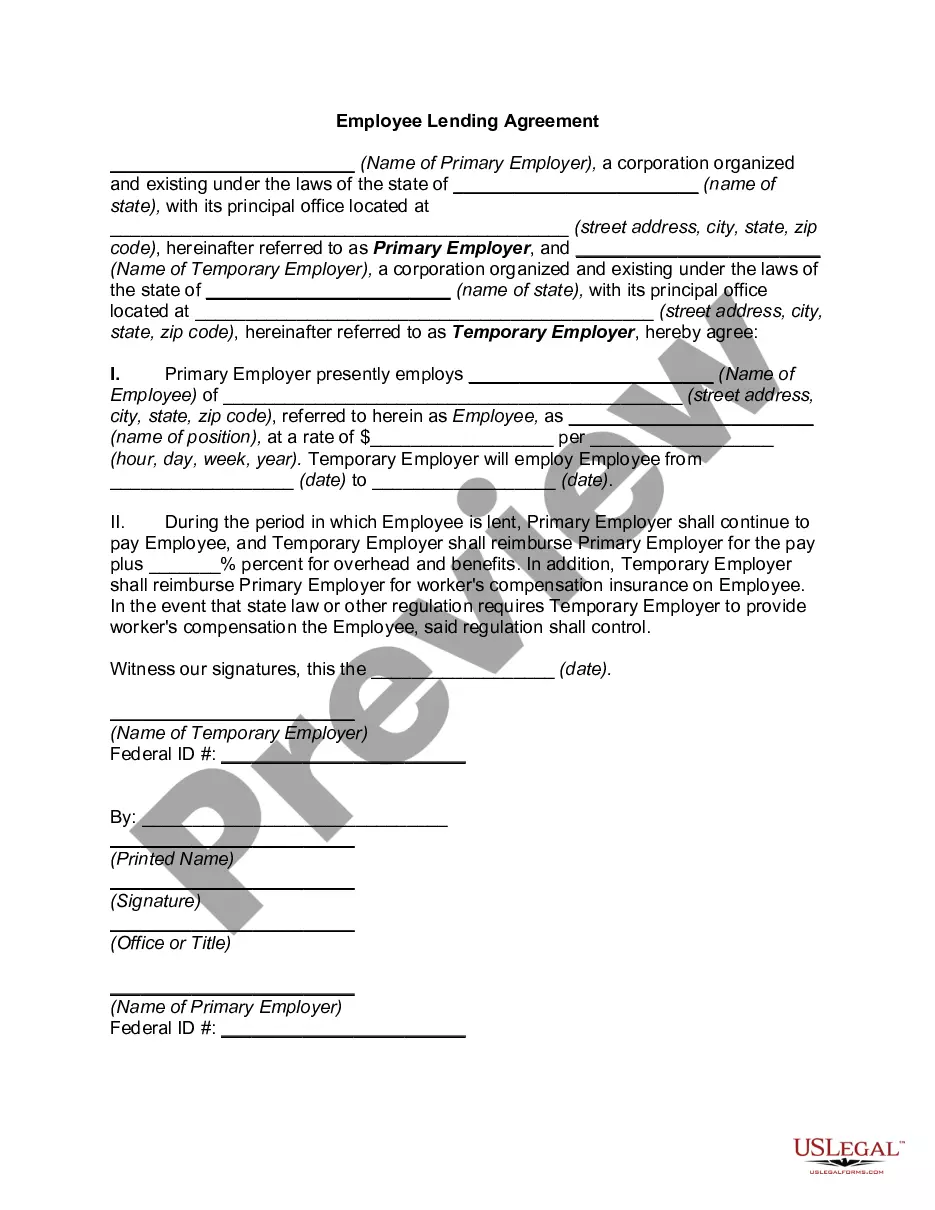
Employee Leasing Contract With Example In Fairfax
Description

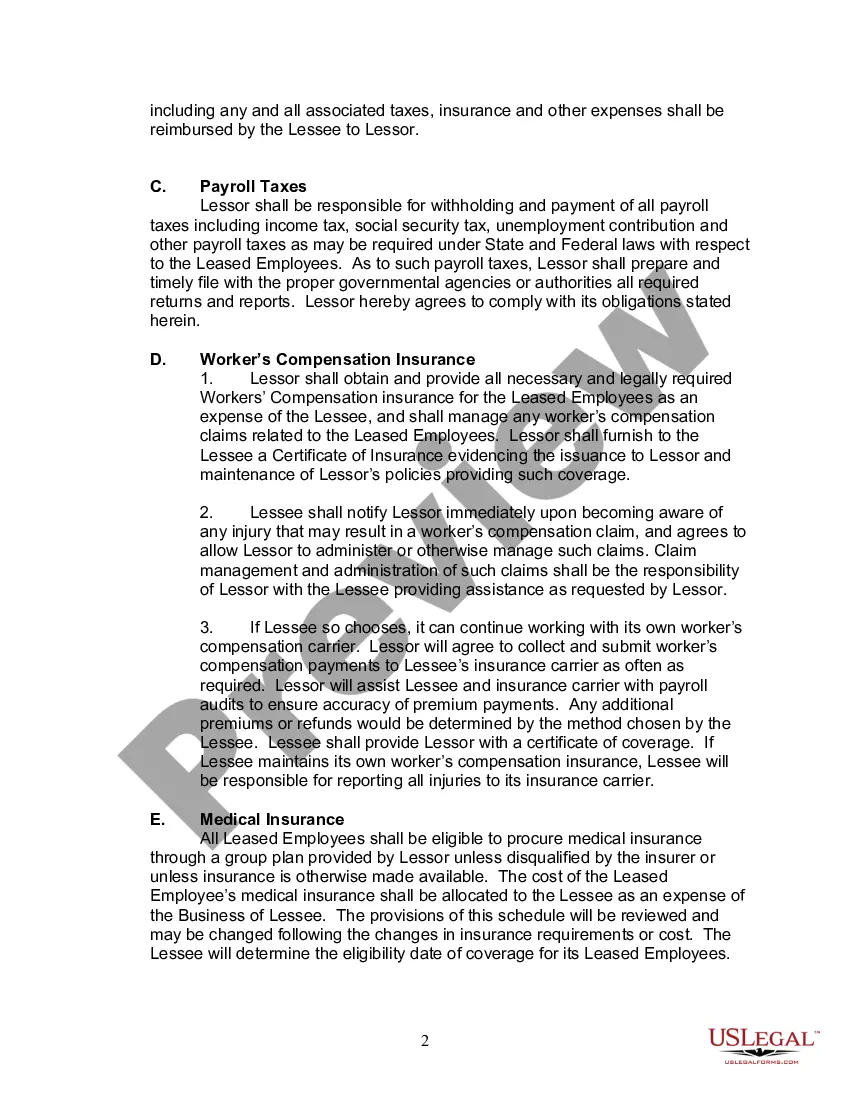
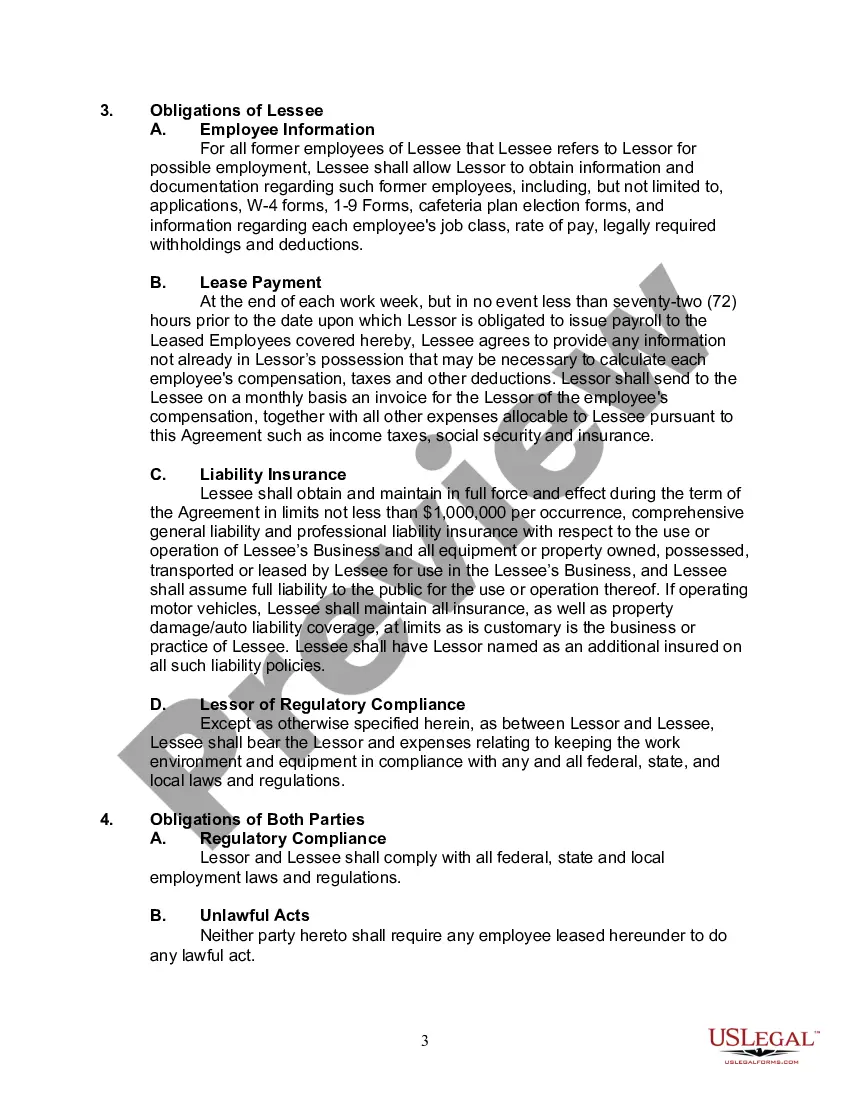
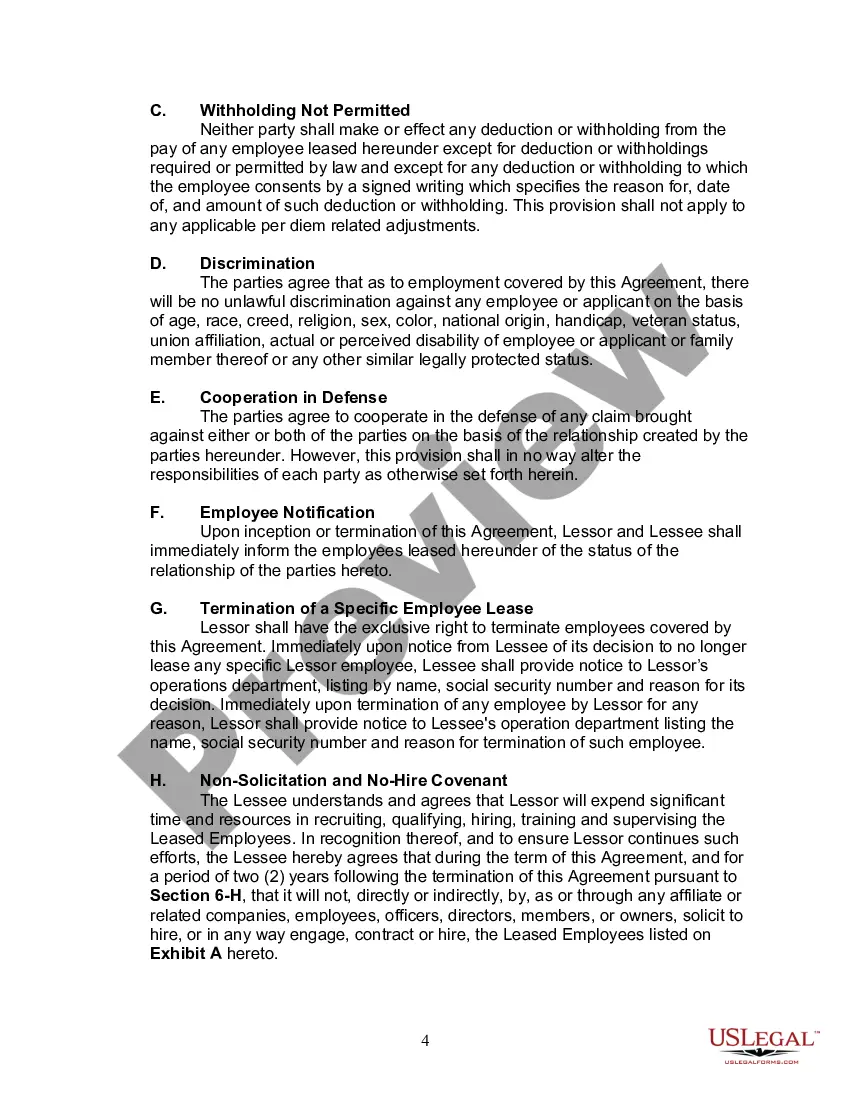
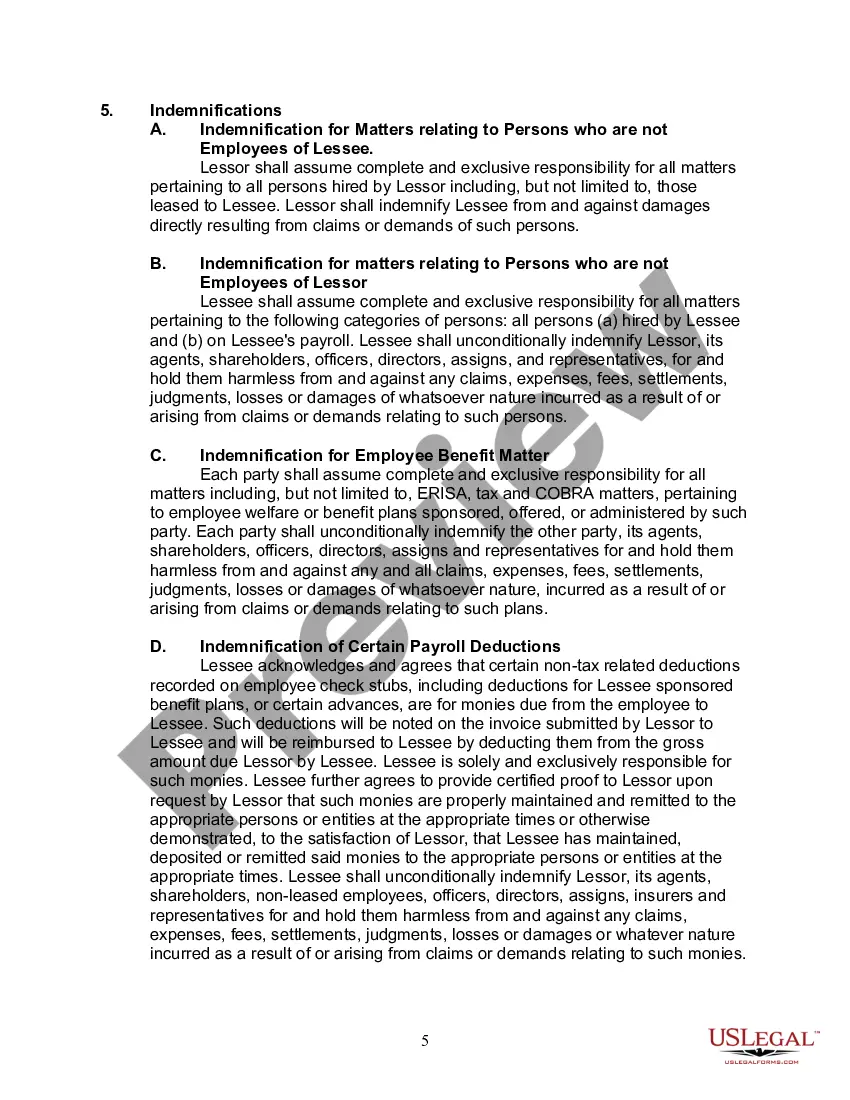
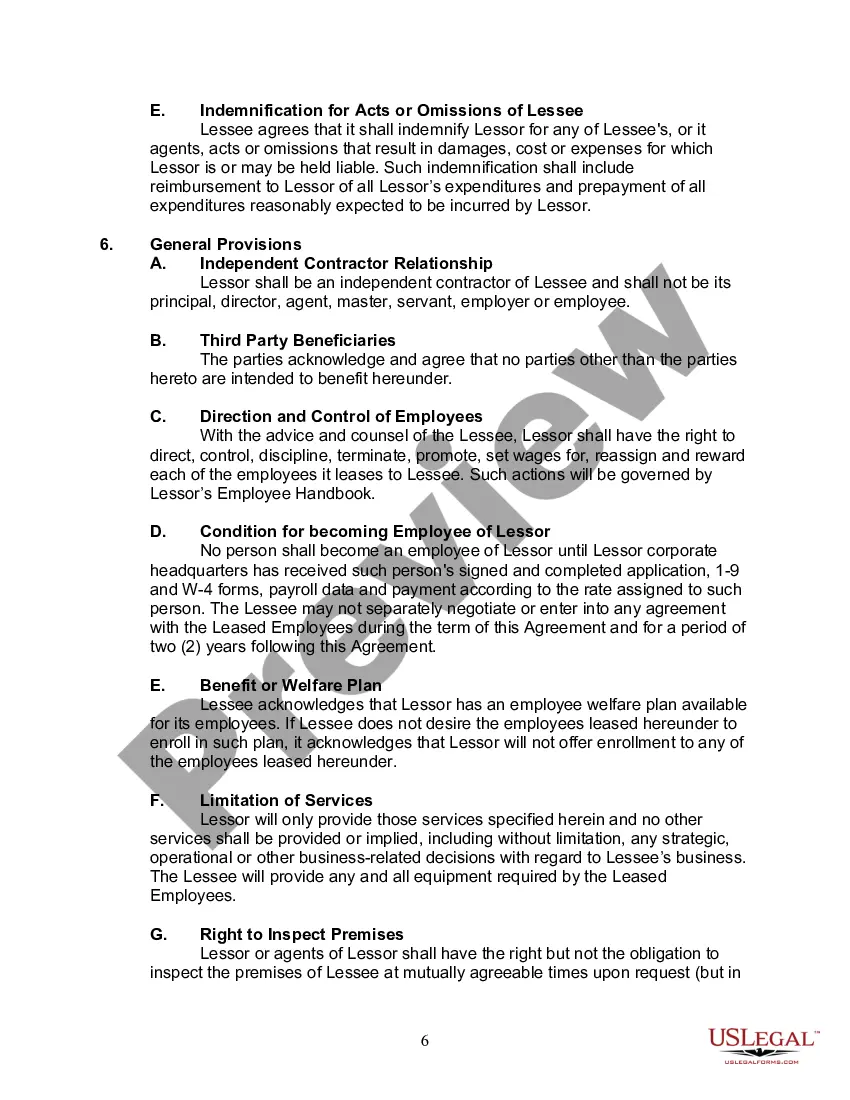
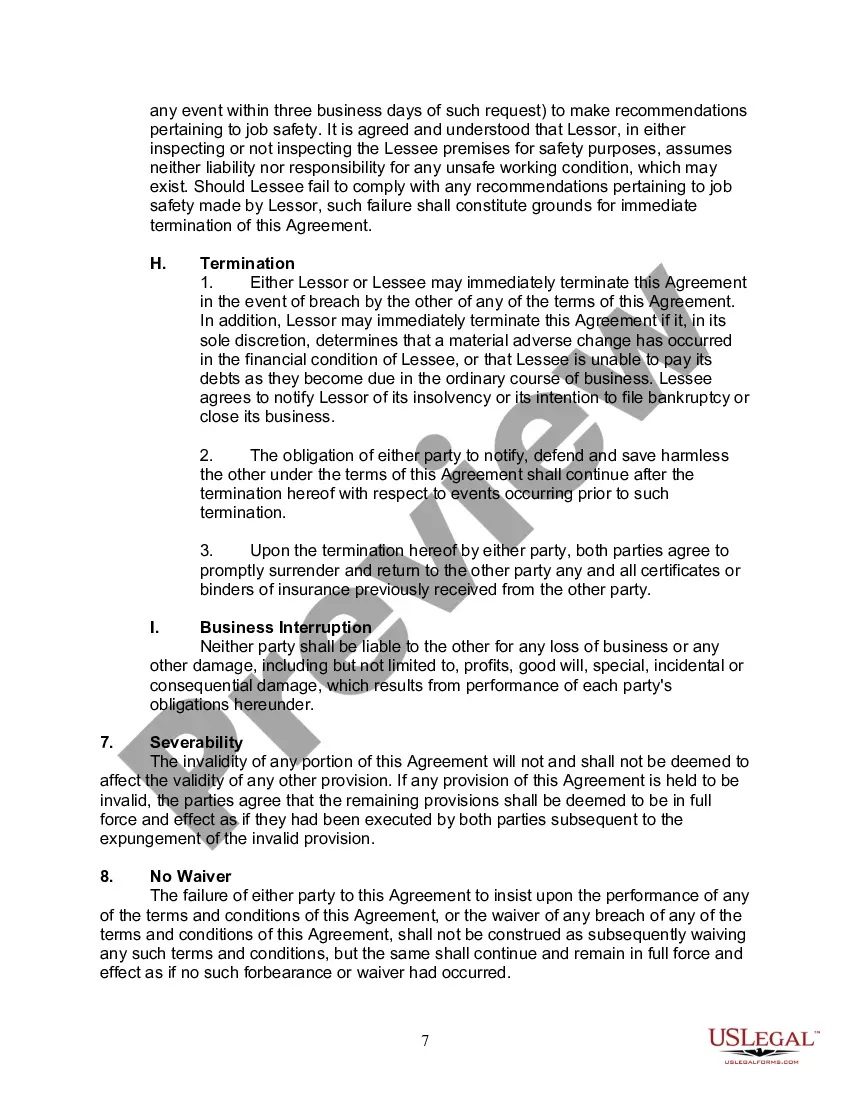
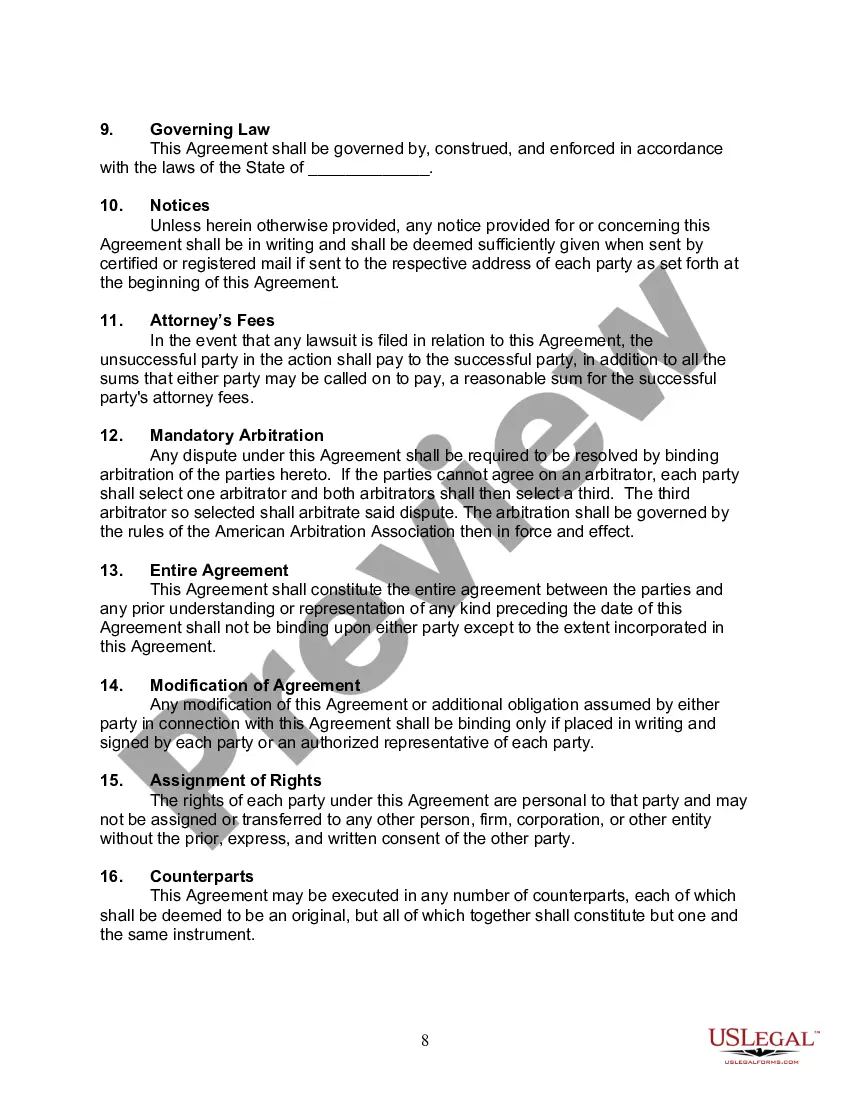
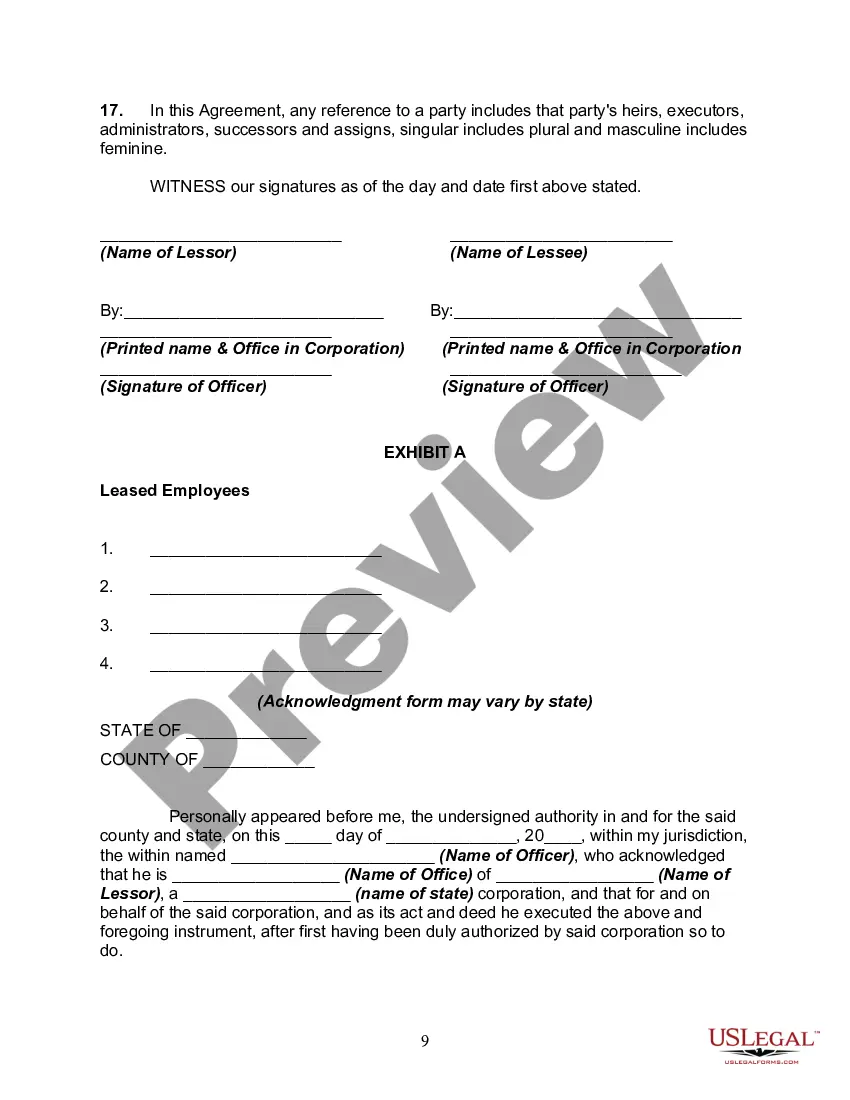
Get your form ready online
Our built-in tools help you complete, sign, share, and store your documents in one place.
Make edits, fill in missing information, and update formatting in US Legal Forms—just like you would in MS Word.
Download a copy, print it, send it by email, or mail it via USPS—whatever works best for your next step.
Sign and collect signatures with our SignNow integration. Send to multiple recipients, set reminders, and more. Go Premium to unlock E-Sign.
If this form requires notarization, complete it online through a secure video call—no need to meet a notary in person or wait for an appointment.
We protect your documents and personal data by following strict security and privacy standards.

Make edits, fill in missing information, and update formatting in US Legal Forms—just like you would in MS Word.

Download a copy, print it, send it by email, or mail it via USPS—whatever works best for your next step.

Sign and collect signatures with our SignNow integration. Send to multiple recipients, set reminders, and more. Go Premium to unlock E-Sign.

If this form requires notarization, complete it online through a secure video call—no need to meet a notary in person or wait for an appointment.

We protect your documents and personal data by following strict security and privacy standards.
Looking for another form?






Form popularity
FAQ
In the area of law, for a contract to be legally enforceable, several requirements must be met, including an offer; acceptance of that offer; mutual understanding of the agreement; capacity to agree; an item or service; consideration in exchange for the item or service; and legality of the contract itself, including ...
Once it is signed by both the landlord and the tenant, the lease is a legally binding contract. If you have any questions about anything in this lease, you should talk to an attorney about the lease before you sign it.
How to Write a Lease Agreement Step 1: Outline your lease agreement. Lease agreements should be organized, clear, and easy to read for both parties. Step 2: Determine important provisions. Step 3: Construct your lease clauses. Step 4: Consult local laws or a local real estate lawyer. Step 5: Formatting and fine-tuning.
An example of a fixed lease term is leasing a building at $1,500/month for 24 months. An example of a periodic term is leasing a storage unit for $500 a month, with the option to continue for another month in perpetuity. The lease ends when either the landlord or tenant gives notice.
What is a Lease? A lease is an implied or written agreement specifying the conditions under which a lessor accepts to let out a property to be used by a lessee. The agreement promises the lessee use of the property for an agreed length of time while the owner is assured consistent payment over the agreed period.
Common reasons to break a lease Habitability issues. Financial hardships. Relocation for work. Personal reasons. Breach of housing codes. Tenant rights infringement. Breach of privacy rights. Military service protections.
Here are 16 steps on how to make a lease agreement: Include the contact information of both parties. Include property details. Outline property utilities and services. Define the lease term. Disclose the monthly rent amount and due date. Detail the penalties and late fees. Describe any additional or services fees.
How to Prepare a Lease Letter? Look for Customizable Templates. Incorporate a Document Title. Create Headings. Plan about the Provisions. Include Signatures. Review Tenant Law.
Virginia does not require a special landlord license. However, renting properties is considered a business activity and may require a generic business license in some locales. For example, Arlington County requires landlords earning more than $10,000 annually in rental income to obtain a business license.
