Employment Lease Agreement For Commercial Property In Broward
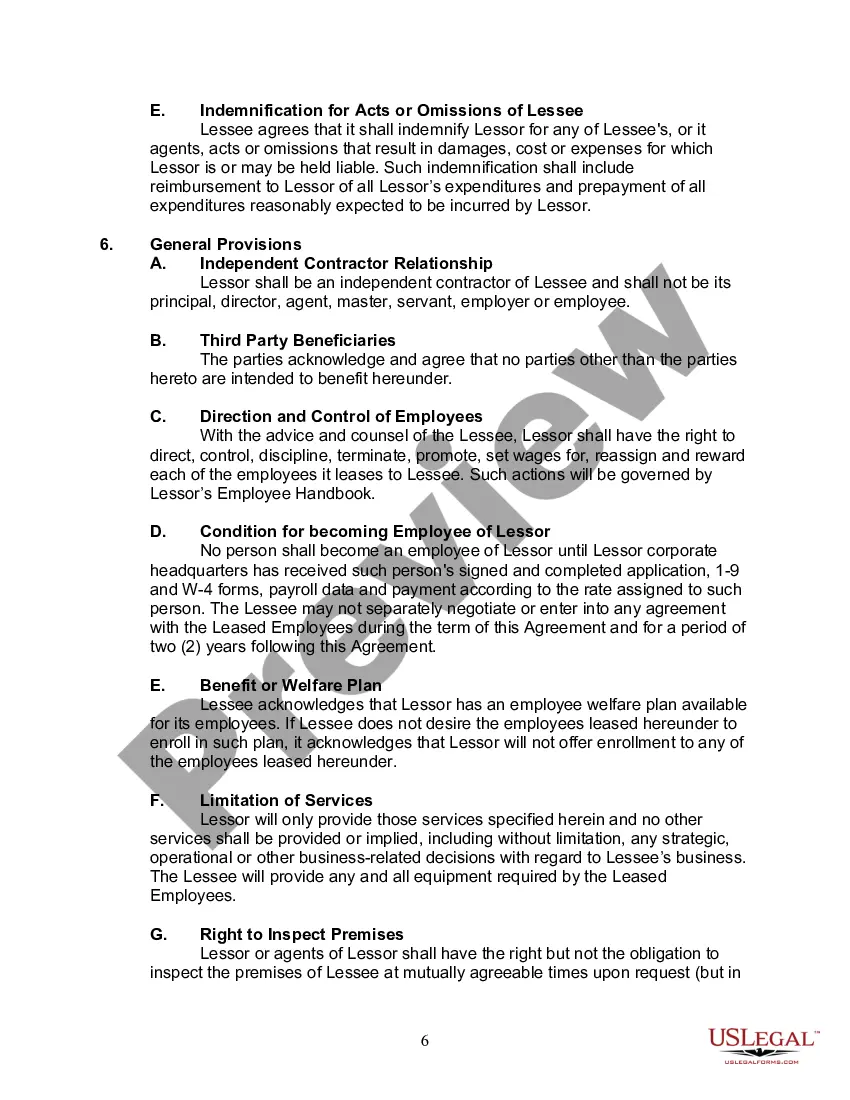
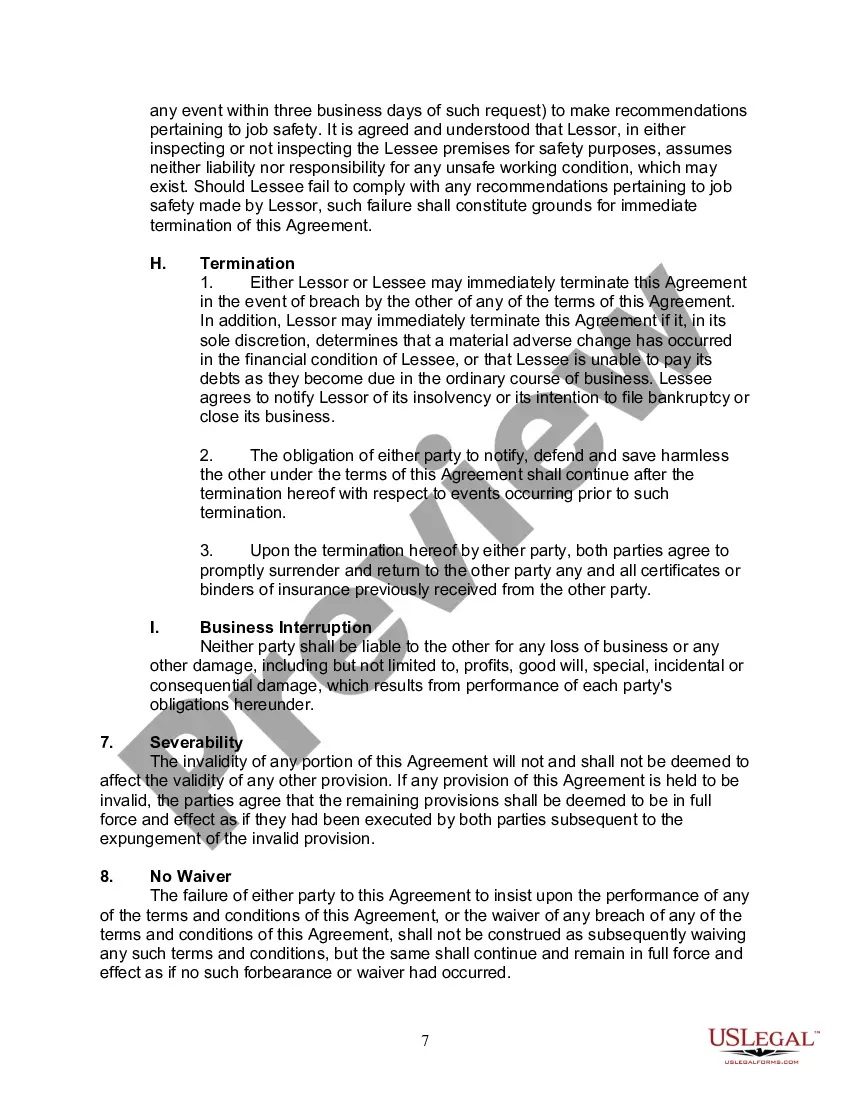
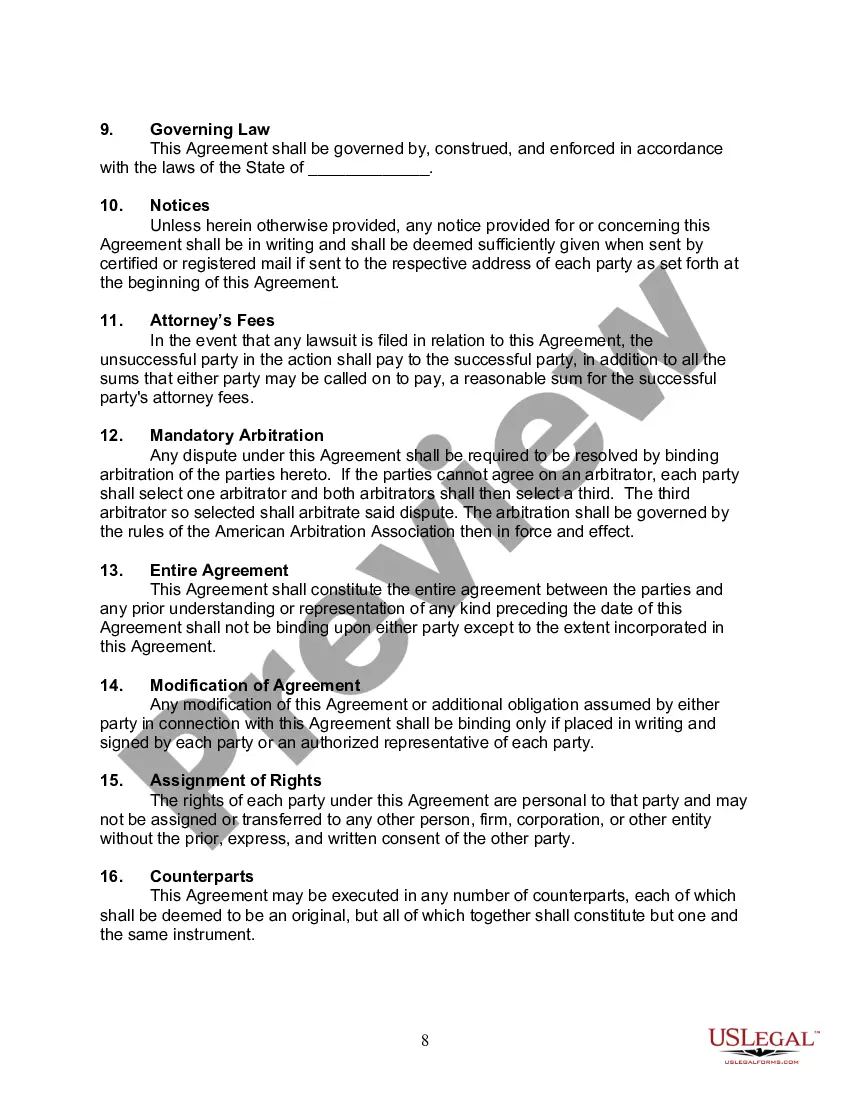
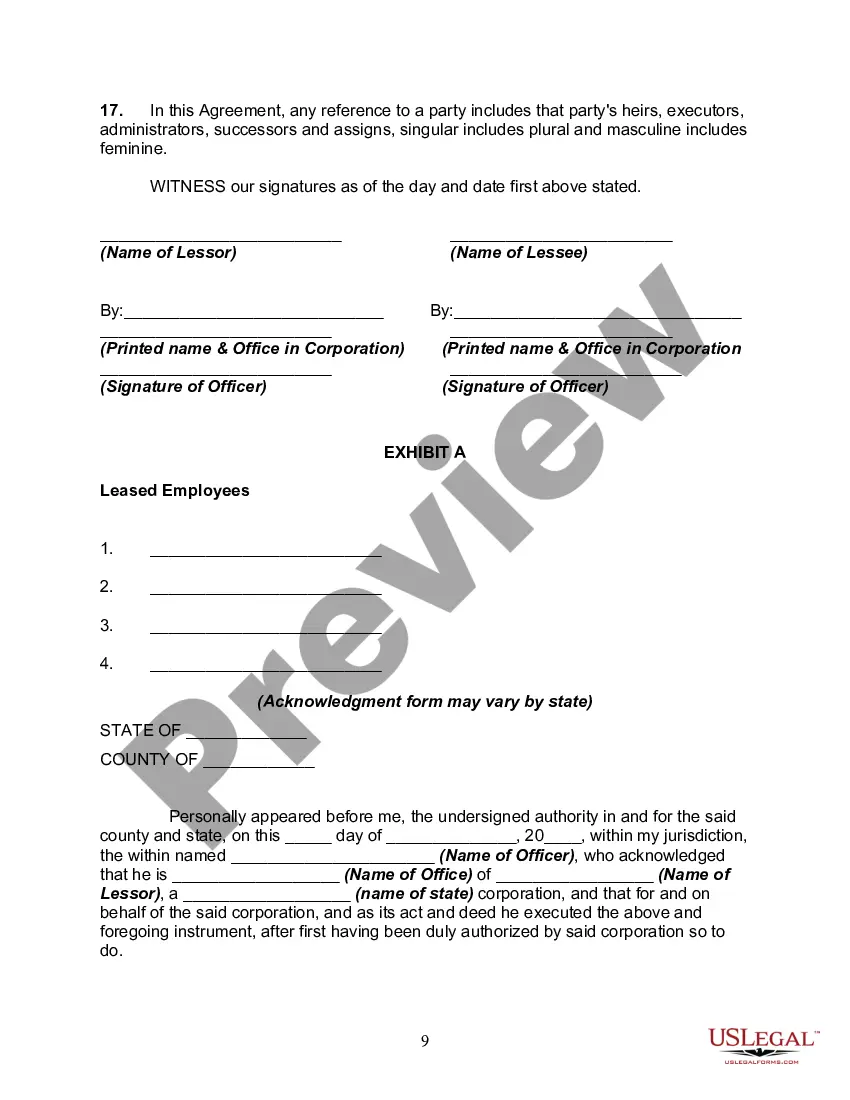
Description

Get your form ready online
Our built-in tools help you complete, sign, share, and store your documents in one place.
Make edits, fill in missing information, and update formatting in US Legal Forms—just like you would in MS Word.
Download a copy, print it, send it by email, or mail it via USPS—whatever works best for your next step.
Sign and collect signatures with our SignNow integration. Send to multiple recipients, set reminders, and more. Go Premium to unlock E-Sign.
If this form requires notarization, complete it online through a secure video call—no need to meet a notary in person or wait for an appointment.
We protect your documents and personal data by following strict security and privacy standards.

Make edits, fill in missing information, and update formatting in US Legal Forms—just like you would in MS Word.

Download a copy, print it, send it by email, or mail it via USPS—whatever works best for your next step.

Sign and collect signatures with our SignNow integration. Send to multiple recipients, set reminders, and more. Go Premium to unlock E-Sign.

If this form requires notarization, complete it online through a secure video call—no need to meet a notary in person or wait for an appointment.

We protect your documents and personal data by following strict security and privacy standards.
Looking for another form?
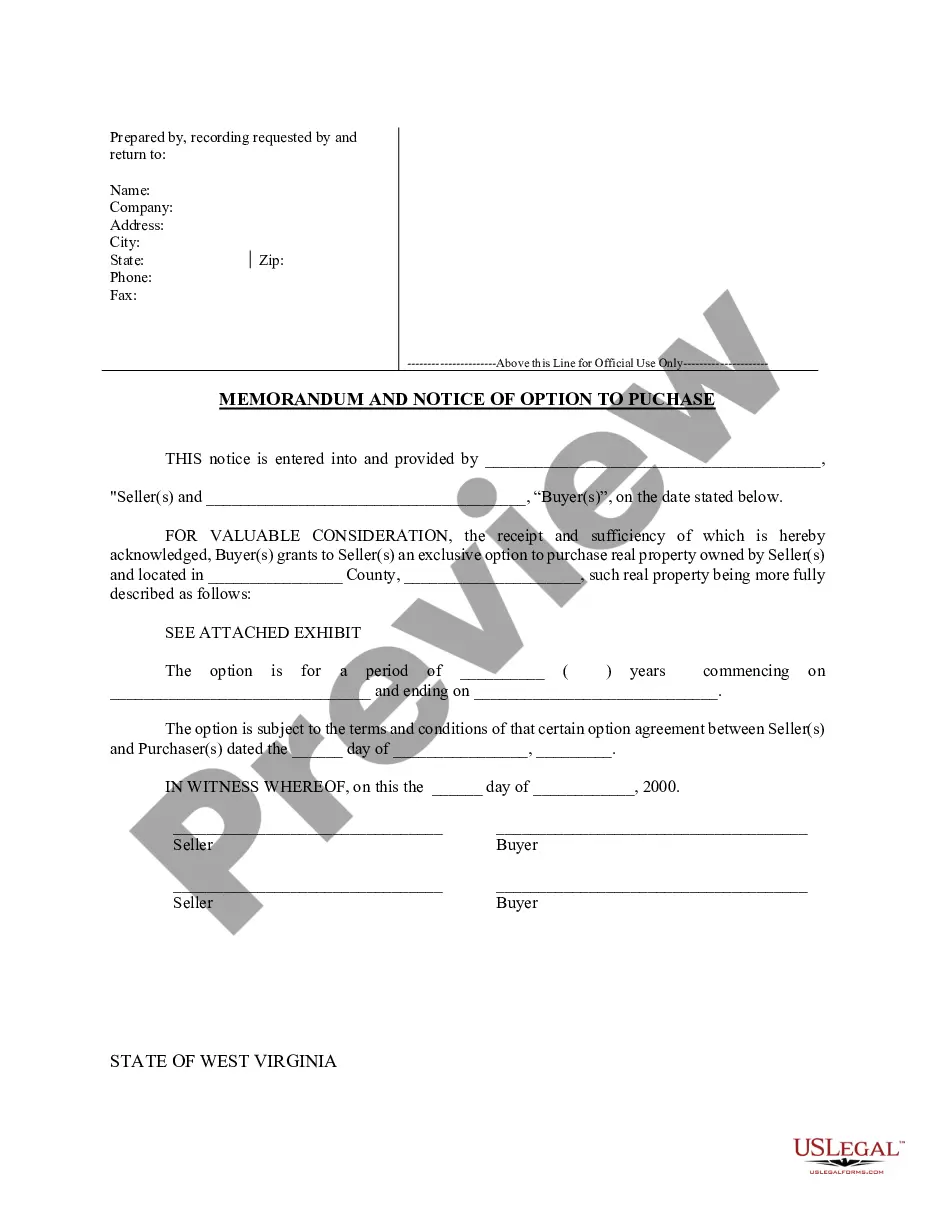
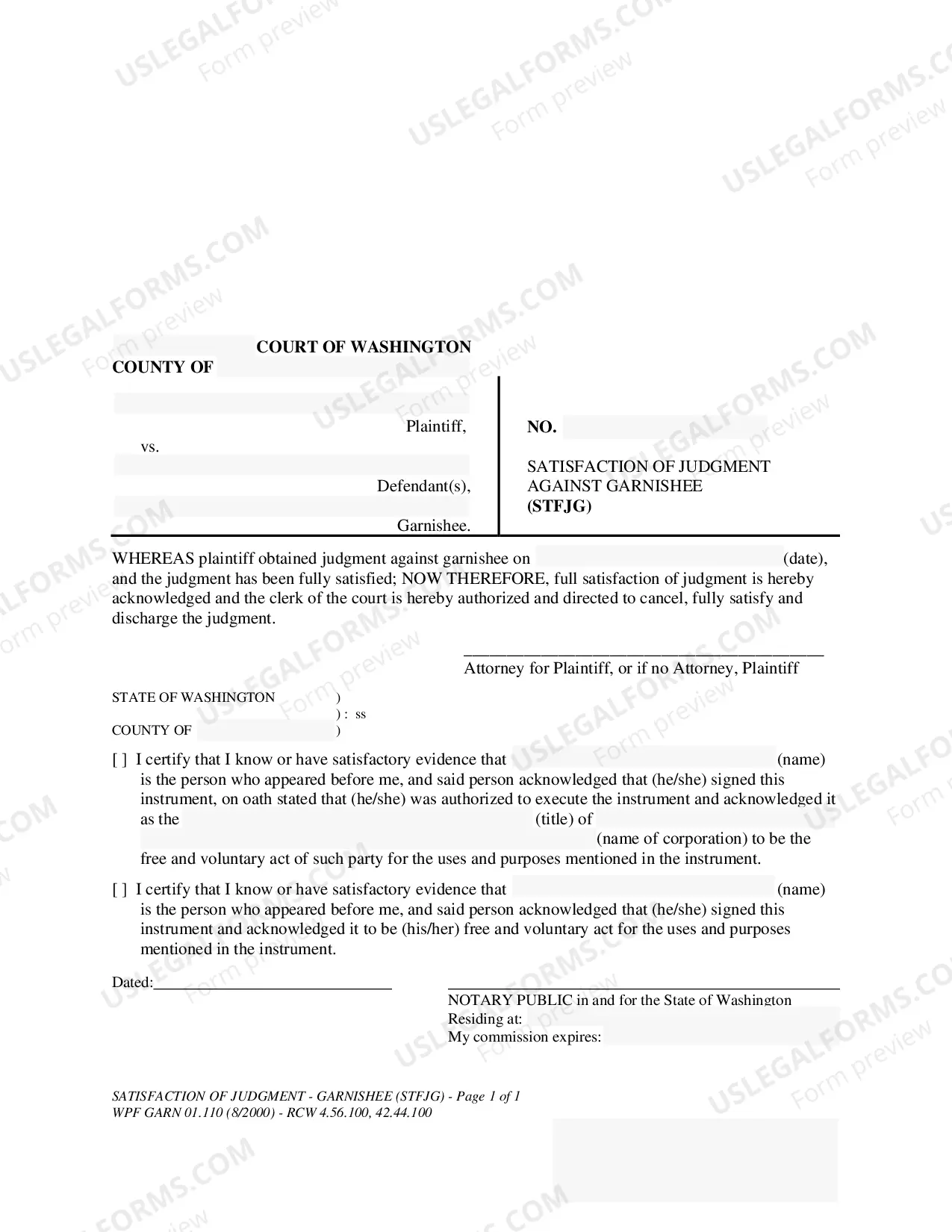
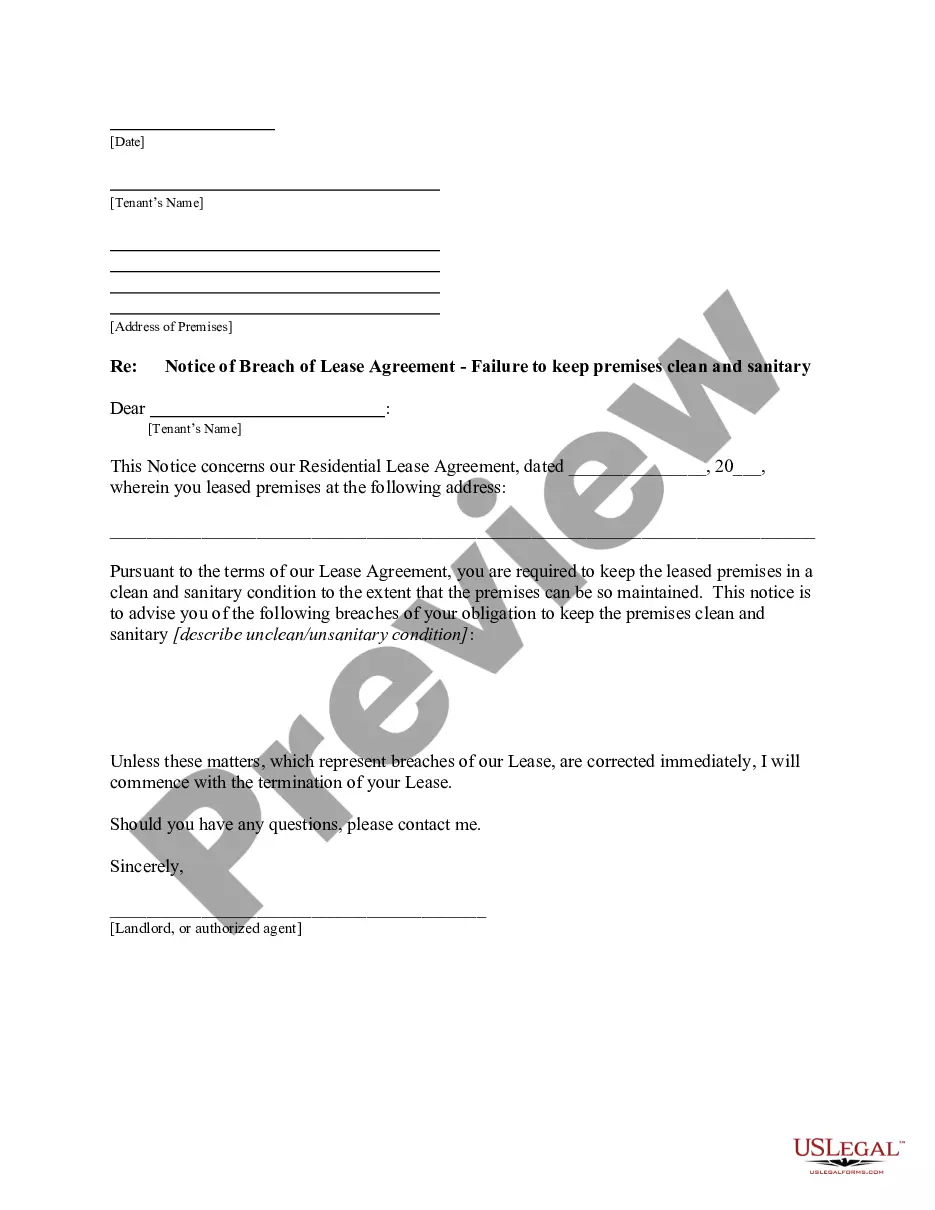
Form popularity
FAQ
What are the most important steps for drafting a commercial lease agreement? Identify the parties and the property. Determine the rent and the term. Negotiate the improvements and the maintenance. Allocate the taxes and the insurance. Include the clauses and the contingencies. Review and sign the agreement.
Here's a list of standard fields that you should include in your lease agreement: Tenant information. Include each tenant's full name and contact information. Rental property description. Security deposit. Monthly rent amount. Utilities. Lease term. Policies. Late fees.
It is possible to draft your own lease agreement, but you are leaving yourself open to issues.
At the very least, a commercial lease should identify the parties to the lease, state who is the landlord and who is the tenant, give the address of the property, and include the amount of the rent. It should also include a start date and an allocation of any other costs. Both parties should sign the lease.
5 Steps to Leasing a Commercial Property Step 1: Assess your business. Step 2: Search for properties that meet your needs and budget. Step 3: Set up Showings. Step 4: Negotiate the Letter of Intent (LOI) or Lease Proposal. Step 5: Executing a Lease.
What are the most important steps for drafting a commercial lease agreement? Identify the parties and the property. Determine the rent and the term. Negotiate the improvements and the maintenance. Allocate the taxes and the insurance. Include the clauses and the contingencies. Review and sign the agreement.
For example, California does not require lease notarization, while other states like Ohio may have different requirements.
Given the stakes, it's common for property owners to consider whether they can draft this document themselves. While it is legally possible to write your own commercial lease agreement in Florida, doing so involves careful consideration of legal, business, and practical factors.
Several elements must be present for a lease to be valid in Florida. These include: Offer and acceptance: The landlord and the tenant must voluntarily agree to the lease terms. Legal capacity: Both parties must have the legal capacity to enter into a contract, meaning they must be of legal age and mentally competent.