Employee Lease Addendum For Emotional Support Animal In Bronx
Description

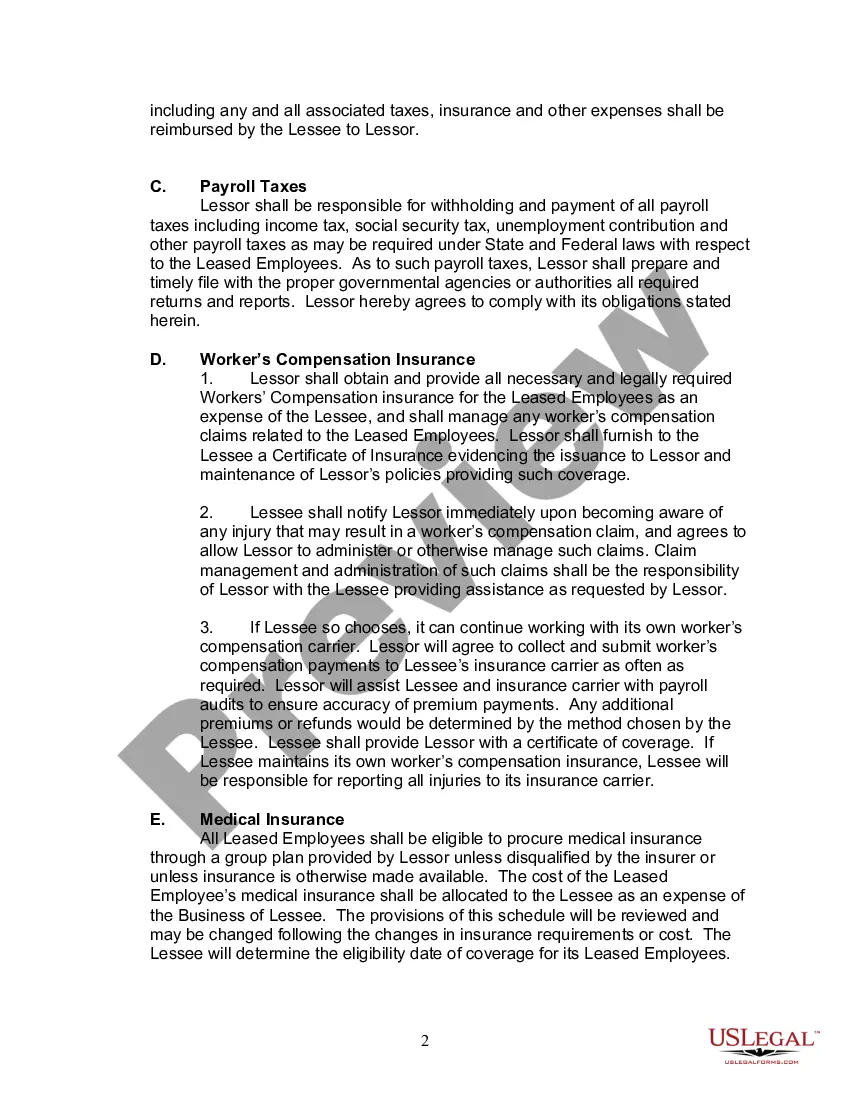
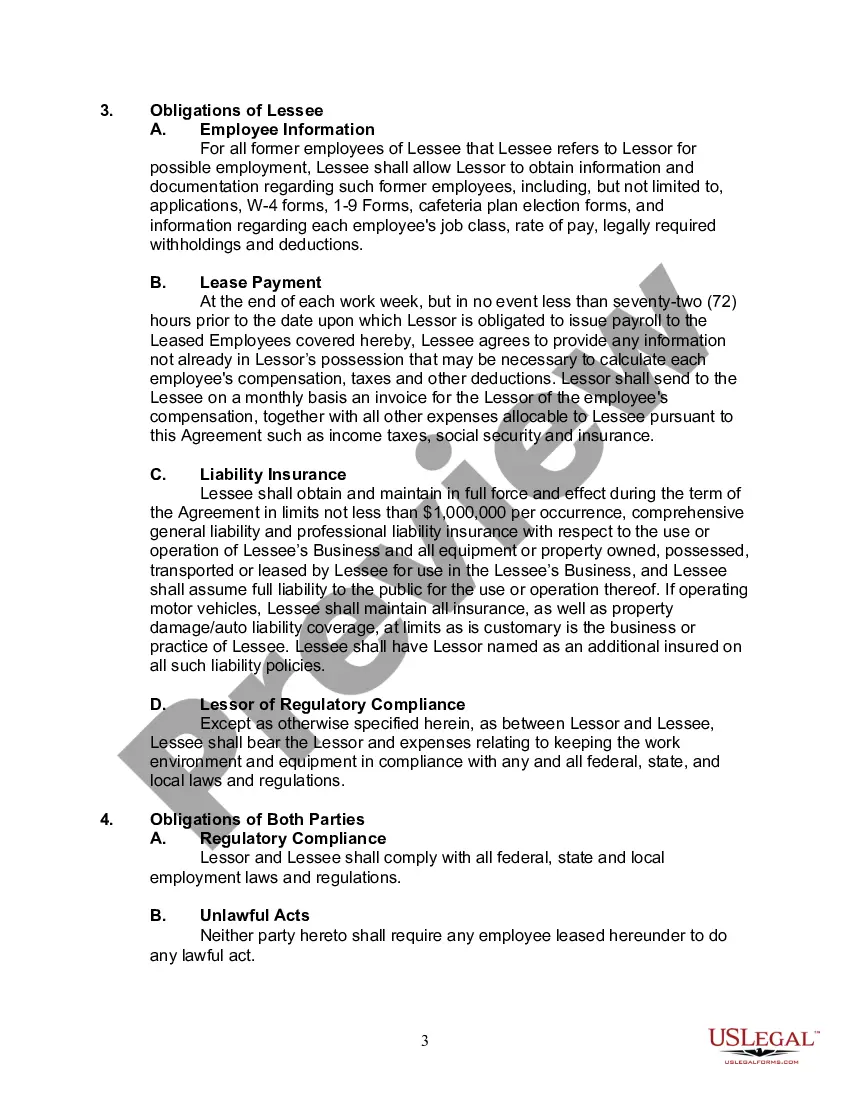
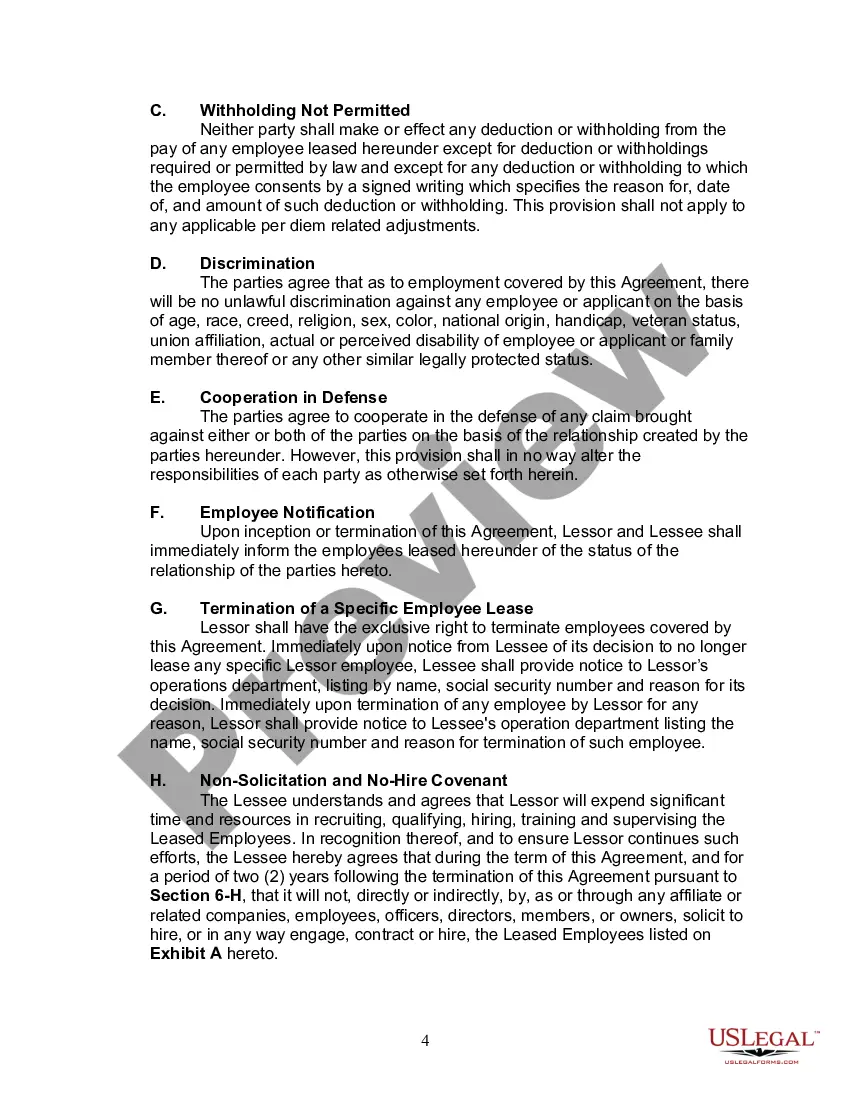
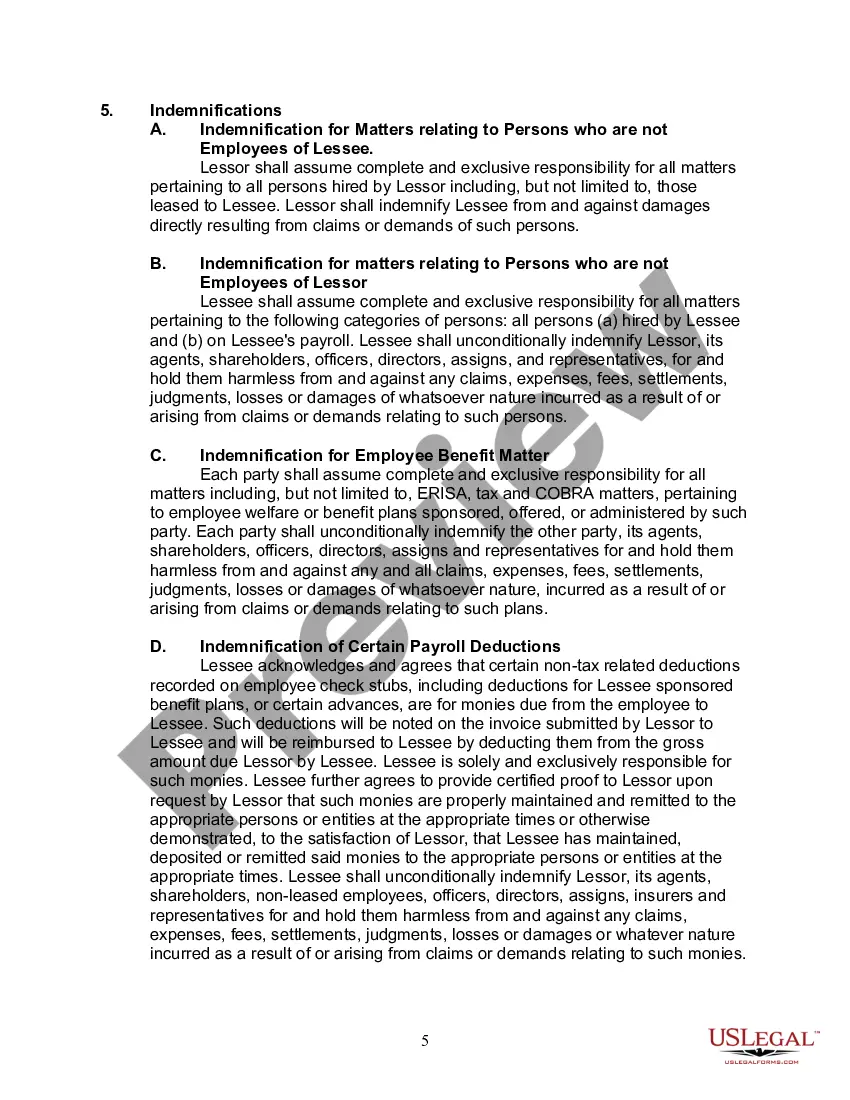
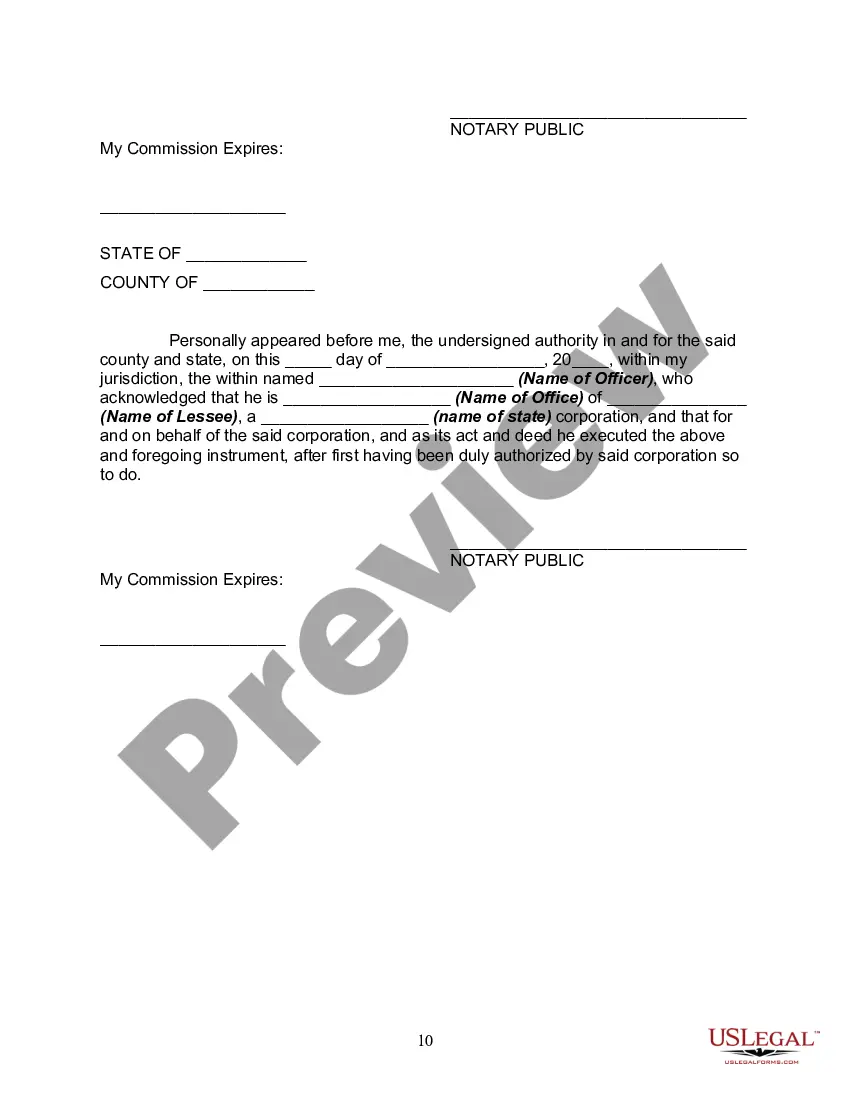
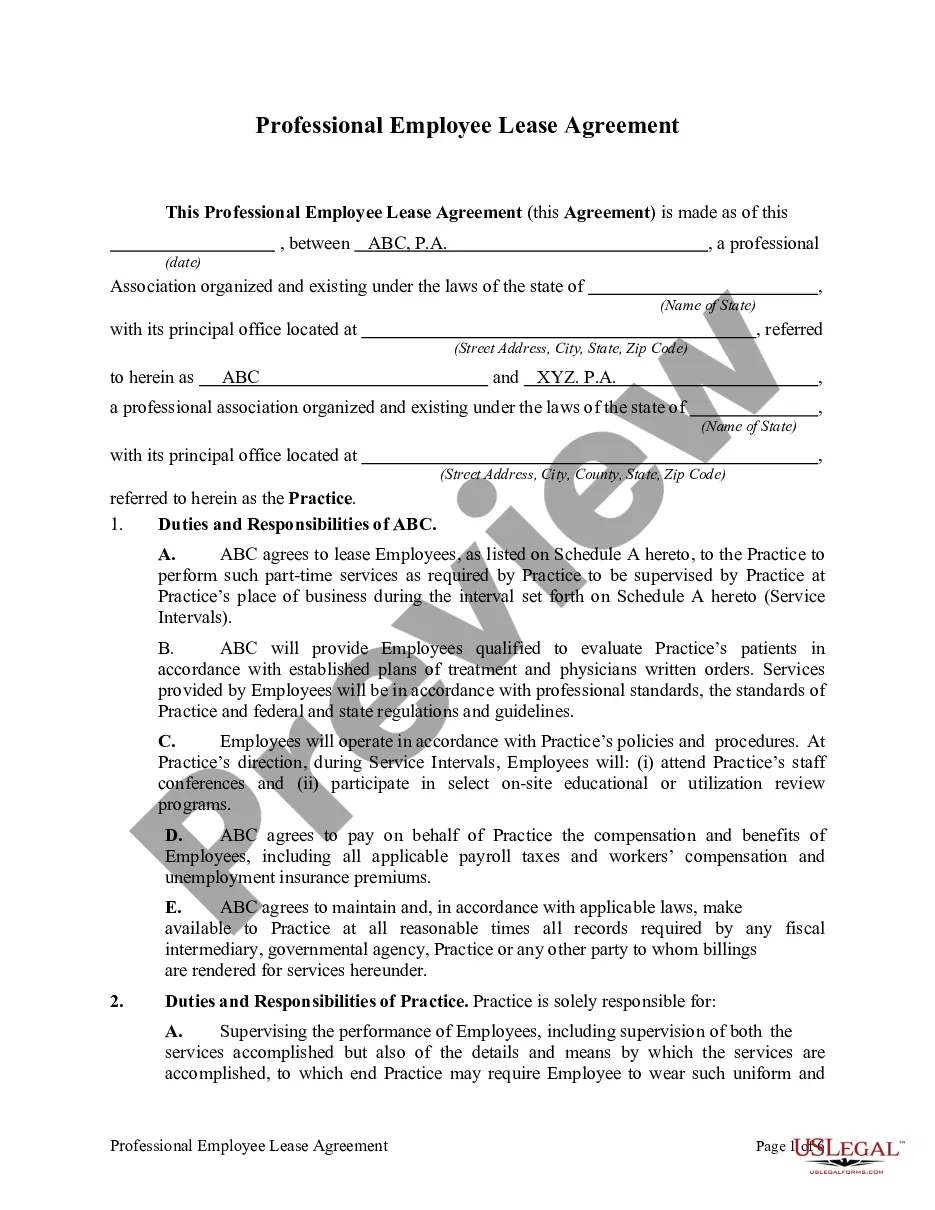
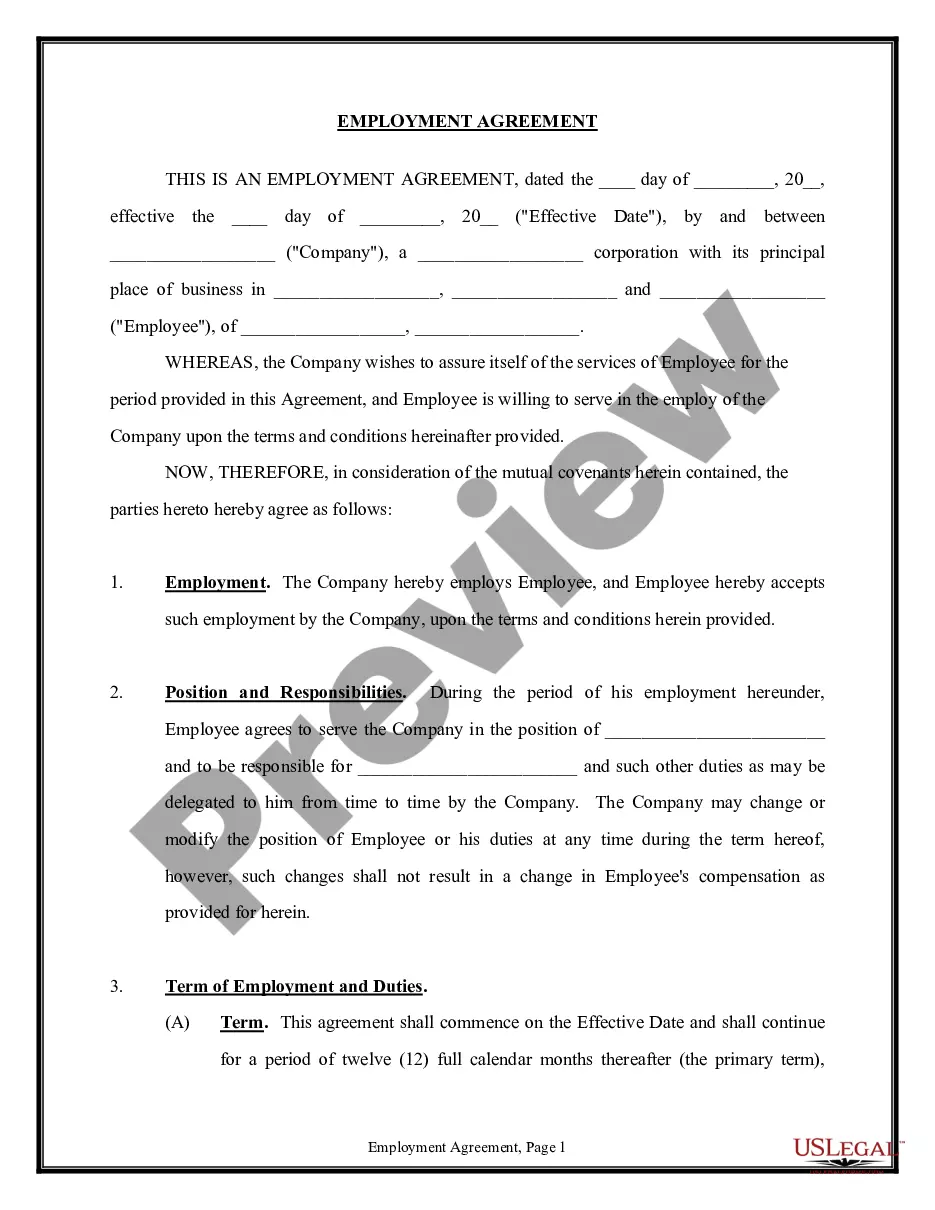
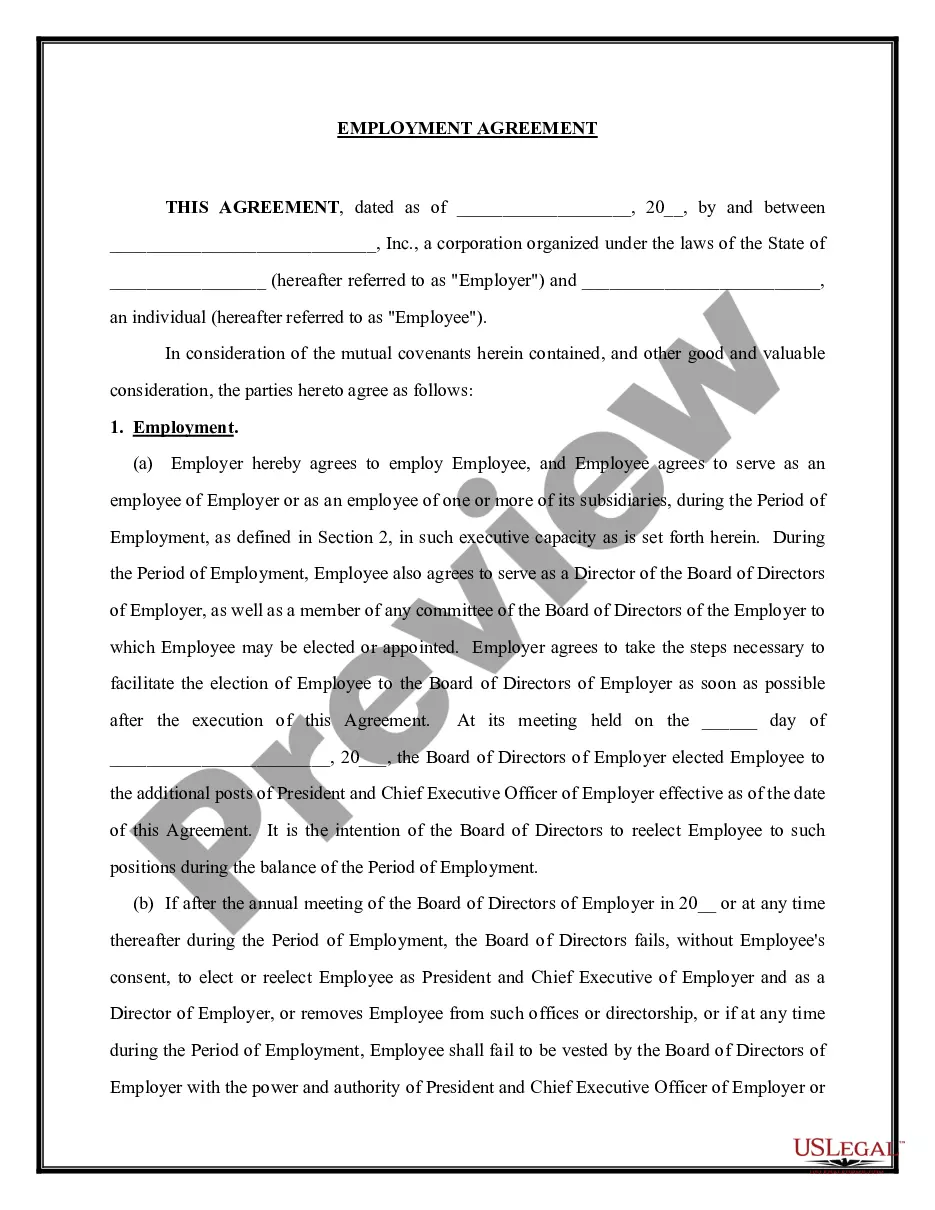
Get your form ready online
Our built-in tools help you complete, sign, share, and store your documents in one place.
Make edits, fill in missing information, and update formatting in US Legal Forms—just like you would in MS Word.
Download a copy, print it, send it by email, or mail it via USPS—whatever works best for your next step.
Sign and collect signatures with our SignNow integration. Send to multiple recipients, set reminders, and more. Go Premium to unlock E-Sign.
If this form requires notarization, complete it online through a secure video call—no need to meet a notary in person or wait for an appointment.
We protect your documents and personal data by following strict security and privacy standards.

Make edits, fill in missing information, and update formatting in US Legal Forms—just like you would in MS Word.

Download a copy, print it, send it by email, or mail it via USPS—whatever works best for your next step.

Sign and collect signatures with our SignNow integration. Send to multiple recipients, set reminders, and more. Go Premium to unlock E-Sign.

If this form requires notarization, complete it online through a secure video call—no need to meet a notary in person or wait for an appointment.

We protect your documents and personal data by following strict security and privacy standards.
Looking for another form?




Form popularity
FAQ
A: Under fair housing laws people with disabilities cannot be discriminated against because of their disability. Denying an individual a reasonable accommodation, such as an assistance animal, is considered discrimination under fair housing laws.
As a landlord, you can verify the letter in a number of ways. Keep in mind, however, that you may not, for any reason, have direct contact with your tenant's therapist. Attempting to do so may be considered a violation of federal law and the client could have cause to report you or your business to HUD.
The FHA applies to nearly all housing situations and gives emotional support animal owners protection from pet restrictions and fees. The ACAA was changed at the beginning of 2021 to exclude emotional support animals and no longer offers protections for air travel.
A. Yes. Housing providers, including shelters and other forms of temporary or supportive housing, must permit residents to keep emotional support animals as a reasonable accommodation for a disability, unless it would cause an undue hardship to the housing provider.
If the landlord will not agree to the ESA, you could sue them for damages such as you added emotional distress, additional expenses incurred having to find somewhere else to live, put things in storage, etc., and for punitive damages up to 3 times the amount of any actual damages. I know this is a lot of information.
Just like the other 49 states, New York does not require registration for either emotional support or psychiatric service animals. As long as you have a legitimate ESA letter, composed and signed by a medical professional, you are allowed to have your ESA in your home without the need to register it.
A. Yes. Housing providers, including shelters and other forms of temporary or supportive housing, must permit residents to keep emotional support animals as a reasonable accommodation for a disability, unless it would cause an undue hardship to the housing provider.
There are several laws covering emotional support animals that every handler should know. The Rehabilitation Act of 1973. Federal Fair Housing Amendments Act. The Air Carrier Access Act. Americans With Disabilities Act. Fair Housing Act.
For a person to legally have an emotional support animal (ESA), the owner must be considered to have a qualifying mental health or psychiatric disability by a licensed mental health professional (e.g., therapist, psychologist, psychiatrist, etc.), which is documented by a properly formatted prescription letter.
