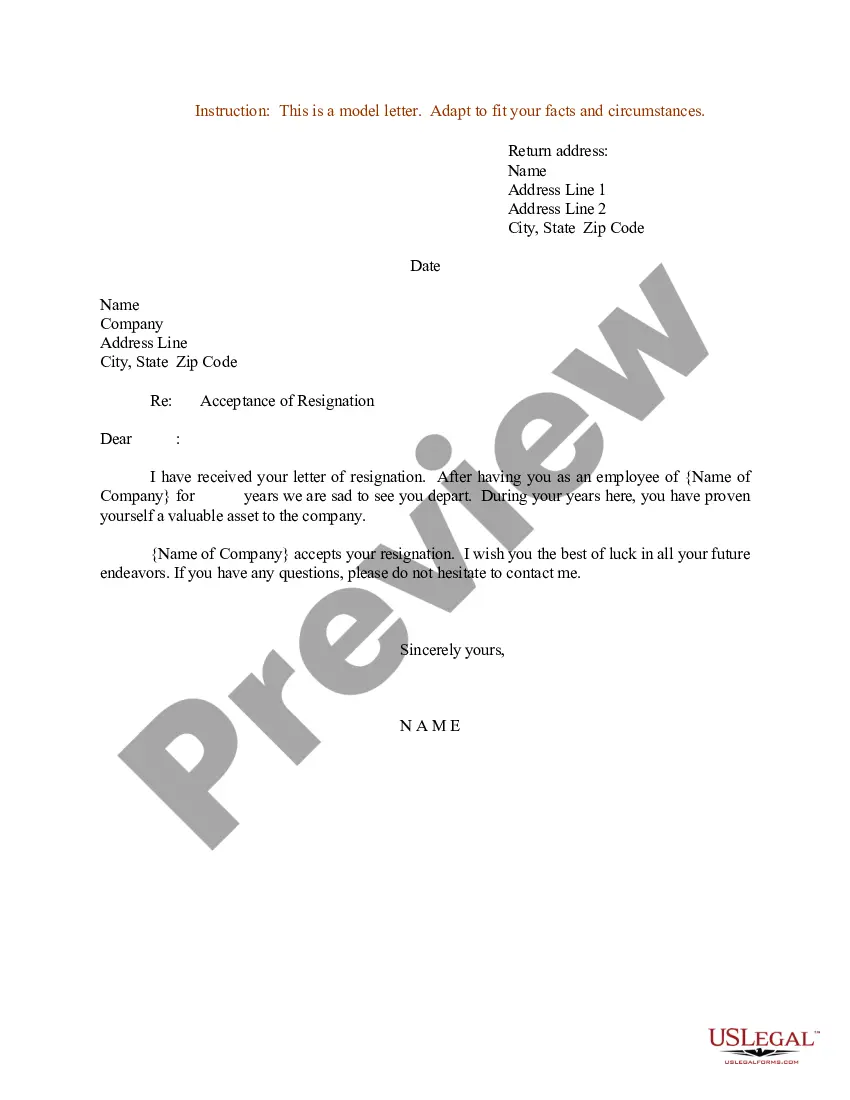
Lease Agreement For Employee Housing In Arizona
Description
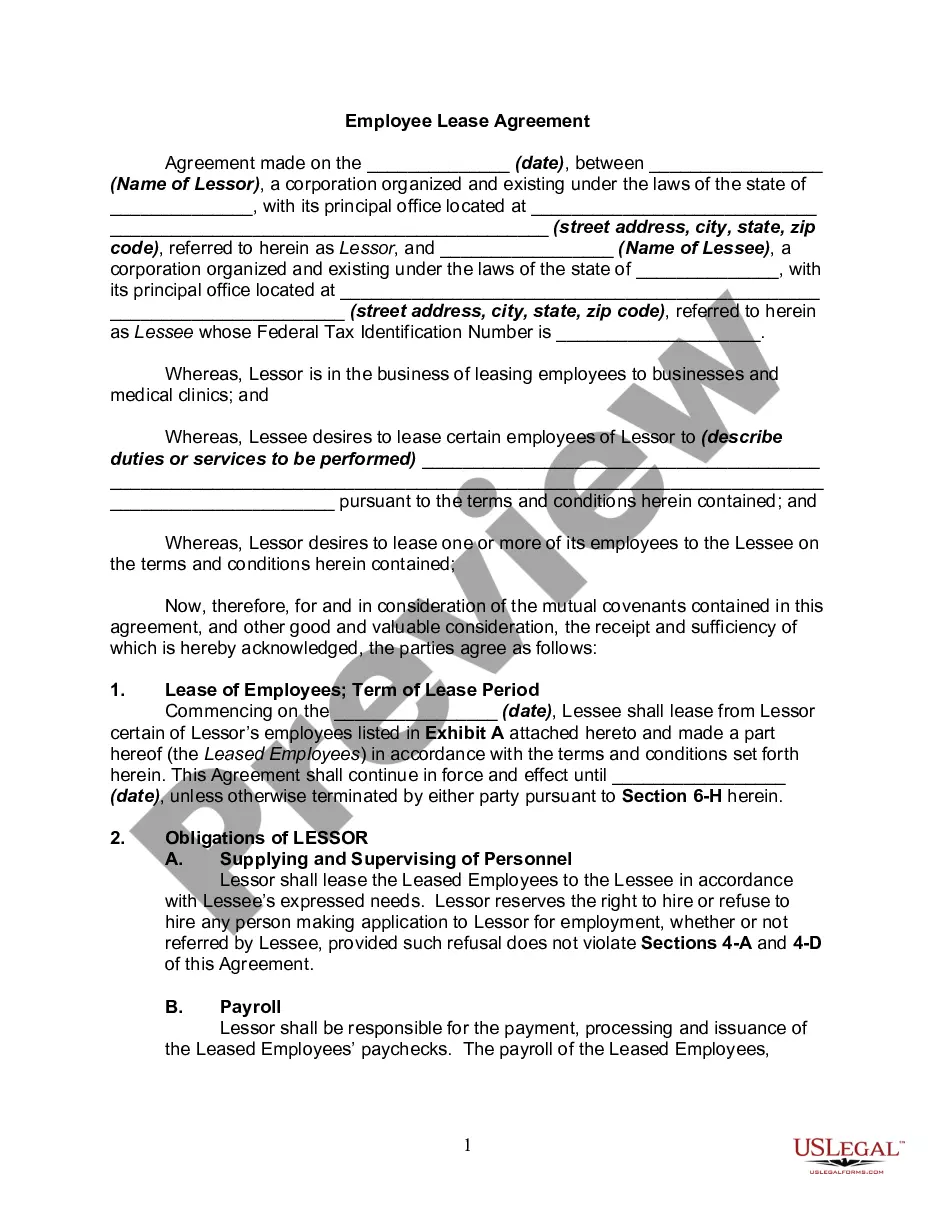
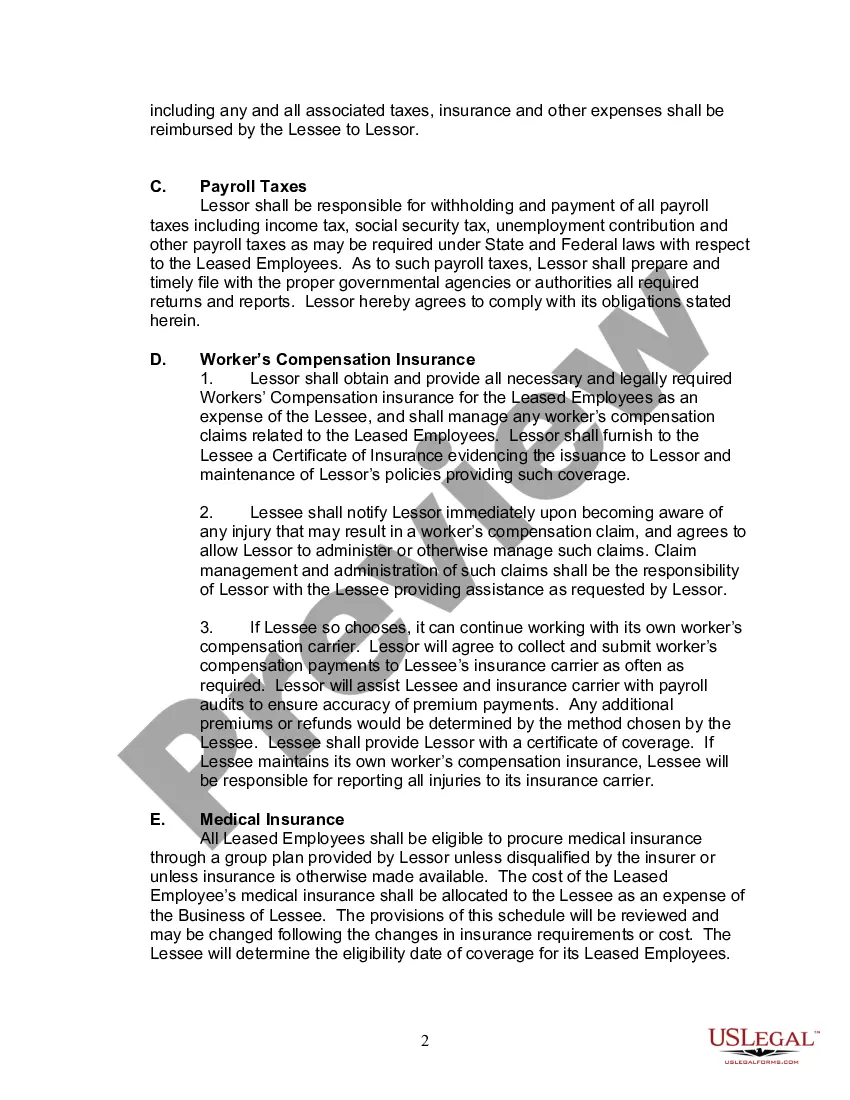
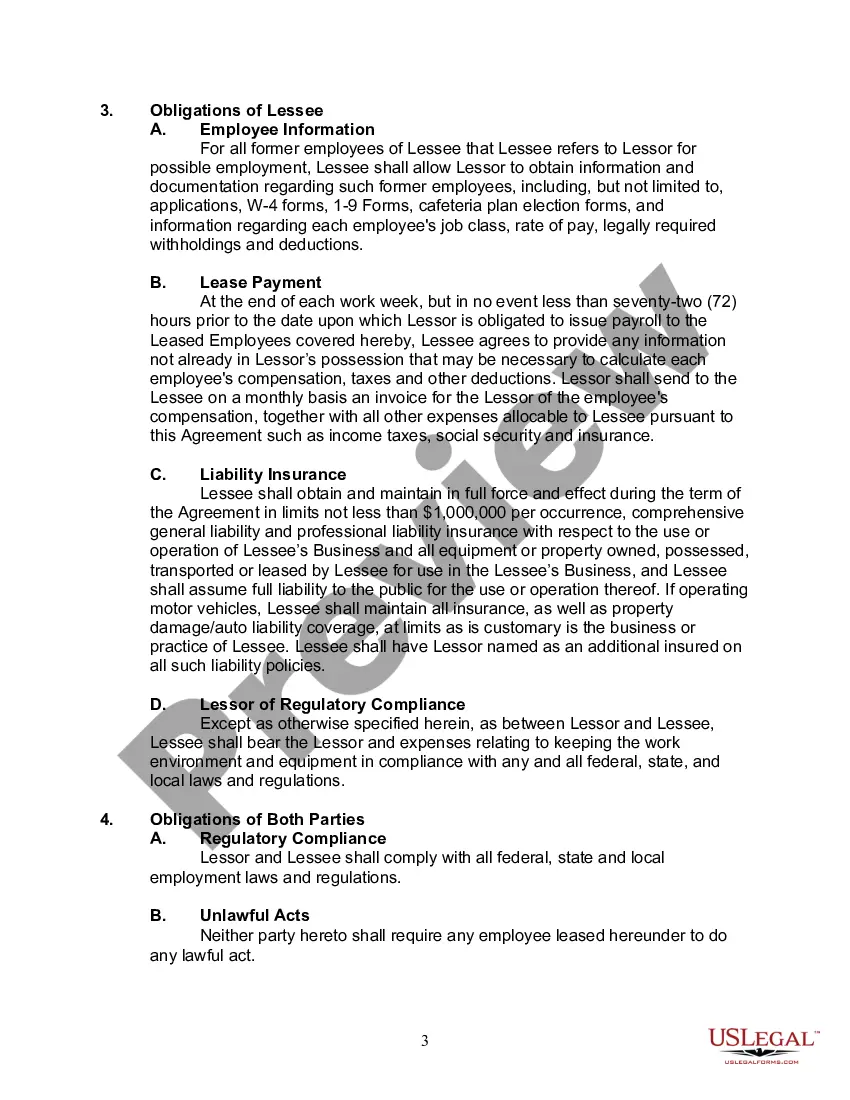
Get your form ready online
Our built-in tools help you complete, sign, share, and store your documents in one place.
Make edits, fill in missing information, and update formatting in US Legal Forms—just like you would in MS Word.
Download a copy, print it, send it by email, or mail it via USPS—whatever works best for your next step.
Sign and collect signatures with our SignNow integration. Send to multiple recipients, set reminders, and more. Go Premium to unlock E-Sign.
If this form requires notarization, complete it online through a secure video call—no need to meet a notary in person or wait for an appointment.
We protect your documents and personal data by following strict security and privacy standards.

Make edits, fill in missing information, and update formatting in US Legal Forms—just like you would in MS Word.

Download a copy, print it, send it by email, or mail it via USPS—whatever works best for your next step.

Sign and collect signatures with our SignNow integration. Send to multiple recipients, set reminders, and more. Go Premium to unlock E-Sign.

If this form requires notarization, complete it online through a secure video call—no need to meet a notary in person or wait for an appointment.

We protect your documents and personal data by following strict security and privacy standards.
Looking for another form?

Form popularity
FAQ
An occupancy limitation of two persons per bedroom residing in a dwelling unit shall be presumed reasonable for this state and all political subdivisions of this state.
It is possible to draft your own lease agreement, but you are leaving yourself open to issues.
What to include in an apartment lease agreement. Tenant information. Include each tenant's full name and contact information. Rental property description. List the apartment's location, all common areas, parking spaces, and included facilities. Security deposit. Monthly rent amount. Utilities. Lease term. Policies. Late fees.
Here's a list of standard fields that you should include in your lease agreement: Tenant information. Include each tenant's full name and contact information. Rental property description. Security deposit. Monthly rent amount. Utilities. Lease term. Policies. Late fees.
A residential lease is a contract between a landlord and a tenant - or a lessor and a lessee. It will outline and detail the terms under which the tenant can occupy the landlord's property.
At this time, California is the only state in which employer-provided lodging is subject to taxation. Although state income tax does not apply, lodging is subject to other taxes: State Unemployment Insurance, Employee Training Tax and State Disability Insurance.
If this is a house, apartment, condo, flat, or vehicle you will need permission from the landlord/owner. Then that person will have to qualify with the landlord/owner to get the lease from you. You cannot just say another person gets the lease. It must be approved before you can stop making payments.
33-1324, the landlord is required to "make all repairs and do whatever is necessary to put and keep the premises in a fit and habitable condition." (complete statute below). Pursuant to A.R.S. 33-1361, if the landlord fails to keep the premises fit and habitable, you have a few options.
The assignor must agree to assign their rights and duties under the contract to the assignee. The assignee must agree to accept, or "assume," those contractual rights and duties. The other party to the initial contract must consent to the transfer of rights and obligations to the assignee.