Form Assignment Account With Inventory In Oakland
Description









Get your form ready online
Our built-in tools help you complete, sign, share, and store your documents in one place.
Make edits, fill in missing information, and update formatting in US Legal Forms—just like you would in MS Word.
Download a copy, print it, send it by email, or mail it via USPS—whatever works best for your next step.
Sign and collect signatures with our SignNow integration. Send to multiple recipients, set reminders, and more. Go Premium to unlock E-Sign.
If this form requires notarization, complete it online through a secure video call—no need to meet a notary in person or wait for an appointment.
We protect your documents and personal data by following strict security and privacy standards.

Make edits, fill in missing information, and update formatting in US Legal Forms—just like you would in MS Word.

Download a copy, print it, send it by email, or mail it via USPS—whatever works best for your next step.

Sign and collect signatures with our SignNow integration. Send to multiple recipients, set reminders, and more. Go Premium to unlock E-Sign.

If this form requires notarization, complete it online through a secure video call—no need to meet a notary in person or wait for an appointment.

We protect your documents and personal data by following strict security and privacy standards.
Looking for another form?
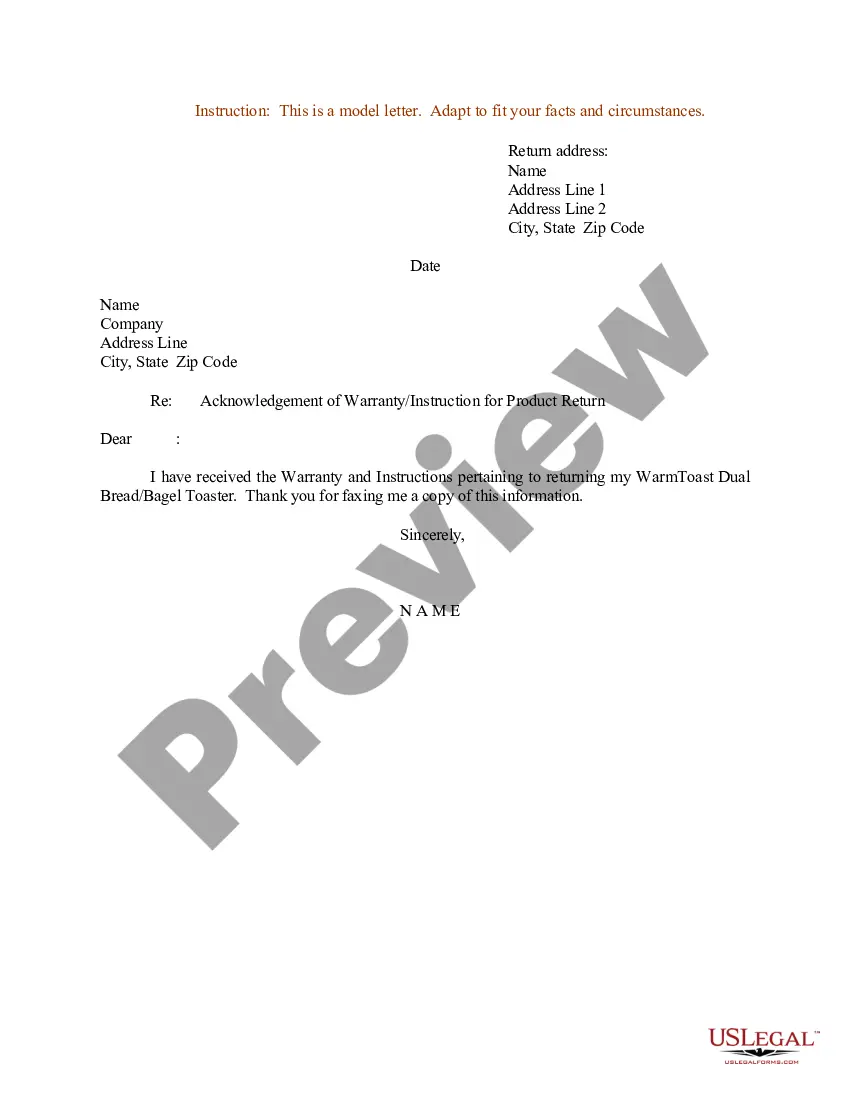
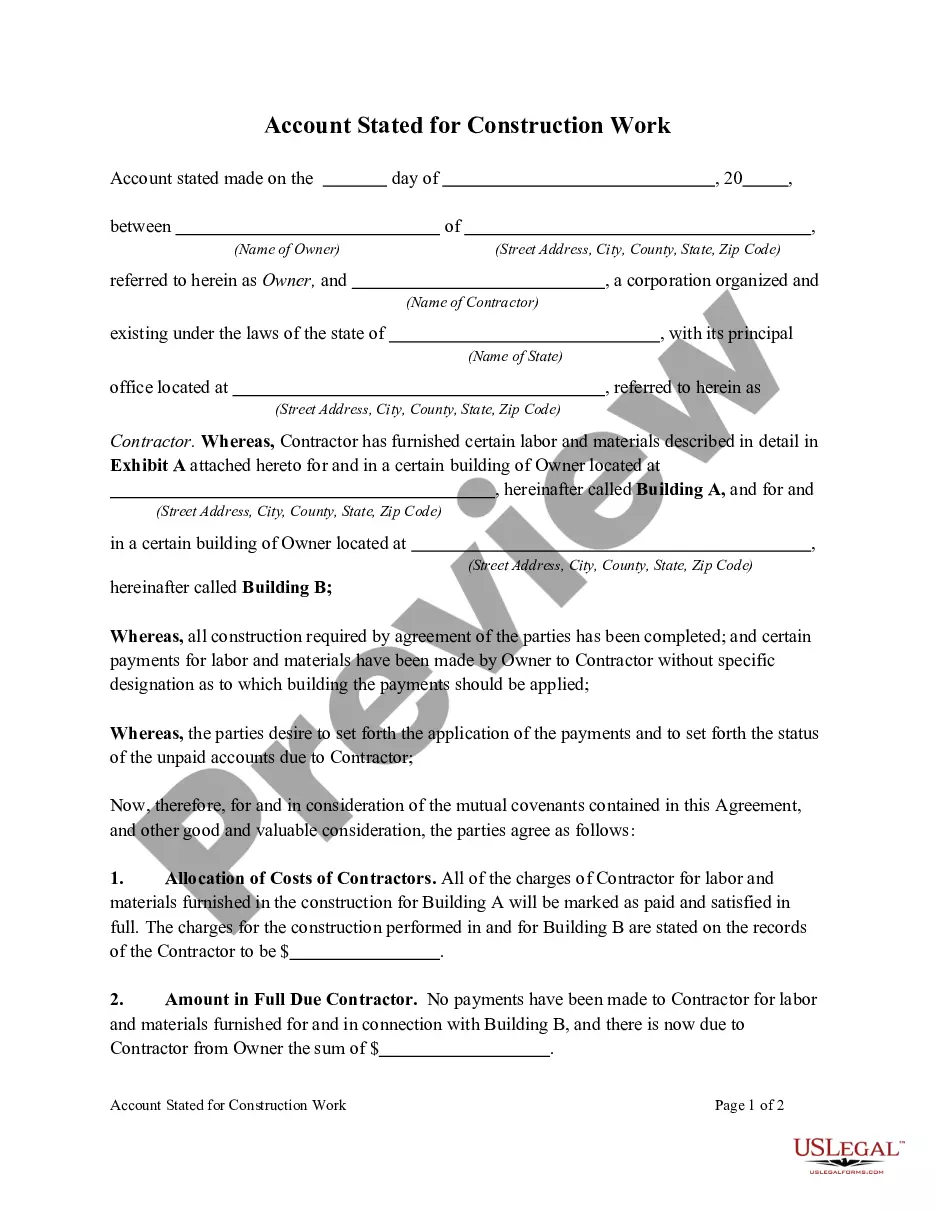

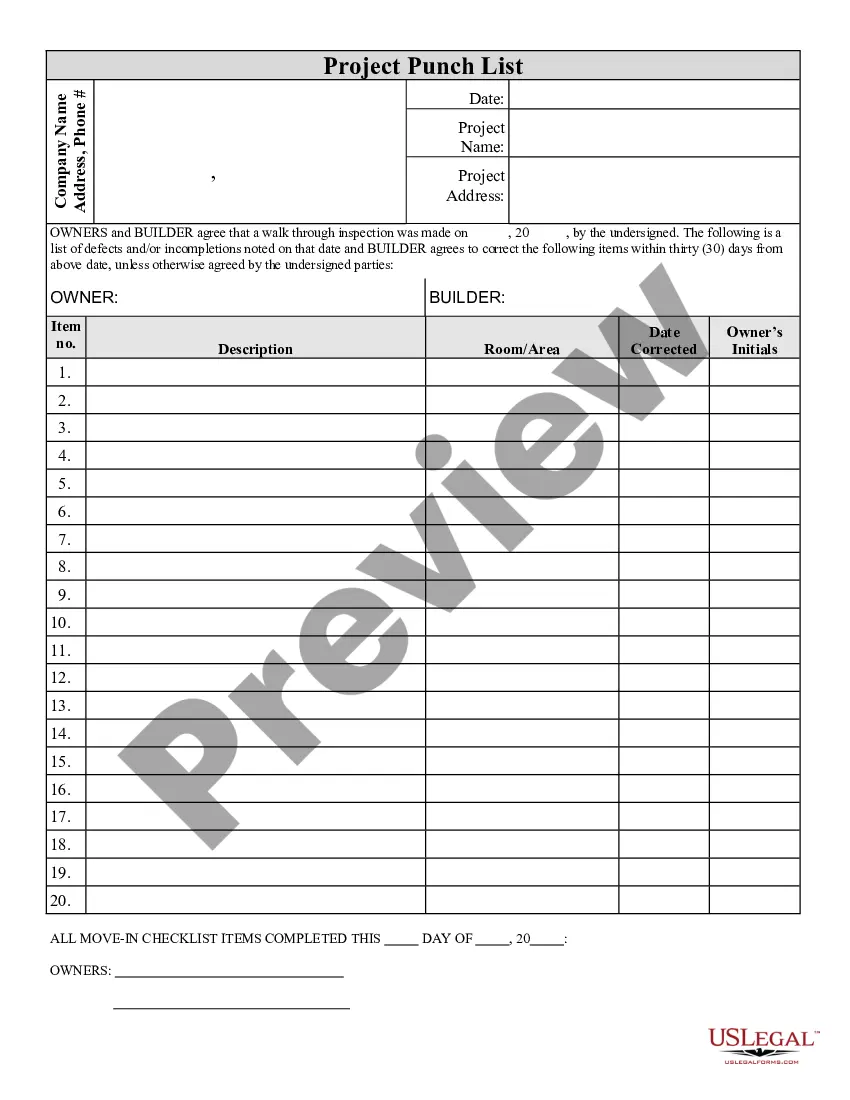






Form popularity
FAQ
Required Elements of a Real Estate Contract To establish legality, a real estate contract must include a legal purpose, legally competent parties, agreement by offer and acceptance, consideration, and consent.
Writing your own contracts is perfectly possible, and legal. But it's also an incredibly bad idea. There's two reasons for this: Property law is complicated. Because it's such a fundamental part of legislation, it's often lots and lots of different laws layered on top of each other.
As a general rule, then, contracts interpreted under California law may be assigned; however, to be effective, there must be evidence that the assignor (the party assigning the contract) intended to transfer the assignor's title or ownership of the rights and obligations under the contract to the assignee (the party ...
California generally requires for the executor to distribute assets within a year of being appointed, although there are many circumstances that can cause the executor to require more time, which they may be able to get by requesting an extension from the court.
If the estate cannot be closed within one year after issuance of Letters (or 18 months if the estate is required to file a federal estate tax return), the Personal Representative must file a verified report on the status of the estate.
If the estate cannot be closed within one year after issuance of Letters (or 18 months if the estate is required to file a federal estate tax return), the Personal Representative must file a verified report on the status of the estate.
Kerri Mast: There is a range regarding how long it takes to settle an estate and several factors at play, including the asset value and complexity. Simple estates might be settled within six months. Complex estates, those with a lot of assets or assets that are complex or hard to value can take several years to settle.
State laws typically govern the specific timeframe for keeping an estate open after death, but the average is about two years. The duration an estate remains open depends on how fast it goes through the probate process, how quickly the executor can fulfill their responsibilities, and the complexity of the estate.