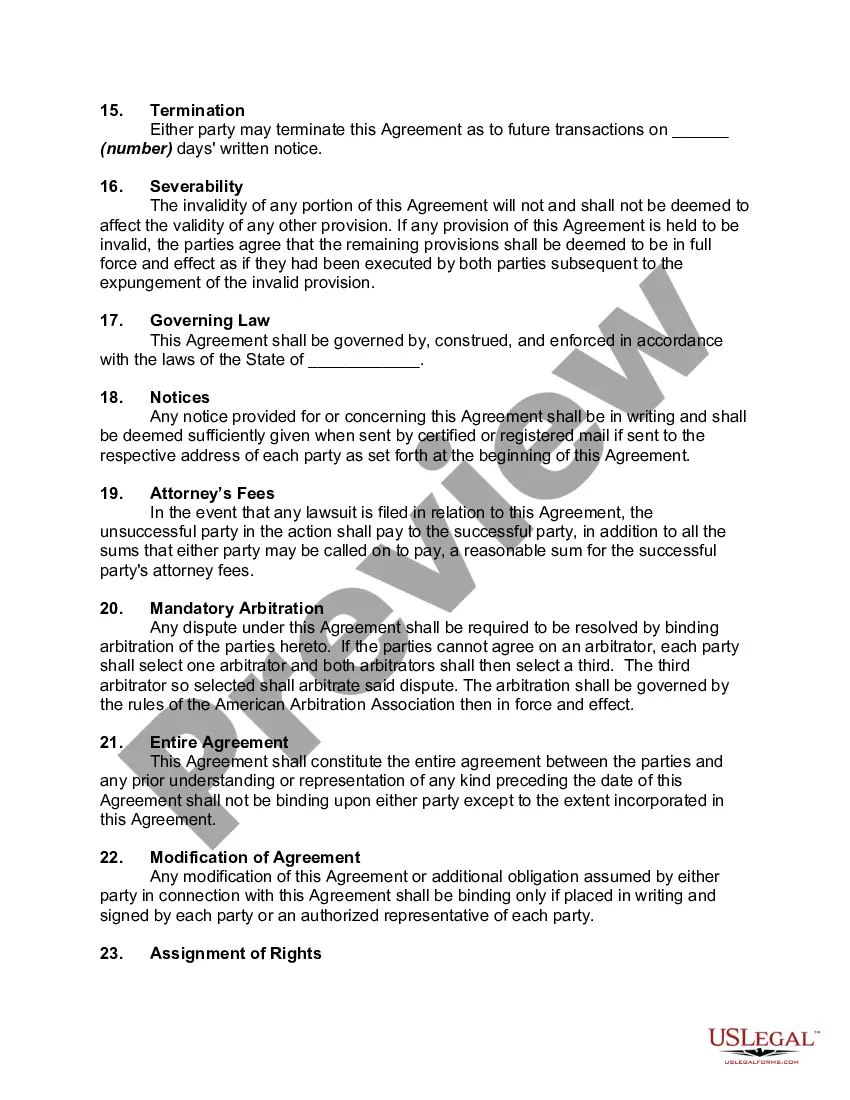
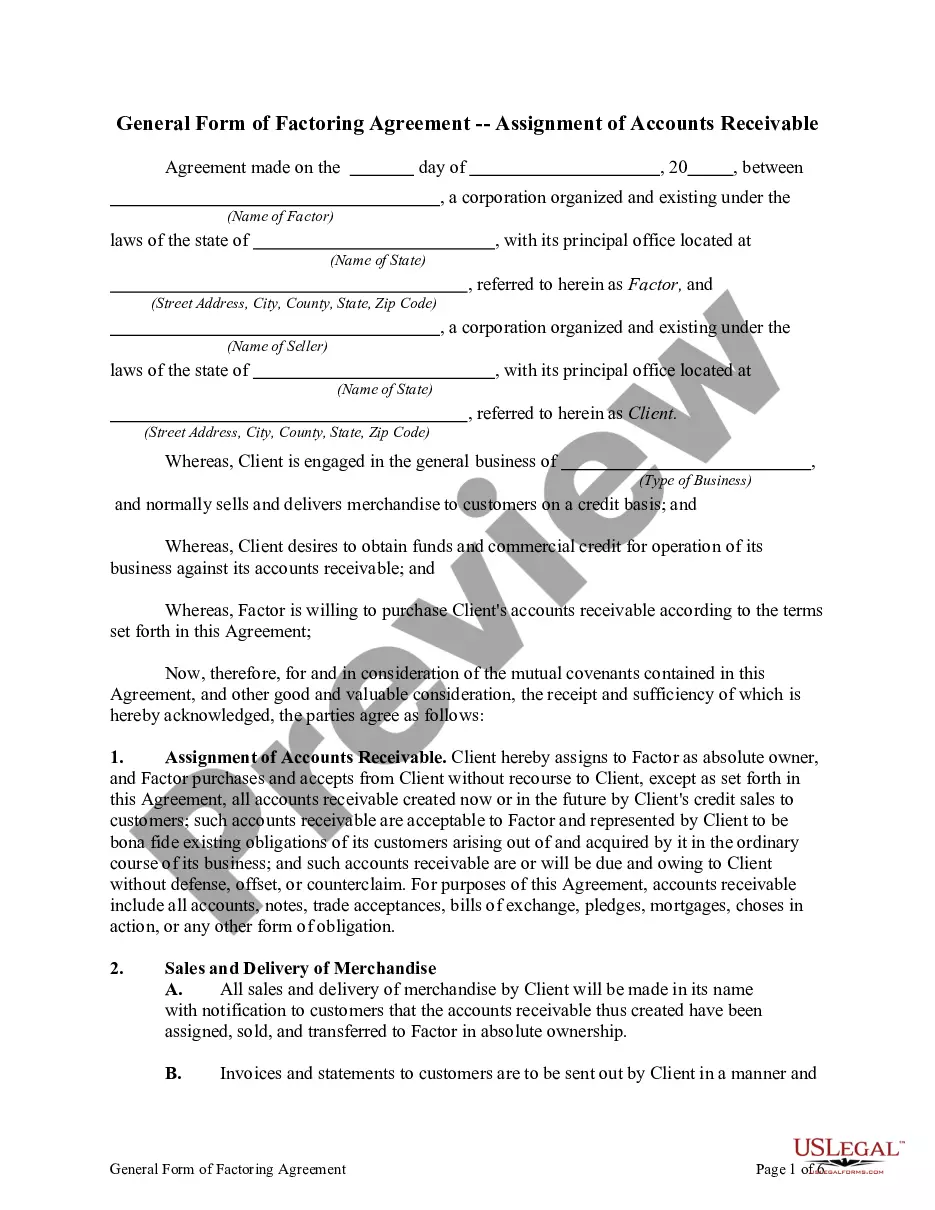
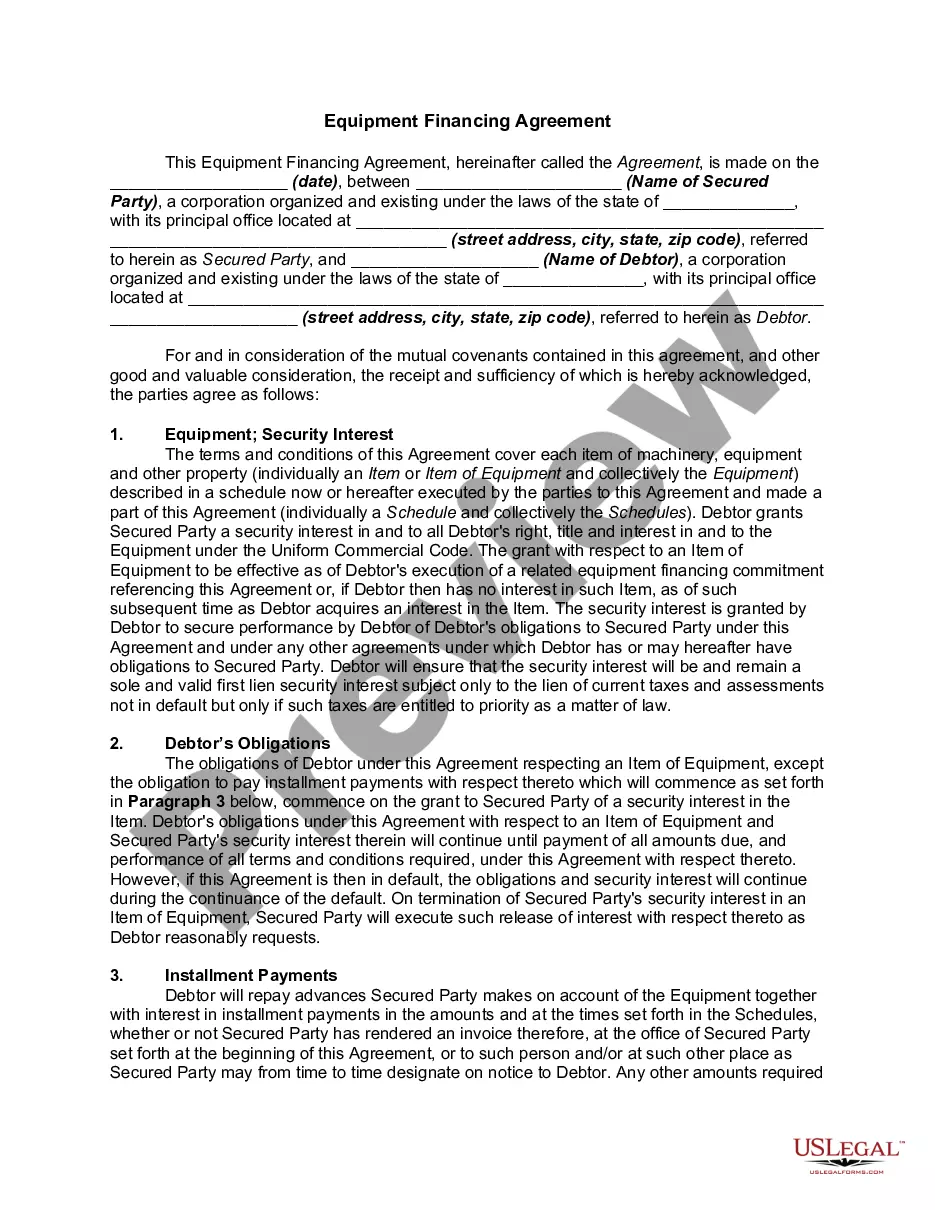
Factoring Agreement Draft For Dummies In Kings
Description


Get your form ready online
Our built-in tools help you complete, sign, share, and store your documents in one place.
Make edits, fill in missing information, and update formatting in US Legal Forms—just like you would in MS Word.
Download a copy, print it, send it by email, or mail it via USPS—whatever works best for your next step.
Sign and collect signatures with our SignNow integration. Send to multiple recipients, set reminders, and more. Go Premium to unlock E-Sign.
If this form requires notarization, complete it online through a secure video call—no need to meet a notary in person or wait for an appointment.
We protect your documents and personal data by following strict security and privacy standards.

Make edits, fill in missing information, and update formatting in US Legal Forms—just like you would in MS Word.

Download a copy, print it, send it by email, or mail it via USPS—whatever works best for your next step.

Sign and collect signatures with our SignNow integration. Send to multiple recipients, set reminders, and more. Go Premium to unlock E-Sign.

If this form requires notarization, complete it online through a secure video call—no need to meet a notary in person or wait for an appointment.

We protect your documents and personal data by following strict security and privacy standards.
Looking for another form?


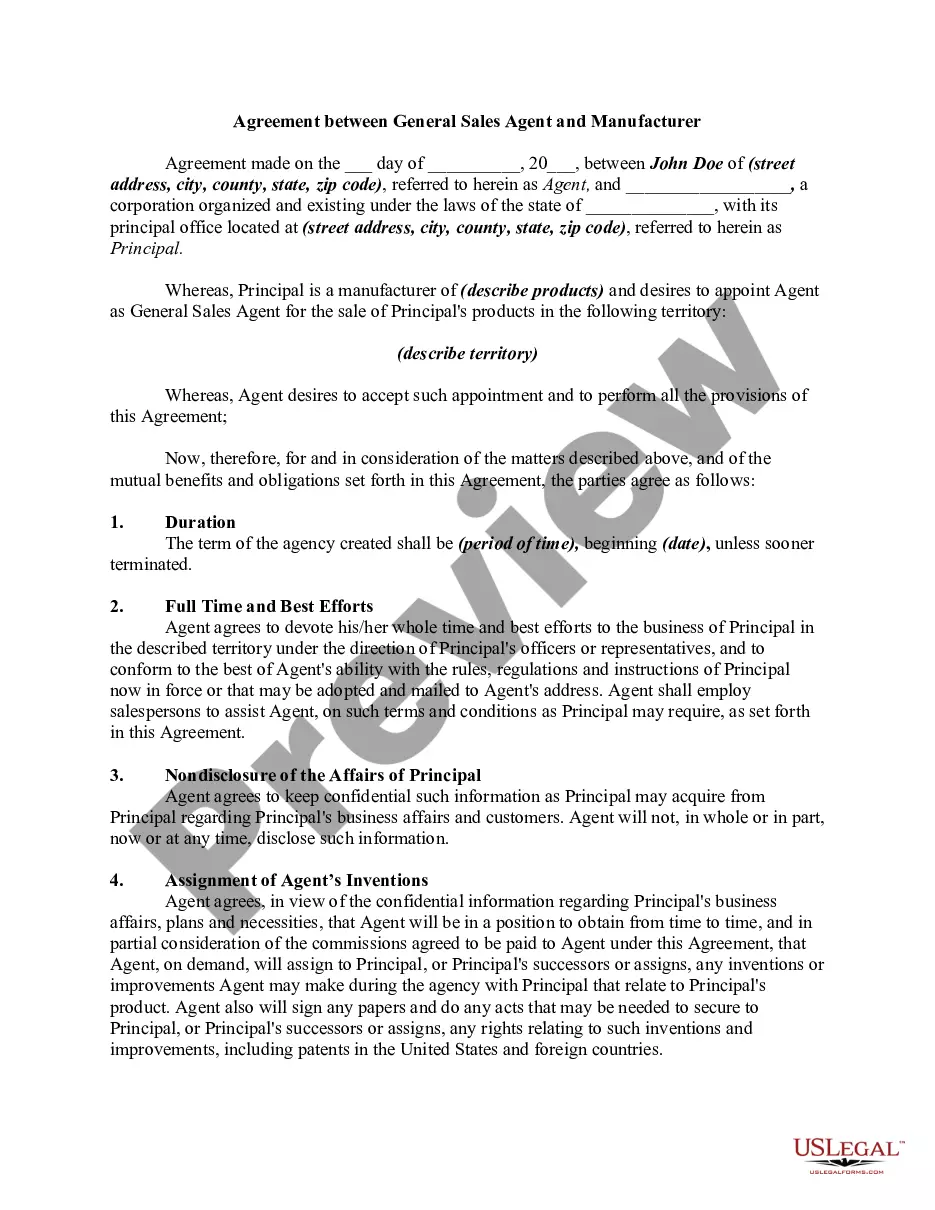
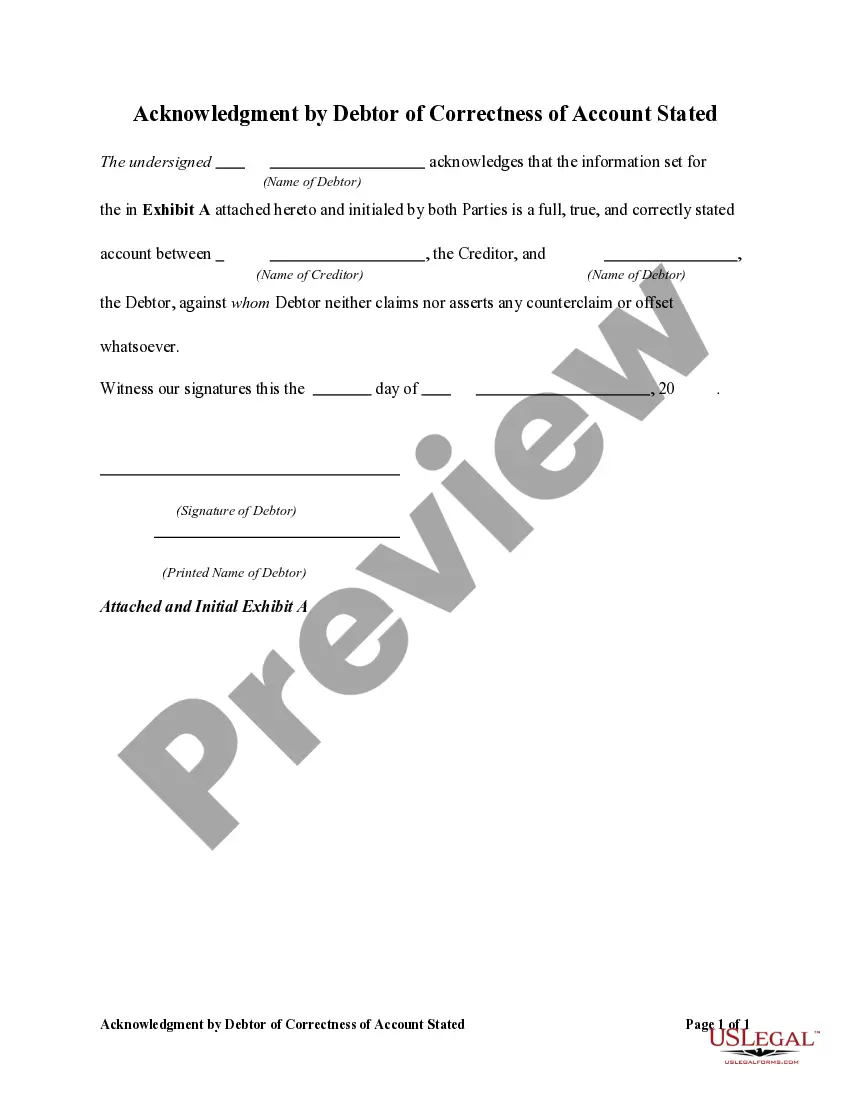
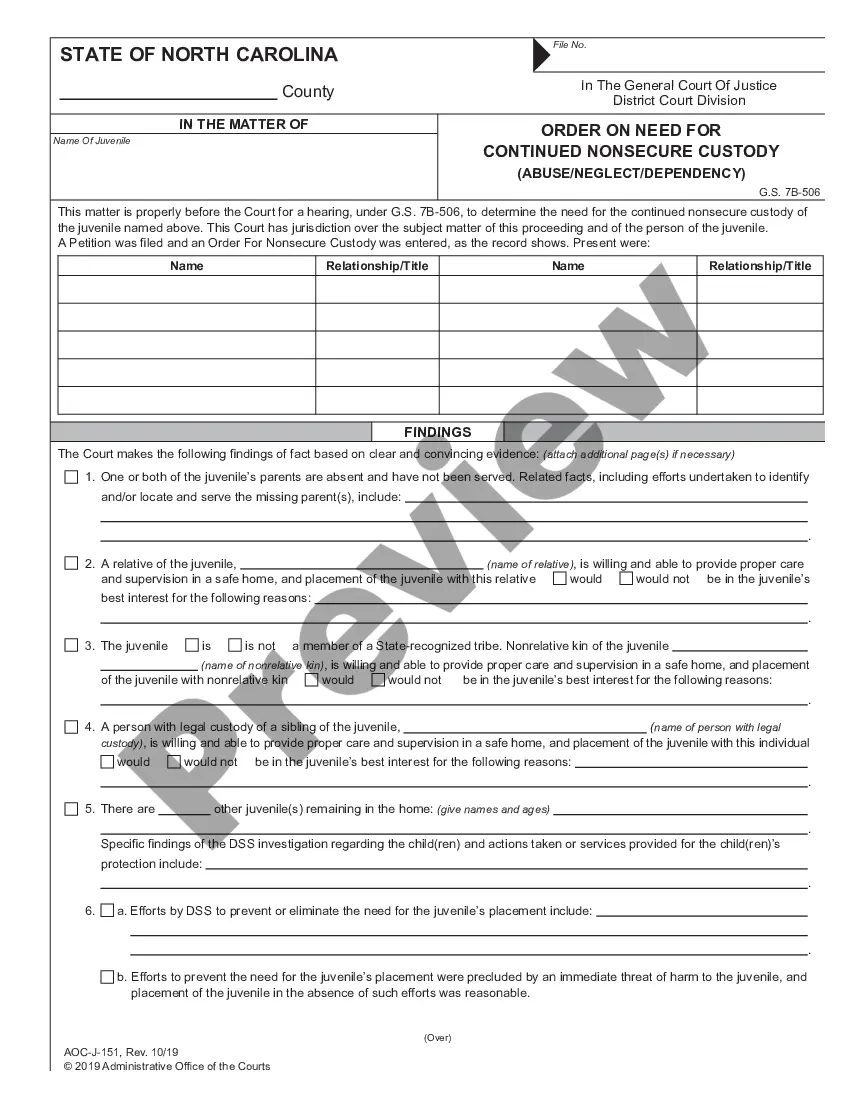
Form popularity
FAQ
This will help you understand your rights and options. Contact the factoring company. Talk to the factoring company directly and explain the situation. Ask them why the release hasn't been issued yet and when you can expect it. Be polite and professional, but be firm in your request. Get everything in writing.
Submit Termination Notice & Confirm Buyout Eligibility Date If you plan on waiting to the end of the term, identify when and how to submit your official notice and confirm your eligibility date. Review your current factoring agreement to ensure you are submitting the termination notice correctly.
Exiting a factoring agreement requires a proper notice within a notice window. Ensure to set your calendar for reminders to send your termination notices and that they are accepted.
When businesses sell their receivables to a factor, they no longer control those receivables. This means they can't use them as collateral for other financing services, limiting their options for securing additional funds.
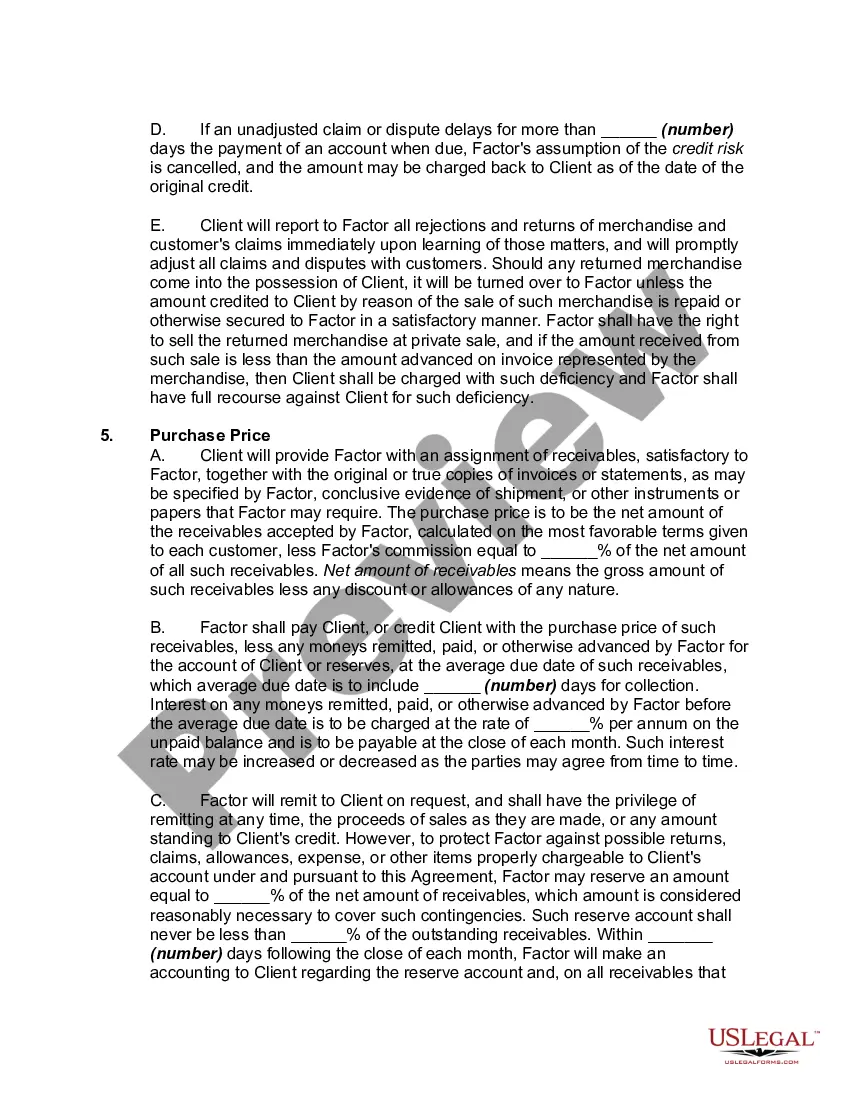
You need to consider the fees associated with switching before committing to the change. Once you've decided to leave your current factor, you will need to give notice. All factoring companies require written notice to terminate the contract. The expectation is usually 30 – 60 days prior to the renewal date.
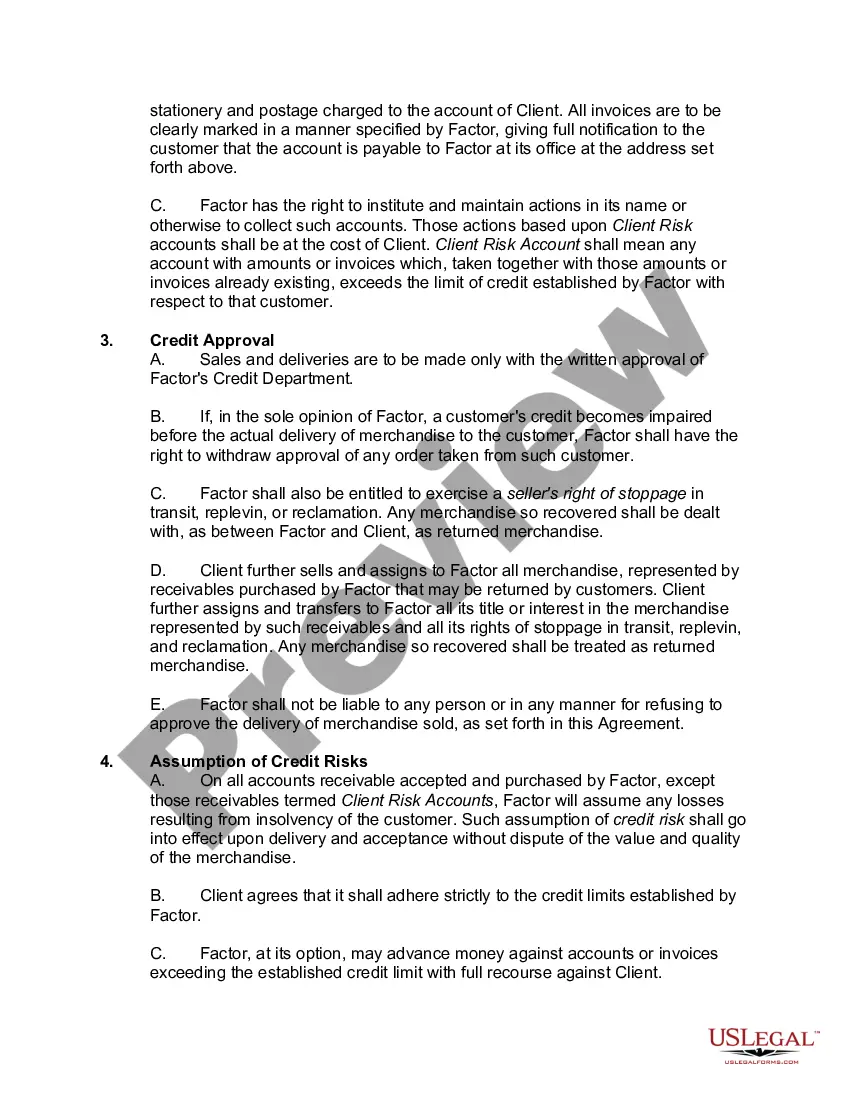
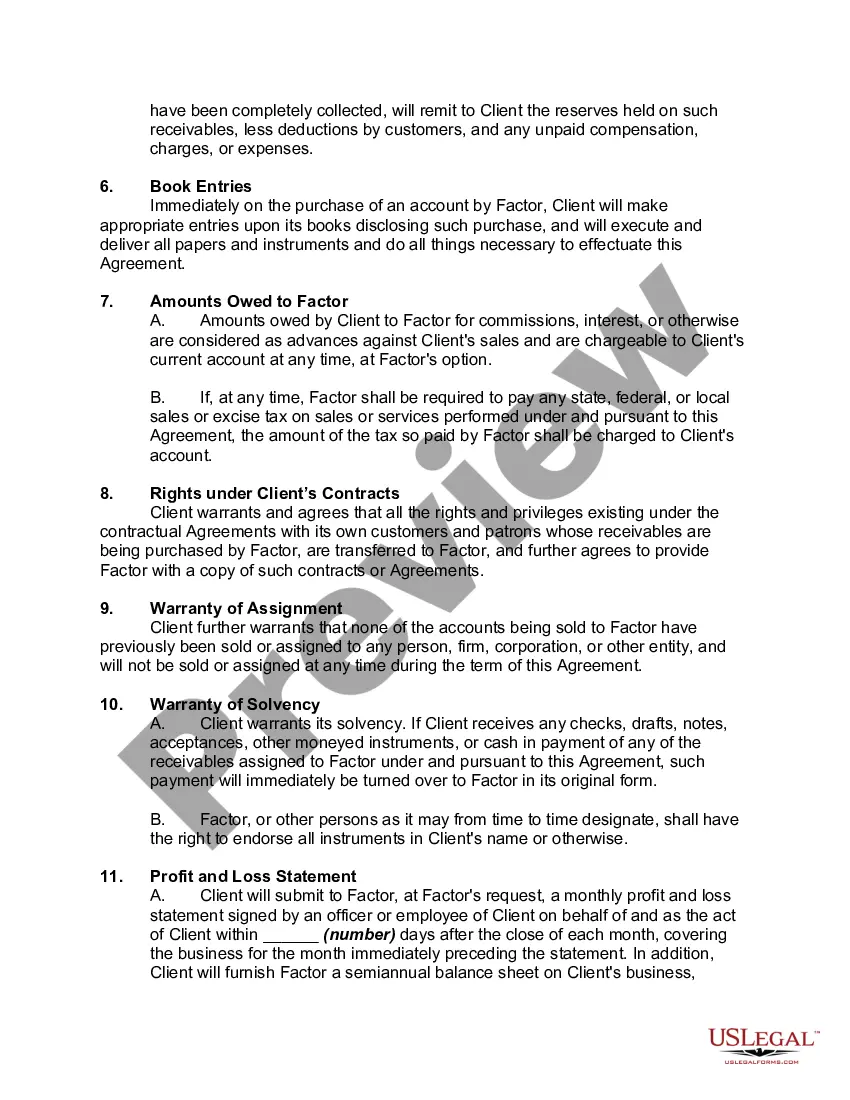
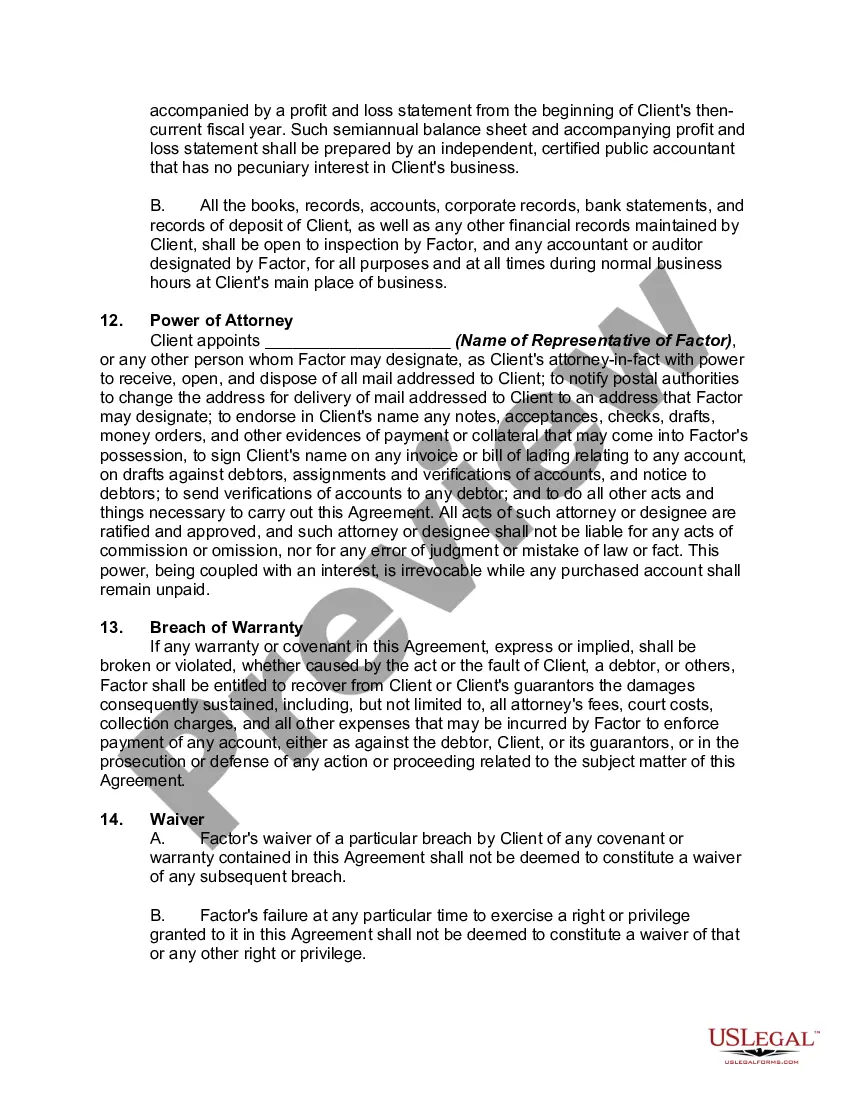
A factoring relationship involves three parties: (i) a buyer, who is a person or a commercial enterprise to whom the services are supplied on credit, (ii) a seller, who is a commercial enterprise which supplies the services on credit and avails the factoring arrangements, and (iii) a factor, which is a financial ...
The factoring agreement will also include representations that each factored account is bona fide and represents indebtedness incurred by the customer for goods actually sold and delivered to the customer; that there are no setoffs, offsets, or counterclaims against the account; that the account does not represent a ...
The parties to the agreement are the parties that assume the obligations, responsibilities, and benefits of a legally valid agreement. The contract parties are identified in the contract, which includes their names, addresses, and contact information.
A factoring agreement involves three key parties: The business selling its outstanding invoices or accounts receivable. The factor, which is the company providing factoring services. The company's client, responsible for making payments directly to the factor for the invoiced amount.
