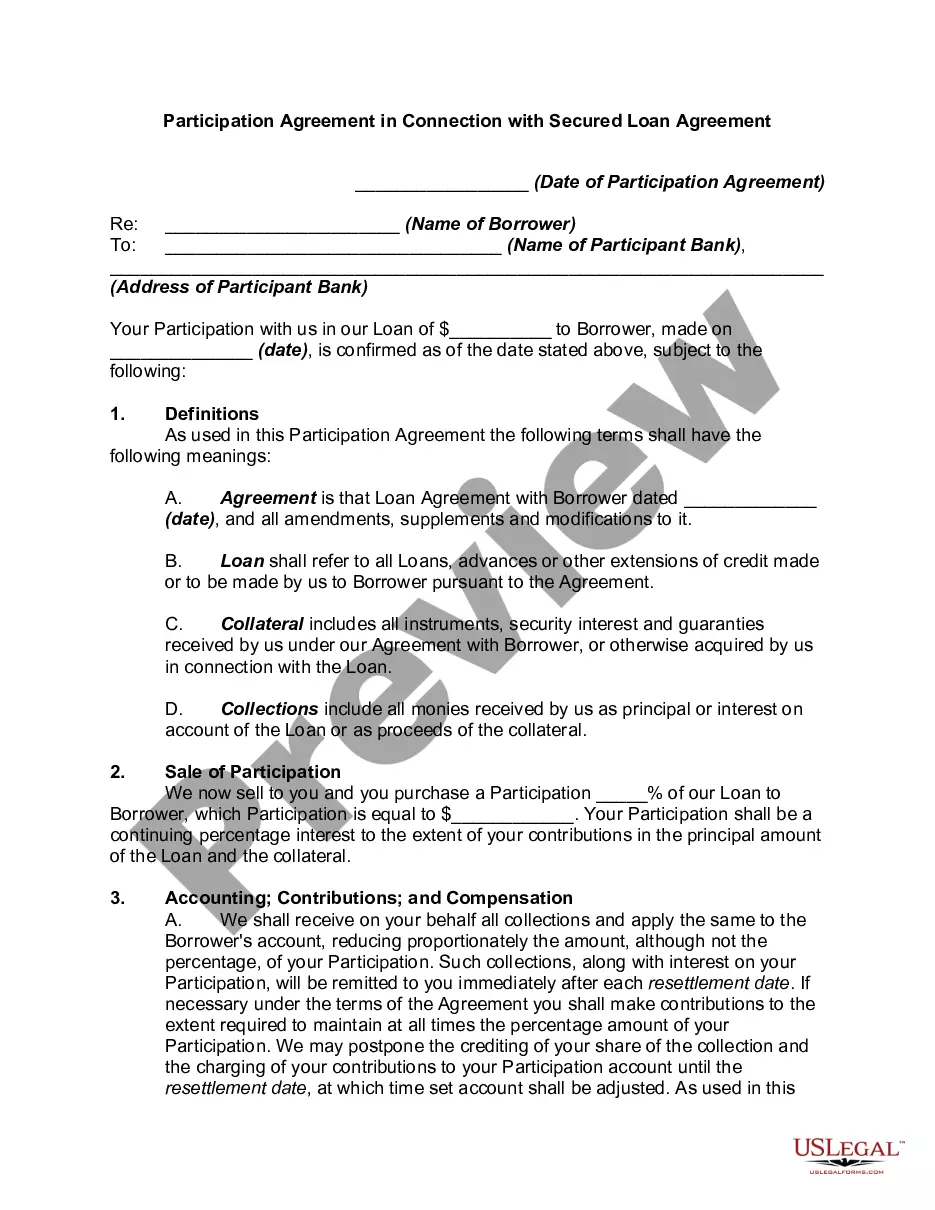
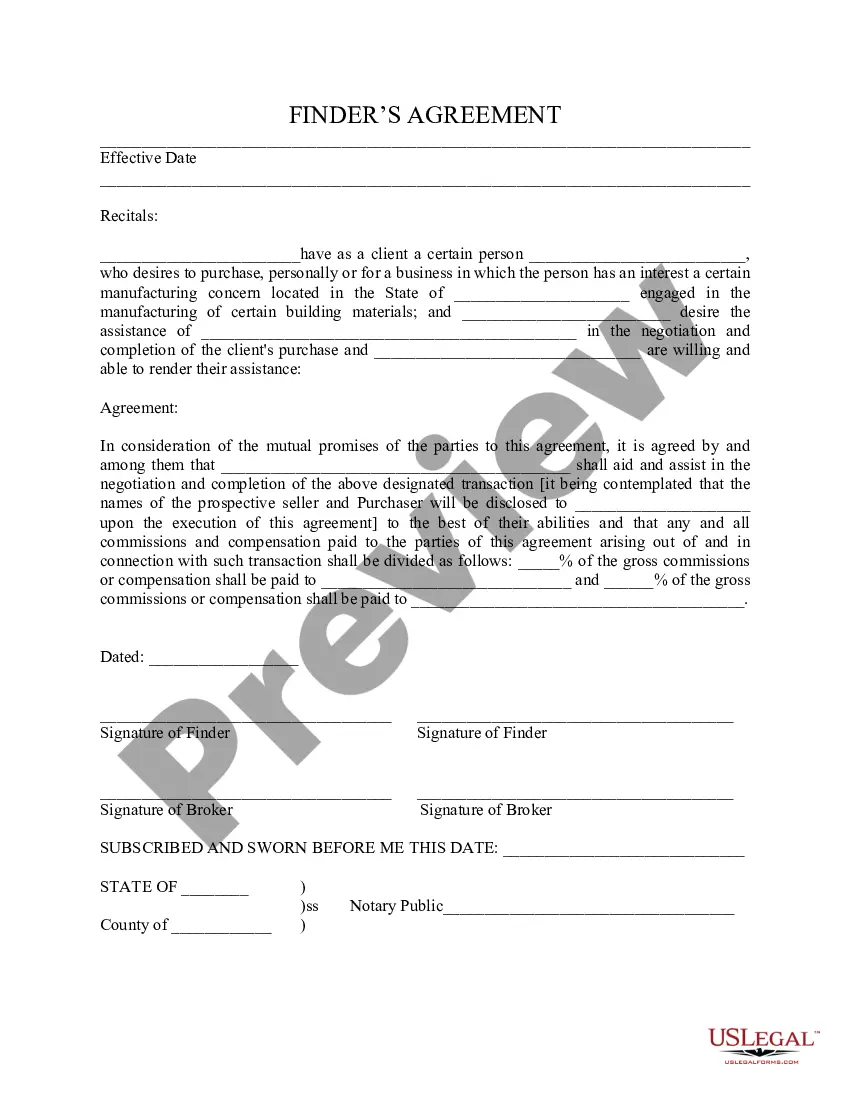
Simple Cost Sharing Agreement Withholding Tax In San Diego
Description






Get your form ready online
Our built-in tools help you complete, sign, share, and store your documents in one place.
Make edits, fill in missing information, and update formatting in US Legal Forms—just like you would in MS Word.
Download a copy, print it, send it by email, or mail it via USPS—whatever works best for your next step.
Sign and collect signatures with our SignNow integration. Send to multiple recipients, set reminders, and more. Go Premium to unlock E-Sign.
If this form requires notarization, complete it online through a secure video call—no need to meet a notary in person or wait for an appointment.
We protect your documents and personal data by following strict security and privacy standards.

Make edits, fill in missing information, and update formatting in US Legal Forms—just like you would in MS Word.

Download a copy, print it, send it by email, or mail it via USPS—whatever works best for your next step.

Sign and collect signatures with our SignNow integration. Send to multiple recipients, set reminders, and more. Go Premium to unlock E-Sign.

If this form requires notarization, complete it online through a secure video call—no need to meet a notary in person or wait for an appointment.

We protect your documents and personal data by following strict security and privacy standards.
Looking for another form?









Form popularity
FAQ
California sales tax overview The California (CA) state sales tax rate is 7.25%. This rate is made up of a base rate of 6%, plus a mandatory local rate of 1.25% that goes directly to city and county tax authorities. Depending on local sales tax jurisdictions, the total tax rate can be as high as 10.25%.
The City of San Diego assesses a Business Tax on any business operating within the City of San Diego. The City also assesses a Rental Unit Business Tax on any owner who rents residential property within its jurisdiction.
What is the Sales Tax in San Diego? San Diego city has a combined sales tax rate of 7.75% .
San Diego Tax Rate Breakdown California state sales tax rate: 7.25% San Diego county sales tax rate: 0.5% Combined San Diego sales tax rate: 7.75%
Tax Sharing and Allocation Agreements are contracts that describe and coordinate the allocation of tax responsibility and benefits among the named parties for a particular transaction or for a specific taxable period. Depending on the context, they may be called different names.
Currently, the TOT rate in San Diego is 10.5%. On Thursday, this will increase to 11.75%, 12.75% and 13.75% -- the highest rate closest to the convention center. The city estimates it will generate an additional $82 million in fiscal year 2026 and $1.04 billion in additional revenue in the first 10 years.
An insurance policy is a legal contract between the insurance company (the insurer) and the person(s), business, or entity being insured (the insured). Reading your policy helps you verify that the policy meets your needs and that you understand your and the insurance company's responsibilities if a loss occurs.
You may reduce the amount of tax withheld from your wages by claiming one additional withholding allowance for each $1,000, or fraction of $1,000, by which you expect your estimated deductions for the year to exceed your allowable standard deduction.
Seller/Transferor and Buyer/Transferee must complete the perjury statement, sign and date on Side 3 of Form 593 when the initial sale occurs. For the remaining installment payments, the Buyer/Transferee must sign all subsequent Form 593s. Seller/Transferor is not required to sign for subsequent payments.