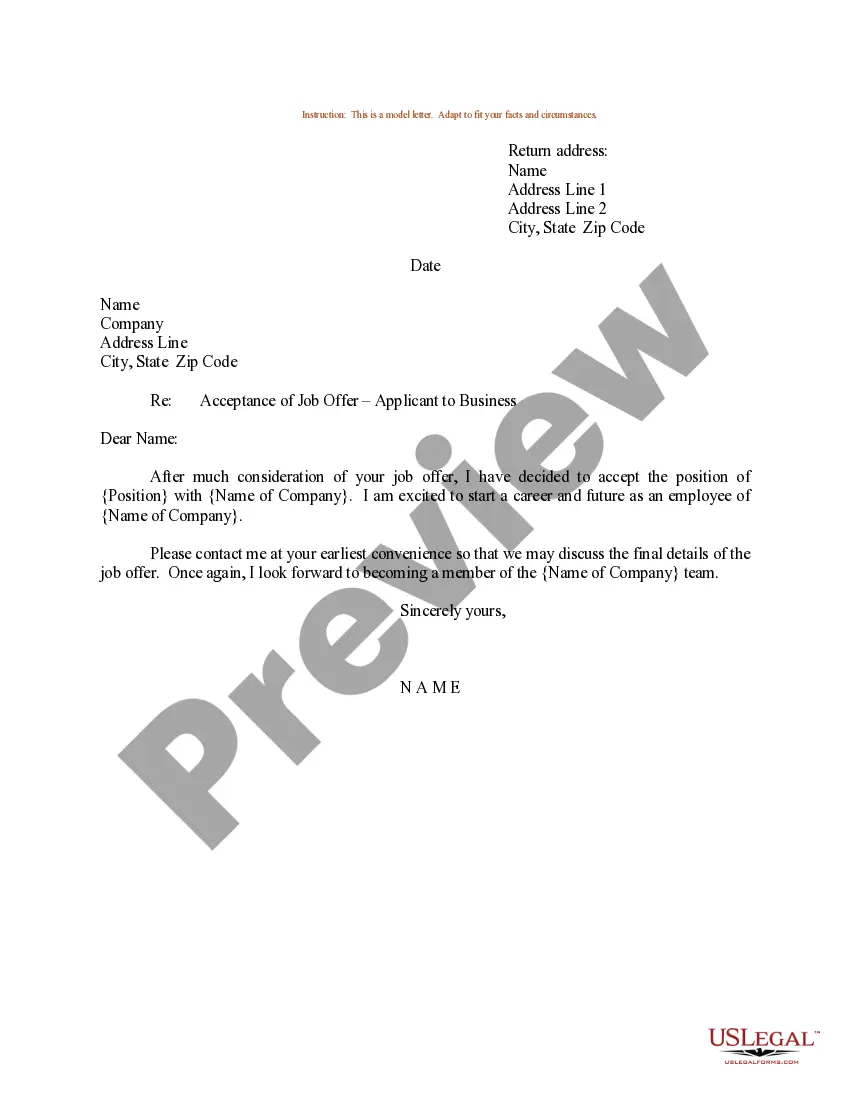
Equity Ownership Agreement Template With Bonus In Sacramento
Description






Get your form ready online
Our built-in tools help you complete, sign, share, and store your documents in one place.
Make edits, fill in missing information, and update formatting in US Legal Forms—just like you would in MS Word.
Download a copy, print it, send it by email, or mail it via USPS—whatever works best for your next step.
Sign and collect signatures with our SignNow integration. Send to multiple recipients, set reminders, and more. Go Premium to unlock E-Sign.
If this form requires notarization, complete it online through a secure video call—no need to meet a notary in person or wait for an appointment.
We protect your documents and personal data by following strict security and privacy standards.

Make edits, fill in missing information, and update formatting in US Legal Forms—just like you would in MS Word.

Download a copy, print it, send it by email, or mail it via USPS—whatever works best for your next step.

Sign and collect signatures with our SignNow integration. Send to multiple recipients, set reminders, and more. Go Premium to unlock E-Sign.

If this form requires notarization, complete it online through a secure video call—no need to meet a notary in person or wait for an appointment.

We protect your documents and personal data by following strict security and privacy standards.
Looking for another form?

Form popularity
FAQ
Equity agreements are a cornerstone for startups, providing a solid foundation for their business endeavors while ensuring fairness and clarity in equity distribution. Understanding the legal aspects and best practices of equity agreements is crucial for the long-term success and stability of startups.
Equity agreements allow entrepreneurs to secure funding for their start-up by giving up a portion of ownership of their company to investors. In short, these arrangements typically involve investors providing capital in exchange for shares of stock which they will hold and potentially sell in the future for a profit.
An equity compensation agreement is a legal document that establishes the terms of an employee's stock ownership in a company. This agreement is legally binding once it is signed by both parties and filed with the company's state where the company resides.
Equity bonuses are a viable option for businesses that want to attract new employees or incentivize existing ones, particularly for smaller companies with limited budgets. To successfully provide equity bonuses to senior and executive employees, organizations must first outline the criteria and size of the bonuses.
Generally, profit sharing percentages range from 5% to 15% of an employee's annual salary or of the company's pre-tax profits divided among all eligible employees.
Profit Distribution A well-crafted profit-sharing agreement should clearly define the methodology used to calculate and distribute profits among the parties involved. This includes outlining the specific formula or criteria for determining each party's share of the profits.
This ratio is usually based on each partner's investment, effort, or other factors agreed upon by the partners. Divide the total profit by the sum of the ratio values to find the value of one share. Multiply the value of one share by each partner's ratio value to find their individual profit share.
Let's say your home has an appraised value of $250,000, and you enter into a contract with one of the home equity agreement companies on the market. They agree to provide a lump sum of $25,000 in exchange for 10% of your home's appreciation. If you sell the house for $250,000, the HEA company is entitled to $25,000.