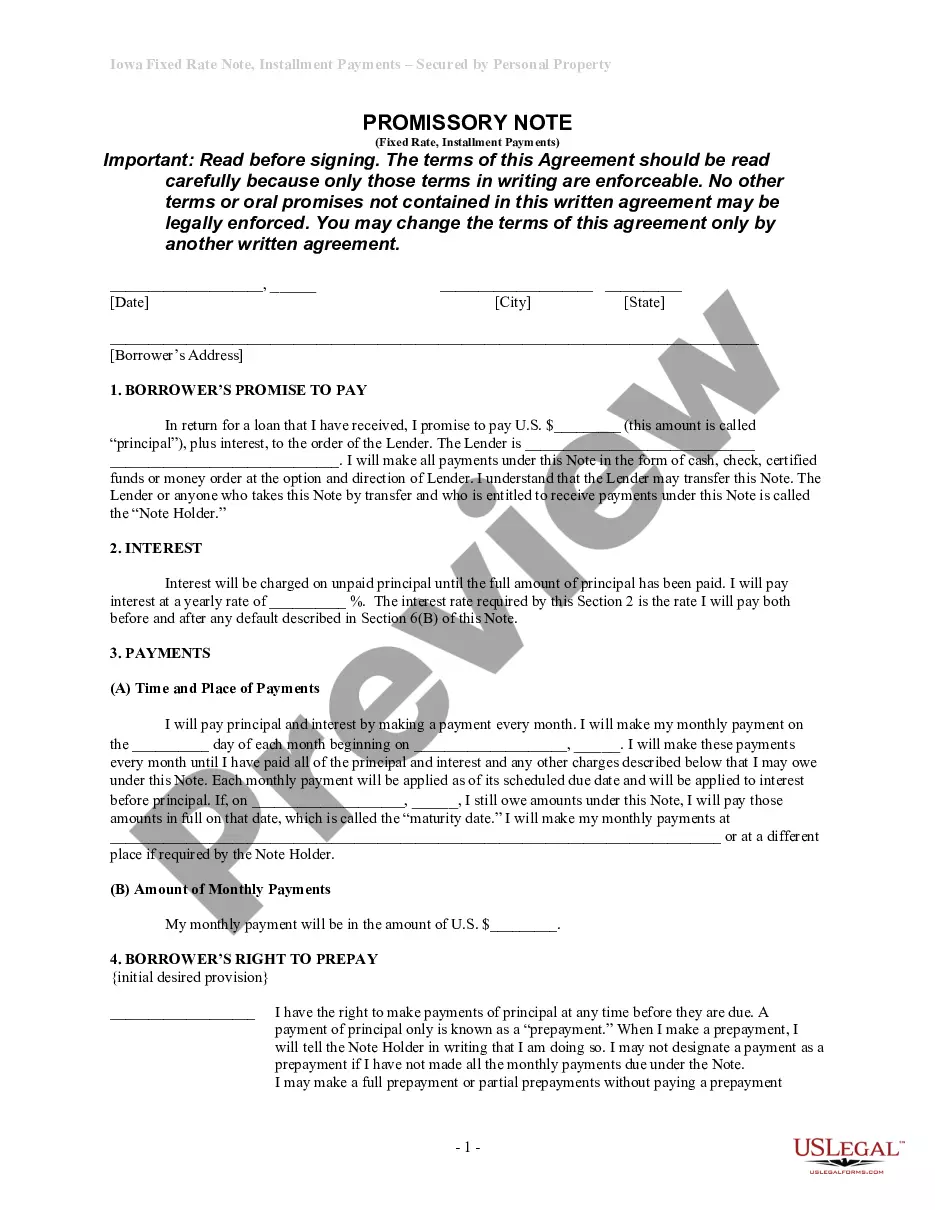
Arkansas Assignment to Living Trust
Understanding this form
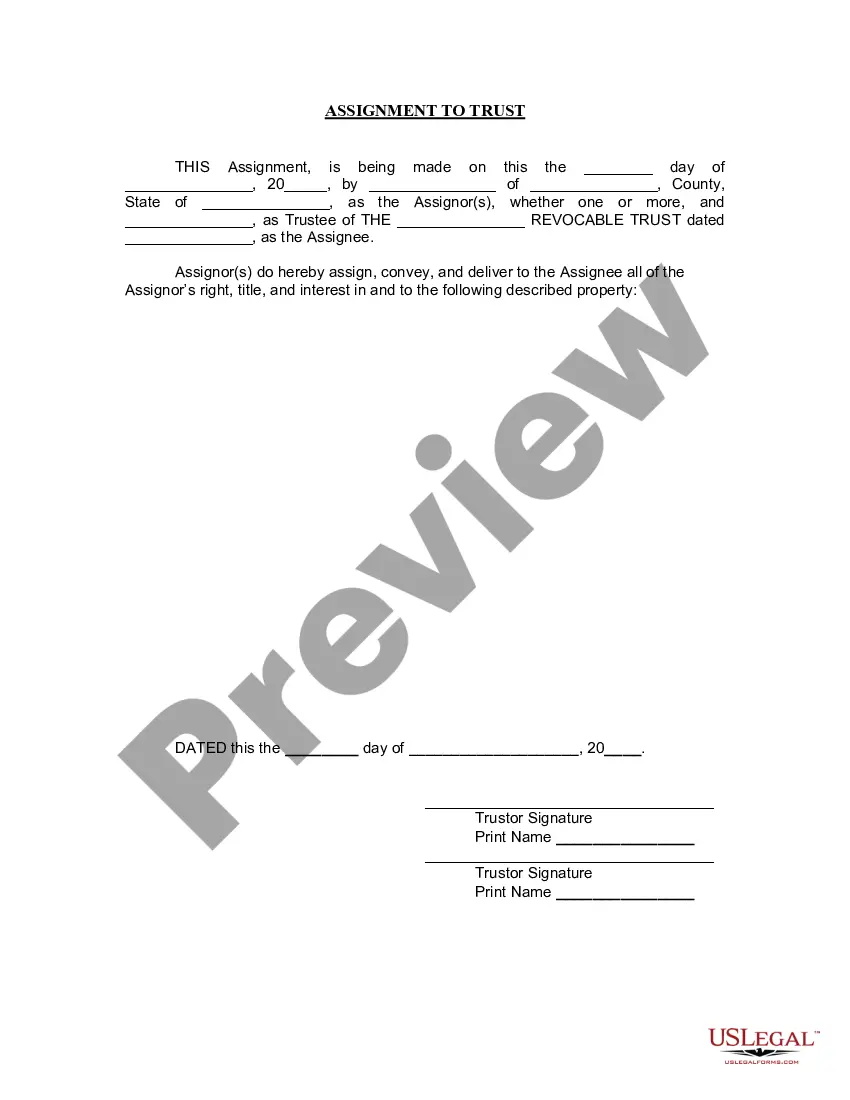
The Assignment to Living Trust form is a legal document used to transfer ownership of specific property into a living trust. This process is essential for estate planning, ensuring that assets are managed and distributed according to your wishes during your lifetime and after your death. Unlike a will, a living trust allows for assets to bypass probate, providing a more streamlined transition for your heirs.
Main sections of this form
- Date of execution: The date when the assignment is made.
- Assignor information: The name and address of the person transferring the property.
- Trustee designation: The name of the person or entity managing the trust.
- Property description: Details about the specific assets being assigned to the trust.
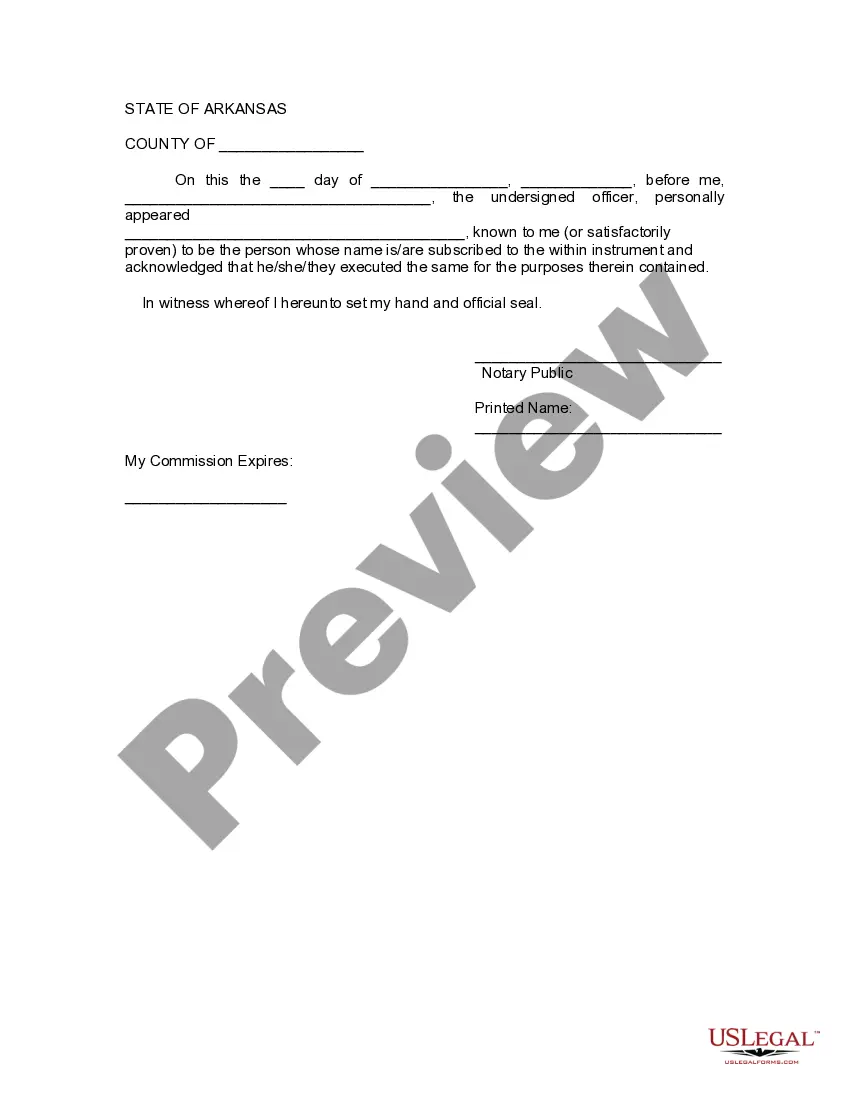
- Notary acknowledgment: A section confirming the identity of the Assignor in the presence of a notary public.

When this form is needed
This form is used when you want to legally transfer ownership of property into a living trust. Scenarios may include setting up a living trust for estate planning, transferring real estate, investments, or other assets to ensure they are managed according to your wishes. Additionally, it may be used when you seek to protect your assets from probate or to provide for heirs without court intervention.
Who needs this form
- Individuals establishing a living trust to manage their assets.
- Trustors looking to transfer property for estate planning purposes.
- Homeowners or asset owners wanting to simplify the distribution of their estate.
- Anyone seeking to avoid the probate process for their assets.
How to complete this form
- Identify the date of execution, filling in the day, month, and year.
- Enter the Assignor's full name and address.
- Specify the trustee's name and the name of the living trust.
- Provide a detailed description of each property being assigned.
- Have the Assignor sign the document in the presence of a notary public.
Notarization guidance
Yes, this form must be notarized to be legally valid. Using US Legal Forms, you can access integrated online notarization services, which are available 24/7 through secure video calls. This process ensures your document meets legal requirements without the need for travel.
Get your form ready online
Our built-in tools help you complete, sign, share, and store your documents in one place.
Make edits, fill in missing information, and update formatting in US Legal Forms—just like you would in MS Word.
Download a copy, print it, send it by email, or mail it via USPS—whatever works best for your next step.
Sign and collect signatures with our SignNow integration. Send to multiple recipients, set reminders, and more. Go Premium to unlock E-Sign.
If this form requires notarization, complete it online through a secure video call—no need to meet a notary in person or wait for an appointment.
We protect your documents and personal data by following strict security and privacy standards.

Make edits, fill in missing information, and update formatting in US Legal Forms—just like you would in MS Word.

Download a copy, print it, send it by email, or mail it via USPS—whatever works best for your next step.

Sign and collect signatures with our SignNow integration. Send to multiple recipients, set reminders, and more. Go Premium to unlock E-Sign.

If this form requires notarization, complete it online through a secure video call—no need to meet a notary in person or wait for an appointment.

We protect your documents and personal data by following strict security and privacy standards.
Typical mistakes to avoid
- Not providing a complete description of the property.
- Failing to have the form notarized, if required by state law.
- Using incorrect names or misspellings in the trust or Assignor details.
Why complete this form online
- Convenience of accessing and downloading the form at any time.
- Editability to personalize the document for your specific needs.
- Reliable templates drafted by licensed attorneys for legal compliance.
What to keep in mind
- The Assignment to Living Trust is essential for effective estate planning.
- Ensure all property details are accurate for a smooth transfer.
- Notarization is required to validate the assignment.
Looking for another form?
Form popularity
FAQ
To start a living trust in Arkansas, first, determine what assets you want to place into the trust. Next, draft a trust document that outlines your wishes and the beneficiaries of the trust. You can find resources online, such as uslegalforms, to assist in creating an Arkansas Assignment to Living Trust. Finally, transfer your assets to the trust to ensure they are managed according to your instructions.
Yes, you can set up a trust in Arkansas without an attorney, especially with the help of available resources. However, doing so effectively requires careful attention to state laws and documentation requirements. The Arkansas Assignment to Living Trust can be efficiently managed using online platforms that provide guidance and templates for creating trusts. Ensure that you thoroughly research and understand the process before proceeding.
An assignment to a trust involves transferring your assets into the trust for management according to your wishes. This step is crucial as it ensures that the trust holds the assets and can distribute them as you intended upon your passing. The Arkansas Assignment to Living Trust typically includes property, investments, and other valuable items. Proper assignment prevents issues and secures your estate for beneficiaries.
You can create your own living trust in Arkansas, but it is critical to ensure that the document meets all state requirements. Using templates or online tools can simplify this process, but consulting an expert may provide additional assurance. Remember, the Arkansas Assignment to Living Trust involves specific legal language that must be correctly drafted to be effective. Ensure you fully understand the implications and requirements.
In Arkansas, a trust can offer benefits that a will may not provide. A trust allows for the direct transfer of assets upon your passing, which can help avoid probate delays. Additionally, a trust can keep your estate matters private, while a will becomes public record. Therefore, considering an Arkansas Assignment to Living Trust can be a strategic move for effective estate planning.
Transferring items into a trust involves formally changing the ownership of each asset. For real estate, you typically need to execute a new deed reflecting the trust as the owner. For financial accounts, you can often fill out a form to retitle the account. Using a service like US Legal Forms makes it easier to handle the details of an Arkansas Assignment to Living Trust, guiding you through the necessary steps.
While placing assets in a trust can provide benefits, there are some downsides to consider. For instance, there may be initial costs associated with creating the trust, such as legal fees. Additionally, maintaining a living trust requires ongoing management and updates, especially as your financial situation changes. It is crucial to weigh these factors when considering an Arkansas Assignment to Living Trust.
Setting up a living trust in Arkansas involves several steps. First, choose a reliable trustee and decide what assets to include. Next, create a formal trust document that outlines your wishes. Utilizing resources like US Legal Forms can guide you through the entire process of establishing an Arkansas Assignment to Living Trust, ensuring your goals are met efficiently.
To assign assets to a trust, you must identify the assets you want to transfer, then complete the necessary legal documents. This process often includes changing the title of real estate, updating financial accounts, or re-titling personal property. An Arkansas Assignment to Living Trust can simplify this process, ensuring a smooth transition. It is essential to keep accurate records throughout to verify this assignment.
Filling out a living trust requires careful attention to detail and an understanding of your assets. First, gather all necessary information, including property deeds and account numbers, and then, follow the guidelines in your Arkansas Assignment to Living Trust document. You'll need to specify the assets being transferred, the beneficiaries, and the trustee's authority. For a streamlined experience, consider utilizing UsLegalForms to ensure you complete the trust correctly.