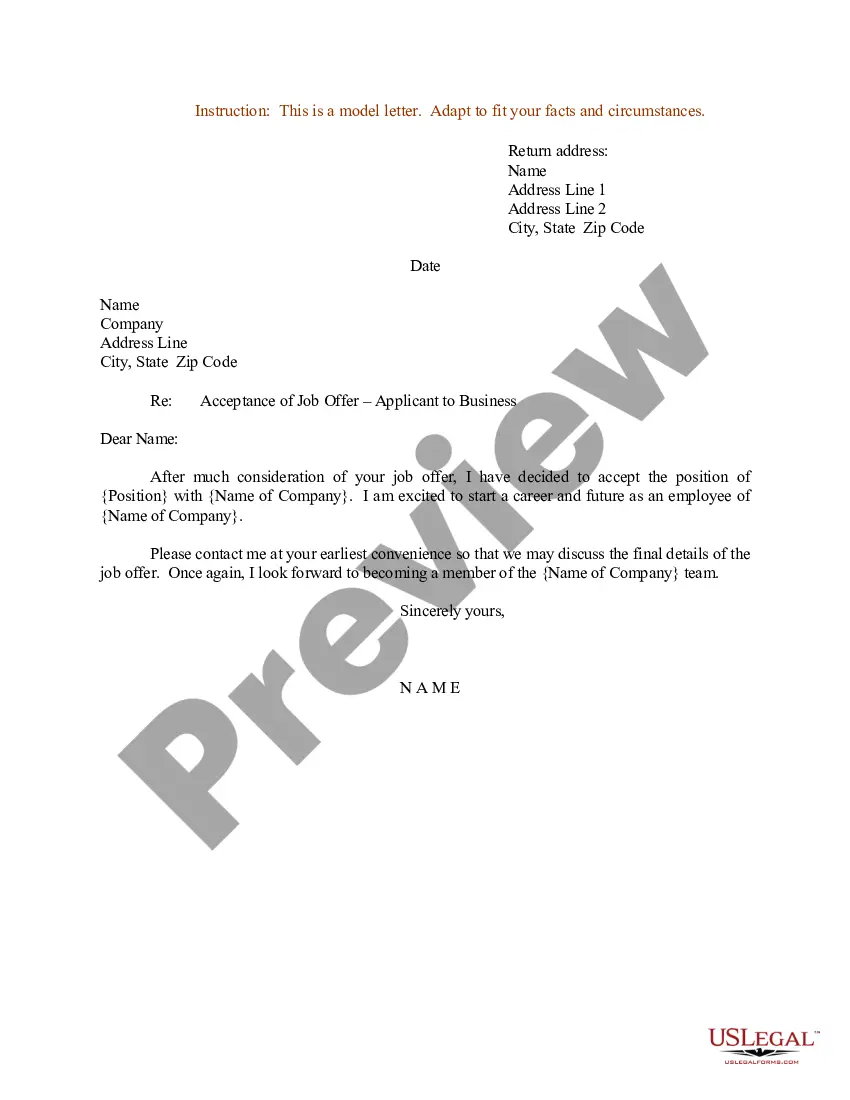
Shareholder Withdrawal Agreement Sample In Montgomery
Description






Get your form ready online
Our built-in tools help you complete, sign, share, and store your documents in one place.
Make edits, fill in missing information, and update formatting in US Legal Forms—just like you would in MS Word.
Download a copy, print it, send it by email, or mail it via USPS—whatever works best for your next step.
Sign and collect signatures with our SignNow integration. Send to multiple recipients, set reminders, and more. Go Premium to unlock E-Sign.
If this form requires notarization, complete it online through a secure video call—no need to meet a notary in person or wait for an appointment.
We protect your documents and personal data by following strict security and privacy standards.

Make edits, fill in missing information, and update formatting in US Legal Forms—just like you would in MS Word.

Download a copy, print it, send it by email, or mail it via USPS—whatever works best for your next step.

Sign and collect signatures with our SignNow integration. Send to multiple recipients, set reminders, and more. Go Premium to unlock E-Sign.

If this form requires notarization, complete it online through a secure video call—no need to meet a notary in person or wait for an appointment.

We protect your documents and personal data by following strict security and privacy standards.
Looking for another form?









Form popularity
FAQ
To legally remove a shareholder, first review the corporation's shareholders' agreement and bylaws, as these often outline procedures for removal. If no specific terms exist, consider negotiating a buyout with the shareholder or, if necessary, seeking legal action, ensuring compliance with state laws.
What to Think about When You Begin Writing a Shareholder Agreement. Name Your Shareholders. Specify the Responsibilities of Shareholders. The Voting Rights of Your Shareholders. Decisions Your Corporation Might Face. Changing the Original Shareholder Agreement. Determine How Stock can be Sold or Transferred.
Any member wishing to leave a company must transfer their shares to someone else. The directors are responsible for overseeing the transfer, updating the company's statutory register of members, and notifying Companies House.
If clear terms are available, it is possible to remove any shareholder. While a shareholder agreement cannot resolve an entrenched deadlock, it can be a valuable tool in helping to shift focus and resolve conflict.
As mentioned above, typically, the specific protocol for removing a corporate officer involves: Establishing just cause for removal. Reviewing corporate bylaws and any applicable contracts. Giving notice to all board members of the proposed removal. Holding a board meeting to discuss and vote on the removal.
We have 5 steps. Step 1: Decide on the issues the agreement should cover. Step 2: Identify the interests of shareholders. Step 3: Identify shareholder value. Step 4: Identify who will make decisions - shareholders or directors. Step 5: Decide how voting power of shareholders should add up.
Your ownership transfer will need to be approved either by your board of directors or your shareholders, depending on the laws of your state and your own corporate policies. You should also hire an attorney and/or an accountant to advise you on the legal and tax implications of this transfer of ownership.
Without an agreement or a violation of it, you'll need at least a 75 percent majority to remove a shareholder, and said shareholder must have less than a 25 percent majority. The removal is accomplished through votes, and the shareholder is then compensated upon elimination, ing to Masterson.
The first way you can terminate a shareholders agreement is by mutual agreement. This is when all of the shareholders decide that they no longer want to comply with the agreement due to various reasons.
What happens when a shareholder leaves a company? When a shareholder leaves a company, the remaining members of the company must determine the value of the interest of the shareholder leaving. If there is no plan in place, the company must negotiate in order to buy out the leaving member of the company.