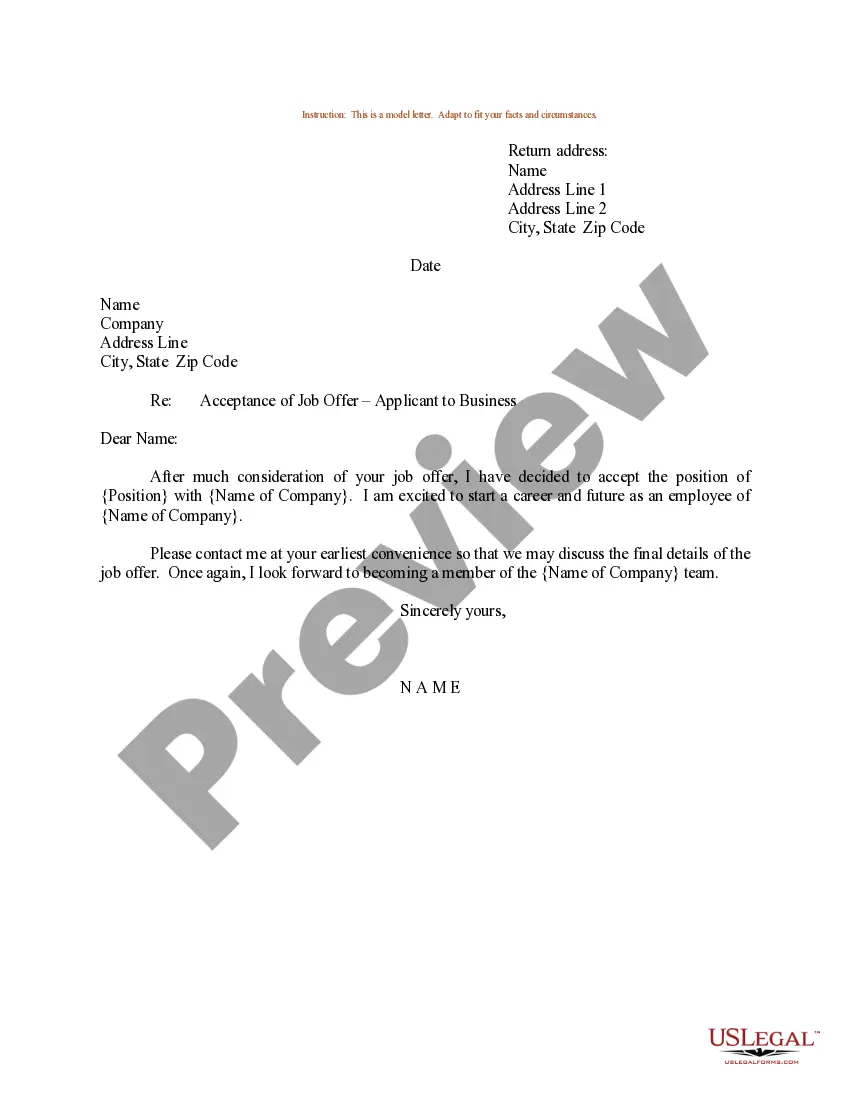
Equity Ownership Agreement Template For S Corp In Michigan
Description






Get your form ready online
Our built-in tools help you complete, sign, share, and store your documents in one place.
Make edits, fill in missing information, and update formatting in US Legal Forms—just like you would in MS Word.
Download a copy, print it, send it by email, or mail it via USPS—whatever works best for your next step.
Sign and collect signatures with our SignNow integration. Send to multiple recipients, set reminders, and more. Go Premium to unlock E-Sign.
If this form requires notarization, complete it online through a secure video call—no need to meet a notary in person or wait for an appointment.
We protect your documents and personal data by following strict security and privacy standards.

Make edits, fill in missing information, and update formatting in US Legal Forms—just like you would in MS Word.

Download a copy, print it, send it by email, or mail it via USPS—whatever works best for your next step.

Sign and collect signatures with our SignNow integration. Send to multiple recipients, set reminders, and more. Go Premium to unlock E-Sign.

If this form requires notarization, complete it online through a secure video call—no need to meet a notary in person or wait for an appointment.

We protect your documents and personal data by following strict security and privacy standards.
Looking for another form?








Form popularity
FAQ
The equity accounts will track the flow of funds between the S-Corp and shareholders. When running a Profit and Loss (P&L) report, the income from the specific income account, minus salary and other business expenses, will give you a clearer picture of the taxable net income for the S-Corp.
The equity accounts will track the flow of funds between the S-Corp and shareholders. When running a Profit and Loss (P&L) report, the income from the specific income account, minus salary and other business expenses, will give you a clearer picture of the taxable net income for the S-Corp.
Ownership: S corporations cannot be owned by C corporations, other S corporations (with some exceptions), LLCs, partnerships or many trusts. Stock: S corporations can have only one class of stock (disregarding voting rights), while C corporations can have multiple classes.
To receive S corp status from the IRS, S corporations must file their Articles of Incorporation with the state of Michigan if they're not already a business and then file Form 2553 to the IRS.
To qualify for S corporation status, the corporation must meet the following requirements: Be a domestic corporation. Have only allowable shareholders. Have no more than 100 shareholders. Have only one class of stock.
An equity agreement, often referred to as a shareholder agreement or a shared equity agreement, is a legal contract that defines the relationship between a company and its shareholders. It specifies the rights, duties, and protections of shareholders, as well as the operational procedures of the company.
A company provides you with a lump sum in exchange for partial ownership of your home, and/or a share of its future appreciation. You don't make monthly repayments of principal or interest; instead, you settle up when you sell the home or at the end of a multi-year agreement period (typically between 10 and 30 years).
Filing as an S Corp in Michigan Step 1: Choose a Business Name. Step 2: Appoint Directors and a Registered Agent. Step 3: File Articles of Incorporation. Step 4: Create S Corp Bylaws. Step 5: Apply for an Employer Identification Number. Step 6: File Form 2553 for S Corporation Election.
The equity accounts will track the flow of funds between the S-Corp and shareholders. When running a Profit and Loss (P&L) report, the income from the specific income account, minus salary and other business expenses, will give you a clearer picture of the taxable net income for the S-Corp.