Code of Ethics for Christian Leaders
About this form
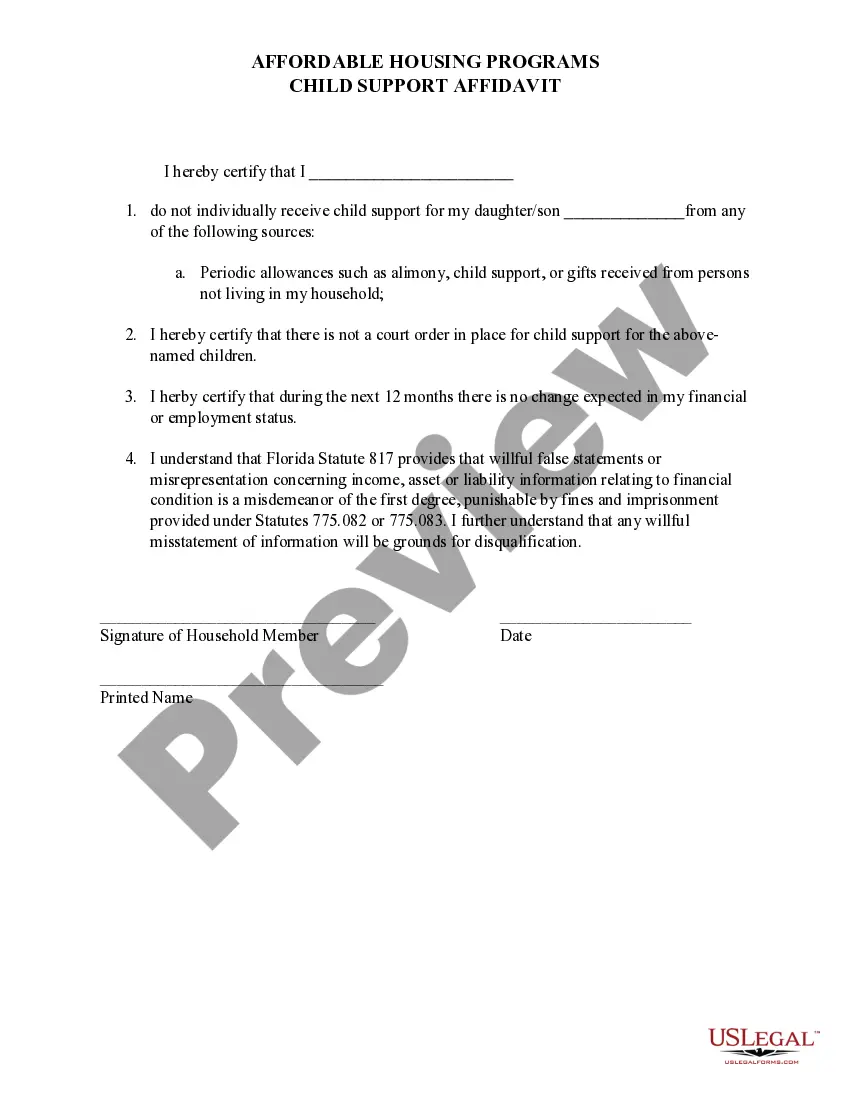
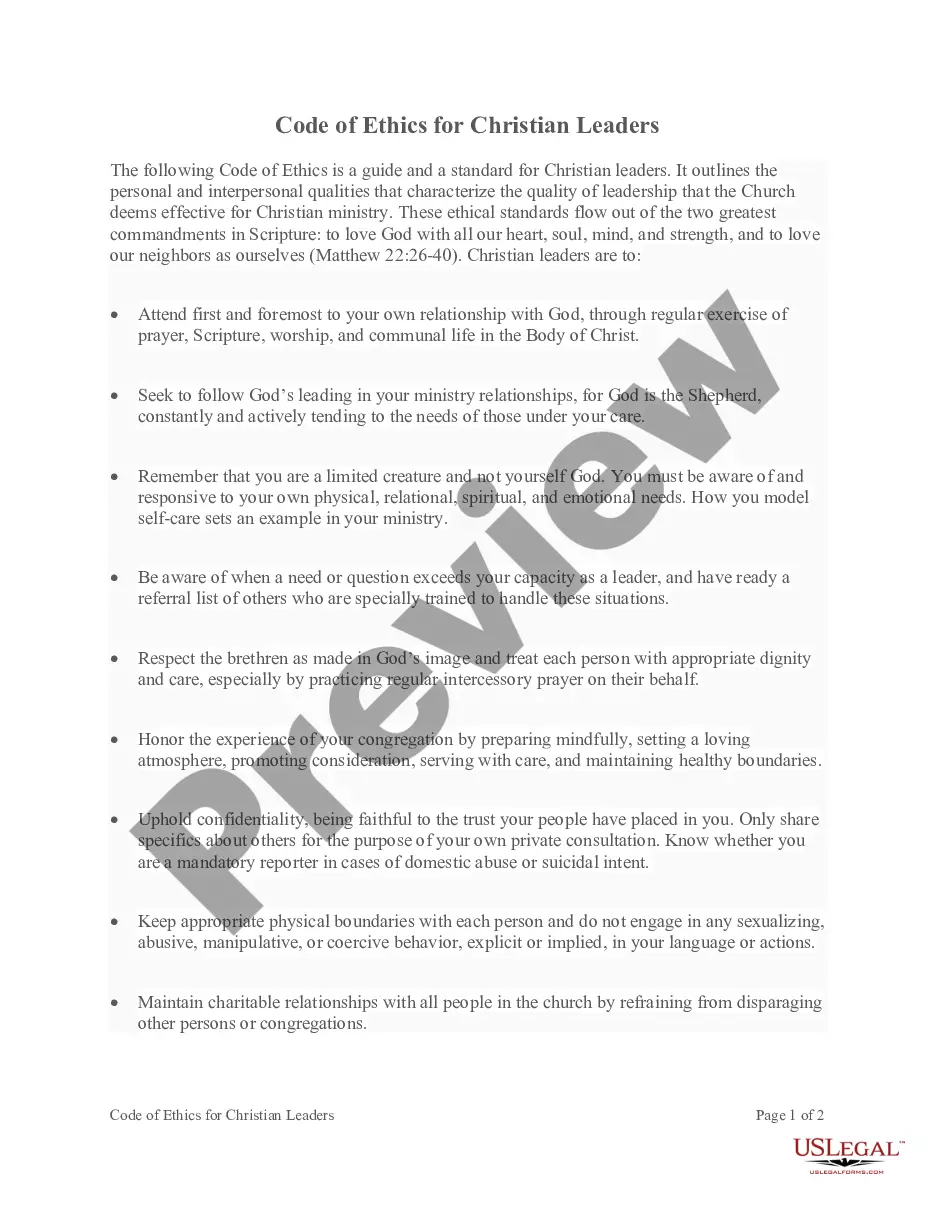
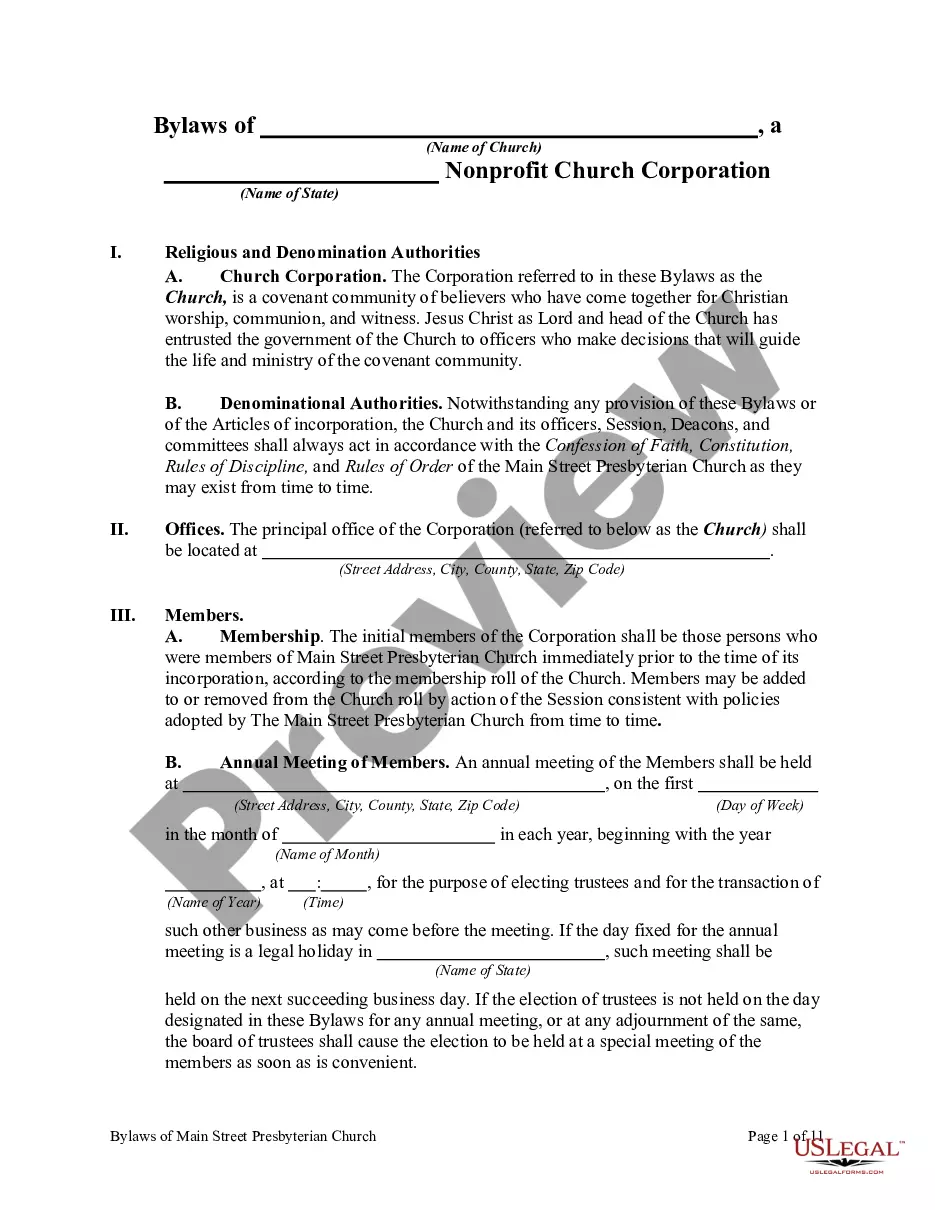
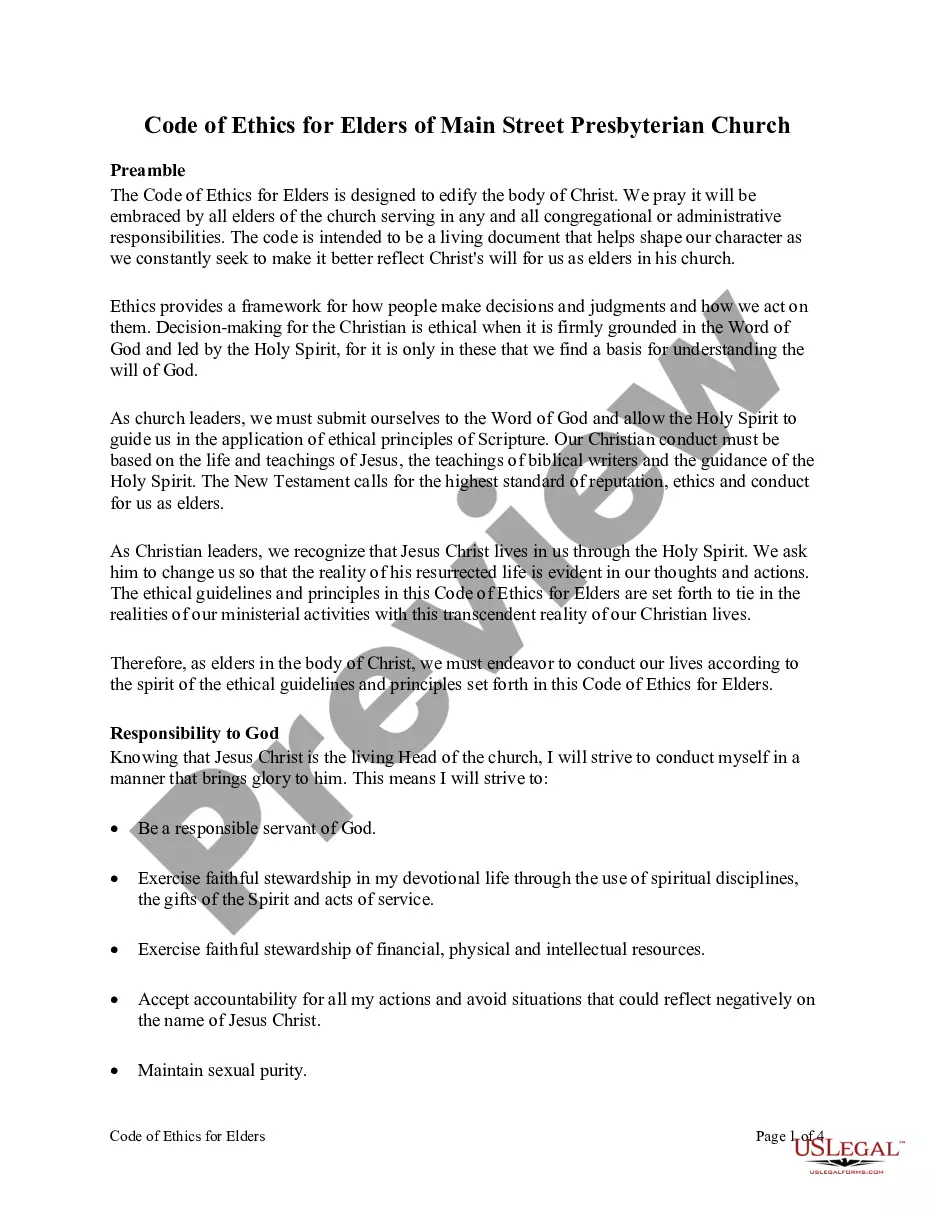
The Code of Ethics for Christian Leaders is a comprehensive guide designed to help Christian leaders uphold ethical standards in their ministries. This form outlines essential personal and interpersonal qualities that define effective Christian leadership, rooted in biblical principles. Unlike other legal forms, this document focuses on moral duties and responsibilities in a religious context, emphasizing the importance of love and respect in leadership roles within the church community.
What’s included in this form
- Personal relationship with God: Emphasizes the importance of prayer, worship, and Scripture in leadership.
- Self-awareness: Encourages leaders to recognize their own emotional, spiritual, and physical needs.
- Respect for individuals: Highlights the necessity of treating all individuals with dignity and respect.
- Confidentiality: Outlines the importance of maintaining trust and confidentiality with congregants.
- Healthy boundaries: Addresses the need for appropriate physical and emotional boundaries in relationships.
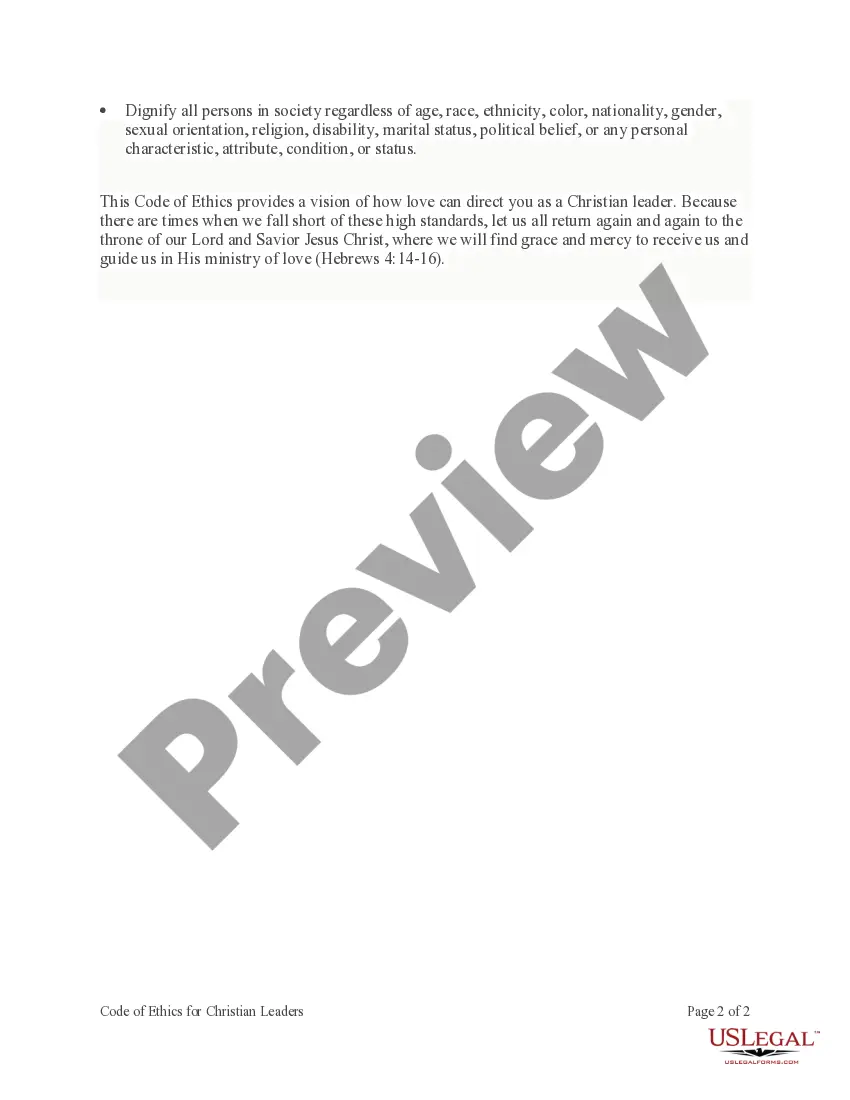
- Inclusivity: Calls for dignity and respect for individuals across diverse characteristics and backgrounds.
Common use cases
This form is beneficial for Christian leaders who engage with their congregations and broader communities. It serves as a reference when establishing or revising ethical guidelines for church leadership, during leadership training programs, and when addressing situations that may challenge ethical decision-making. This form can also be useful for leaders seeking guidance during times of conflict or ethical dilemmas within their ministry.
Who can use this document
- Pastors and church leaders of all denominations.
- Christian educators and youth leaders.
- Board members and church administrators.
- Anyone involved in pastoral care or ministry counseling.
- Church staff and volunteers committed to ethical service.
Completing this form step by step
- Review each component of the Code of Ethics carefully.
- Reflect on your personal relationship with God and how it impacts your leadership.
- Assess your understanding of maintaining confidentiality and healthy boundaries.
- Ensure that you commit to treating all individuals with dignity and respect.
- Use this form as a guide in ethical discussions and decision-making processes.
Does this document require notarization?
Notarization is not commonly needed for this form. However, certain documents or local rules may make it necessary. Our notarization service, powered by Notarize, allows you to finalize it securely online anytime, day or night.
Get your form ready online
Our built-in tools help you complete, sign, share, and store your documents in one place.
Make edits, fill in missing information, and update formatting in US Legal Forms—just like you would in MS Word.
Download a copy, print it, send it by email, or mail it via USPS—whatever works best for your next step.
Sign and collect signatures with our SignNow integration. Send to multiple recipients, set reminders, and more. Go Premium to unlock E-Sign.
If this form requires notarization, complete it online through a secure video call—no need to meet a notary in person or wait for an appointment.
We protect your documents and personal data by following strict security and privacy standards.

Make edits, fill in missing information, and update formatting in US Legal Forms—just like you would in MS Word.

Download a copy, print it, send it by email, or mail it via USPS—whatever works best for your next step.

Sign and collect signatures with our SignNow integration. Send to multiple recipients, set reminders, and more. Go Premium to unlock E-Sign.

If this form requires notarization, complete it online through a secure video call—no need to meet a notary in person or wait for an appointment.

We protect your documents and personal data by following strict security and privacy standards.
Common mistakes
- Neglecting personal spiritual development while focusing on ministry tasks.
- Failing to establish and maintain appropriate boundaries with congregants.
- Not keeping confidentiality, which can damage trust within the congregation.
- Disregarding the diversity of individuals and their experiences in the church community.
Advantages of online completion
- Convenient access to a professionally drafted document at any time.
- Ability to download and personalize the form to meet specific ministry needs.
- Secure storage of the document for future reference and training purposes.
Legal use & context
- This form can act as a guiding document in church governance matters.
- The ethical commitments outlined may enhance accountability among church leaders.
- While not legally enforceable, adhering to these standards fosters a healthy ministry environment.
Key takeaways
- The Code of Ethics for Christian Leaders serves as a fundamental guideline for ethical leadership.
- It emphasizes the importance of self-awareness, confidentiality, and respect for all individuals.
- This form is suitable for a diverse audience involved in church leadership and ministry.
Looking for another form?


Form popularity
FAQ
It is divided into three sections, and is underpinned by the five fundamental principles of Integrity, Objectivity, Professional competence and due care, Confidentiality, and Professional behaviour.
The 5 are: 1) Uniqueness of Jesus (Virgin Birth) --Oct 7; 2) One God (The Trinity) Oct 14; 3) Necessity of the Cross (Salvation) and 4) Resurrection and Second Coming are combinded on Oct 21; 5) Inspiration of Scripture Oct 28.
An ethical code generally implies documents at three levels: codes of business ethics, codes of conduct for employees, and codes of professional practice.
The four Principles of Ethics form the underlying philosophical basis for the Code of Ethics and are reflected in the following areas: (I) responsibility to persons served professionally and to research participants, both human and animal; (II) responsibility for one's professional competence; (III) responsibility to
Good leaders practice and value integrity. Righteous lips are the delight of kings, And they love him who speaks what is right. People don't follow leaders who lack integrity, Grunlan said.
Personal ethics definedPersonal ethics are ethical principles that a person uses when making decisions and behaving in both personal and professional settings. These ethics influence various aspects of a person's life and help individuals develop their work ethic, personal and professional goals, and values.
Beneficence. concern for well-being and safety of clients. Nonmeleficence. refrain from causing intentional harm to cliens. Autonomy/Confidentiality. respect client's rights and opinions. Social Justice. provide services in a fair and equitable manner. Procedural Justice. Veracity. Fidelity.
According to the gospels, which are four books in the Christian bible written about the life and teachings of Jesus, the foundation of the Christian moral code is two principles: love God with everything you have; love your neighbor the same way you love yourself.Their lives have to be centered around God.