Equity Agreement Sample With Supplier In Los Angeles
Description






Get your form ready online
Our built-in tools help you complete, sign, share, and store your documents in one place.
Make edits, fill in missing information, and update formatting in US Legal Forms—just like you would in MS Word.
Download a copy, print it, send it by email, or mail it via USPS—whatever works best for your next step.
Sign and collect signatures with our SignNow integration. Send to multiple recipients, set reminders, and more. Go Premium to unlock E-Sign.
If this form requires notarization, complete it online through a secure video call—no need to meet a notary in person or wait for an appointment.
We protect your documents and personal data by following strict security and privacy standards.

Make edits, fill in missing information, and update formatting in US Legal Forms—just like you would in MS Word.

Download a copy, print it, send it by email, or mail it via USPS—whatever works best for your next step.

Sign and collect signatures with our SignNow integration. Send to multiple recipients, set reminders, and more. Go Premium to unlock E-Sign.

If this form requires notarization, complete it online through a secure video call—no need to meet a notary in person or wait for an appointment.

We protect your documents and personal data by following strict security and privacy standards.
Looking for another form?

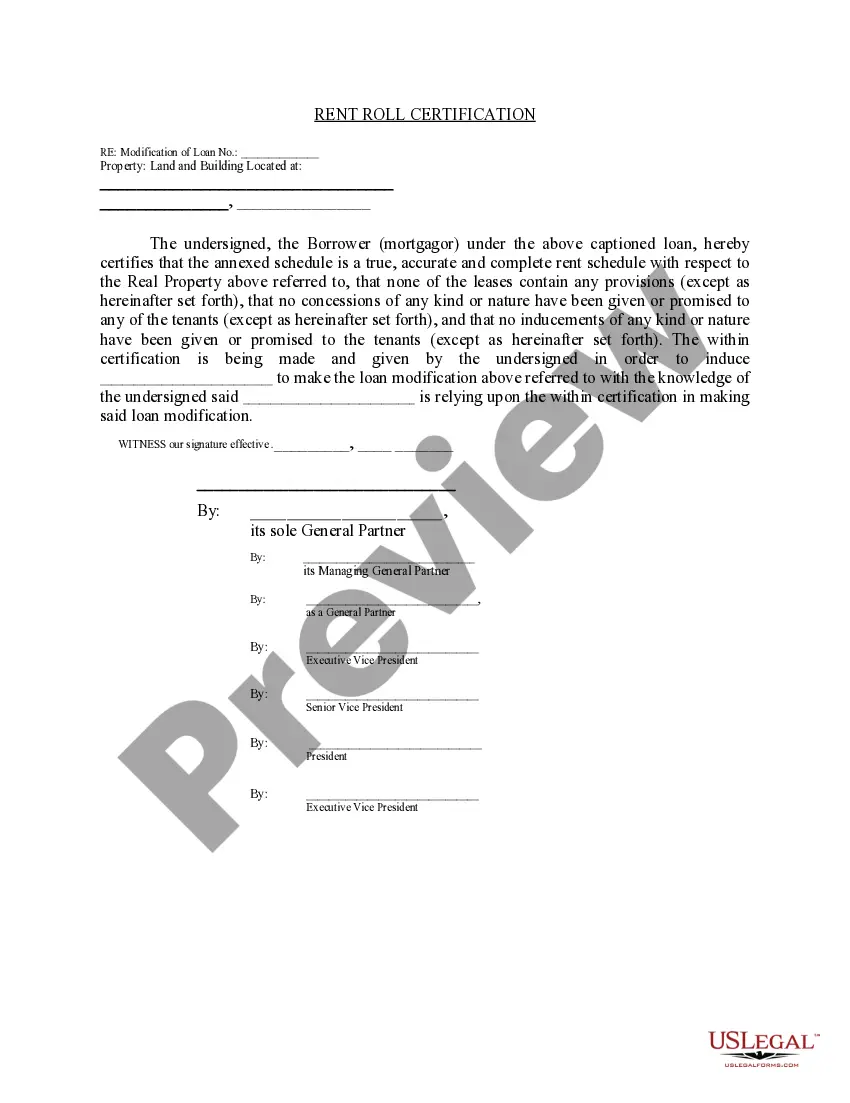



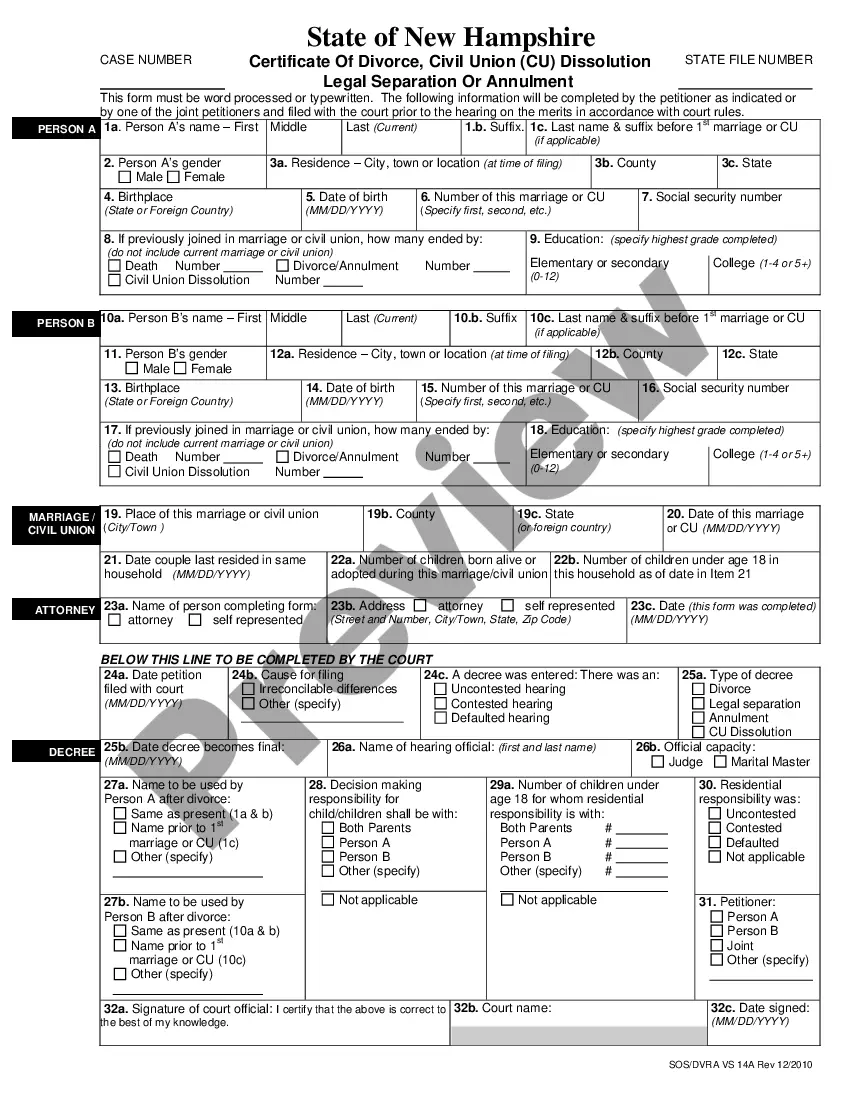



Form popularity
FAQ
The following checklist can be useful while drafting a vendor agreement contract. Identify all parties (with their legal names) involved in the agreement. The date from which the agreement comes into effect. The purpose of the agreement. Details on work or services or goods to be delivered.
Equity agreements commonly contain the following components: Equity program. This section outlines the details of the investment plan, including its purpose, conditions, and objectives. Identifying information. Term. Closing and delivery. Representation and warranties.
Here is a Structure of a Private Equity Deal 'Sourcing' and 'Teasers' Signing a Non-Disclosure Agreement (NDA) Initial Due Diligence. Investment Proposal. The First Round Bid or Non-Binding Letter of Intent (LOI) Further Due Diligence. Creating an Internal Operating Model. Preliminary Investment Memorandum (PIM)
An equity agreement, often referred to as a shareholder agreement or a shared equity agreement, is a legal contract that defines the relationship between a company and its shareholders. It specifies the rights, duties, and protections of shareholders, as well as the operational procedures of the company.
These agreements typically outline: The type of equity (e.g., stock options, restricted stock units, or direct equity grants) Vesting schedules (e.g., four-year vesting with a one-year cliff) Conditions under which the equity is forfeited (e.g., termination or resignation)
Equity agreements commonly contain the following components: Equity program. This section outlines the details of the investment plan, including its purpose, conditions, and objectives. It also serves as a statement of intention to create a legal relationship between both parties.
Draft the equity agreement, detailing the company's capital structure, the number of shares to be offered, the rights of the shareholders, and other details. Consult legal and financial advisors to ensure that the equity agreement is in line with all applicable laws and regulations.
The primary purpose of a retailer agreement is to formalize the business relationship between the supplier and the retailer. It aims to: Define roles and responsibilities: Specify what each party is responsible for in the relationship.
