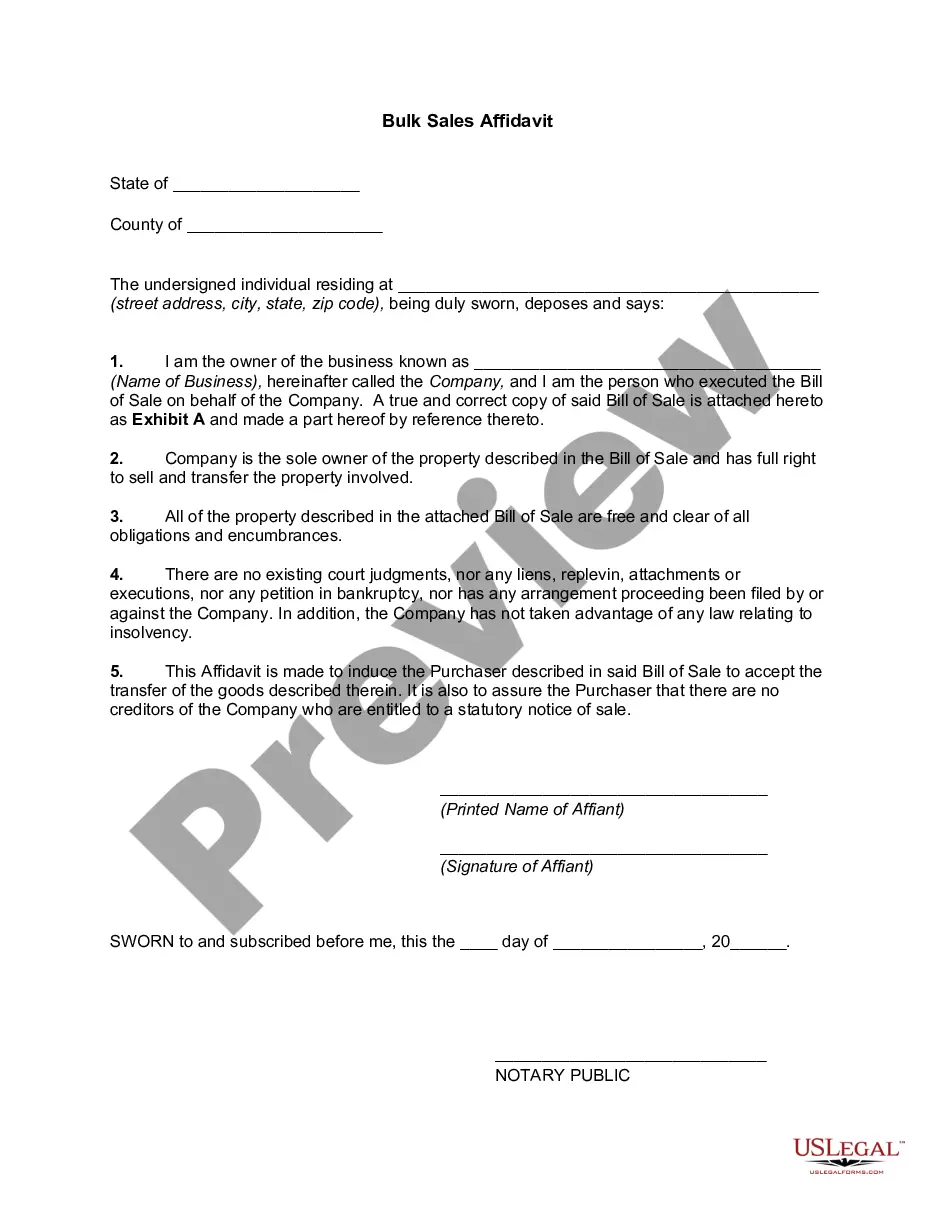
Simple Cost Sharing Agreement With Us In Georgia
Description






Get your form ready online
Our built-in tools help you complete, sign, share, and store your documents in one place.
Make edits, fill in missing information, and update formatting in US Legal Forms—just like you would in MS Word.
Download a copy, print it, send it by email, or mail it via USPS—whatever works best for your next step.
Sign and collect signatures with our SignNow integration. Send to multiple recipients, set reminders, and more. Go Premium to unlock E-Sign.
If this form requires notarization, complete it online through a secure video call—no need to meet a notary in person or wait for an appointment.
We protect your documents and personal data by following strict security and privacy standards.

Make edits, fill in missing information, and update formatting in US Legal Forms—just like you would in MS Word.

Download a copy, print it, send it by email, or mail it via USPS—whatever works best for your next step.

Sign and collect signatures with our SignNow integration. Send to multiple recipients, set reminders, and more. Go Premium to unlock E-Sign.

If this form requires notarization, complete it online through a secure video call—no need to meet a notary in person or wait for an appointment.

We protect your documents and personal data by following strict security and privacy standards.
Looking for another form?








Form popularity
FAQ
Reinsurance companies often use a formal sharing agreement, also known as a treaty agreement. This enables the sharing of risk between the primary insurer and the reinsurer. In this arrangement, the primary insurer cedes a portion of the risk they have underwritten to the reinsurer.
At a glance Data sharing agreements set out the purpose of the data sharing, cover what happens to the data at each stage, set standards and help all the parties involved in sharing to be clear about their roles and responsibilities.
A sharing agreement is a legal agreement between two or more parties to govern the rights and responsibilities while sharing the use of or access to an asset. Sharing agreements can apply to property, information, data, services, among other things.
Types of agreements under Indian Contract Act, 1872 Valid agreement. Section 11 of the Indian Contract Act, 1872. Void agreement. Section 24 of the Indian Contract Act, 1872. Wagering Agreements. Contingent Agreement. Voidable agreement. Express and implied agreements. Illegal Agreements.
A shared contract is any agreement that involves a third party. It provides the rights and obligations of all members of the group. These parties' intention to amend, modify, replicate, or partially assign should be consistent with their rights and obligations before the replication or modification.
Costs are shared when more than one party pays towards the total costs, or accounted for separately across a number of activities or projects.
Reciprocal Insurers operate by means of a formal sharing agreement, also known as an inter-insurance exchange, amongst its members, who are also its policyholders. It's essentially a group of individuals or businesses that come together to provide insurance amongst themselves.
Generally, a contract is only binding when all parties to the agreement sign. However, in some cases, you can still enforce an unsigned written contract. In such scenarios, if a party shows that they intend for the agreement to bind them, the contract can be legally binding and enforceable.