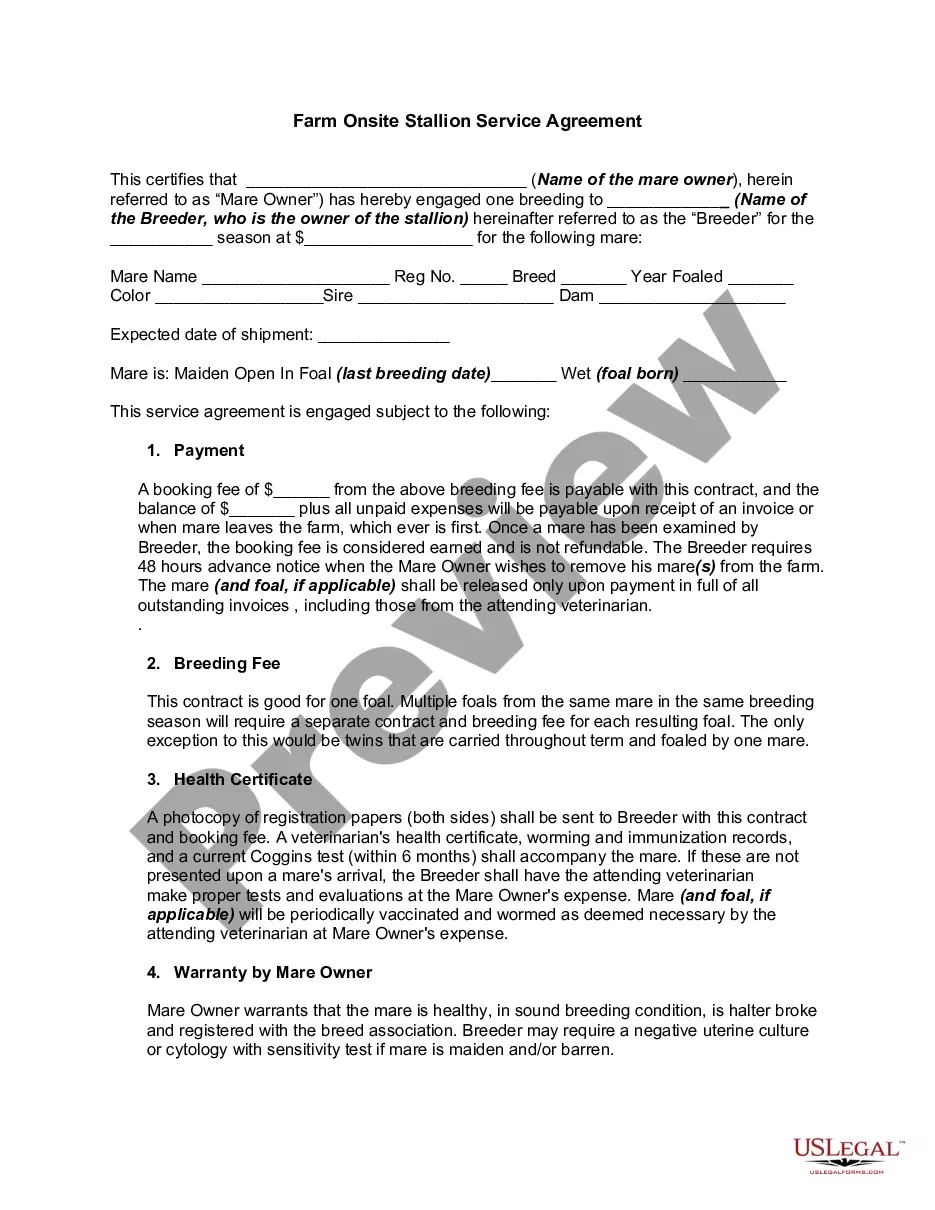
Equity Forward Agreement In Contra Costa
Description






Get your form ready online
Our built-in tools help you complete, sign, share, and store your documents in one place.
Make edits, fill in missing information, and update formatting in US Legal Forms—just like you would in MS Word.
Download a copy, print it, send it by email, or mail it via USPS—whatever works best for your next step.
Sign and collect signatures with our SignNow integration. Send to multiple recipients, set reminders, and more. Go Premium to unlock E-Sign.
If this form requires notarization, complete it online through a secure video call—no need to meet a notary in person or wait for an appointment.
We protect your documents and personal data by following strict security and privacy standards.

Make edits, fill in missing information, and update formatting in US Legal Forms—just like you would in MS Word.

Download a copy, print it, send it by email, or mail it via USPS—whatever works best for your next step.

Sign and collect signatures with our SignNow integration. Send to multiple recipients, set reminders, and more. Go Premium to unlock E-Sign.

If this form requires notarization, complete it online through a secure video call—no need to meet a notary in person or wait for an appointment.

We protect your documents and personal data by following strict security and privacy standards.
Looking for another form?


Form popularity
FAQ
Forward contracts are typically used by sophisticated investors to create customized buy or sell contracts to be settled at a date in the future. They are most useful for hedging as they can be created to suit a particular purpose such as hedging raw material costs (soft commodities or oil) or currency risk.
Key Steps in Accounting for Equity Issuance Costs under ASC 505-10 Determine the total amount of equity issuance costs. Allocate the equity issuance costs to the related equity accounts. Record the equity issuance costs as a reduction of the related equity accounts.
A covenant in a lease is an agreement or promise by the parties in which either of them pledges himself to the other that something is either done, shall be done, shall not be done or provides for the truth of certain facts. Covenants may be implied, express or usual.
Noun. : an agreement made by a regular borrower with his or her lender, giving to the latter continued rights (as of collateral) for repeated transactions.
The three types of covenants are positive, negative, and financial. Each contains a unique set of requirements and stipulations. Positive and negative covenants are not interchangeable as good or bad but rather refer to what borrowers can or cannot do.
A covenant is a formal agreement or promise, usually included in a contract or deed, to do or not do a particular act. Covenants are particularly relevant in the fields of contract law and property law. An example of a contractual covenant is a non-compete agreement.