Equity Agreement Form Contract With Insurance Company In Clark
Description






Get your form ready online
Our built-in tools help you complete, sign, share, and store your documents in one place.
Make edits, fill in missing information, and update formatting in US Legal Forms—just like you would in MS Word.
Download a copy, print it, send it by email, or mail it via USPS—whatever works best for your next step.
Sign and collect signatures with our SignNow integration. Send to multiple recipients, set reminders, and more. Go Premium to unlock E-Sign.
If this form requires notarization, complete it online through a secure video call—no need to meet a notary in person or wait for an appointment.
We protect your documents and personal data by following strict security and privacy standards.

Make edits, fill in missing information, and update formatting in US Legal Forms—just like you would in MS Word.

Download a copy, print it, send it by email, or mail it via USPS—whatever works best for your next step.

Sign and collect signatures with our SignNow integration. Send to multiple recipients, set reminders, and more. Go Premium to unlock E-Sign.

If this form requires notarization, complete it online through a secure video call—no need to meet a notary in person or wait for an appointment.

We protect your documents and personal data by following strict security and privacy standards.
Looking for another form?
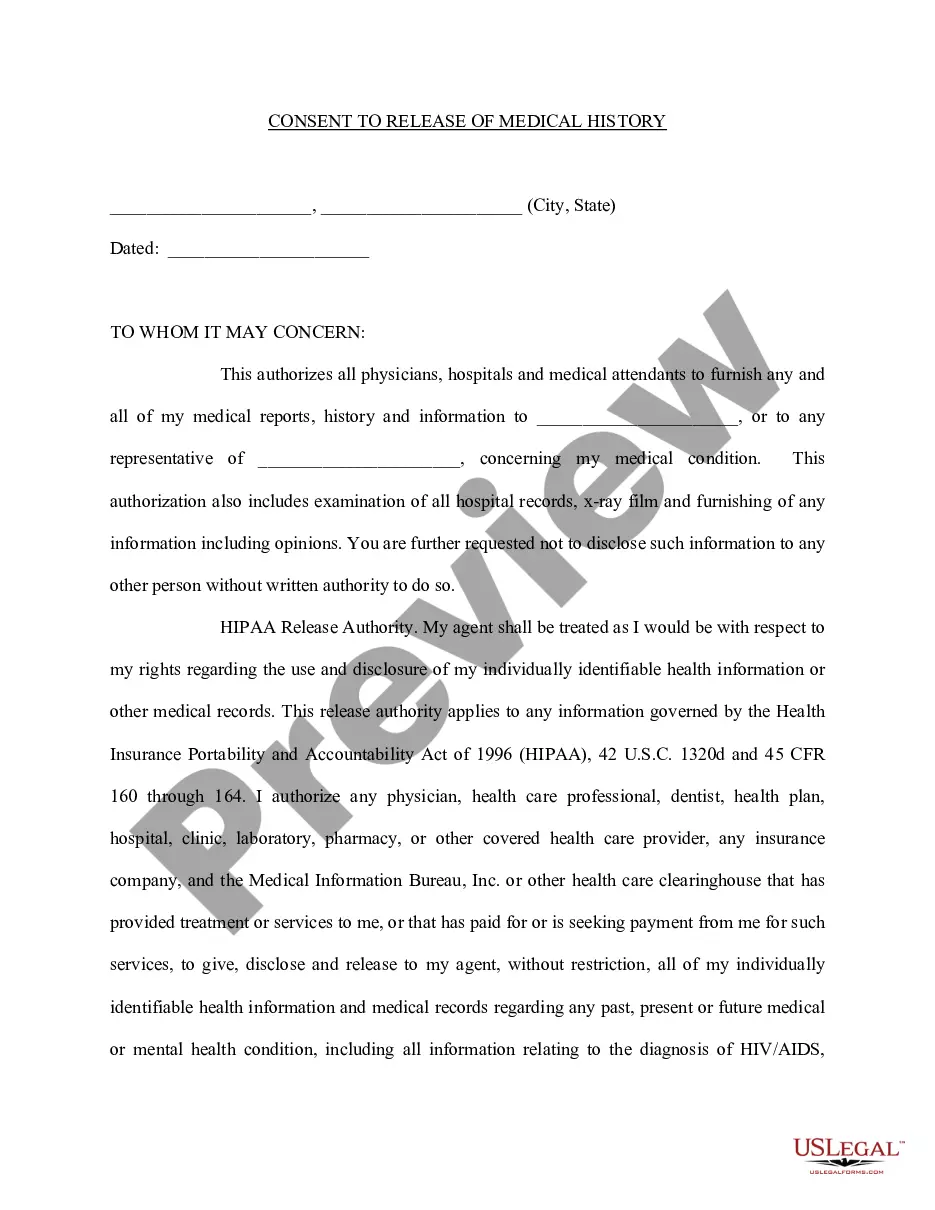


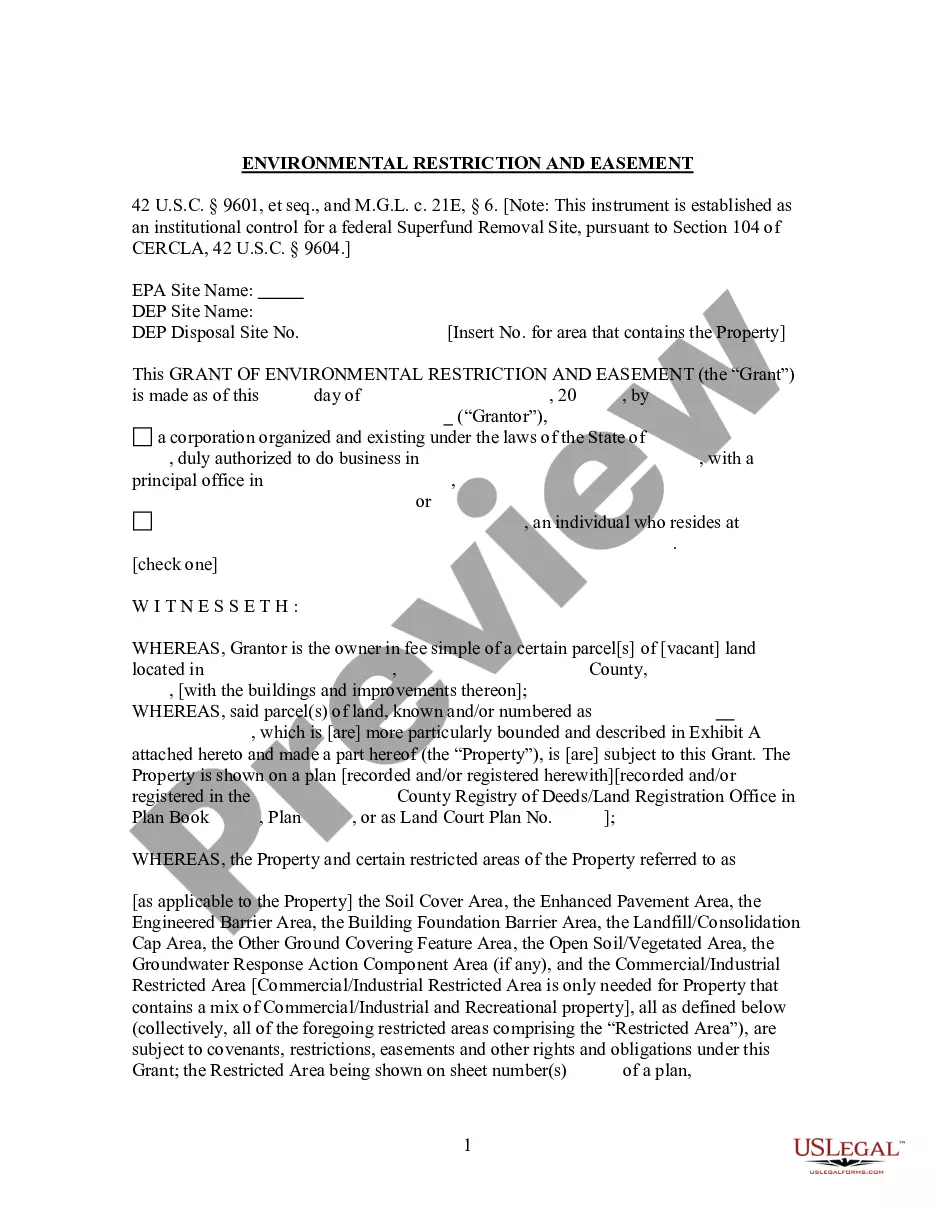
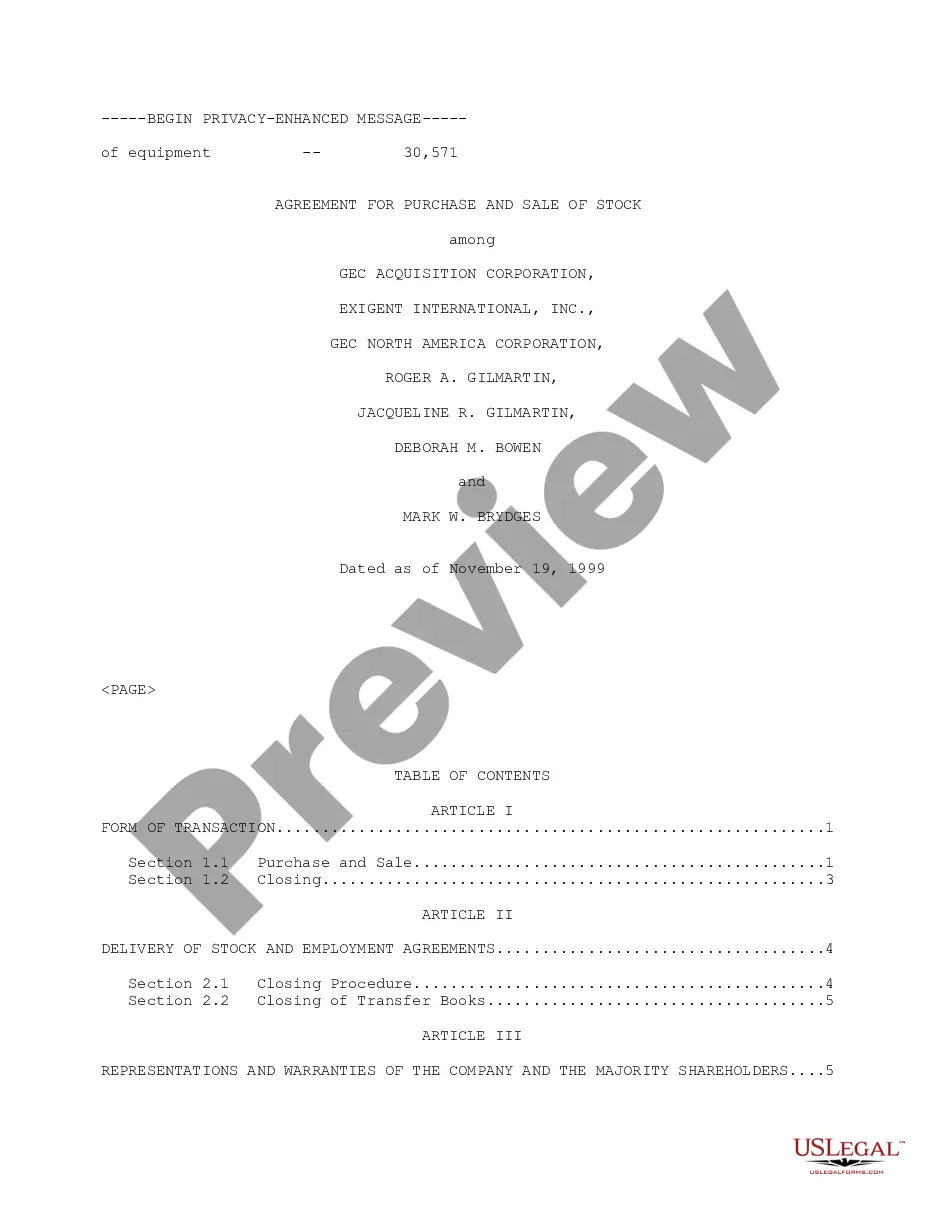





Form popularity
FAQ
A company provides you with a lump sum in exchange for partial ownership of your home, and/or a share of its future appreciation. You don't make monthly repayments of principal or interest; instead, you settle up when you sell the home or at the end of a multi-year agreement period (typically between 10 and 30 years).
Equity agreements allow entrepreneurs to secure funding for their start-up by giving up a portion of ownership of their company to investors. In short, these arrangements typically involve investors providing capital in exchange for shares of stock which they will hold and potentially sell in the future for a profit.
Home equity sharing may also be wise if you don't want extra debt reflected on your credit profile. "These agreements allow homeowners to access their home equity without incurring additional debt," says Michael Crute, a real estate agent and operations strategist with Keller Williams in Atlanta.
Unlike HELs and HELOCs, home equity agreements aren't loans. That means there are no monthly payments or interest charges..
When an individual or entity owns equity in a company, they are considered a shareholder and have a claim to a portion of the company's assets and profits. Equity in life insurance refers to the value of the policyholder's ownership in a life insurance policy.
Dealing with Your Insurance Adjuster Your insurance company may send you a claim form, known as a “proof of loss” form, to complete. Proof of loss is a formal statement made by a policy owner to an insurer regarding a loss. It is intended to provide the insurer with information to determine the extent of its liability.
SBA's current regulations provide that a joint venture can be awarded no more than three contracts over a two-year period. While SBA plans to keep the two-year lifespan for joint venture awards, it plans to get rid of the three contract maximum.
Although a joint venture is a partnership in the colloquial sense of the word, it can be formed using any legal structure—corporations, partnerships, limited liability companies (LLCs), and other business entities can all be employed.
Crucial Things to Include in a Joint Venture Agreement #1: The Information of the Businesses Involved. #2: Members' Information. #3: The Type of Joint Venture / The Purpose of the Joint Venture. #4: Resources to Be Shared. #5: Profits and Loss Allocation. #6: Rights and Duties. #7: Dispute Resolution.
Crucial Things to Include in a Joint Venture Agreement #1: The Information of the Businesses Involved. #2: Members' Information. #3: The Type of Joint Venture / The Purpose of the Joint Venture. #4: Resources to Be Shared. #5: Profits and Loss Allocation. #6: Rights and Duties. #7: Dispute Resolution.
