Property Co-ownership Agreement For Two Parties Who Will Live Together In Bexar
Description






Get your form ready online
Our built-in tools help you complete, sign, share, and store your documents in one place.
Make edits, fill in missing information, and update formatting in US Legal Forms—just like you would in MS Word.
Download a copy, print it, send it by email, or mail it via USPS—whatever works best for your next step.
Sign and collect signatures with our SignNow integration. Send to multiple recipients, set reminders, and more. Go Premium to unlock E-Sign.
If this form requires notarization, complete it online through a secure video call—no need to meet a notary in person or wait for an appointment.
We protect your documents and personal data by following strict security and privacy standards.

Make edits, fill in missing information, and update formatting in US Legal Forms—just like you would in MS Word.

Download a copy, print it, send it by email, or mail it via USPS—whatever works best for your next step.

Sign and collect signatures with our SignNow integration. Send to multiple recipients, set reminders, and more. Go Premium to unlock E-Sign.

If this form requires notarization, complete it online through a secure video call—no need to meet a notary in person or wait for an appointment.

We protect your documents and personal data by following strict security and privacy standards.
Looking for another form?





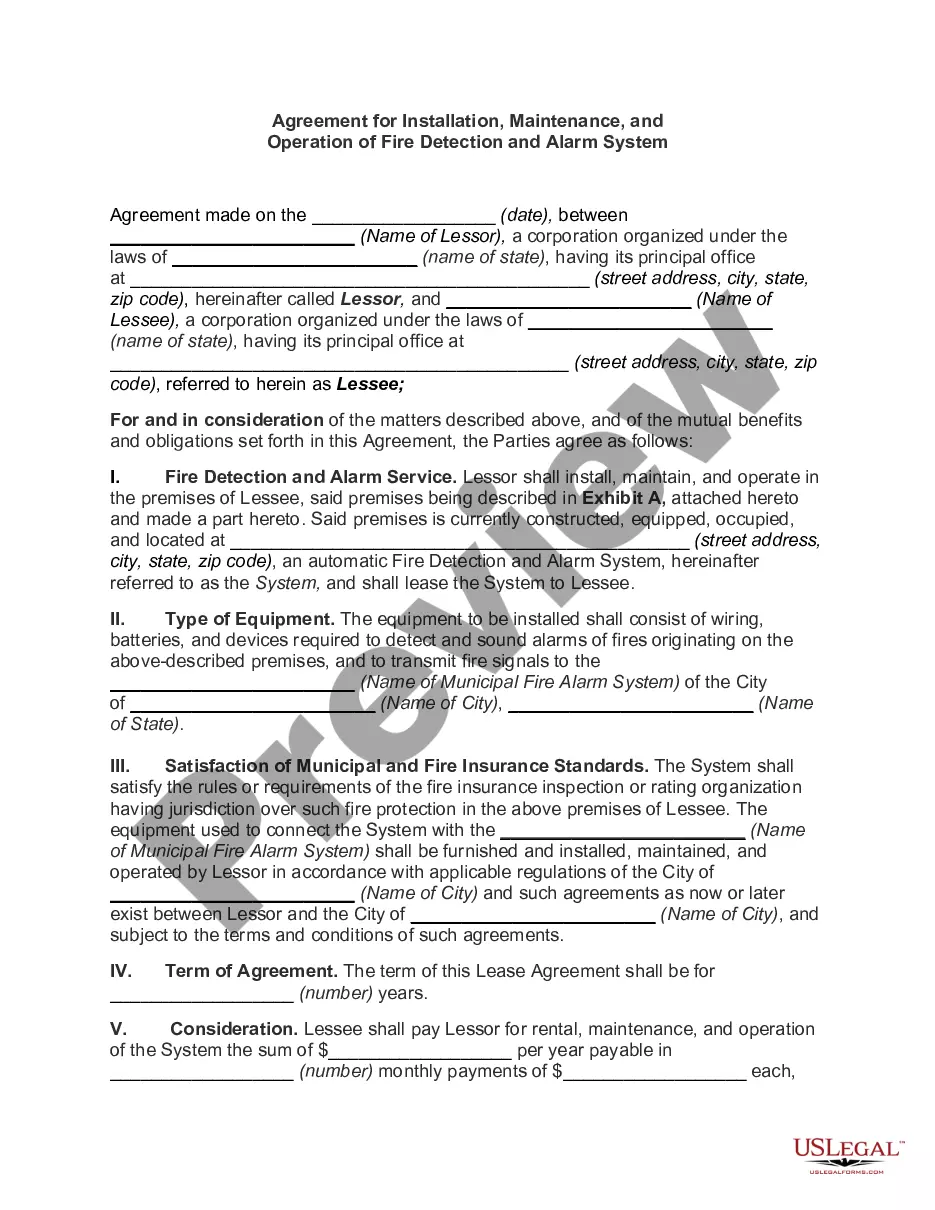


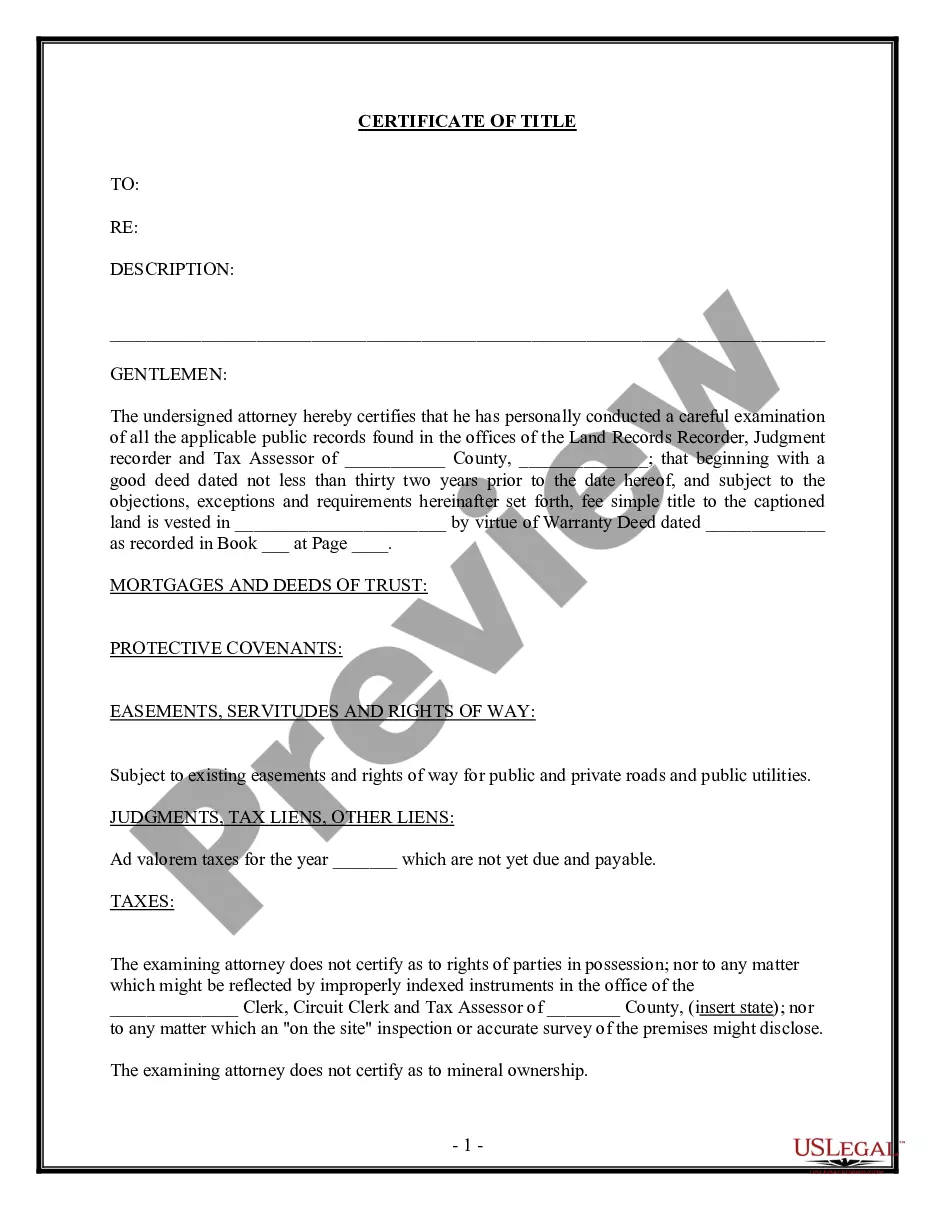
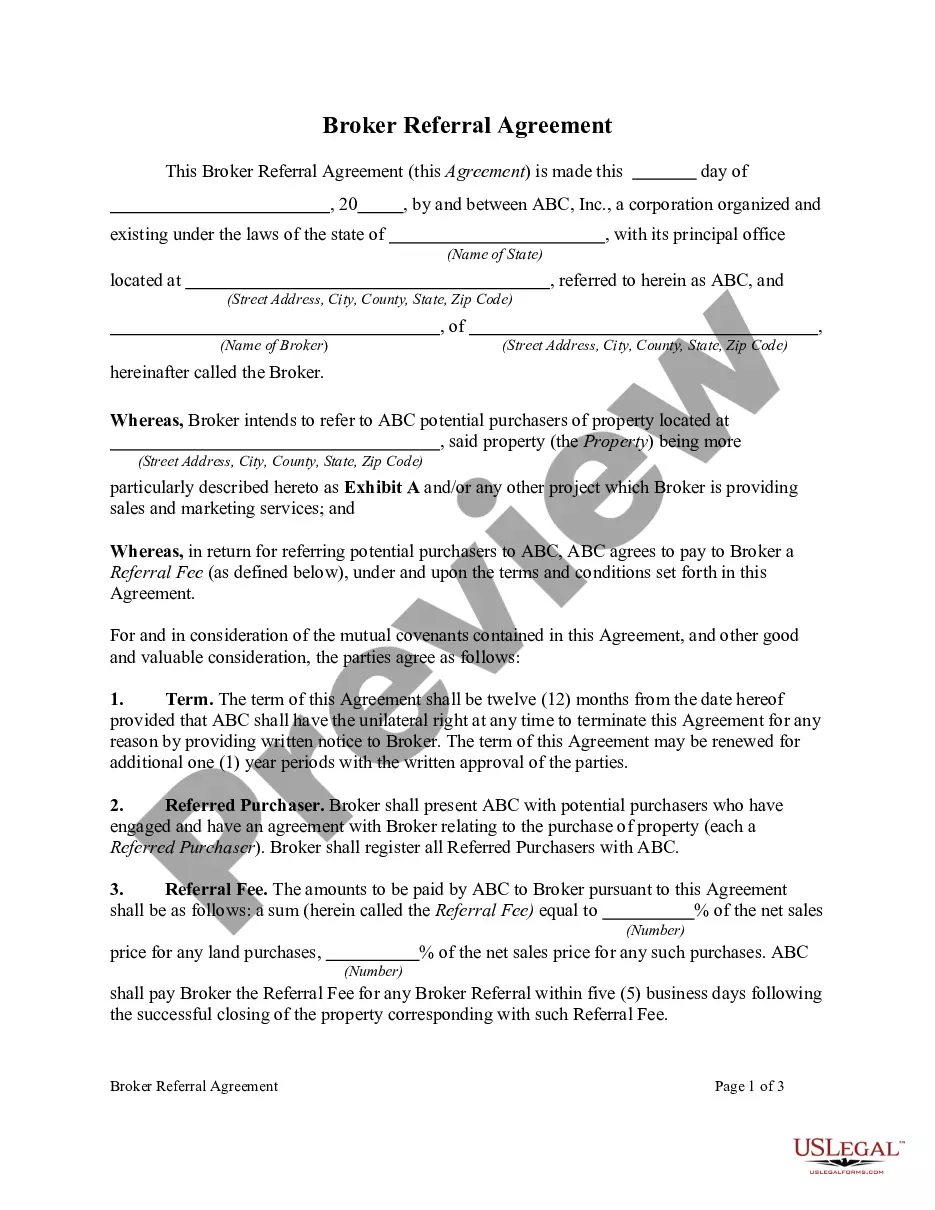
Form popularity
FAQ
Community property under California state law, such as real estate purchased during a marriage or domestic partnership, is a joint tenancy arrangement. Each of the owners shares equal interest in the property and are both named on the same deed.
Co-ownership might entail more complex legal agreements, specifically outlining each party's rights and responsibilities. Joint property ownership usually involves a simpler, more standardised agreement.
Joint Tenancy Has Some Disadvantages They include: Control Issues. Since every owner has a co-equal share of the asset, any decision must be mutual. You might not be able to sell or mortgage a home if your co-owner does not agree. Creditor Issues.
Also, because your shared home represents a major economic investment, you should hire a lawyer to help you prepare an agreement that meets your needs.
Draft a document for the parties to sign specifying the relationship between them, such as joint tenants in common, tenants in entirety, etc. Both parties must agree to the terms of the relationship, and sign the document to ensure that it is legally binding.
Contents Researching the relevant laws and regulations. Establishing the purpose of the agreement. Identifying the parties involved in the agreement. Determining the co-owners' rights and responsibilities. Drafting the agreement. Outlining the financial contributions and distributions of the co-owners.
One of the significant disadvantages of joint tenancy in Texas is the limited control and flexibility it offers to the owners. All the owners have equal rights to the property, which means that they cannot sell, mortgage, or transfer their ownership interest without the consent of the other owner(s).
The Living Together section of Nolo also discusses various forms of contracts for unmarried people who want to share ownership of property. Also, because your shared home represents a major economic investment, you should hire a lawyer to help you prepare an agreement that meets your needs.
An ownership transfer letter can be written in the following way: Explain the purpose of the transfer request letter. Consider the overall position of the asset. Mention how the transfer will be of mutual benefit. Ensure the clarity of pints. Mention details of who is involved. Terms, conditions, and legal obligations.
Write the contract in six steps Start with a contract template. Open with the basic information. Describe in detail what you have agreed to. Include a description of how the contract will be ended. Write into the contract which laws apply and how disputes will be resolved. Include space for signatures.