Production Contract Template Video With Music In Michigan
Description

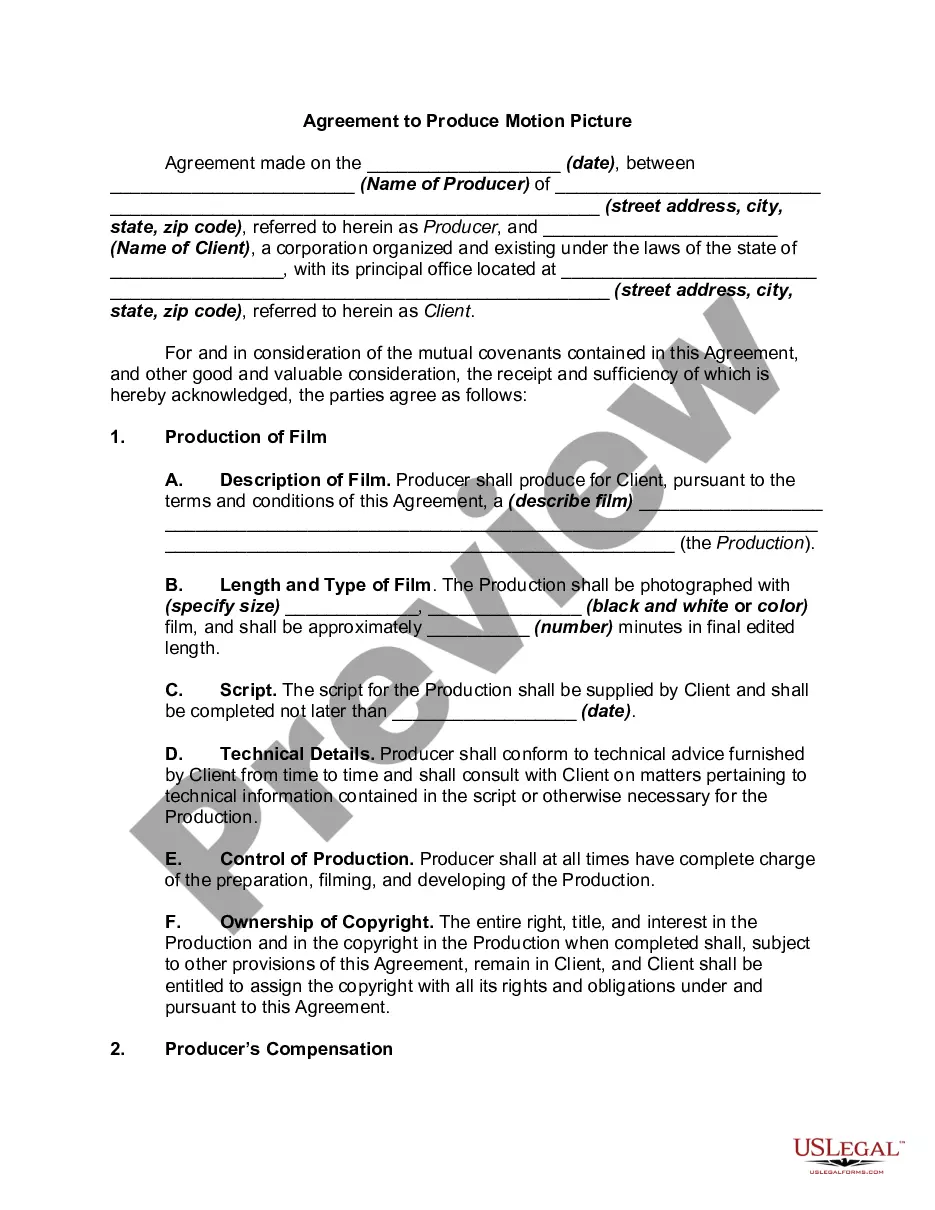
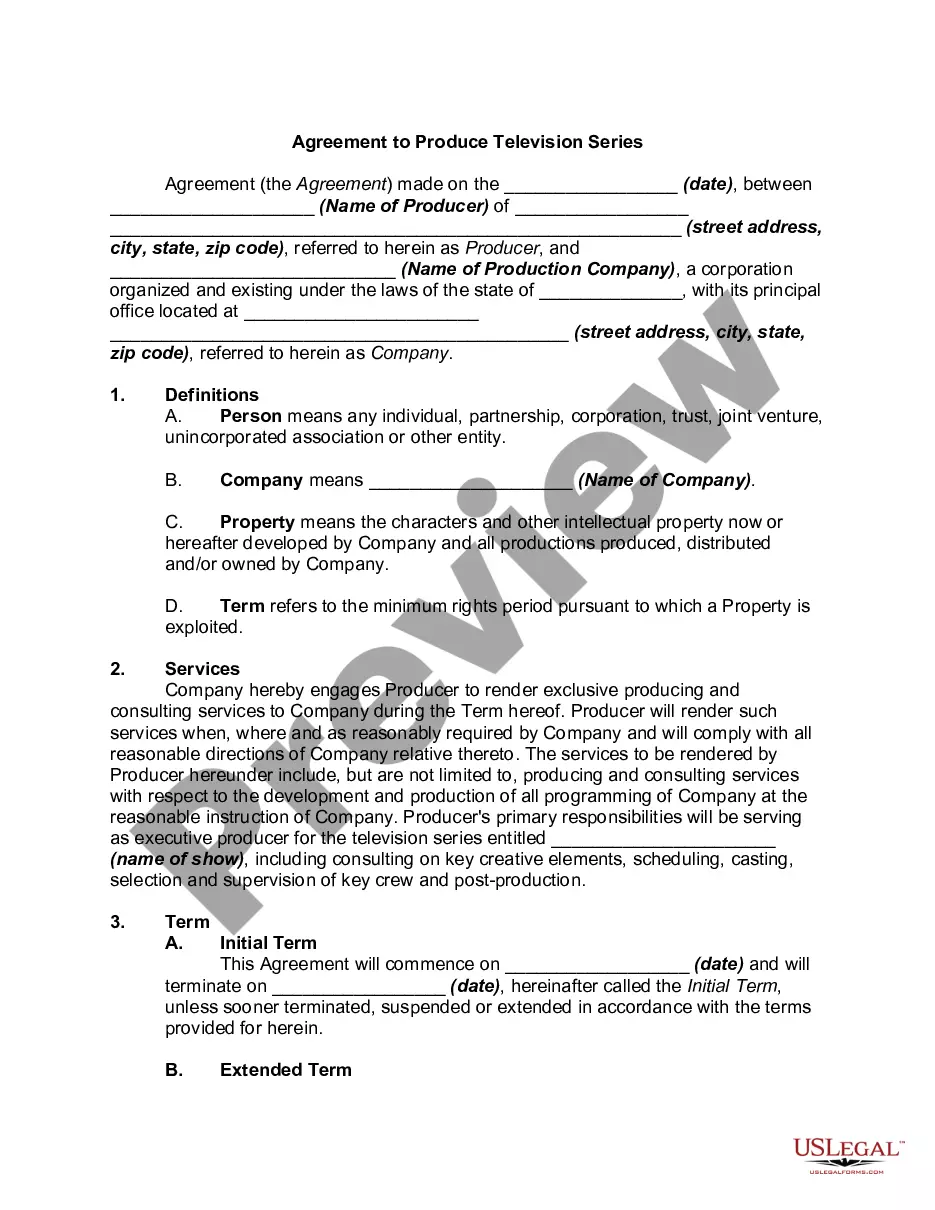
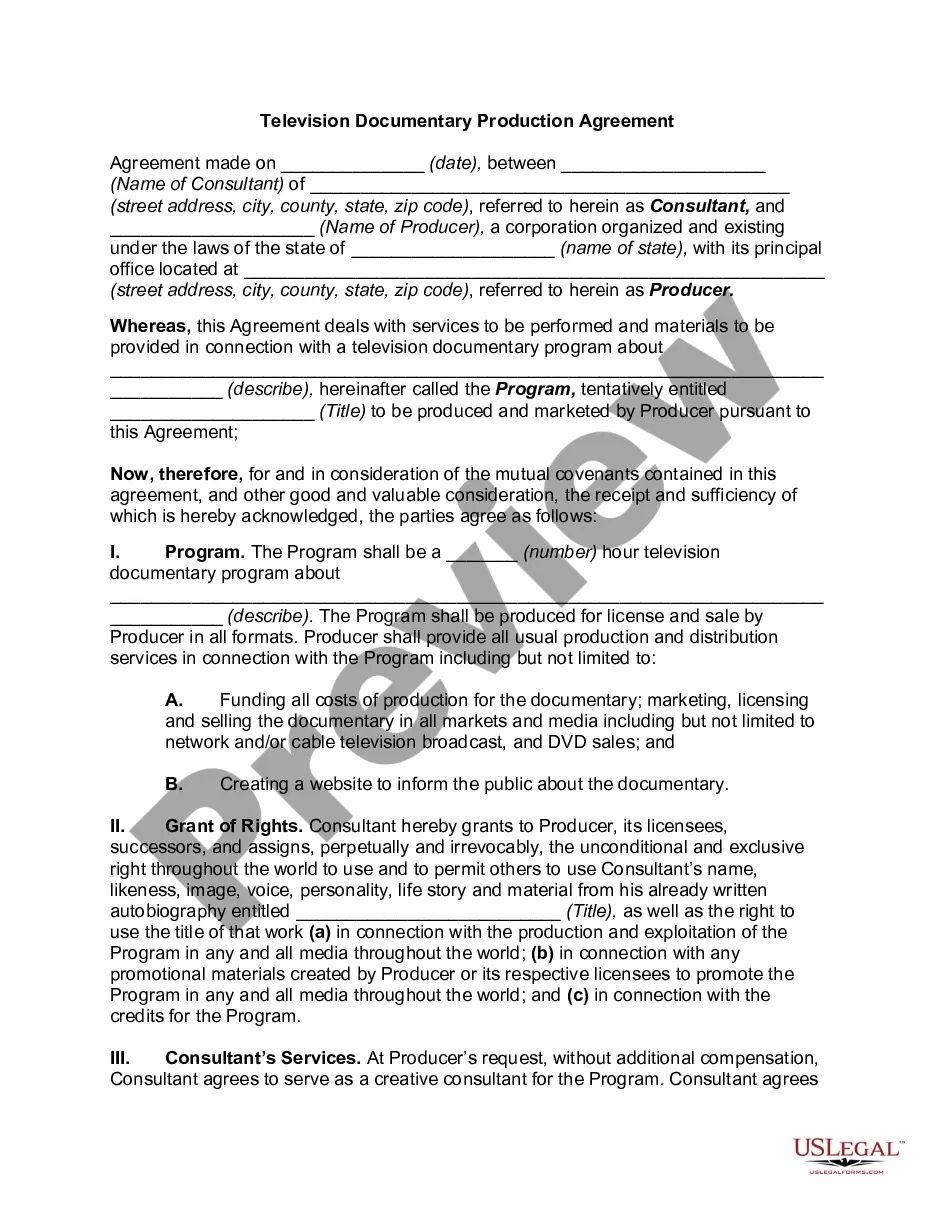
Get your form ready online
Our built-in tools help you complete, sign, share, and store your documents in one place.
Make edits, fill in missing information, and update formatting in US Legal Forms—just like you would in MS Word.
Download a copy, print it, send it by email, or mail it via USPS—whatever works best for your next step.
Sign and collect signatures with our SignNow integration. Send to multiple recipients, set reminders, and more. Go Premium to unlock E-Sign.
If this form requires notarization, complete it online through a secure video call—no need to meet a notary in person or wait for an appointment.
We protect your documents and personal data by following strict security and privacy standards.

Make edits, fill in missing information, and update formatting in US Legal Forms—just like you would in MS Word.

Download a copy, print it, send it by email, or mail it via USPS—whatever works best for your next step.

Sign and collect signatures with our SignNow integration. Send to multiple recipients, set reminders, and more. Go Premium to unlock E-Sign.

If this form requires notarization, complete it online through a secure video call—no need to meet a notary in person or wait for an appointment.

We protect your documents and personal data by following strict security and privacy standards.
Looking for another form?








Form popularity
FAQ
Here's a closer look at the requirements for music video producers: Education. Depending on the project or job position, there may be no formal education requirements for music video producers. Training. Experience. Build your portfolio. Develop your skills. Gain experience. Grow your network. Apply for projects or positions.
Performing arts schools are another option you can explore to receive relevant training. Taking a further education course in videotape production techniques, electronic tape editing or the use of cameras and synthesisers may also be beneficial.
Your Music Recording Contract should cover details like: Compensation and royalties. Where and when the album will be recorded. The album's release date. Who has creative control over specific elements of the album. The termination clause. The exclusive agreement clause. Dispute resolution. Promotional appearances.
Aspiring music video producers should focus on building a portfolio, developing relevant skills through professional degree programs or self-directed learning and networking within the music and film industry to secure opportunities with established companies and artists.
How to Become a Music Producer Develop Your Musical Skills. Master Music Production Software. Listen Actively and Broaden Your Musical Horizons. Study the Work of Great Producers. Learn the Technical Side of Production. Consider A Home Studio. Collaborate, Learn from Others, and Network. Produce Your Own Music.
. All performers engaged in a music video are covered by the agreement, including actors, announcers, dancers, models, narrators, singers and stunt performers. Choreographers and assistant choreographers are covered for purposes of health and retirement contributions only.
All performers engaged in a music video are covered by the agreement, including actors, announcers, dancers, models, narrators, singers and stunt performers. Choreographers and assistant choreographers are covered for purposes of health and retirement contributions only.
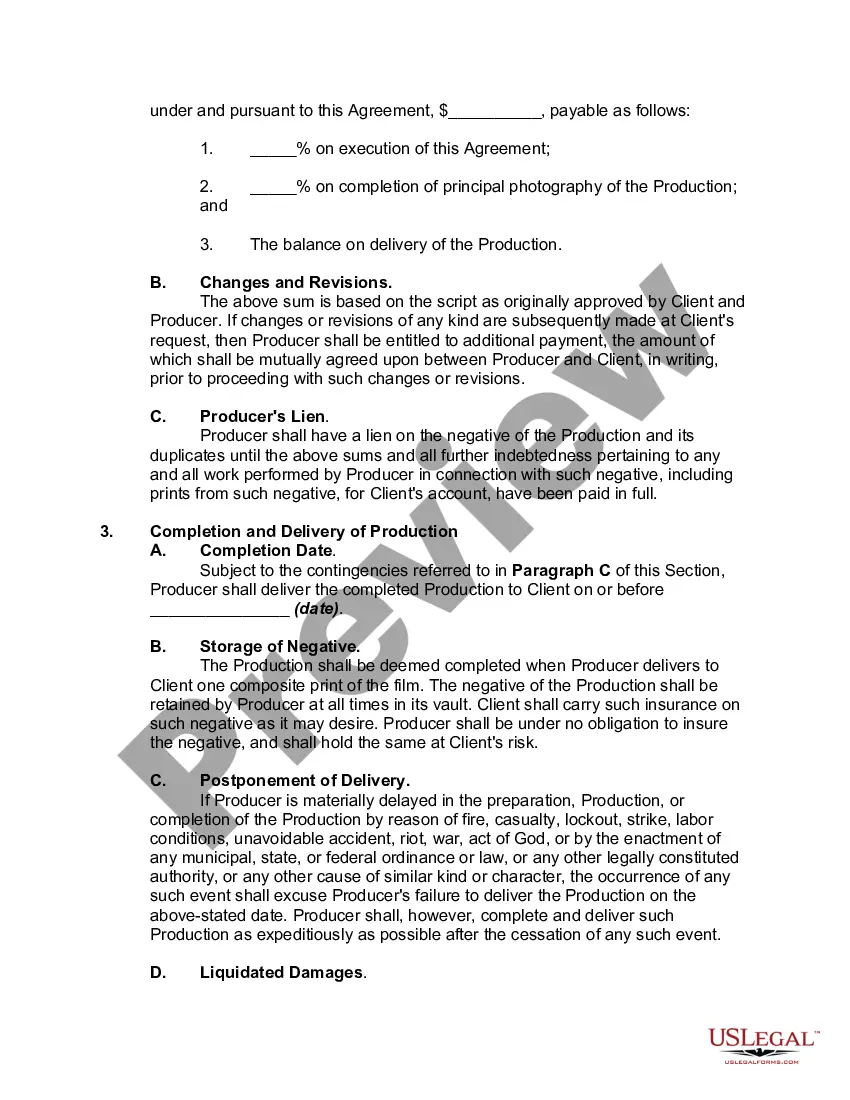
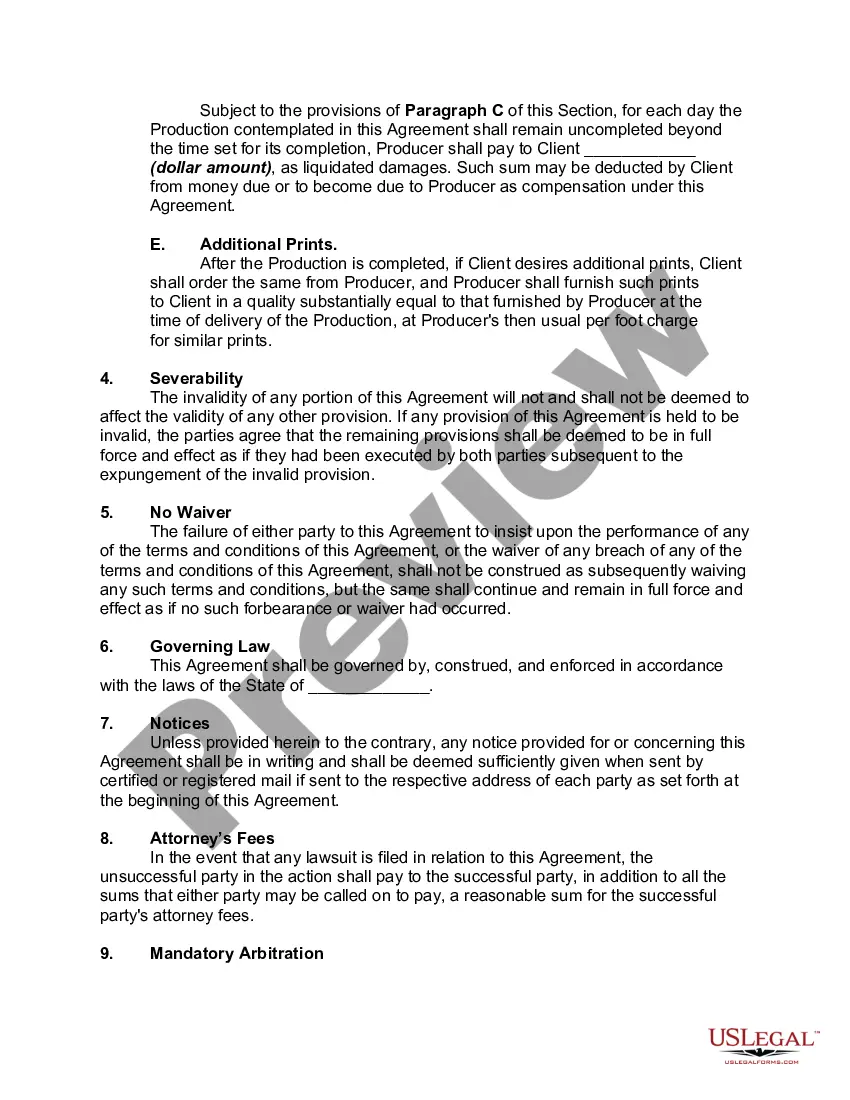
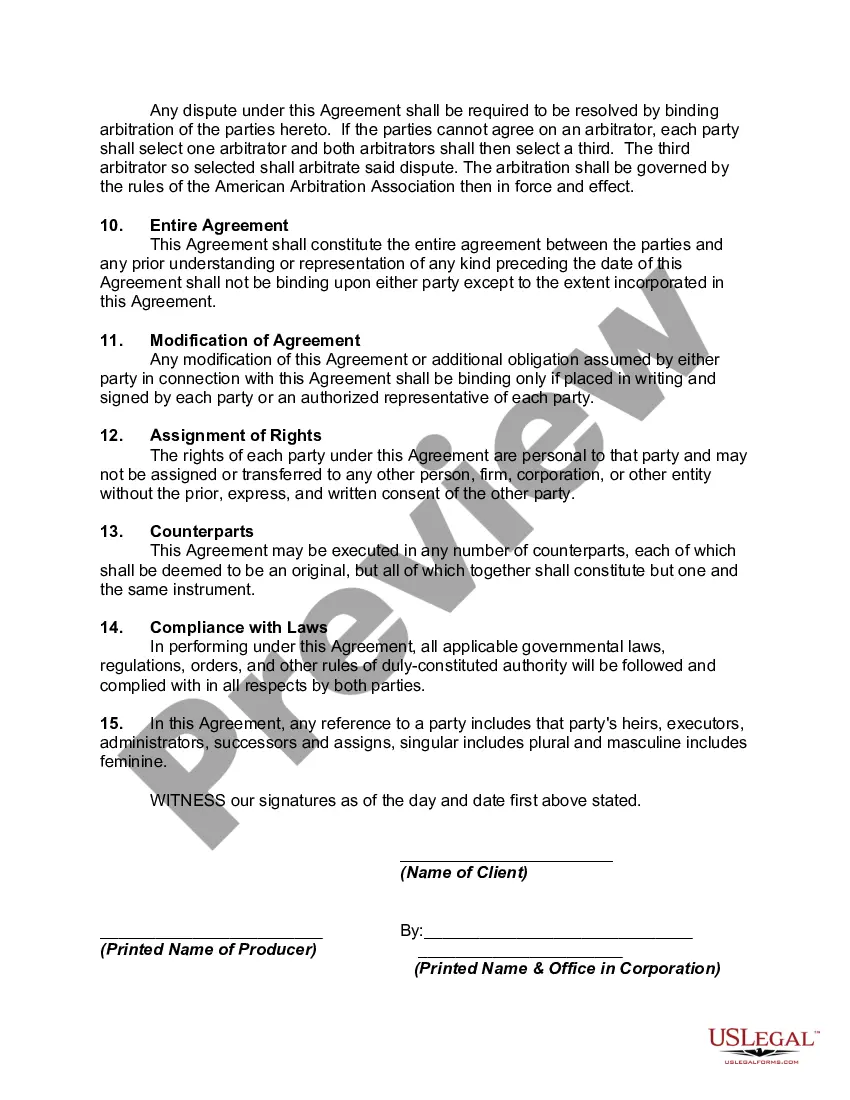
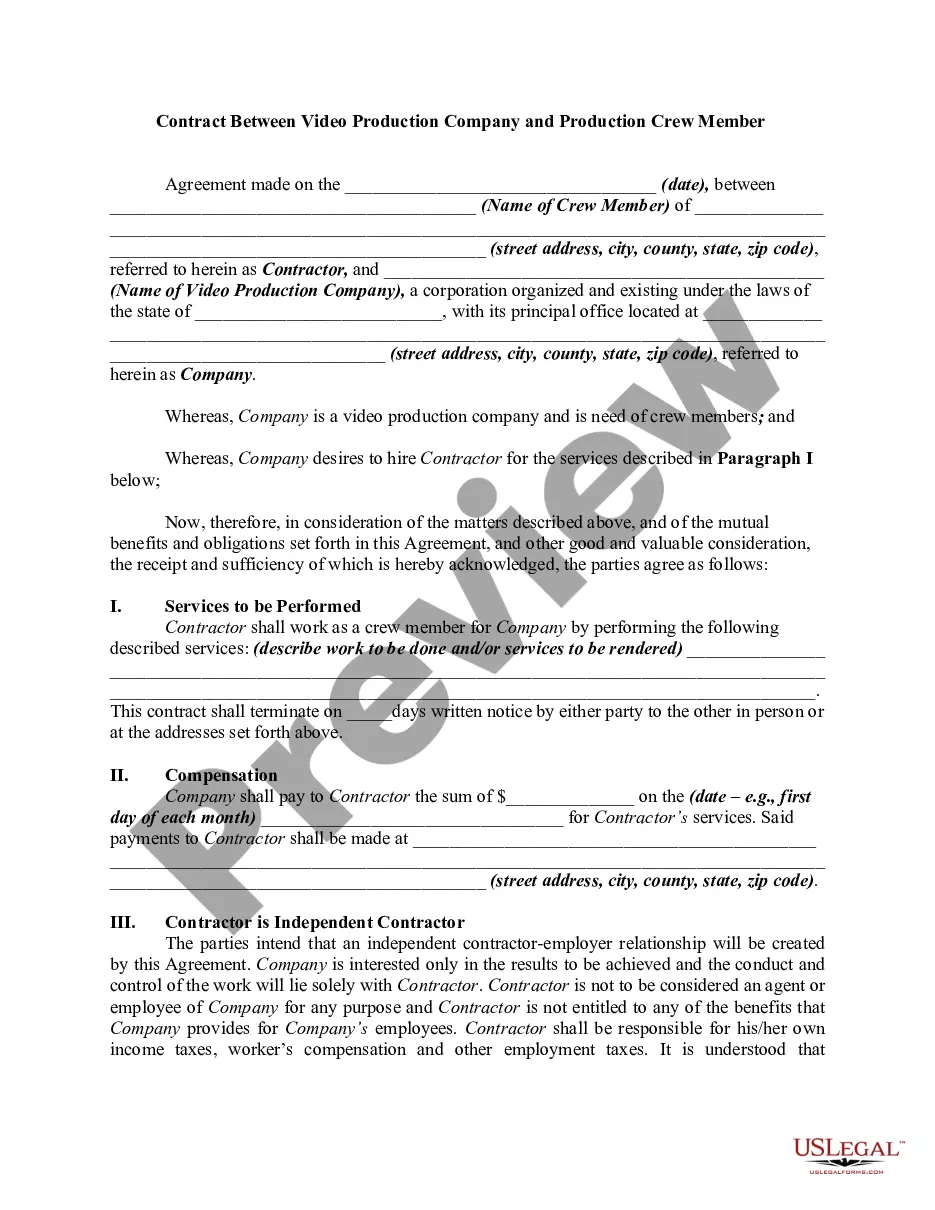
A video production contract is a legal agreement between a video production company or videographer and a client. It lays it all out – the scope of the work, the budget, when the project will be completed, and everything else you need to ensure things go off without a hitch.
Video Production Checklist: How to Plan a Video Shoot Define Your Goals. Establish exactly what your video hopes to achieve. Identify Your Audience. Develop Your Message. Establish a Budget. Plan Distribution Channels. Select the Type of Video. Storyboard Your Concept. Write Your Script.
