Form In Film Examples In Bexar
Description

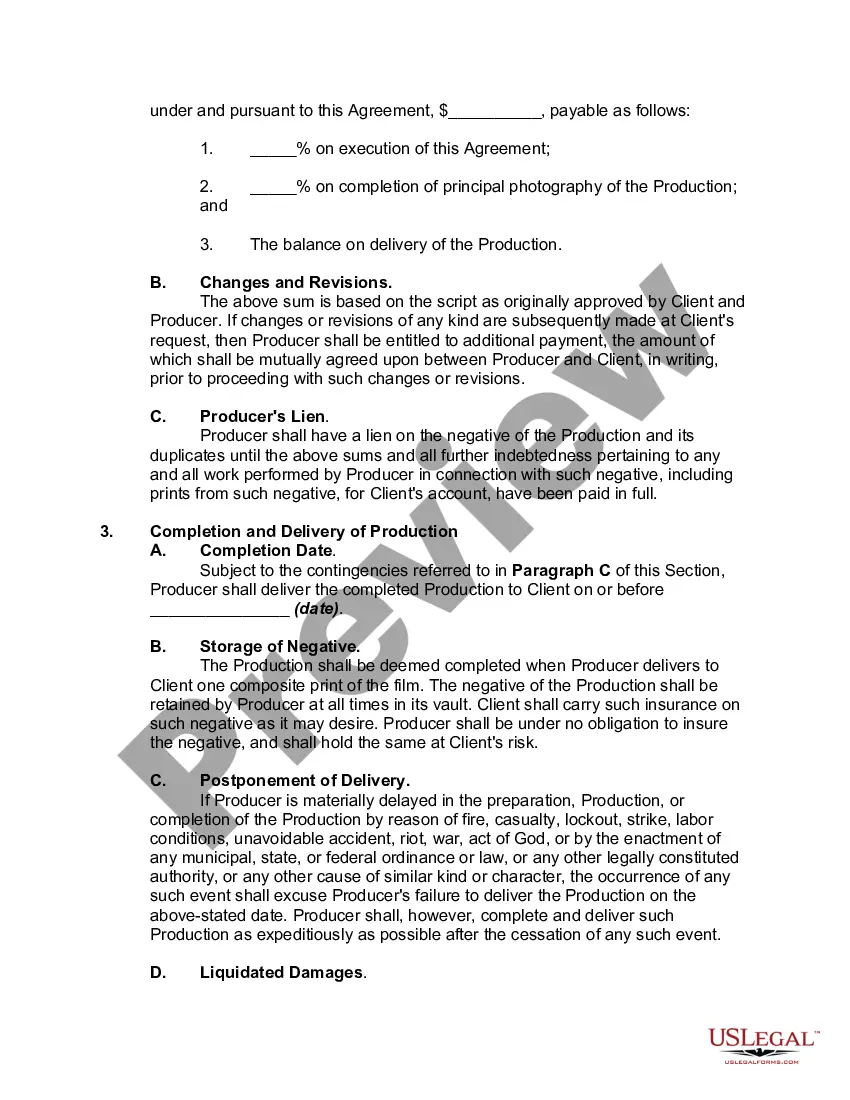
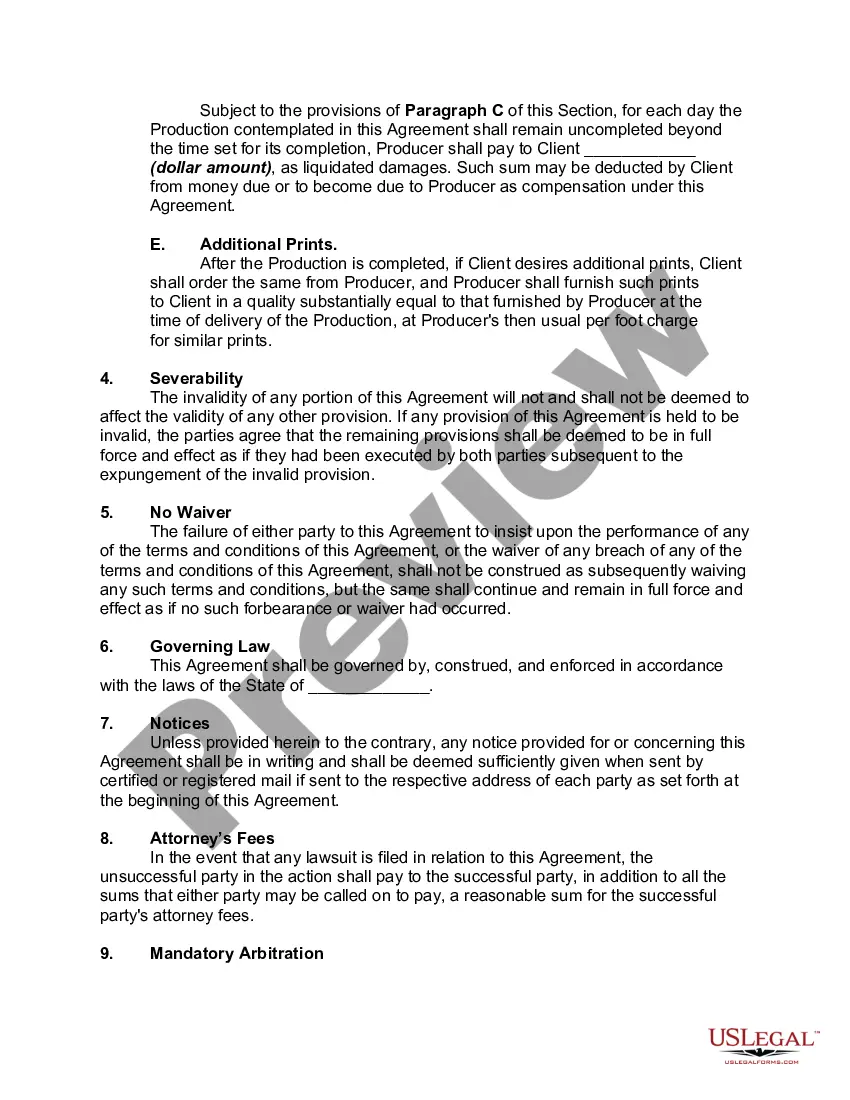
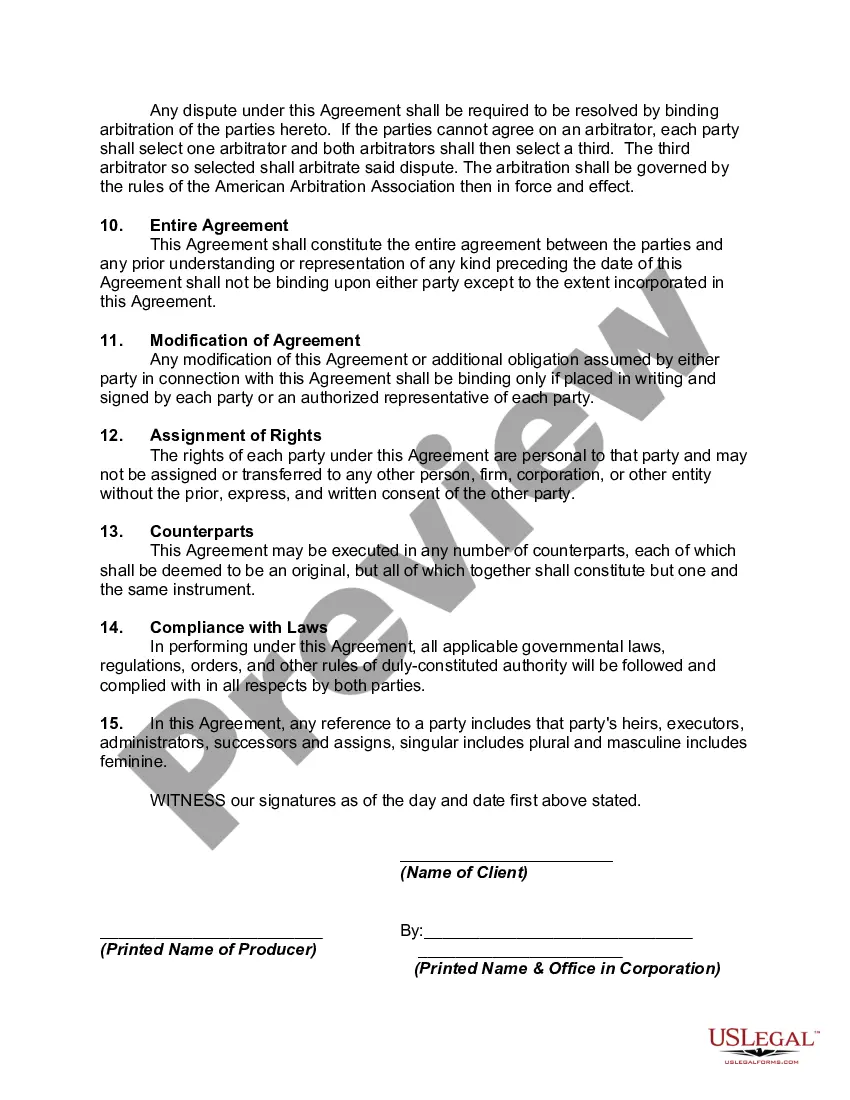
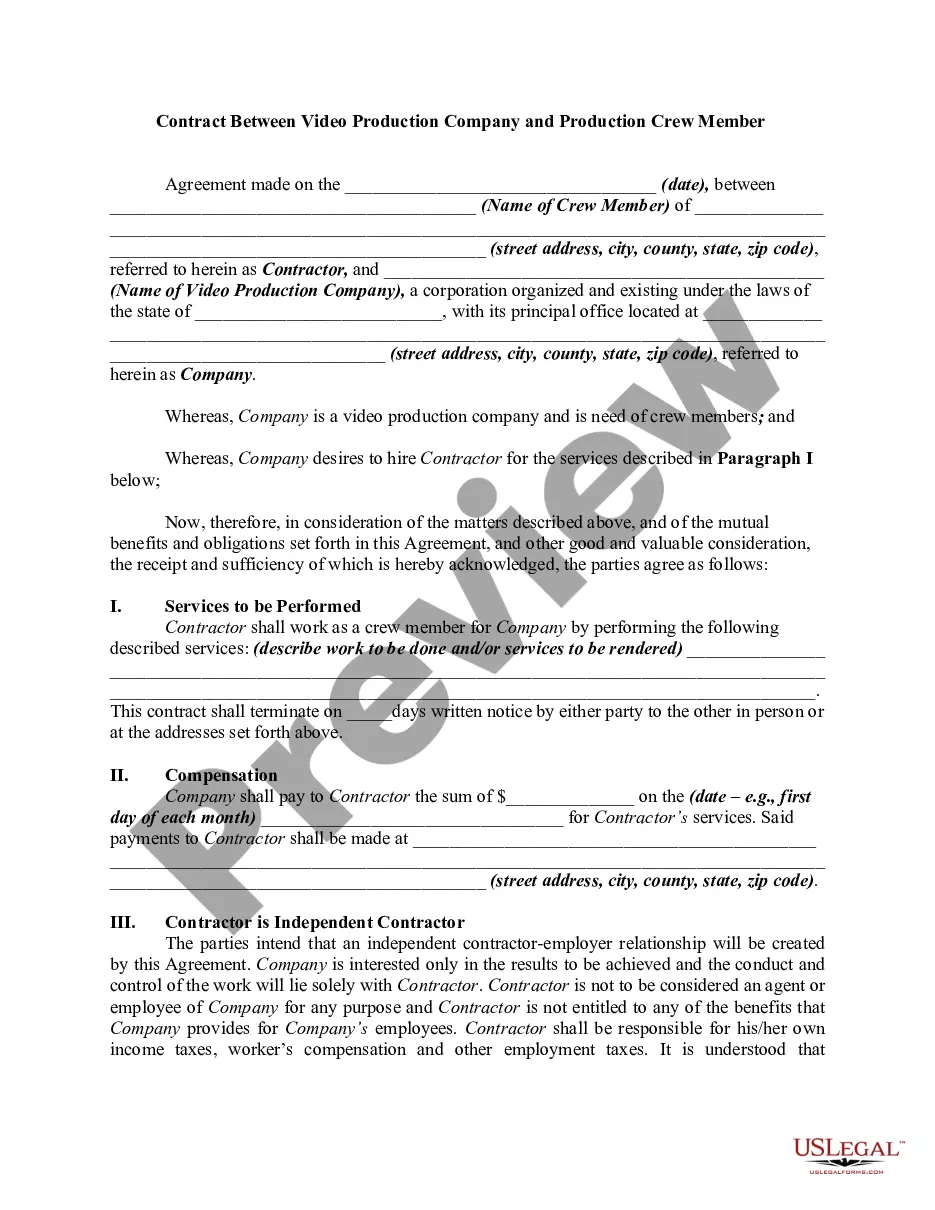

Get your form ready online
Our built-in tools help you complete, sign, share, and store your documents in one place.
Make edits, fill in missing information, and update formatting in US Legal Forms—just like you would in MS Word.
Download a copy, print it, send it by email, or mail it via USPS—whatever works best for your next step.
Sign and collect signatures with our SignNow integration. Send to multiple recipients, set reminders, and more. Go Premium to unlock E-Sign.
If this form requires notarization, complete it online through a secure video call—no need to meet a notary in person or wait for an appointment.
We protect your documents and personal data by following strict security and privacy standards.

Make edits, fill in missing information, and update formatting in US Legal Forms—just like you would in MS Word.

Download a copy, print it, send it by email, or mail it via USPS—whatever works best for your next step.

Sign and collect signatures with our SignNow integration. Send to multiple recipients, set reminders, and more. Go Premium to unlock E-Sign.

If this form requires notarization, complete it online through a secure video call—no need to meet a notary in person or wait for an appointment.

We protect your documents and personal data by following strict security and privacy standards.
Looking for another form?









Form popularity
FAQ
Three fundamental principles of film form are: Movies depend on light. Movies provide an illusion of movement. Movies manipulate space and time in unique ways.
Film form refers to the technical elements that make up a film, including lighting, sound, mise-en-scene, editing, and cinematography. Mise-en-scene comprises everything that appears in the frame and how those elements are arranged.
In Bexar County, in the unincorporated areas of the County, most residential construction has not been constructed under a residential permit, and therefore a residential Certificate of Occupancy does not exist.
The Key Elements of Film Form The visual dimension of a film, which includes aspects like camera angles, framing, and movement. The use of lighting and colour to evoke specific themes, emotions, and moods. Depth of field, which plays with focus to signify importance or create a certain feeling.
Among the given options, the answer that represents an example of film form is b. A camera angle. Camera angles are a key element of cinematography and contribute to the overall meaning and impact of a film. They can be used to create different moods, perspectives, and levels of tension.
The key elements of film form: cinematography, mise-en-scène, editing, sound and performance Area 2.
The form of a movie encompasses the various technical elements, such as cinematography, sound, editing, and mise-en-scène, which contribute to the way a story is told. On the other hand, content refers to the movie's narrative, themes, ideas, and emotional dynamics that the story intends to convey.
The principle of form over content significantly influences how viewers interpret a film by drawing attention to its stylistic choices rather than just its storyline. When a film emphasizes visual aesthetics or innovative editing techniques, it encourages viewers to engage with the material on a more sensory level.
The form of the film is like the body: containing a skeleton that gives it a rough shape, but also defined in infinitely unique ways by the relationship between countless other features (the color of the eyes, the texture of the hair, the way the body moves across space).
