Wrongful Accusation Charges In Santa Clara
Description


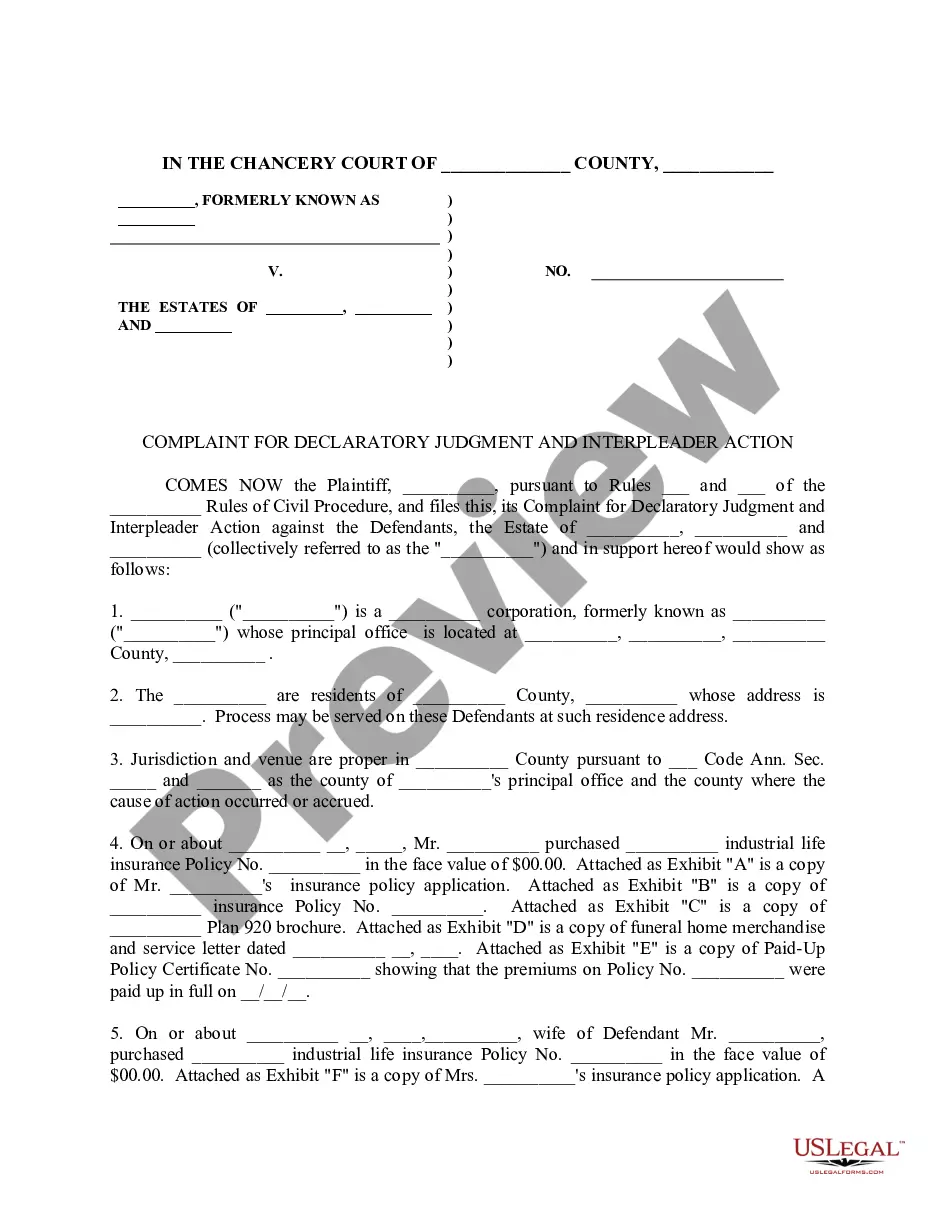
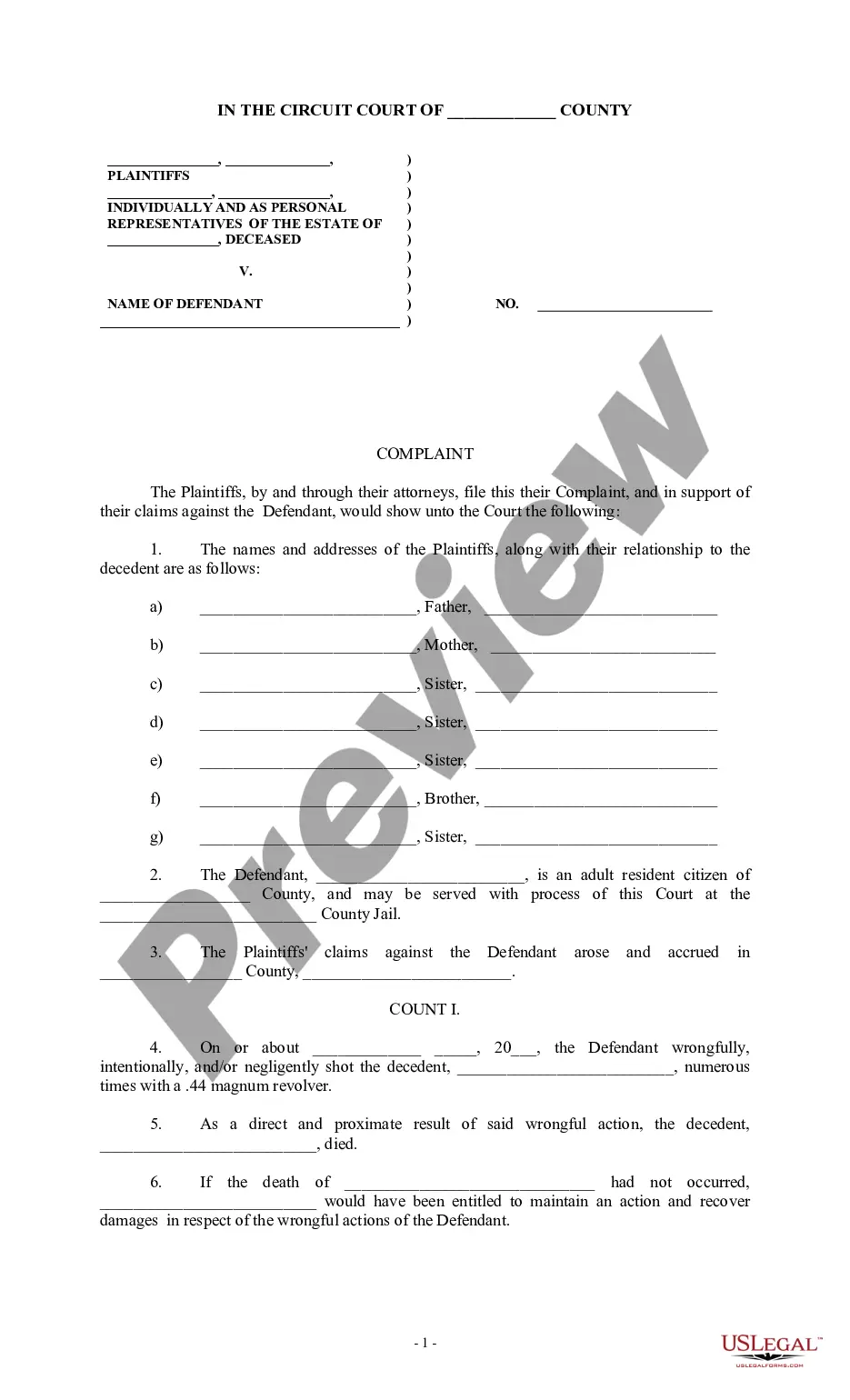
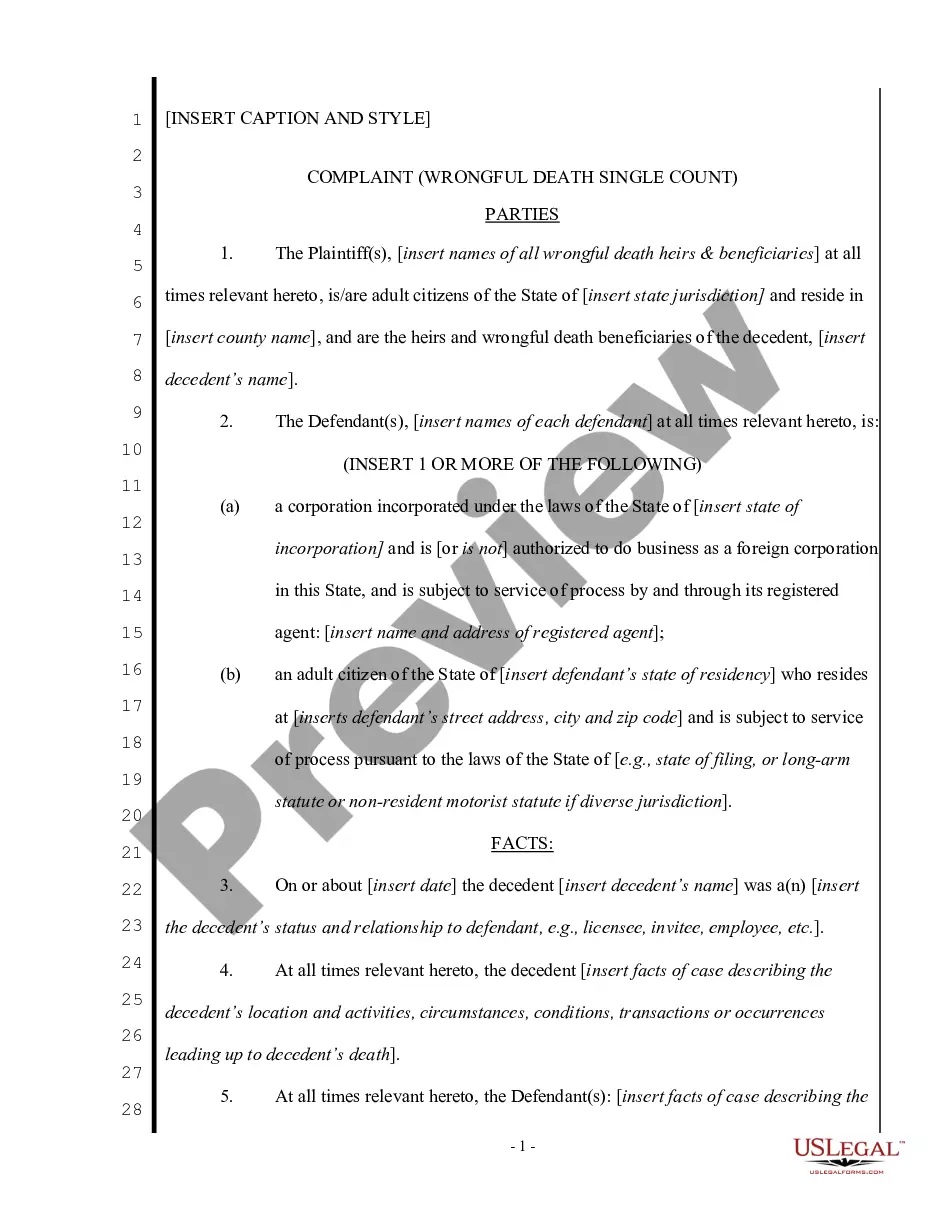
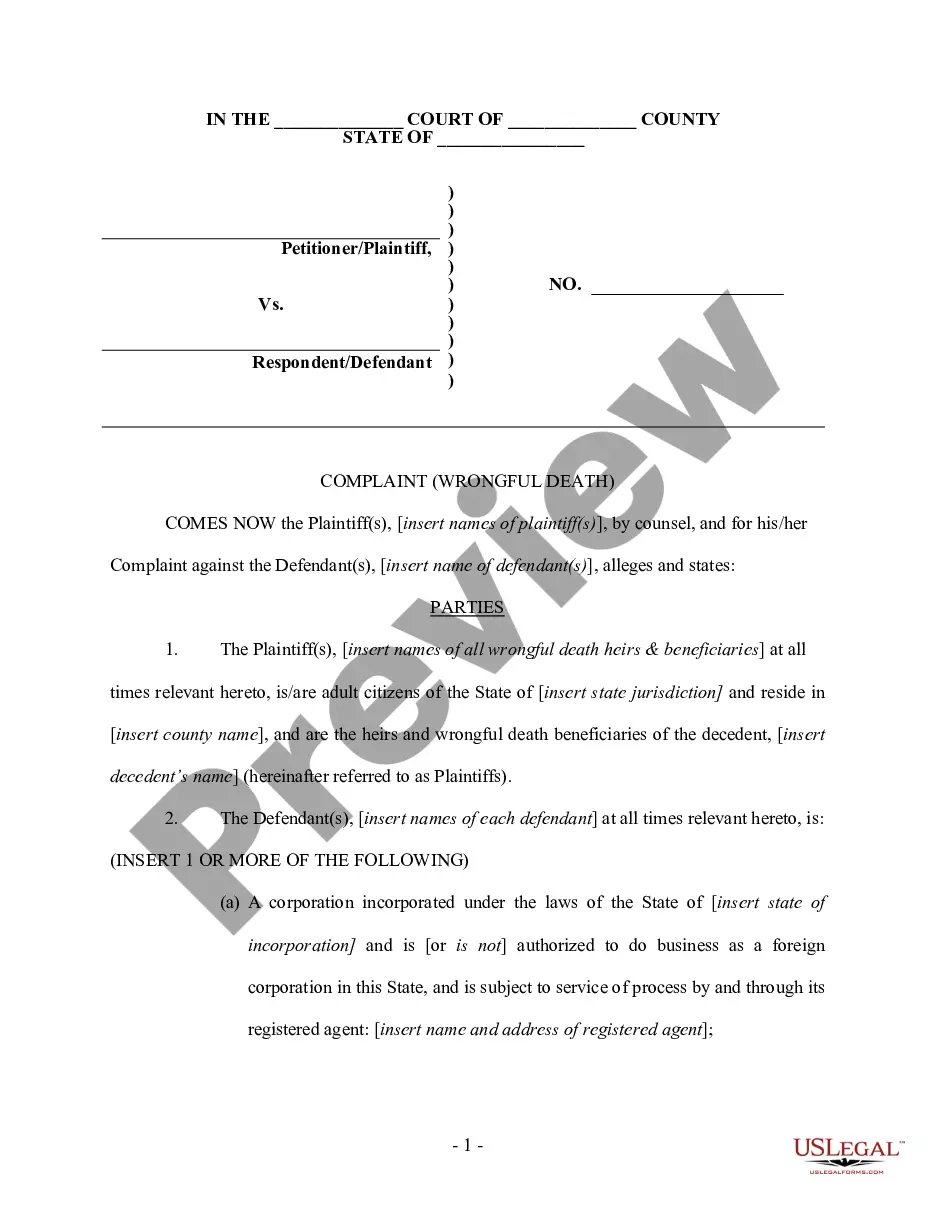
Get your form ready online
Our built-in tools help you complete, sign, share, and store your documents in one place.
Make edits, fill in missing information, and update formatting in US Legal Forms—just like you would in MS Word.
Download a copy, print it, send it by email, or mail it via USPS—whatever works best for your next step.
Sign and collect signatures with our SignNow integration. Send to multiple recipients, set reminders, and more. Go Premium to unlock E-Sign.
If this form requires notarization, complete it online through a secure video call—no need to meet a notary in person or wait for an appointment.
We protect your documents and personal data by following strict security and privacy standards.

Make edits, fill in missing information, and update formatting in US Legal Forms—just like you would in MS Word.

Download a copy, print it, send it by email, or mail it via USPS—whatever works best for your next step.

Sign and collect signatures with our SignNow integration. Send to multiple recipients, set reminders, and more. Go Premium to unlock E-Sign.

If this form requires notarization, complete it online through a secure video call—no need to meet a notary in person or wait for an appointment.

We protect your documents and personal data by following strict security and privacy standards.
Looking for another form?








Form popularity
FAQ
What to do if you have been falsely accused of a crime? Stay calm. It is natural to immediately feel angry and upset. Speak to a criminal lawyer. Retain your right to silence. Stay positive and maintain a good support network.
The amount one can sue for defamation varies widely based on several factors including the severity and extent of damage caused by the defamatory statement. However, damages typically range from thousands to millions of dollars depending on circumstances such as loss earnings and emotional distress.
Yes, if you are falsely accused and do not have a proper defense, you could be convicted and sentenced to jail or prison. The severity of the potential punishment depends on: The Type of Crime Alleged – Misdemeanor accusations may result in fines or probation, while felony accusations can lead to significant jail time.
False accusations, so we need to know the root of it in order to understand it better. It could be a diversion from their actions. It could be for personal gain or interest.
The Legal Consequences of False Accusations Criminal Penalties: If convicted of a crime based on false accusations, individuals may face prison time, fines, and a permanent criminal record. Employment Consequences: Many employers conduct background checks, and even an unproven accusation can impact job prospects.
The Legal Consequences of False Accusations Criminal Penalties: If convicted of a crime based on false accusations, individuals may face prison time, fines, and a permanent criminal record. Employment Consequences: Many employers conduct background checks, and even an unproven accusation can impact job prospects.
Damage Done by False Allegations—Even Without a Conviction Even if charges are dropped or you are acquitted at trial, false accusations can have lasting personal and professional consequences: Job loss or suspension. Damage to professional licenses or security clearances. Loss of child custody or visitation rights.
Failure to Respond: If a defendant fails to answer the complaint or file a motion to dismiss within the time limit set forth in the summons, the defendant is in default. The plaintiff can ask the court clerk to make a note of that fact in the file, a procedure called entry of default.
Comply With the Relevant Federal, State, and Local Rules. Research Before Writing. Allege Subject Matter Jurisdiction, Personal Jurisdiction, and Venue. Jurisdiction. Draft Concise and Plain Statement of the Facts. Factual Allegations. Draft Separate Counts for Each Legal Claim. Plead Facts With Particularity Where Necessary.
Your answer should include the court name, case name, case number, and your affirmative defenses. Print three copies of your answer. File one with the clerk's office and mail (or “serve”) one to the plaintiff or plaintiff's attorney.
