Wrongful Interference With Goods In Illinois
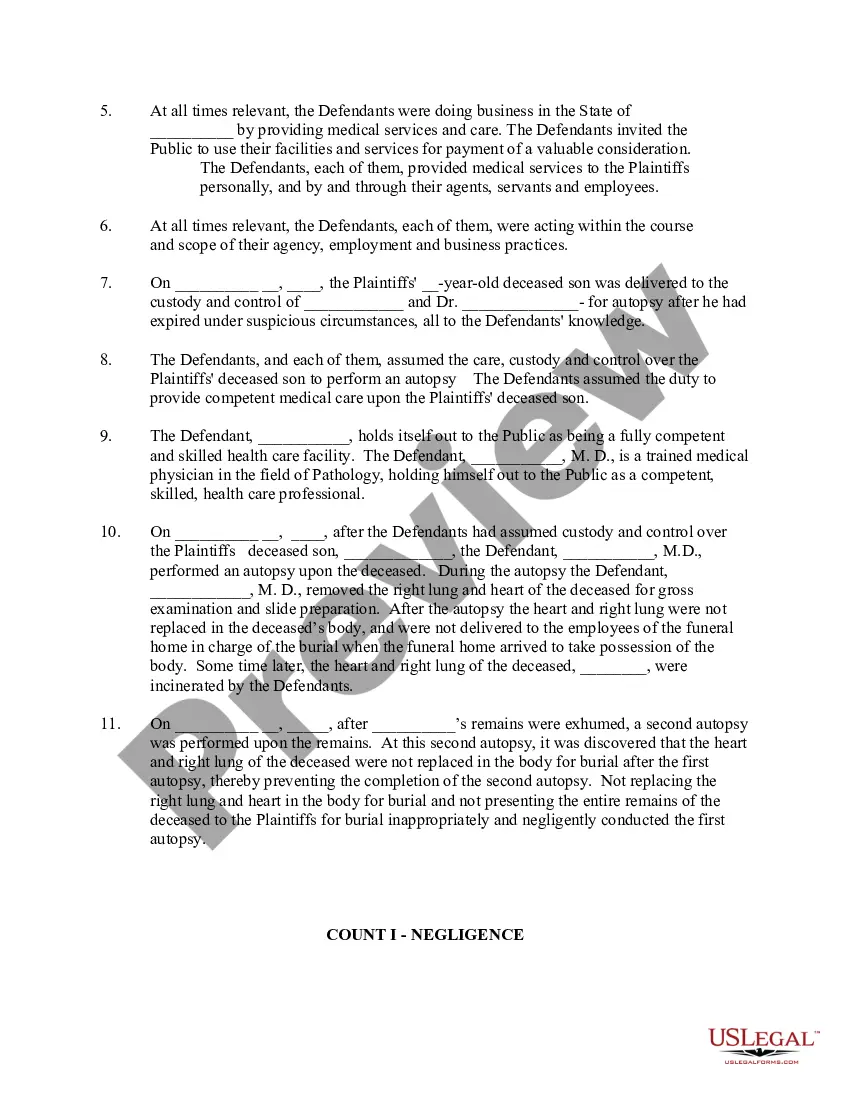
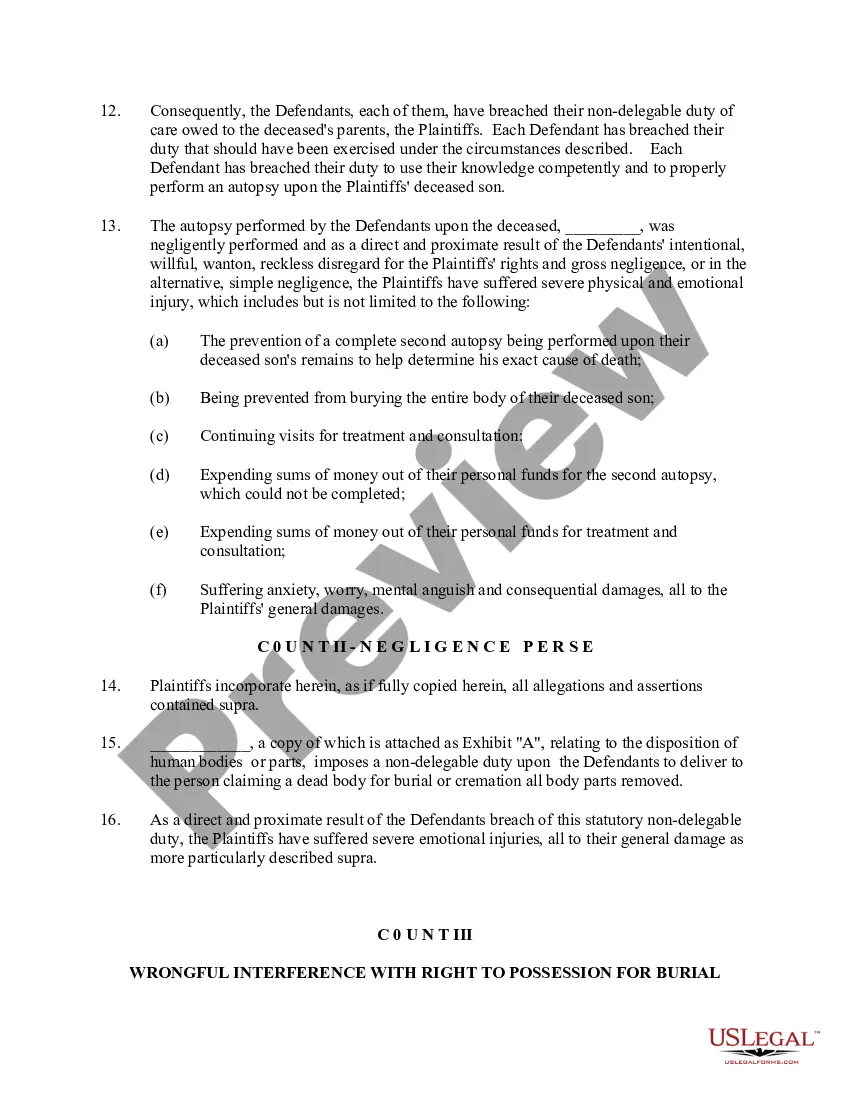
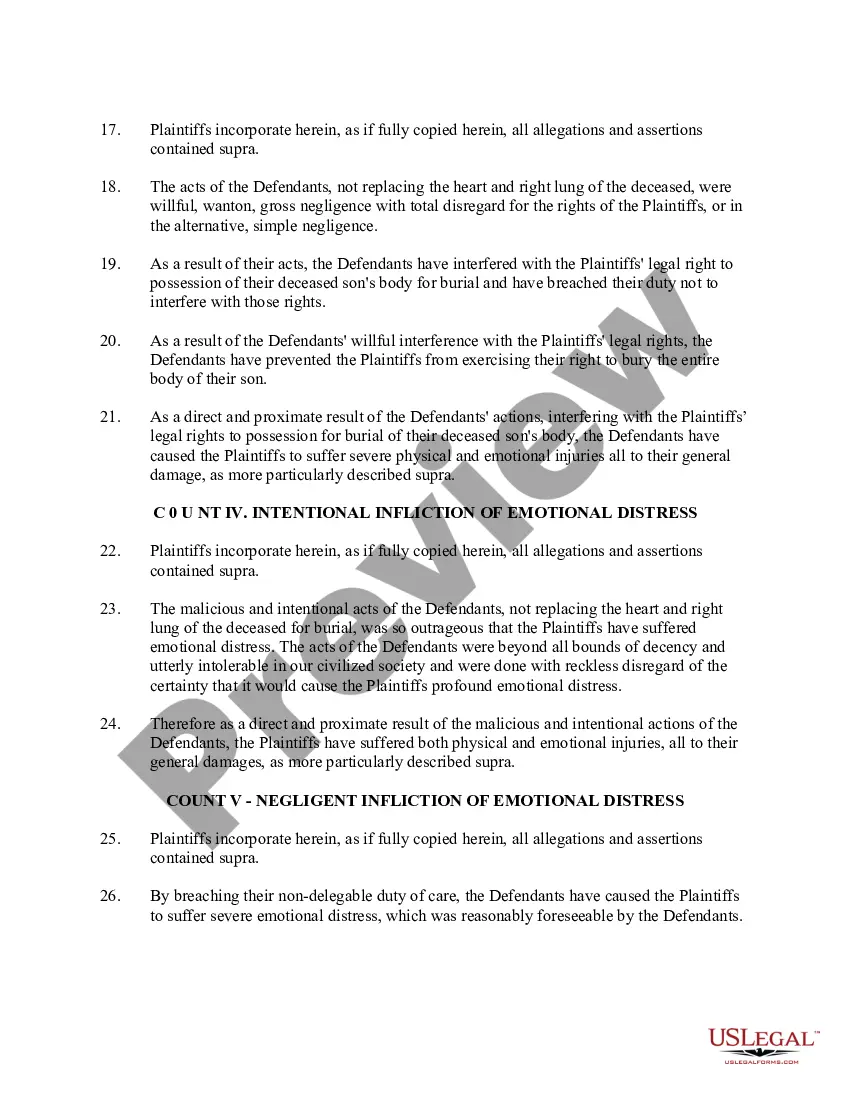
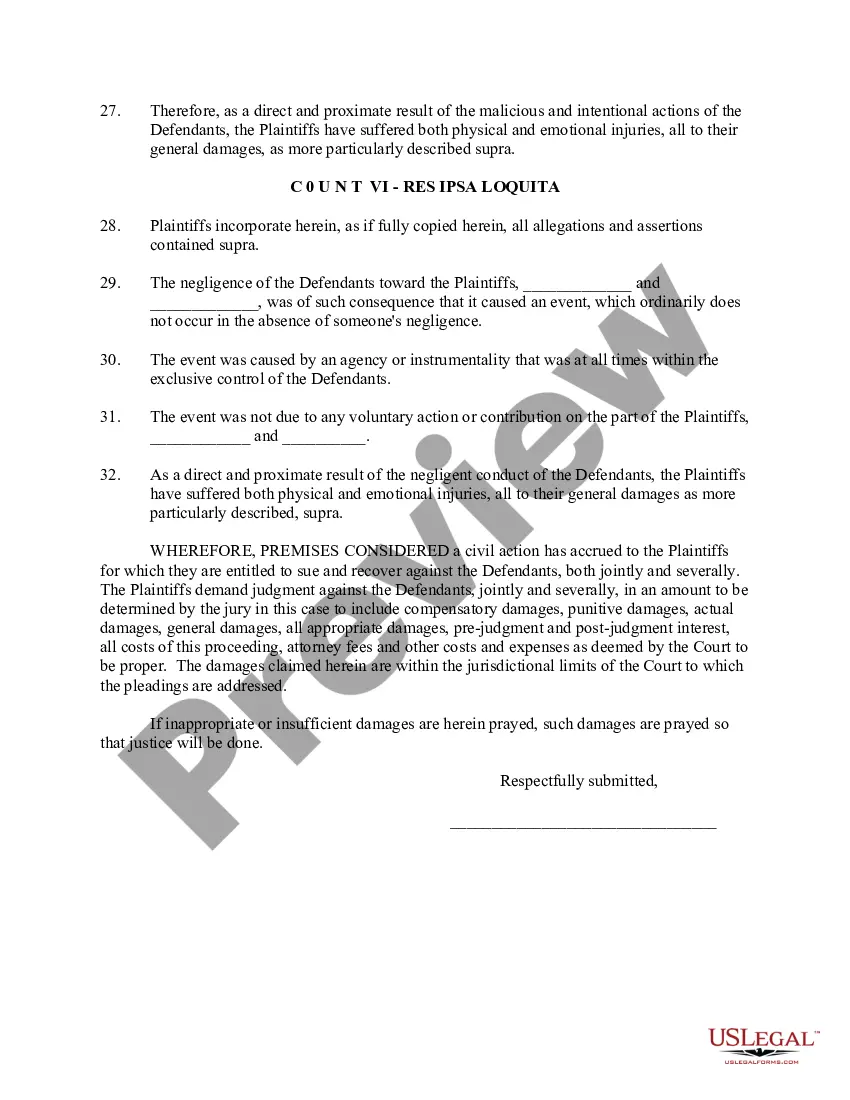
Description


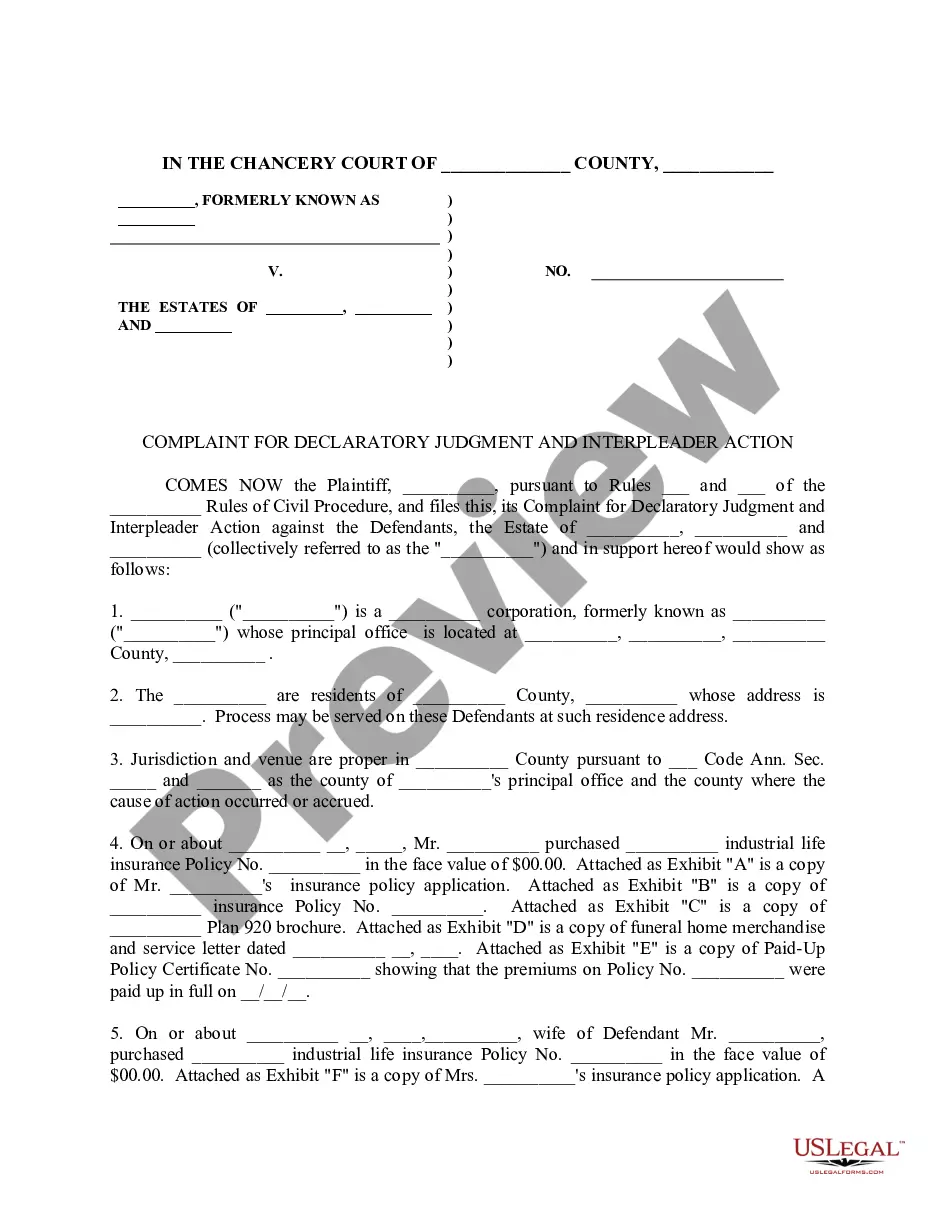
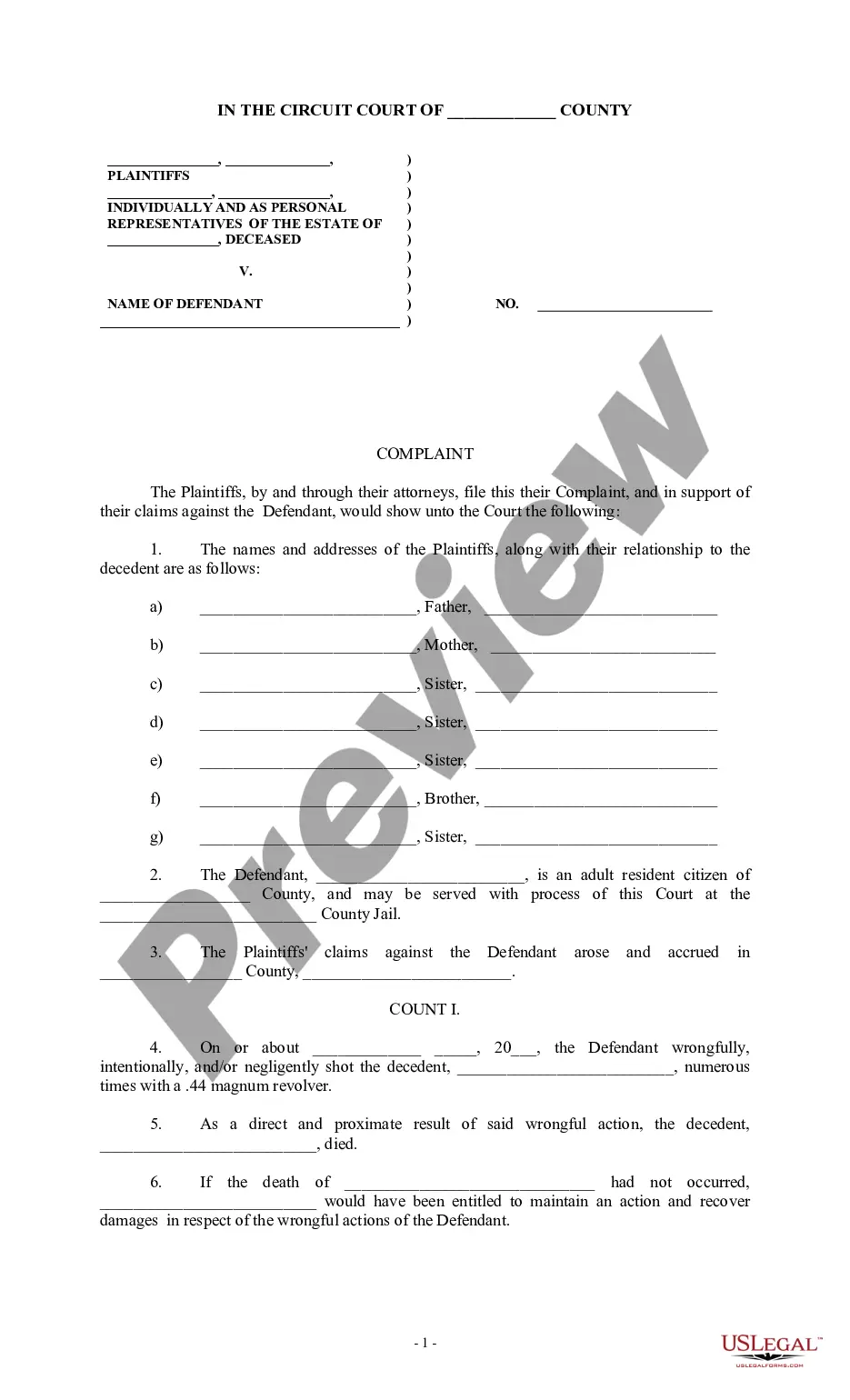
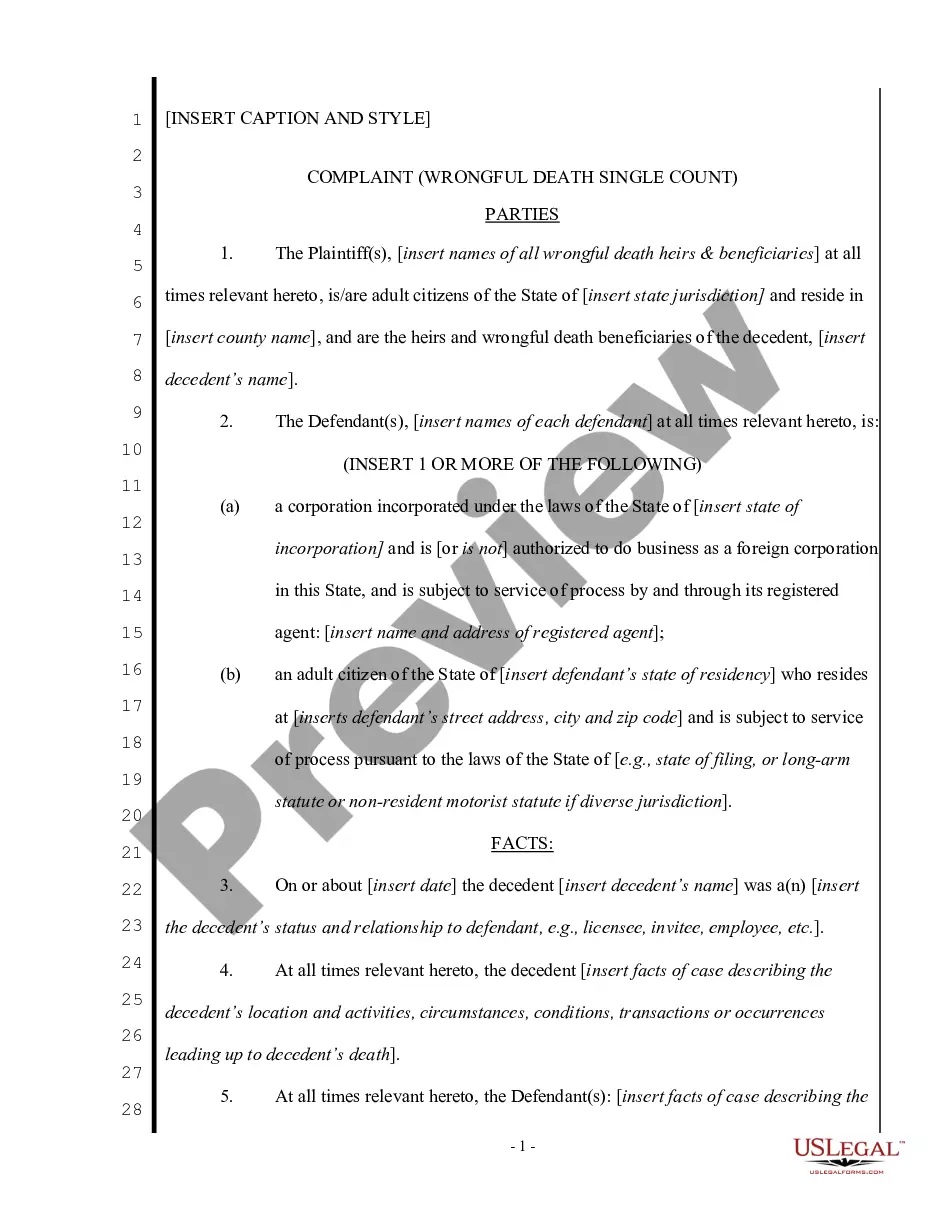
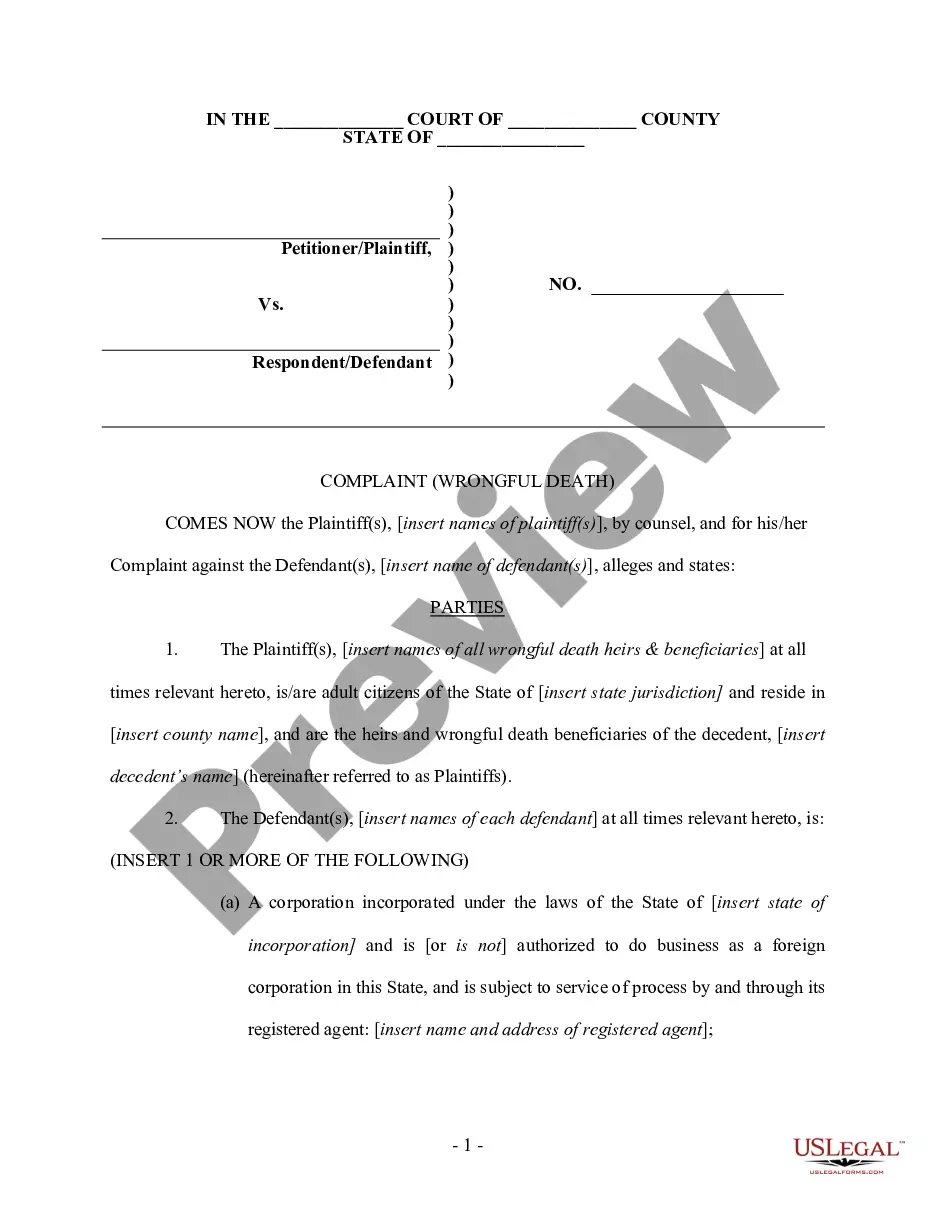
Get your form ready online
Our built-in tools help you complete, sign, share, and store your documents in one place.
Make edits, fill in missing information, and update formatting in US Legal Forms—just like you would in MS Word.
Download a copy, print it, send it by email, or mail it via USPS—whatever works best for your next step.
Sign and collect signatures with our SignNow integration. Send to multiple recipients, set reminders, and more. Go Premium to unlock E-Sign.
If this form requires notarization, complete it online through a secure video call—no need to meet a notary in person or wait for an appointment.
We protect your documents and personal data by following strict security and privacy standards.

Make edits, fill in missing information, and update formatting in US Legal Forms—just like you would in MS Word.

Download a copy, print it, send it by email, or mail it via USPS—whatever works best for your next step.

Sign and collect signatures with our SignNow integration. Send to multiple recipients, set reminders, and more. Go Premium to unlock E-Sign.

If this form requires notarization, complete it online through a secure video call—no need to meet a notary in person or wait for an appointment.

We protect your documents and personal data by following strict security and privacy standards.
Looking for another form?










Form popularity
FAQ
Under Illinois law, the elements of a claim for tortious interference with a contract are that: The plaintiff and a third party entered into a valid and enforceable contract. The defendant knew of the contract. The defendant intentionally and unjustifiably induced the third party to breach the contract.
Illinois Tort law is an area of civil law that typically allows an individual to take legal action against another individual, business, or organization for any injury or harm suffered from their actions. It is a broad area of the state's civil law that governs wrongdoings committed against another person.
The Torts (Interference with Goods) Act 1977 introduces a collective description ' wrongful interference with goods' to cover conversion, trespass to goods, negligence resulting in damage to goods or to an interest in goods and any other tort in so far as it results in damage to goods or an interest in goods.
Section 774B states: “One who by fraud, duress, or other tortious means intentionally prevents another from receiving from a third person an inheritance or gift that he would otherwise have received is subject to liability to the other for loss of the inheritance or gift.” Comment d to §774B recognizes that the major ...
Broadly speaking, interference in a legal setting is wrongful conduct that prevents or disturbs another in the performance of their usual activities, in the conduct of their business or contractual relations, or in the enjoyment of their full legal rights .
A plaintiff must show that: (1) the defendant interfered with the plaintiff's prospective economic relationship; (2) the plaintiff would have entered that economic relationship in the absence of the defendant's conduct; (3) the plaintiff was injured; and (4) the defendant acted with the sole purpose of harming the ...
Typical legal damages for tortious interference include economic losses, if they can be proven with certainty, and mental distress. Additionally punitive damages may be awarded if malice on the part of the wrongdoer can be established.
The plaintiff had a reasonable expectation of entering into or continuing a valid business relationship with a third party. The defendant knew of that expectation. The defendant intentionally and without justification interfered with that expectation.
Under Illinois law, the elements of a claim for tortious interference with a contract are that: The plaintiff and a third party entered into a valid and enforceable contract. The defendant knew of the contract. The defendant intentionally and unjustifiably induced the third party to breach the contract.
