Wrongful Possession Meaning In Florida
Description


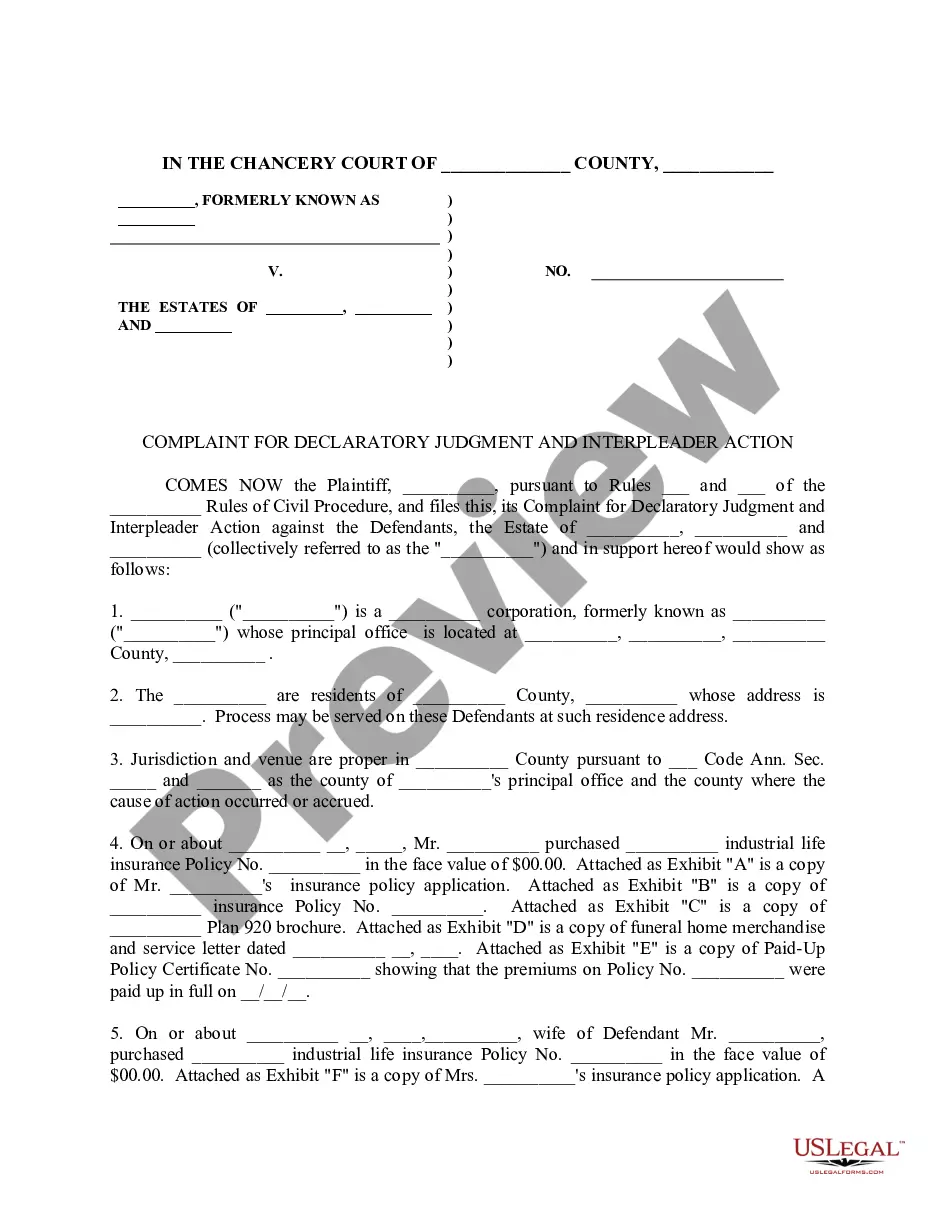
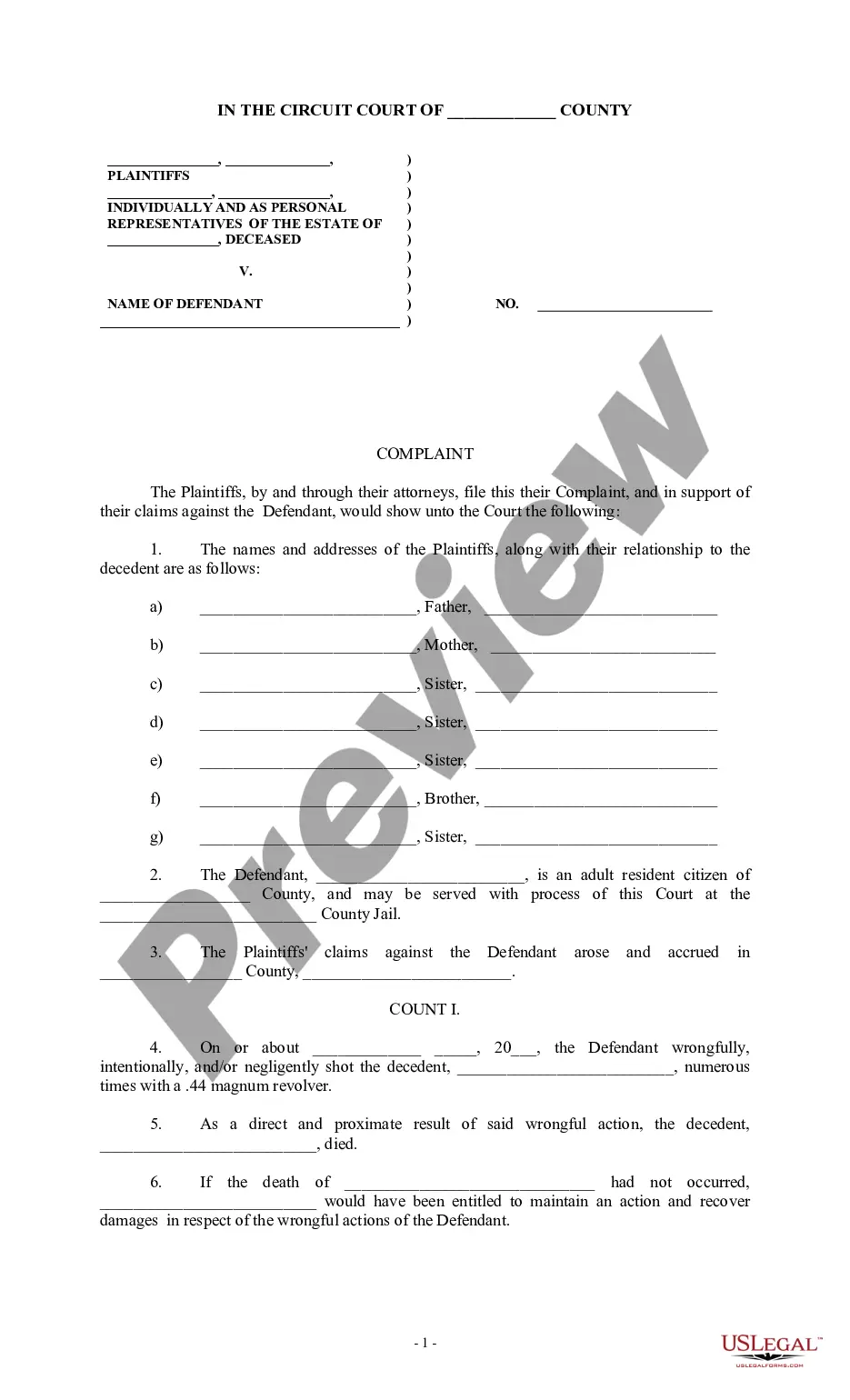
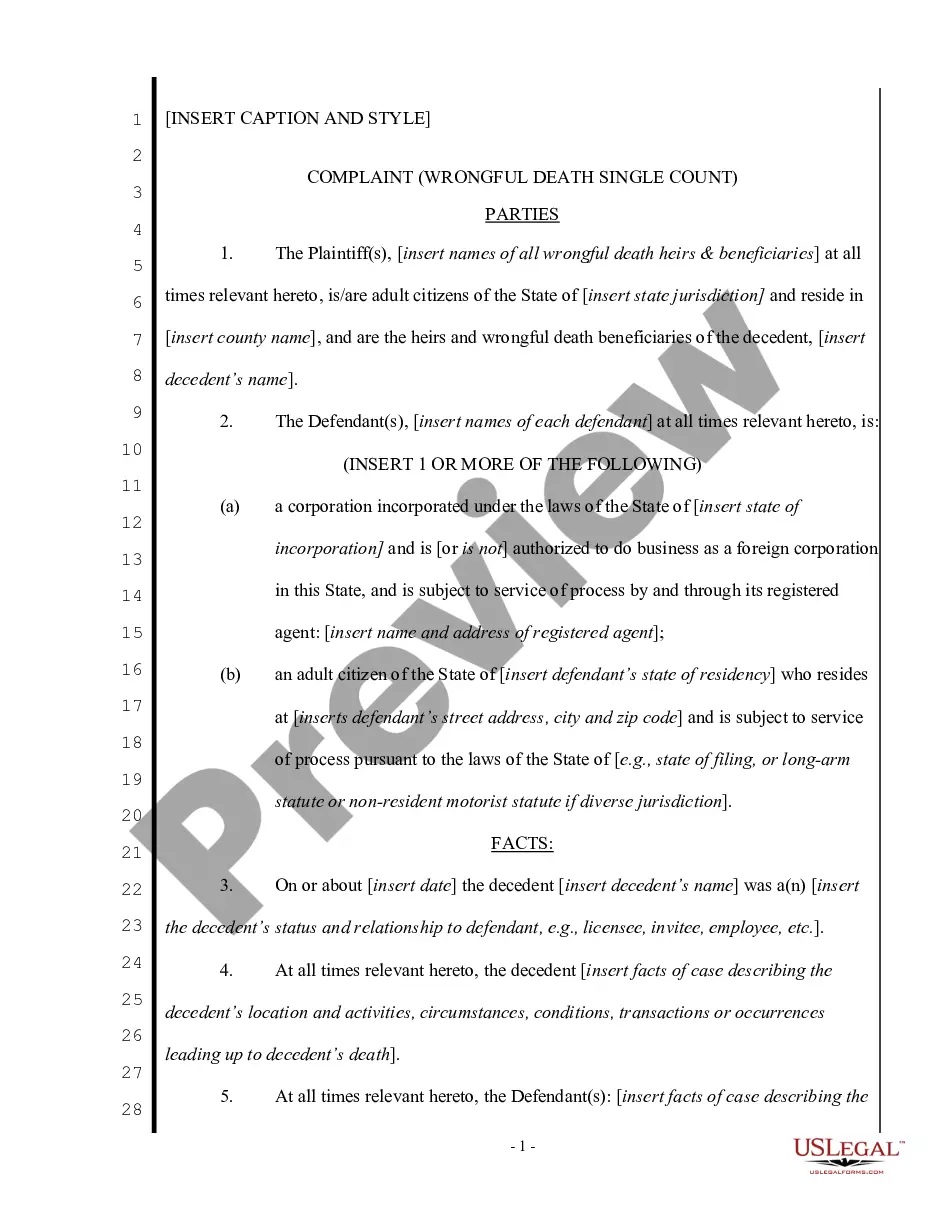
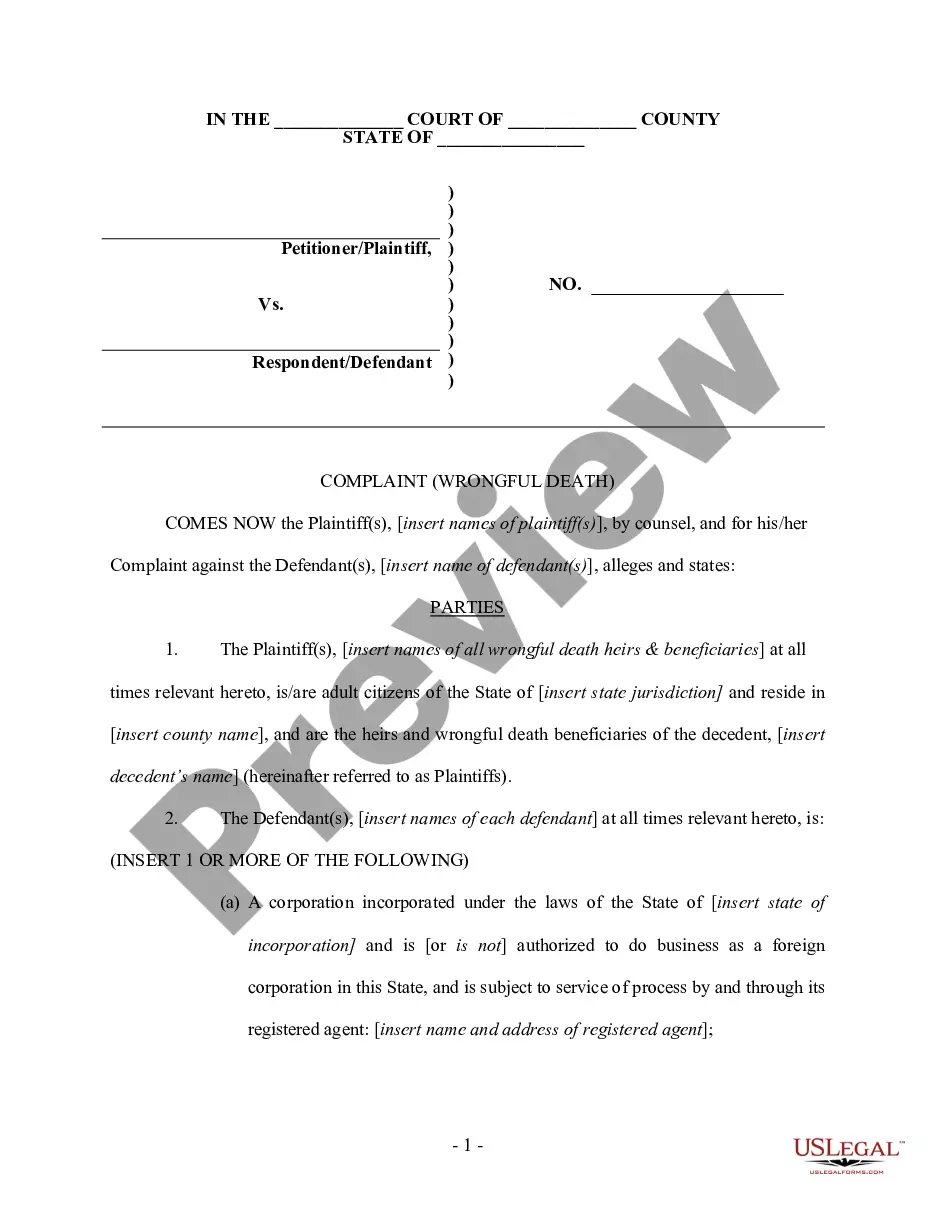
Get your form ready online
Our built-in tools help you complete, sign, share, and store your documents in one place.
Make edits, fill in missing information, and update formatting in US Legal Forms—just like you would in MS Word.
Download a copy, print it, send it by email, or mail it via USPS—whatever works best for your next step.
Sign and collect signatures with our SignNow integration. Send to multiple recipients, set reminders, and more. Go Premium to unlock E-Sign.
If this form requires notarization, complete it online through a secure video call—no need to meet a notary in person or wait for an appointment.
We protect your documents and personal data by following strict security and privacy standards.

Make edits, fill in missing information, and update formatting in US Legal Forms—just like you would in MS Word.

Download a copy, print it, send it by email, or mail it via USPS—whatever works best for your next step.

Sign and collect signatures with our SignNow integration. Send to multiple recipients, set reminders, and more. Go Premium to unlock E-Sign.

If this form requires notarization, complete it online through a secure video call—no need to meet a notary in person or wait for an appointment.

We protect your documents and personal data by following strict security and privacy standards.
Looking for another form?








Form popularity
FAQ
Wrongful eviction occurs when a landlord forces a tenant out of the leased property without following legal procedures. For example, wrongful eviction includes changing the locks, shutting off utilities, or removing the tenant's belongings without a court order.
Before they can start the eviction process, a landlord must give the tenant an official written 3-Day Notice to Quit. If the tenant fails to vacate the rental unit after the three-day notice, the landlord may continue filing for a Forcible Entry and Detainer action.
To write an eviction notice, you need to include specific information such as addresses, tenant names, lease status and date, reasons for eviction, the date the tenant must leave the property, and record of delivery. Make sure to follow your state's laws regarding notice requirements and timeline for eviction.
You must determine, prepare, and file the appropriate complaint with the Clerk & Comptroller. The complaint filed will be based on the actions you wish taken by the Court (for example: possession of the property, demand for rent due, etc.). Include a copy of the notice you provided the tenant.
Answer by the Tenant The tenant has five days (exclusive of Saturdays, Sundays and holidays) after service of the summons to file a written answer to the eviction complaint filed against them. This answer can be filed electronically via the Florida Courts ePortal, through US Mail, or in person at the Clerk's office.
Notice Requirements: Landlords in Delaware must provide proper notice before commencing an eviction, which includes a 5-day notice for unpaid rent or a 7-day notice for lease violations.
To write an eviction notice, you need to include specific information such as addresses, tenant names, lease status and date, reasons for eviction, the date the tenant must leave the property, and record of delivery. Make sure to follow your state's laws regarding notice requirements and timeline for eviction.
In New York State, an eviction of a tenant is lawful only if an owner has brought a court proceeding and obtained a judgment of possession from the court. A sheriff, marshal or constable can carry out a court ordered eviction. An owner may not evict a tenant by use of force or unlawful means.
When you receive a 24-hour eviction notice in Florida, it means that the court has issued a writ of possession, giving you 24 hours to vacate the property. This notice is typically delivered by the sheriff, and it indicates that you must leave the premises within the specified time.
Adverse possession can apply to a parcel of land or a building or house. For instance, a neighbor erecting a fence on your portion of an adjacent tract of land, in addition to encroachment, could be considered adverse possession under the right circumstances.