Injunctive Relief Agreement Without Bond In Virginia
Description

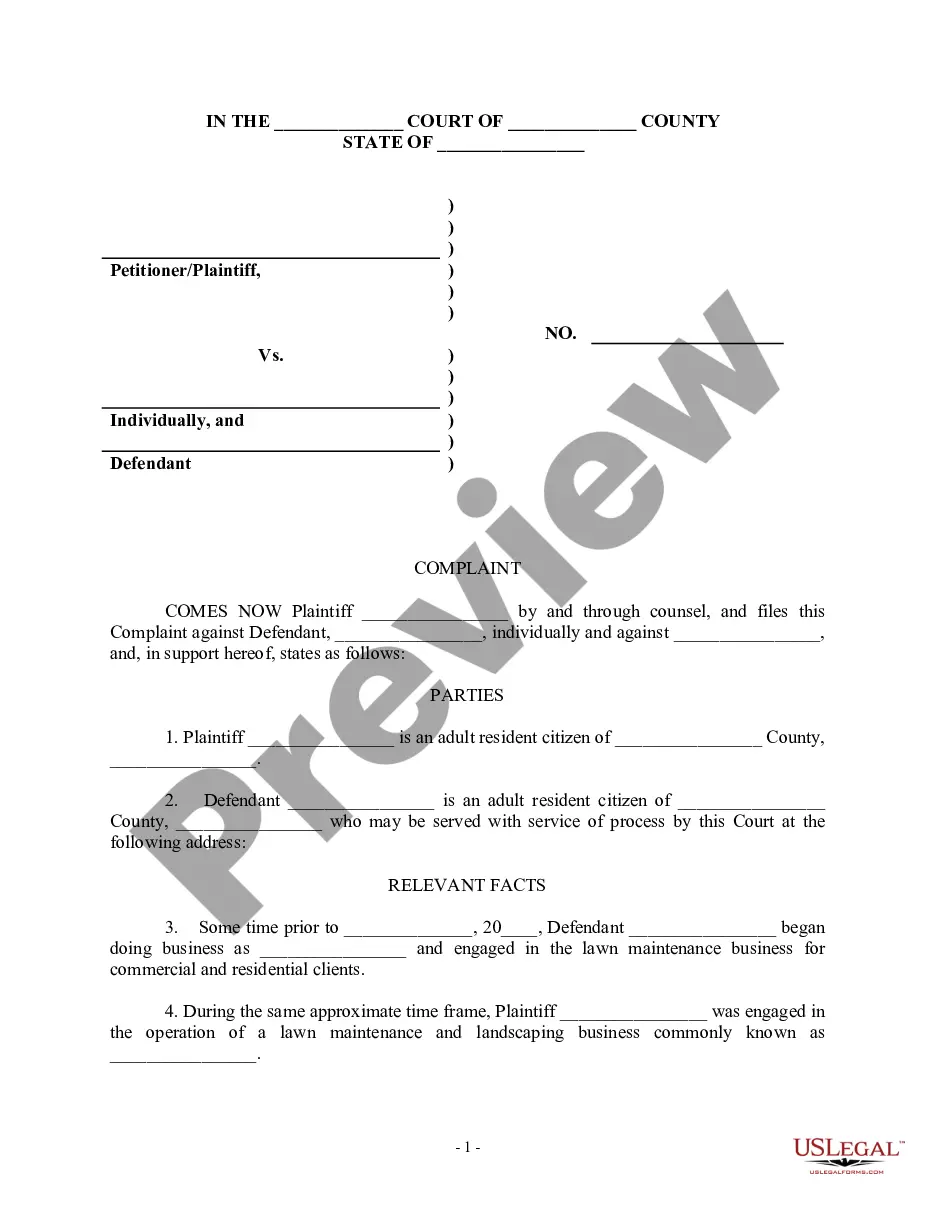
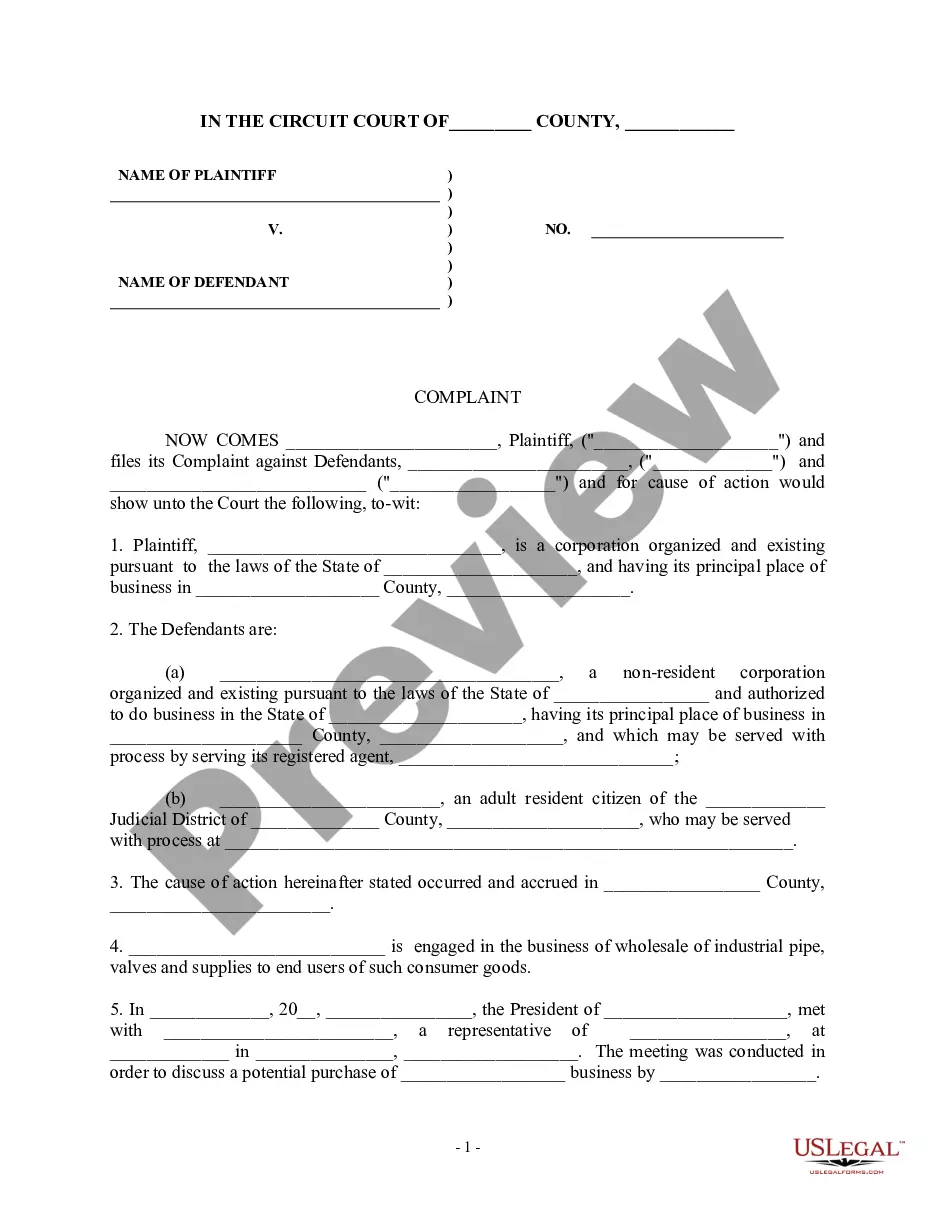

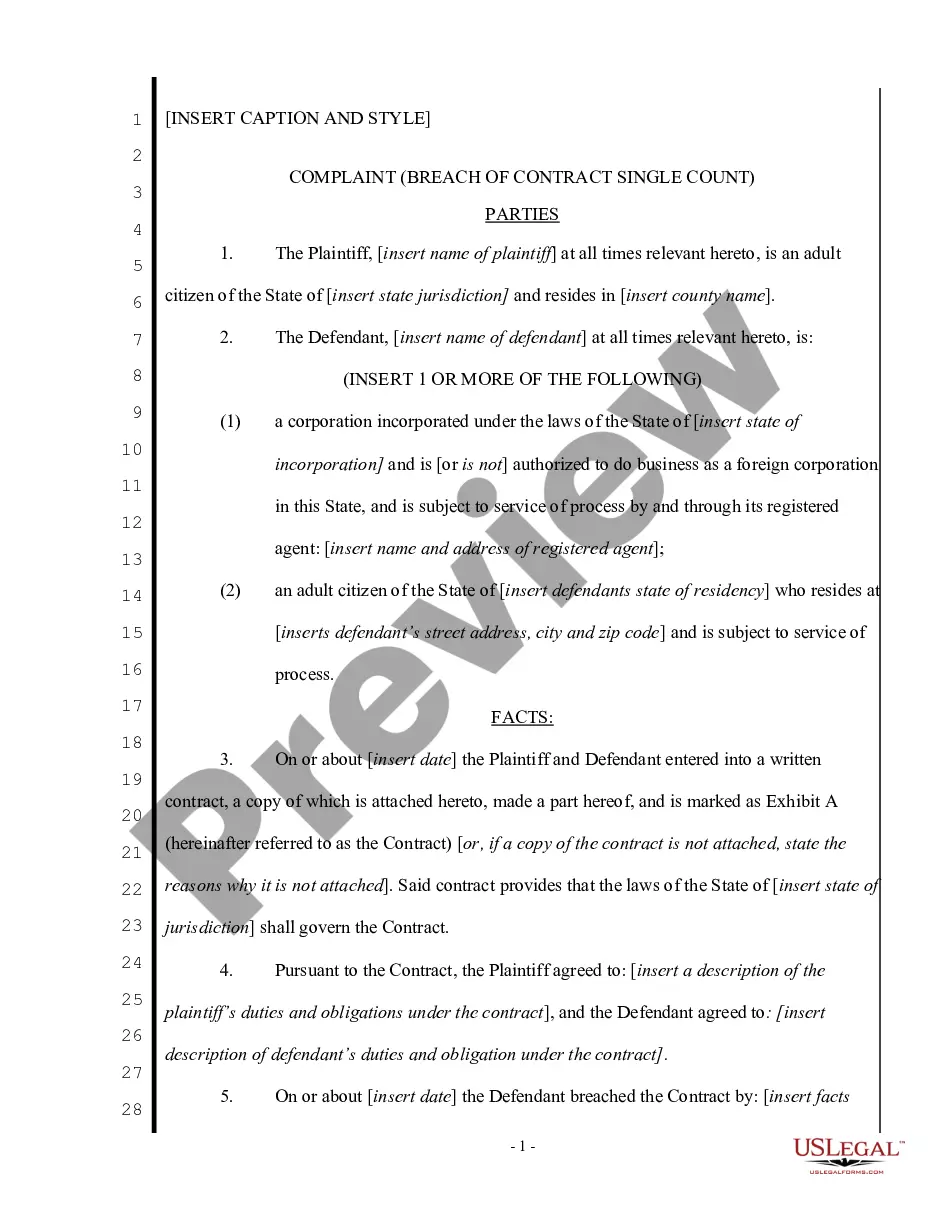
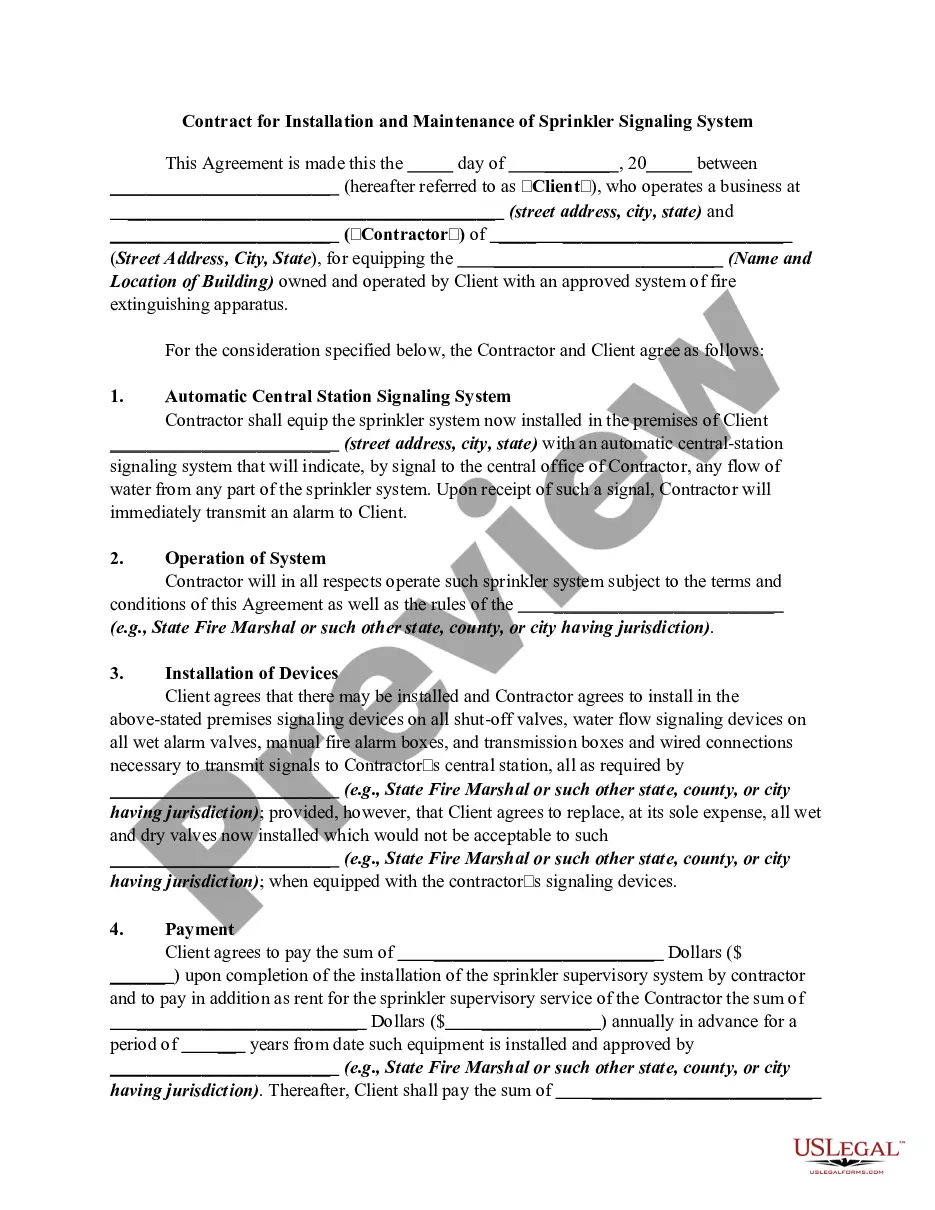
Get your form ready online
Our built-in tools help you complete, sign, share, and store your documents in one place.
Make edits, fill in missing information, and update formatting in US Legal Forms—just like you would in MS Word.
Download a copy, print it, send it by email, or mail it via USPS—whatever works best for your next step.
Sign and collect signatures with our SignNow integration. Send to multiple recipients, set reminders, and more. Go Premium to unlock E-Sign.
If this form requires notarization, complete it online through a secure video call—no need to meet a notary in person or wait for an appointment.
We protect your documents and personal data by following strict security and privacy standards.

Make edits, fill in missing information, and update formatting in US Legal Forms—just like you would in MS Word.

Download a copy, print it, send it by email, or mail it via USPS—whatever works best for your next step.

Sign and collect signatures with our SignNow integration. Send to multiple recipients, set reminders, and more. Go Premium to unlock E-Sign.

If this form requires notarization, complete it online through a secure video call—no need to meet a notary in person or wait for an appointment.

We protect your documents and personal data by following strict security and privacy standards.
Looking for another form?







Form popularity
FAQ
§ 8.01-623. Injunction against decree subject to bill of review; limitations to bill of review. A court allowing a bill of review may award an injunction to the decree to be reviewed.
Generally speaking, there are two kinds of relief available through an injunction: prohibitory and mandatory. A prohibitory injunction is the most common form of injunction, and directs a party to refrain from acting in a certain manner.
Every circuit court shall have jurisdiction to award injunctions, including cases involving violations of the Uniform Statewide Building Code, whether the judgment or proceeding enjoined be in or out of the circuit, or the party against whose proceedings the injunction be asked resides in or out of the circuit.
Every circuit court shall have jurisdiction to award injunctions, including cases involving violations of the Uniform Statewide Building Code, whether the judgment or proceeding enjoined be in or out of the circuit, or the party against whose proceedings the injunction be asked resides in or out of the circuit.
Injunction to protect plaintiff in suit for specific property. An injunction may be awarded to protect any plaintiff in a suit for specific property, pending either at law or in equity, against injury from the sale, removal, or concealment of such property.
Conditions of Bond Motions in Virginia The Court may impose a broad scope of other restrictions on you. These are typically intended to 1) promote public safety, and 2) ensure your appearance at future hearings. Bond considerations can include, but are not limited to: No contact with any alleged victim.
§ 8.01-623. Injunction against decree subject to bill of review; limitations to bill of review. A court allowing a bill of review may award an injunction to the decree to be reviewed.
In many cases, a contract will include an injunctive relief clause stating that one or both parties are entitled to relief to prevent them from suffering harm due to a breach of contract.
Although the test for obtaining a TRO or PI may vary slightly across jurisdictions, generally a plaintiff seeking preliminary injunctive relief must satisfy a four-factor test: (1) that he or she is likely to succeed on the merits of his claims; (2) that he or she is likely to suffer irreparable harm without ...
Contempt of Court and Enforcement If a party fails to comply with the order, the court can hold the party in contempt of court. Contempt of court can result in fines, imprisonment, or both. The injured party can also seek enforcement of the injunctive order through the legal system.
