Injunctive Relief Without Posting Bond In Santa Clara
Description

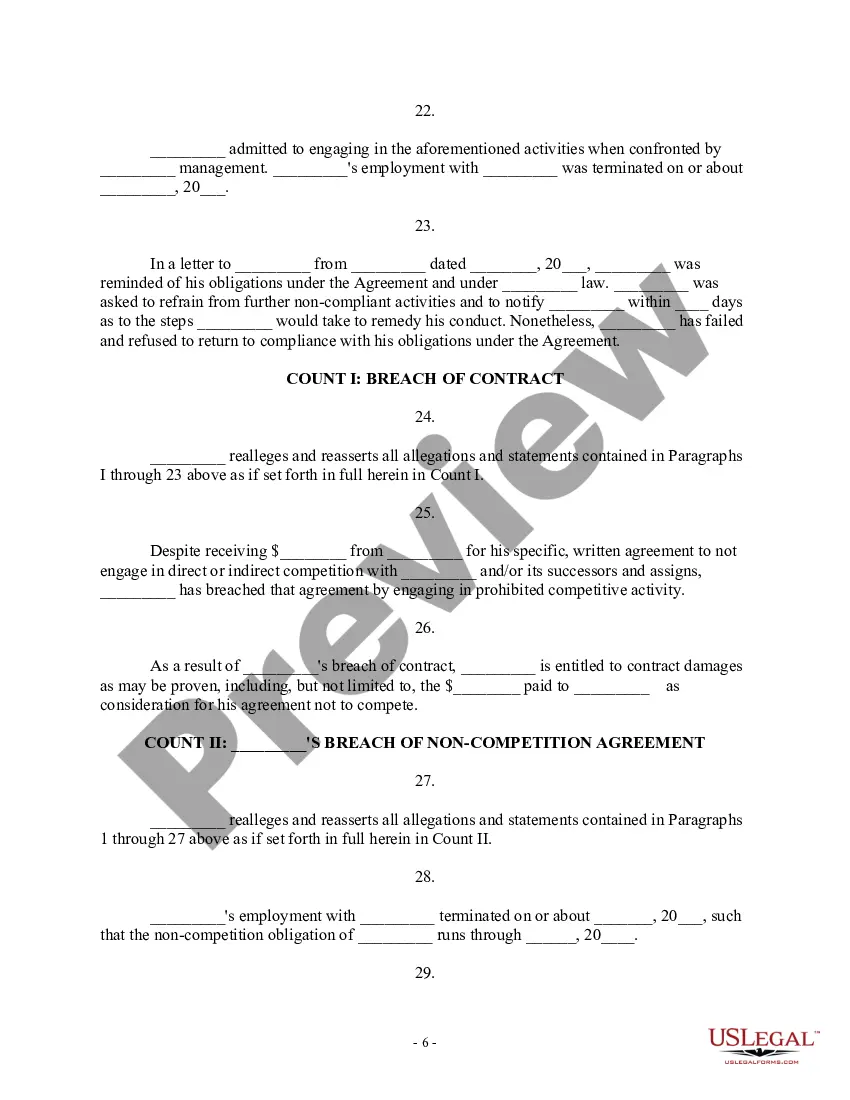
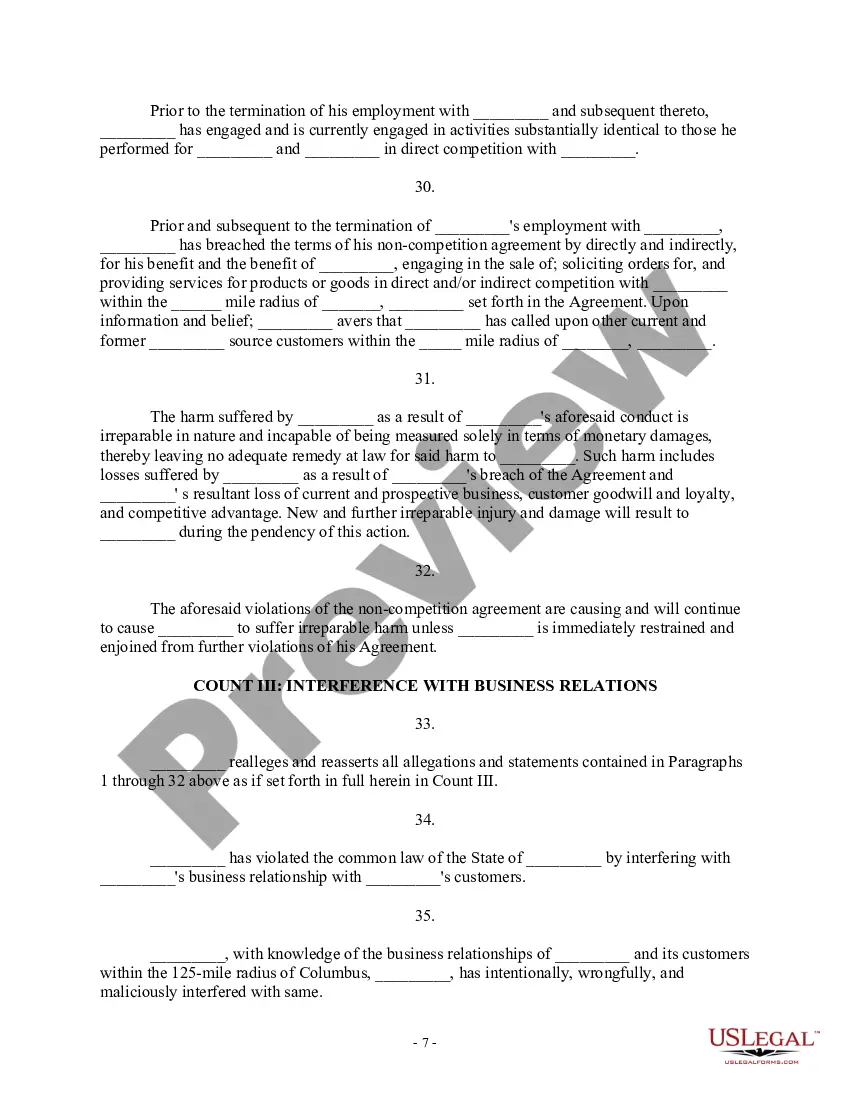
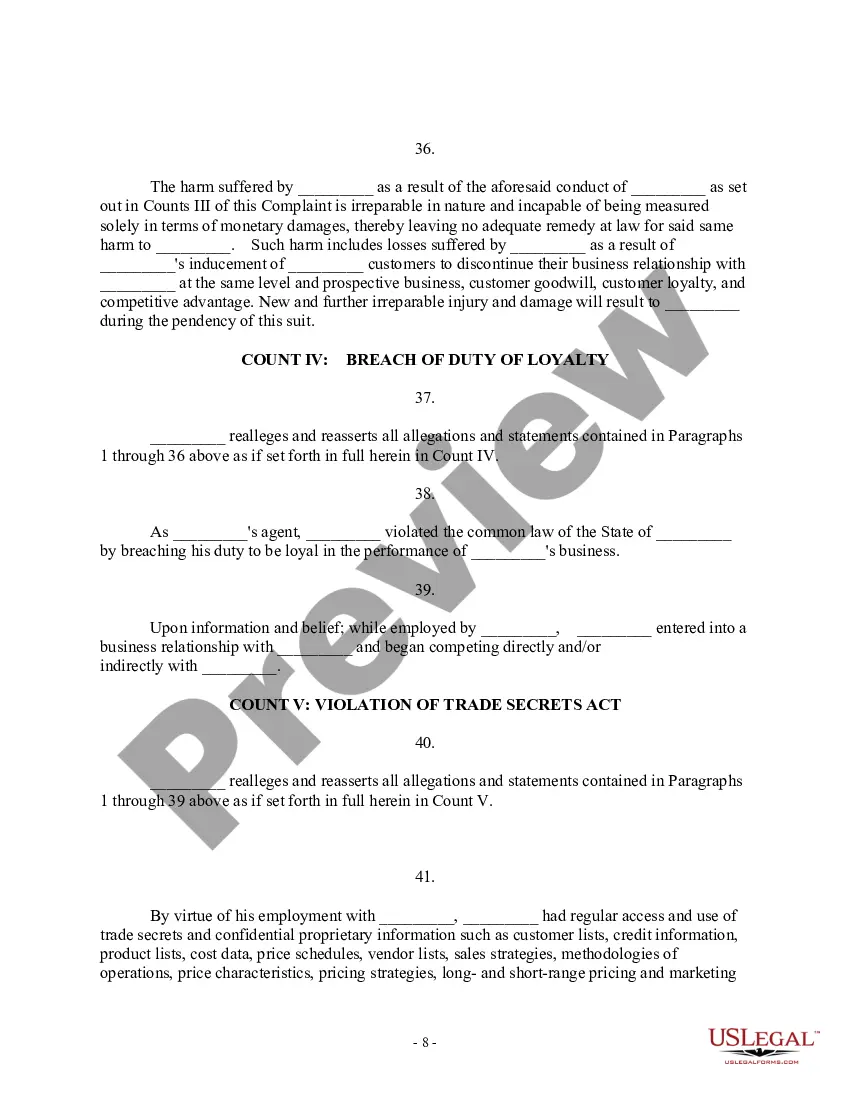
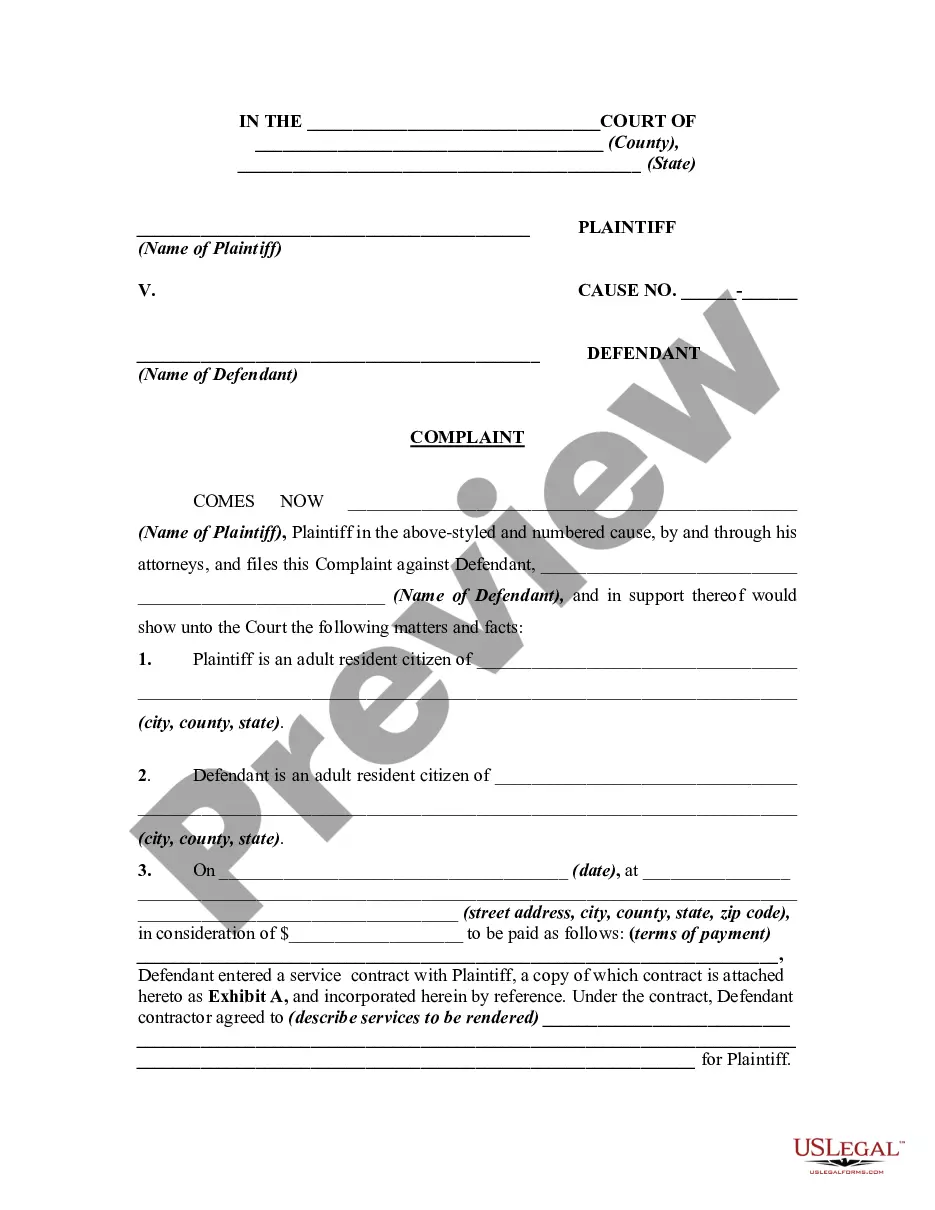

Get your form ready online
Our built-in tools help you complete, sign, share, and store your documents in one place.
Make edits, fill in missing information, and update formatting in US Legal Forms—just like you would in MS Word.
Download a copy, print it, send it by email, or mail it via USPS—whatever works best for your next step.
Sign and collect signatures with our SignNow integration. Send to multiple recipients, set reminders, and more. Go Premium to unlock E-Sign.
If this form requires notarization, complete it online through a secure video call—no need to meet a notary in person or wait for an appointment.
We protect your documents and personal data by following strict security and privacy standards.

Make edits, fill in missing information, and update formatting in US Legal Forms—just like you would in MS Word.

Download a copy, print it, send it by email, or mail it via USPS—whatever works best for your next step.

Sign and collect signatures with our SignNow integration. Send to multiple recipients, set reminders, and more. Go Premium to unlock E-Sign.

If this form requires notarization, complete it online through a secure video call—no need to meet a notary in person or wait for an appointment.

We protect your documents and personal data by following strict security and privacy standards.
Looking for another form?







Form popularity
FAQ
While a preliminary injunction may restrict the same behavior as a TRO, it remains in force until revoked by the court. The court has a higher standard for granting a preliminary injunction than a TRO.
Some jurisdictions may require the party seeking equitable relief to post a bond or other security prior to granting such relief. The purpose of this requirement is to protect the party against which equitable relief is sought in the event it is ultimately determined that such relief was not appropriate.
Injunctive relief in a breach of contract claim is a court-ordered legal remedy whereby the court orders a party to either do something or refrain from doing something. Injunctive relief is sought when a breach of contract threatens to cause irreparable harm that can't be adequately compensated by monetary damages.
An applicant must make an affirmative factual showing in a declaration containing competent testimony based on personal knowledge of irreparable harm, immediate danger, or any other statutory basis for granting relief ex parte.
Application of rules. The rules in this division govern applications in the trial court for an initial waiver of court fees and costs because of the applicant's financial condition.
Generally, injunctive relief is only available when there is no other adequate remedy available and irreparable harm will result if the relief is not granted.
Preliminary injunctions and bonds. A party requesting a preliminary injunction may give notice of the request to the opposing or responding party either by serving a noticed motion under Code of Civil Procedure section 1005 or by obtaining and serving an order to show cause (OSC).
Although the test for obtaining a TRO or PI may vary slightly across jurisdictions, generally a plaintiff seeking preliminary injunctive relief must satisfy a four-factor test: (1) that he or she is likely to succeed on the merits of his claims; (2) that he or she is likely to suffer irreparable harm without ...
A preliminary injunction bond is generally required to be posted by the plaintiff in a court case when a plaintiff wants to prevent the other party (the defendant) from a certain action. This type of bond indemnifies the defendant against loss if it is determined that the injunction should not have been granted.
(a) An injunction may be granted in the following cases: (1) When it appears by the complaint that the plaintiff is entitled to the relief demanded, and the relief, or any part thereof, consists in restraining the commission or continuance of the act complained of, either for a limited period or perpetually.
