Injunctive Relief Agreement Without Proving Damages In Riverside
Description

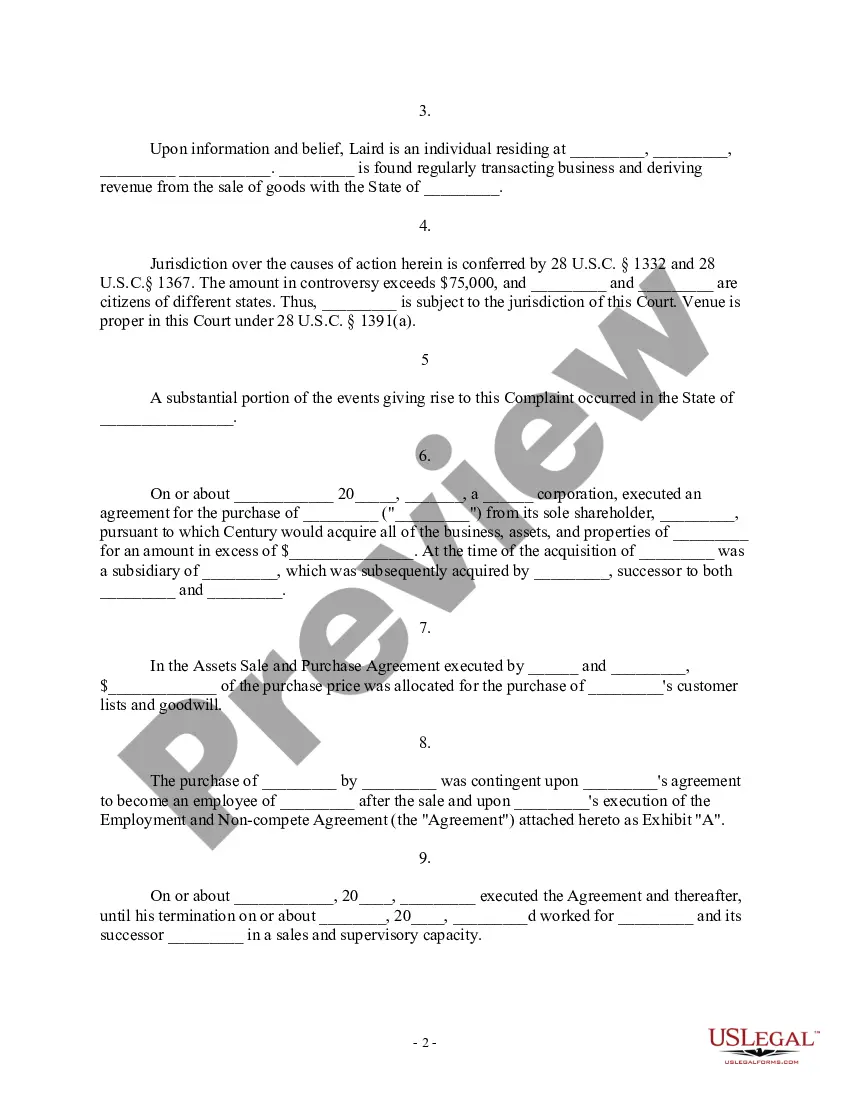
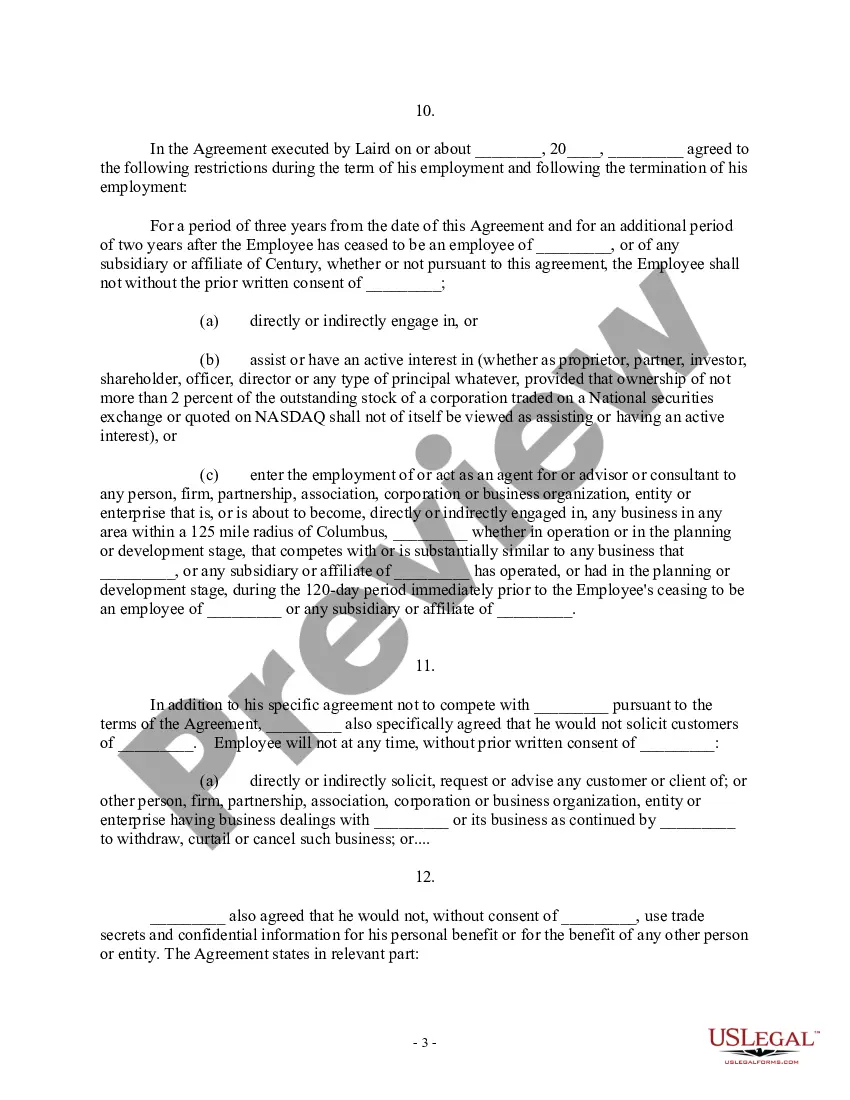
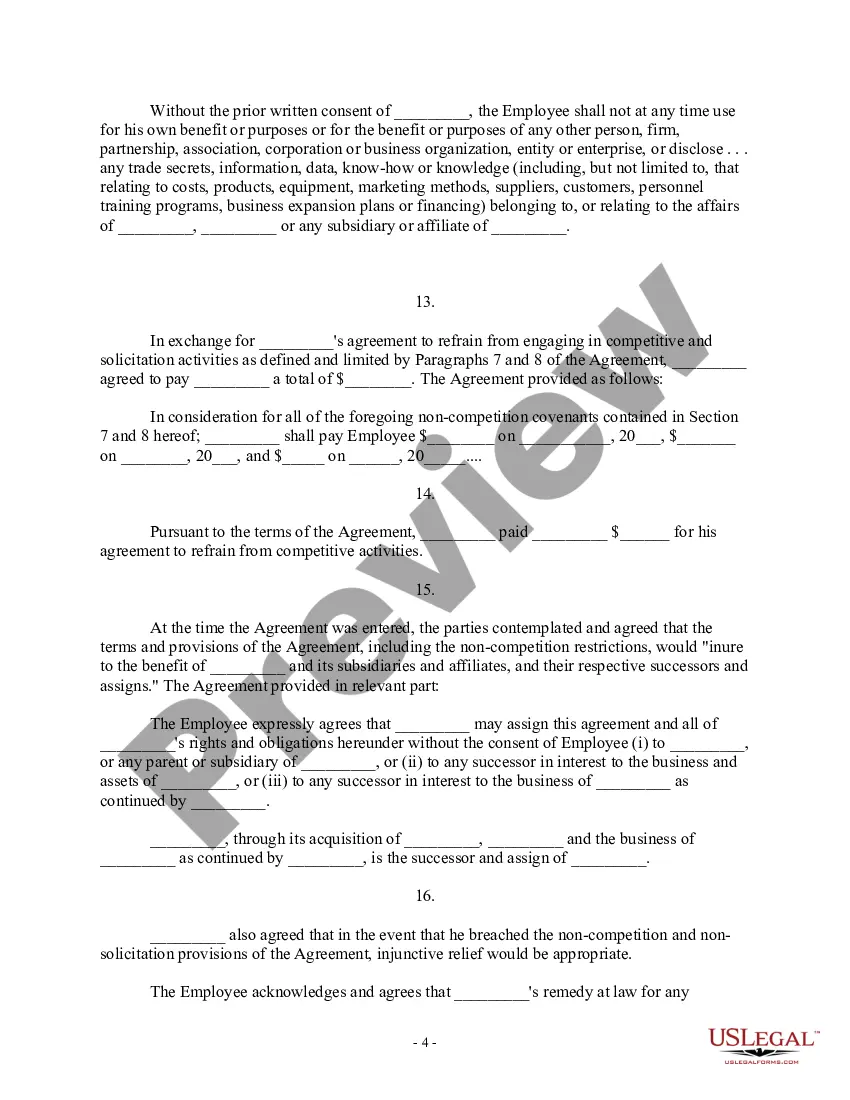
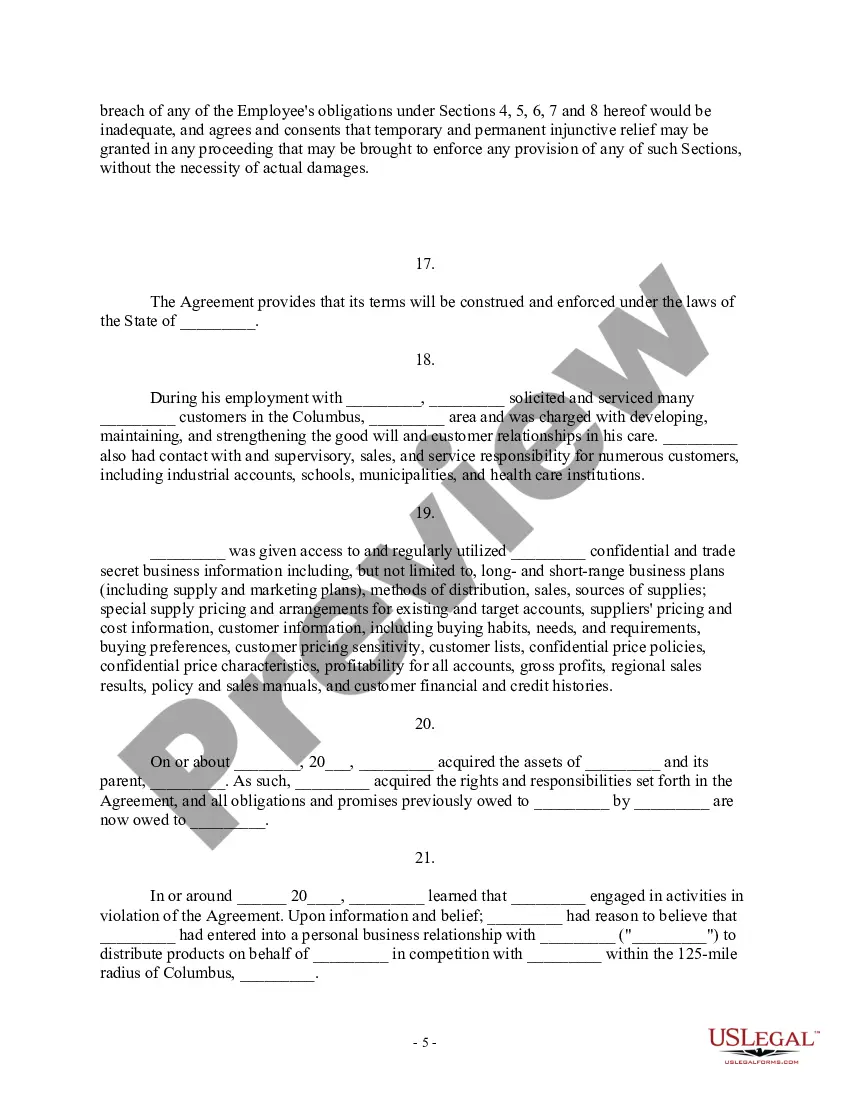
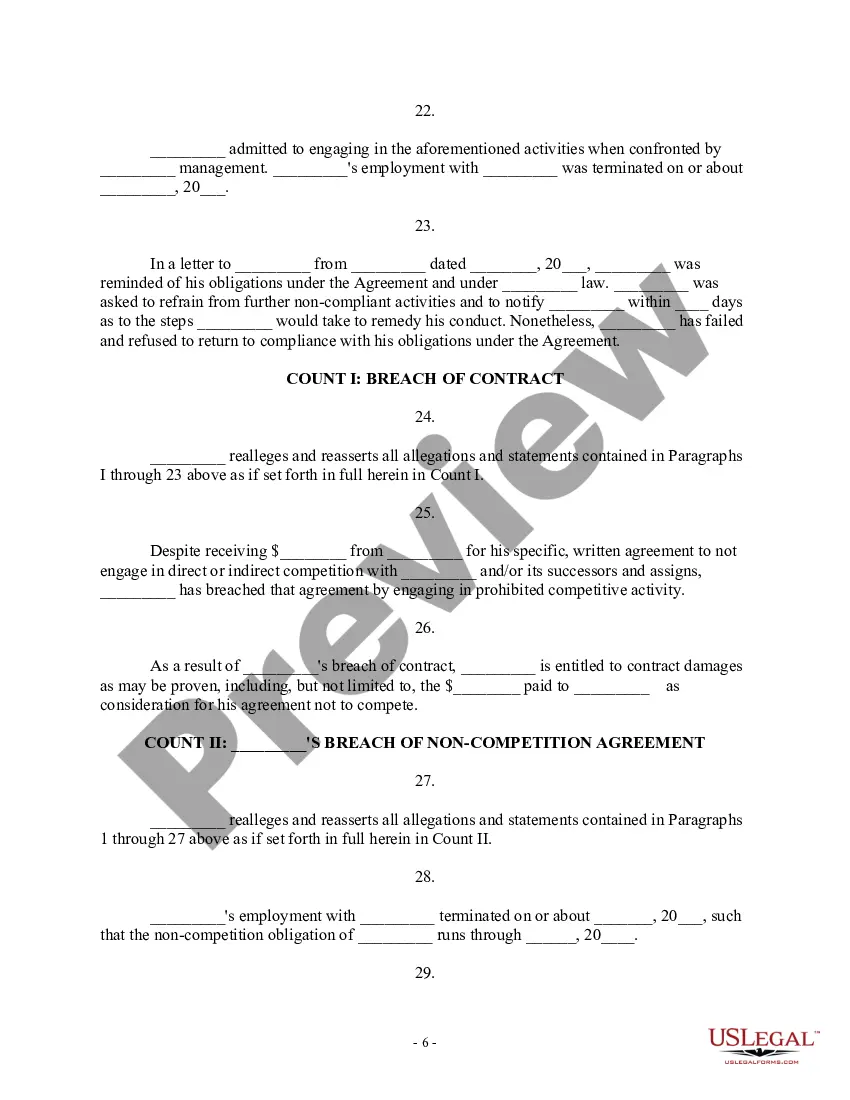
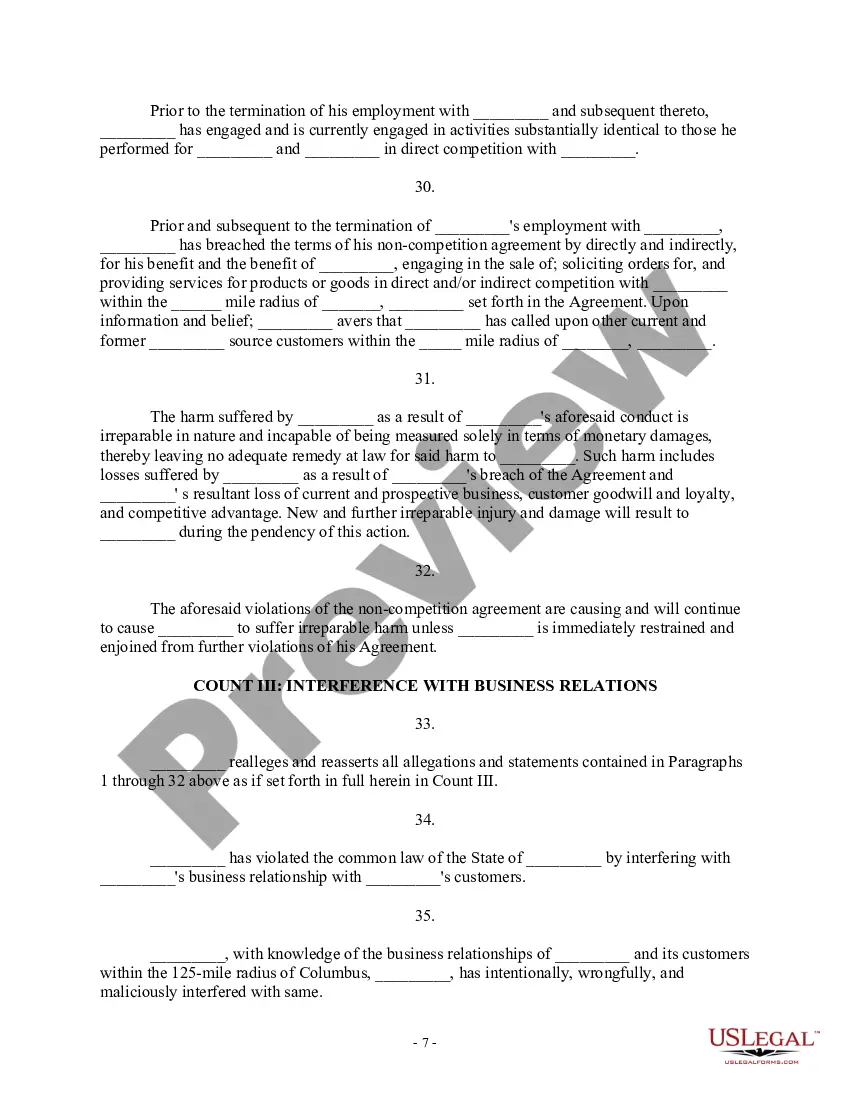
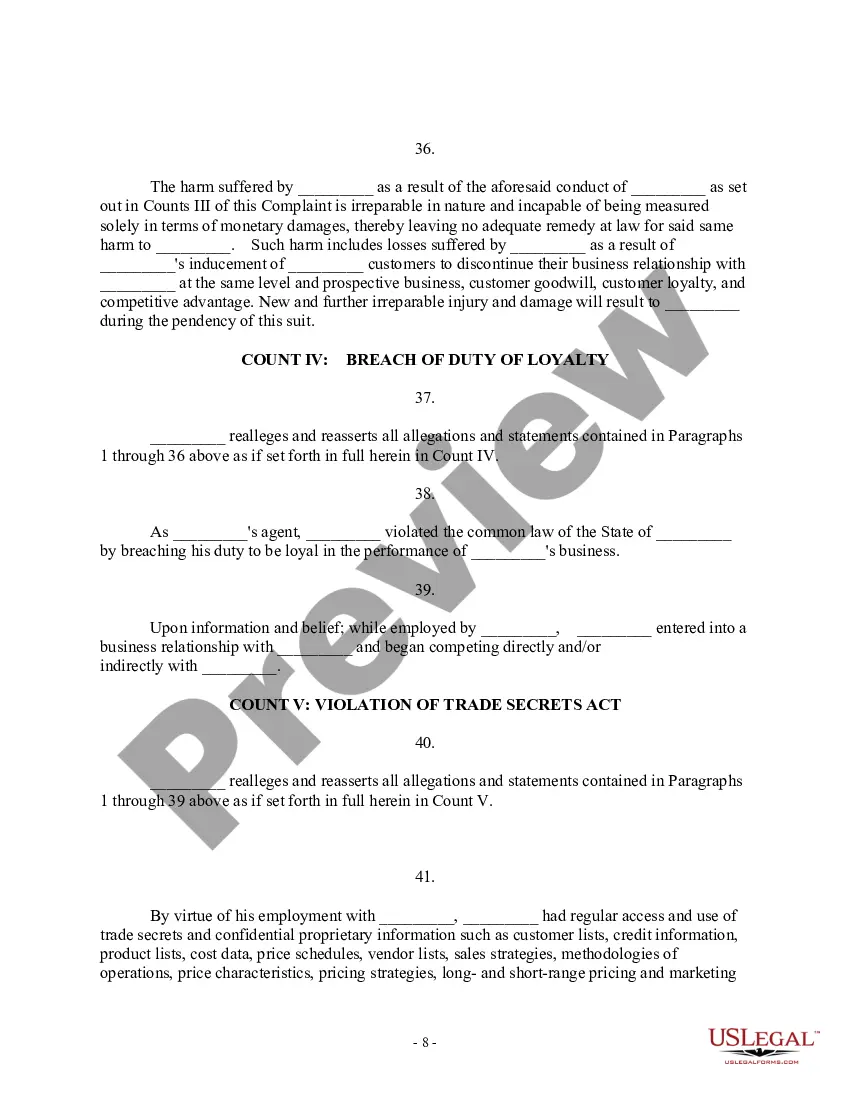
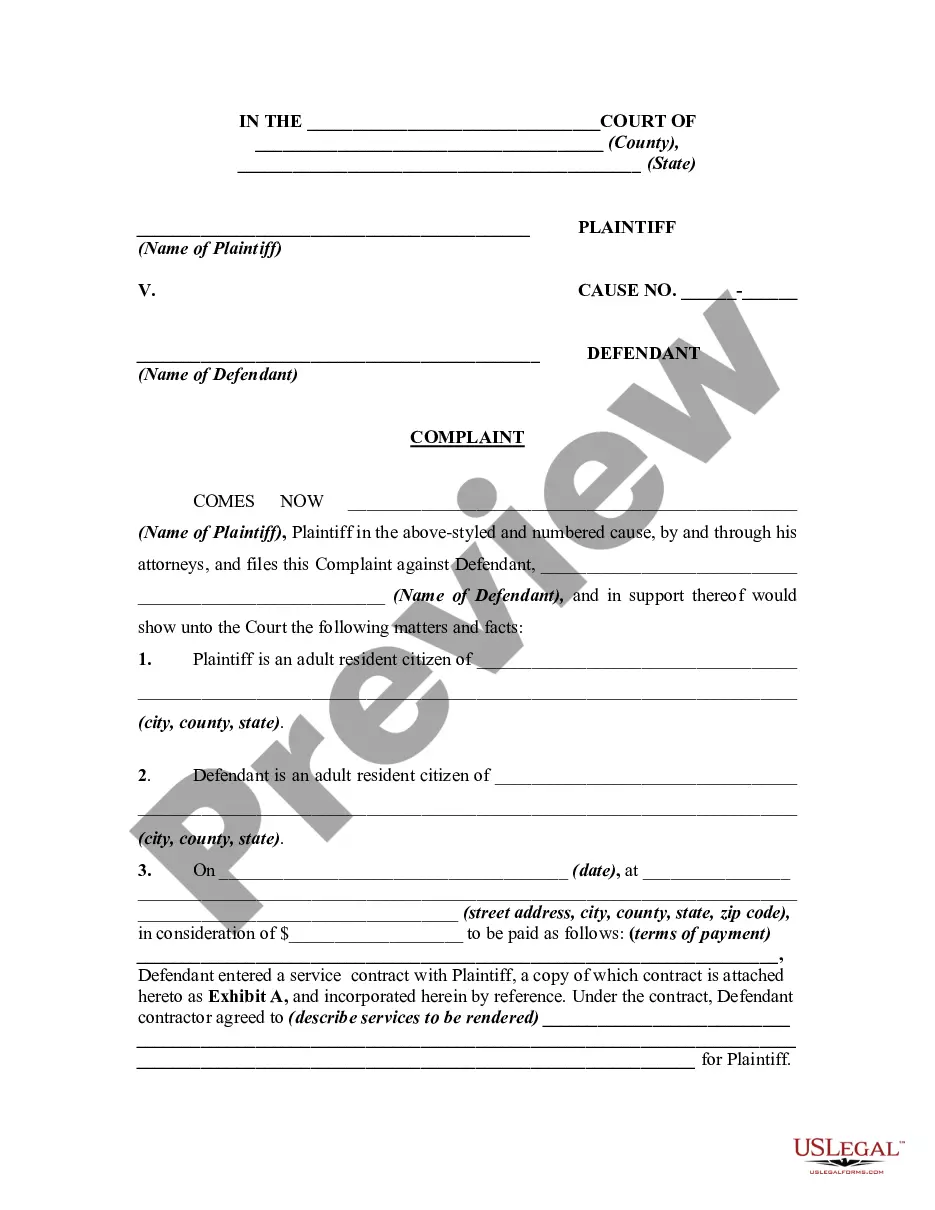
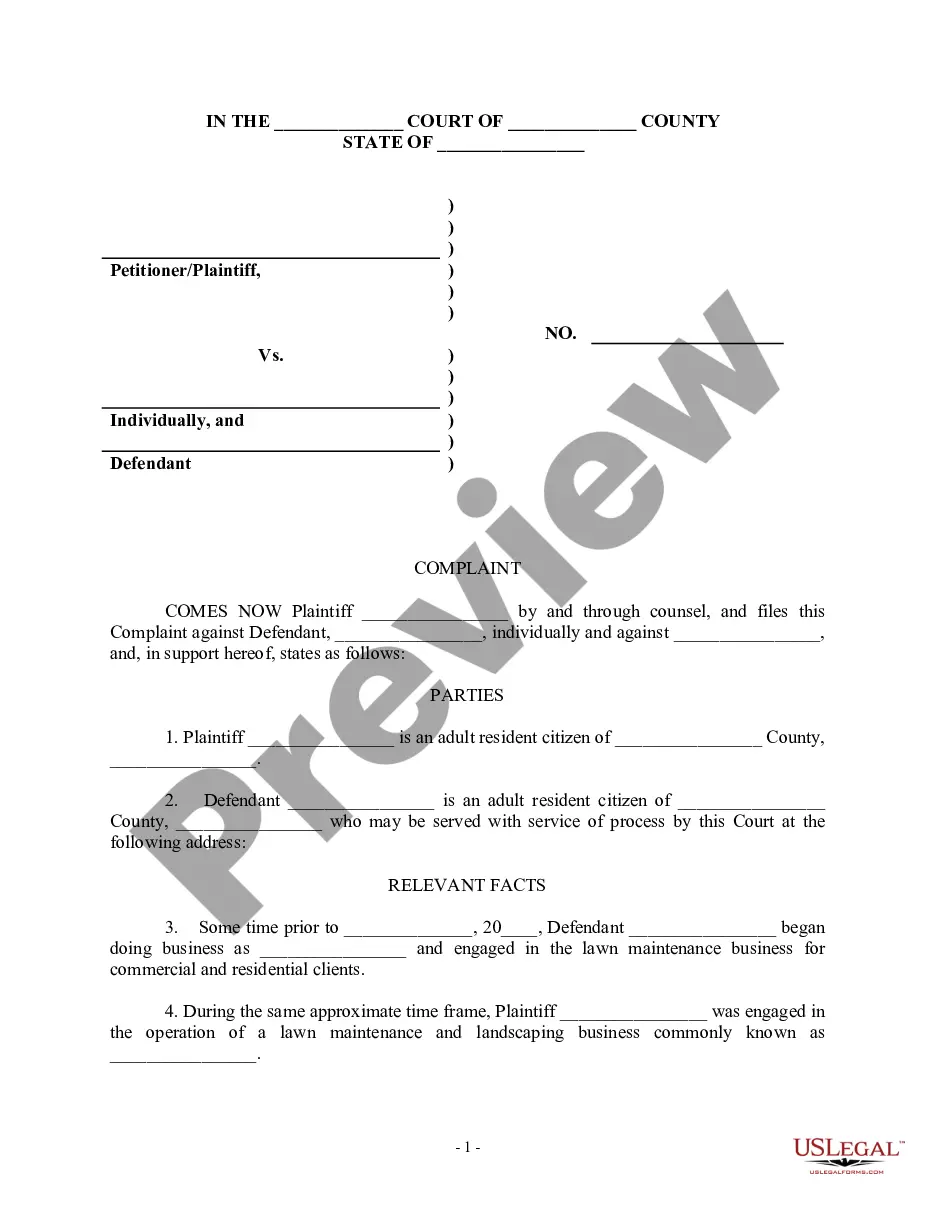
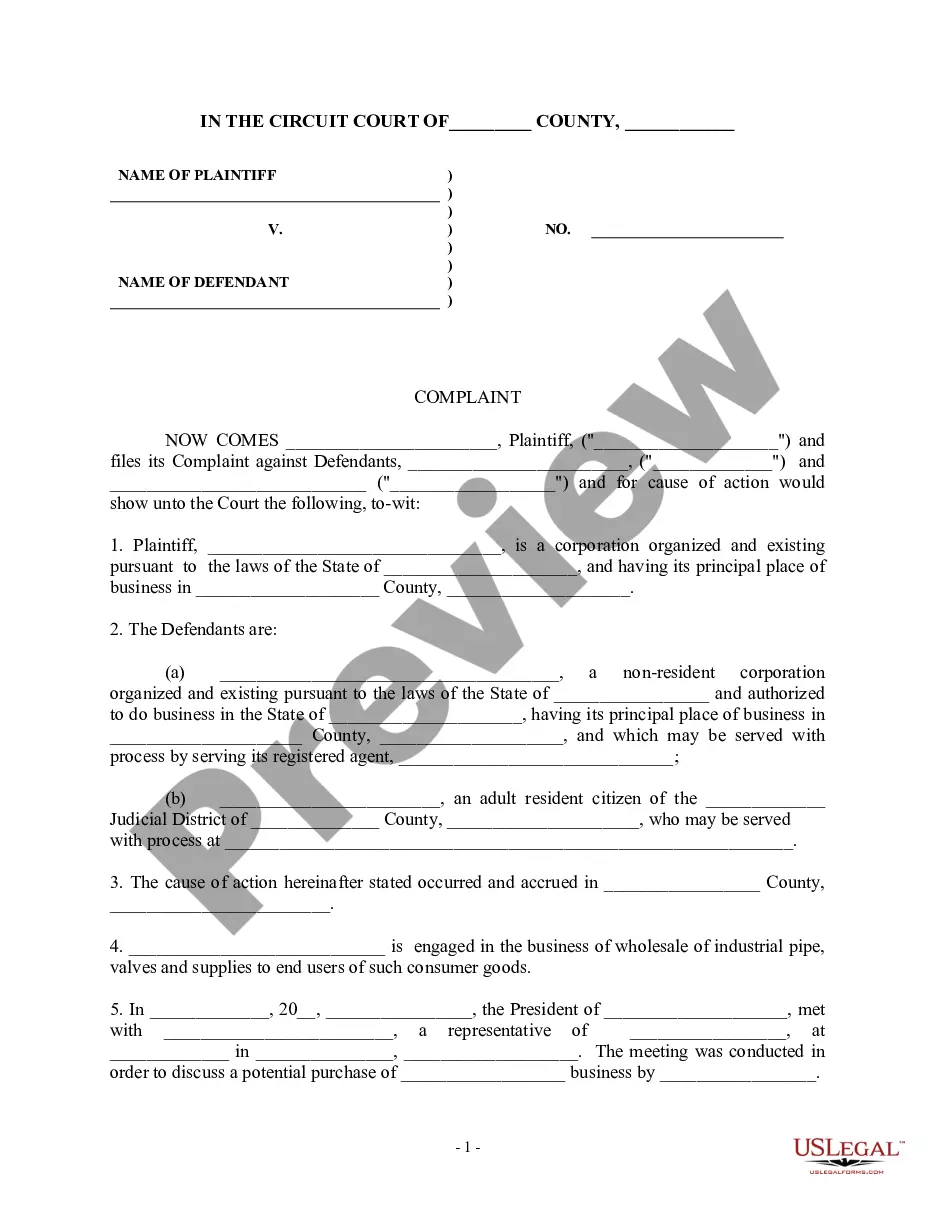

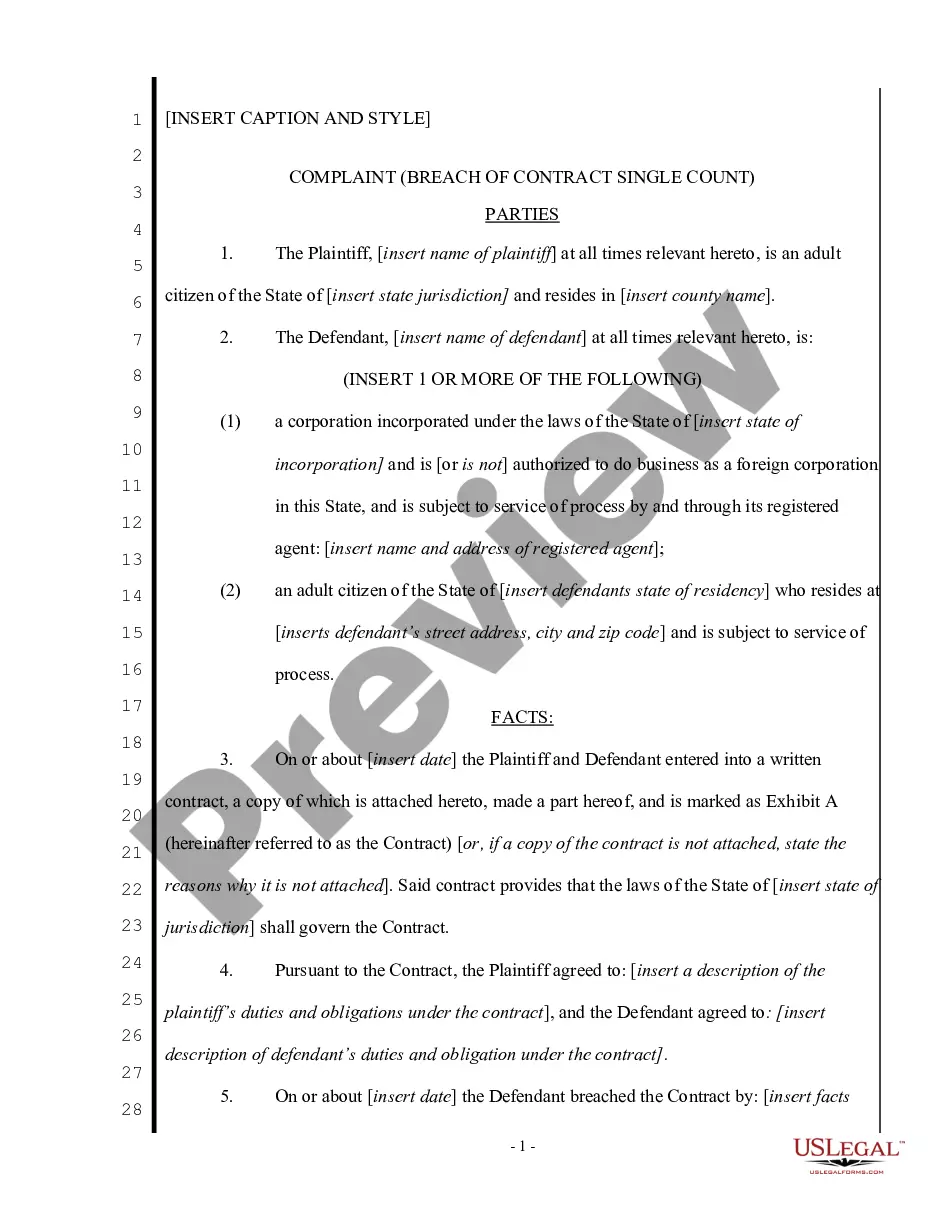
Get your form ready online
Our built-in tools help you complete, sign, share, and store your documents in one place.
Make edits, fill in missing information, and update formatting in US Legal Forms—just like you would in MS Word.
Download a copy, print it, send it by email, or mail it via USPS—whatever works best for your next step.
Sign and collect signatures with our SignNow integration. Send to multiple recipients, set reminders, and more. Go Premium to unlock E-Sign.
If this form requires notarization, complete it online through a secure video call—no need to meet a notary in person or wait for an appointment.
We protect your documents and personal data by following strict security and privacy standards.

Make edits, fill in missing information, and update formatting in US Legal Forms—just like you would in MS Word.

Download a copy, print it, send it by email, or mail it via USPS—whatever works best for your next step.

Sign and collect signatures with our SignNow integration. Send to multiple recipients, set reminders, and more. Go Premium to unlock E-Sign.

If this form requires notarization, complete it online through a secure video call—no need to meet a notary in person or wait for an appointment.

We protect your documents and personal data by following strict security and privacy standards.
Looking for another form?








Form popularity
FAQ
Orders of specific performance are granted when damages are not an adequate remedy, and in some specific cases such as land sale. Such orders are discretionary, as with all equitable remedies, so the availability of this remedy will depend on whether it is appropriate in the circumstances of the case.
The basic remedy for breach of contract is an award of damages. it's by far and away, the most common legal remedy for breach of contract. Damages is the legal right substituted for performance, when the defaulting party fails to perform the contract, as referred to above.
"Adequate Remedies" refers to the legal remedy, and equitable remedies that apply to the administrative or state court remedies. The court was unable to grant any equitable remedies such as specific performance where there is a plain legal remedy such as monetary damages.
Adequacy of Damages This question is first considered from the Claimant's point of view. It is commonly found in business protection cases that damages will not be an adequate remedy. Firstly it is often impossible or extremely difficult to quantify loss in such cases.
Injunctive relief in a breach of contract claim is a court-ordered legal remedy whereby the court orders a party to either do something or refrain from doing something. Injunctive relief is sought when a breach of contract threatens to cause irreparable harm that can't be adequately compensated by monetary damages.
Requirements for Granting an Injunction The key requirements include: Adequacy of Damages: You must show that monetary damages would not be an adequate remedy for the breach. In other words, there has to be some harm that cannot be simply fixed through financial compensation.
To show irreparable harm, one must show that the infringement caused the lost sales (or other market-based injury) and thus (typically) must show that the patented feature drives the demand for the product.
Generally speaking, there are two kinds of relief available through an injunction: prohibitory and mandatory. A prohibitory injunction is the most common form of injunction, and directs a party to refrain from acting in a certain manner.
Injunctive relief usually takes one of three forms: temporary restraining order (TRO), preliminary injunction, and permanent injunction. As their modifying terms imply, each has a different level of the time commitment involved.
There are three types of injunctions: Permanent injunctions, Temporary restraining orders and preliminary injunctions. Temporary restraining orders (TRO) and preliminary injunctions are equitable in nature.
