Injunctive Relief Agreement For Copyright Infringement In Ohio
Description

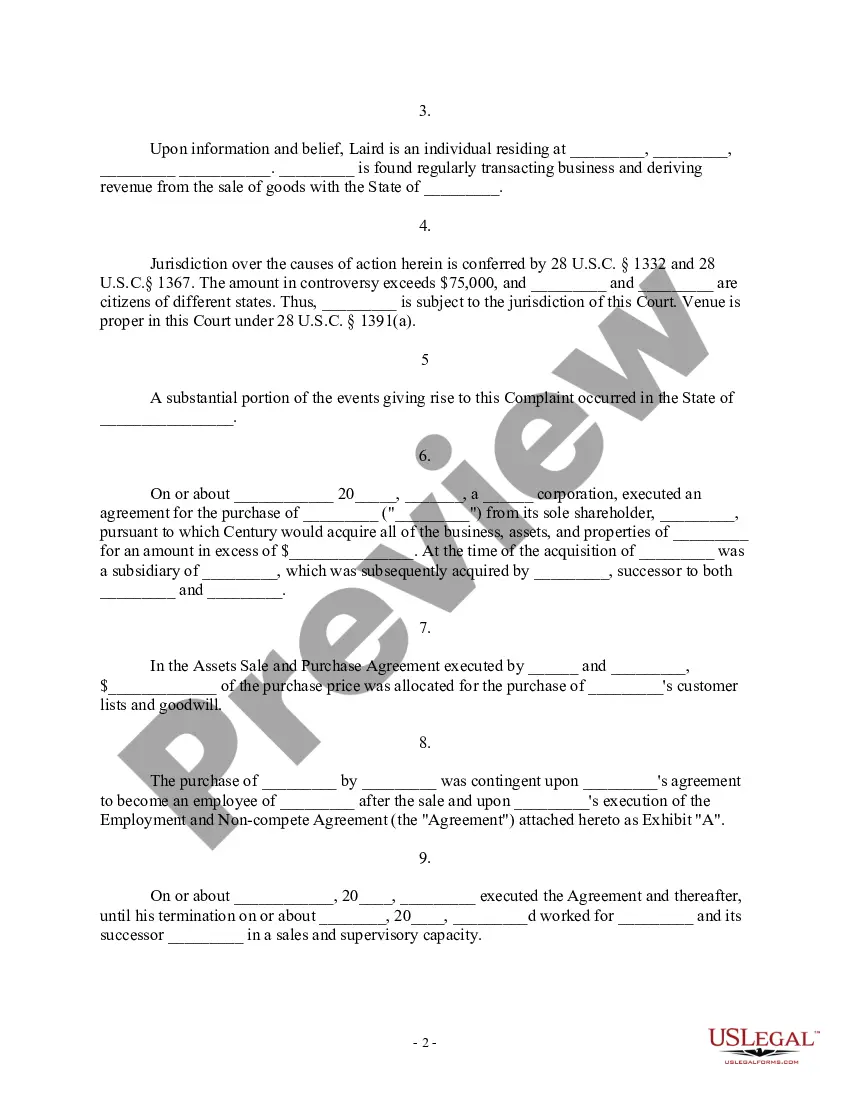
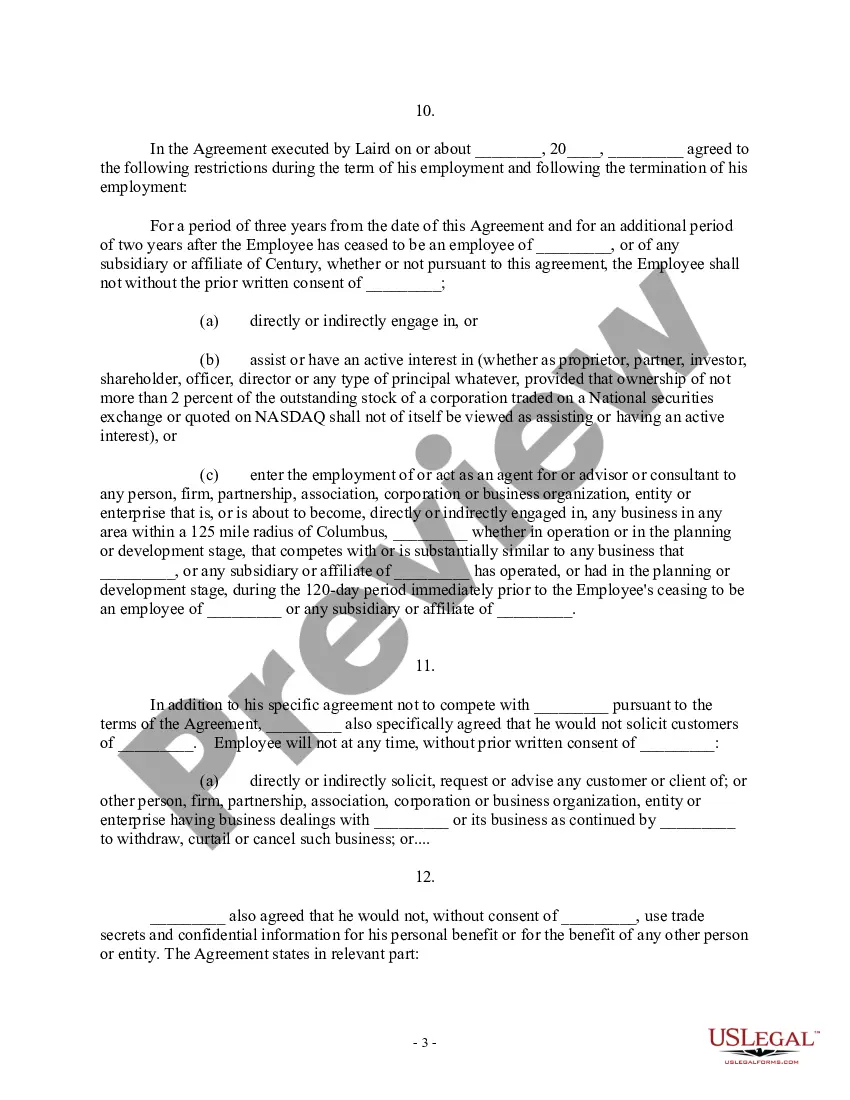
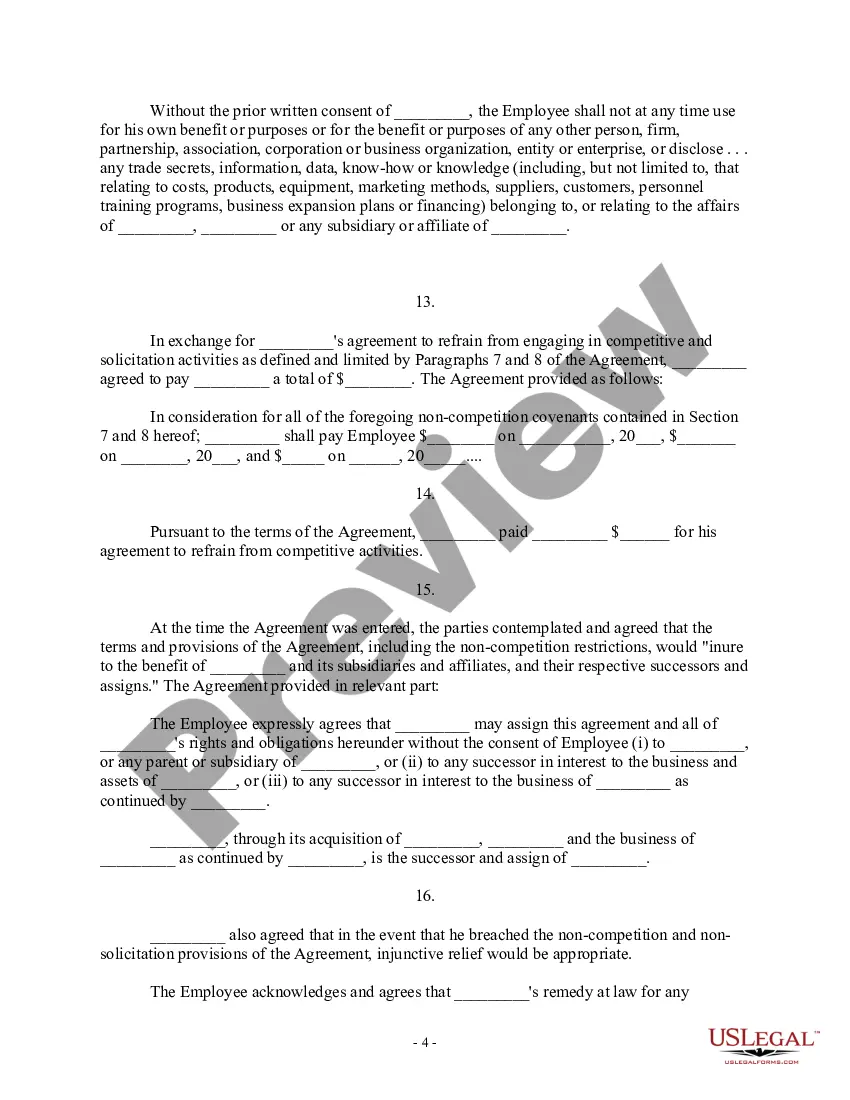
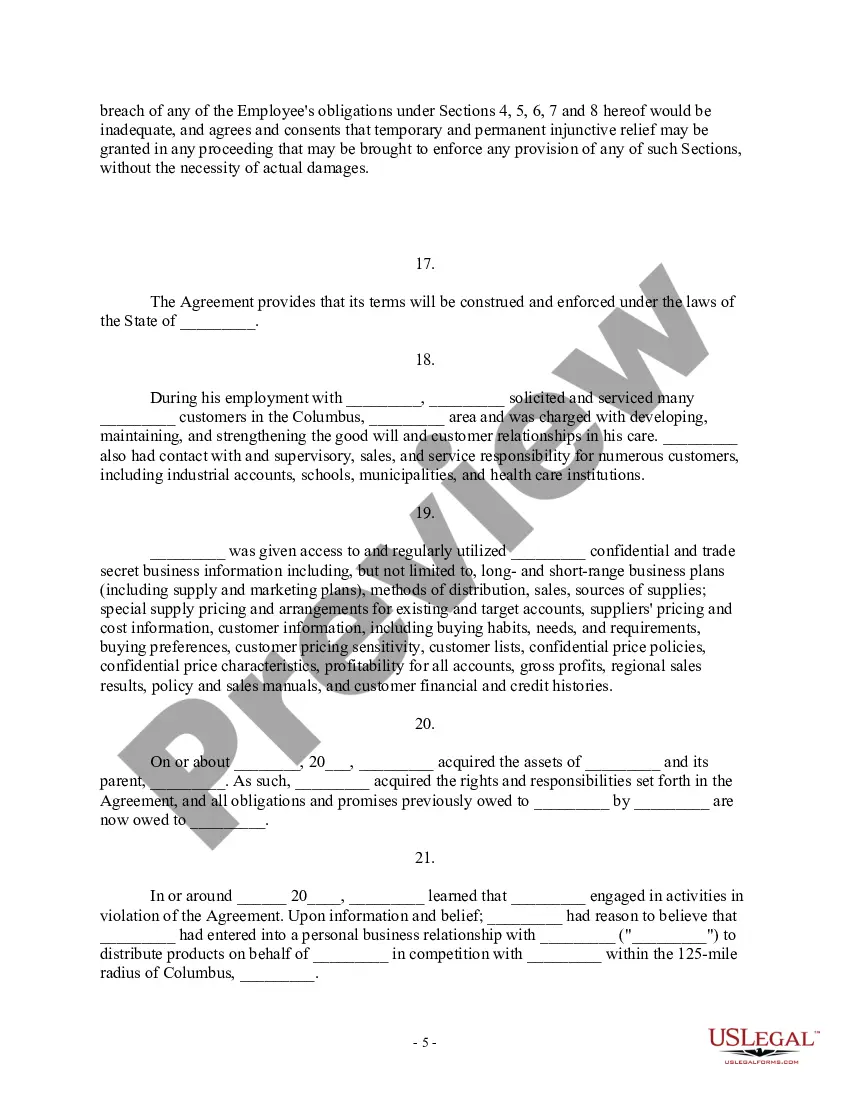
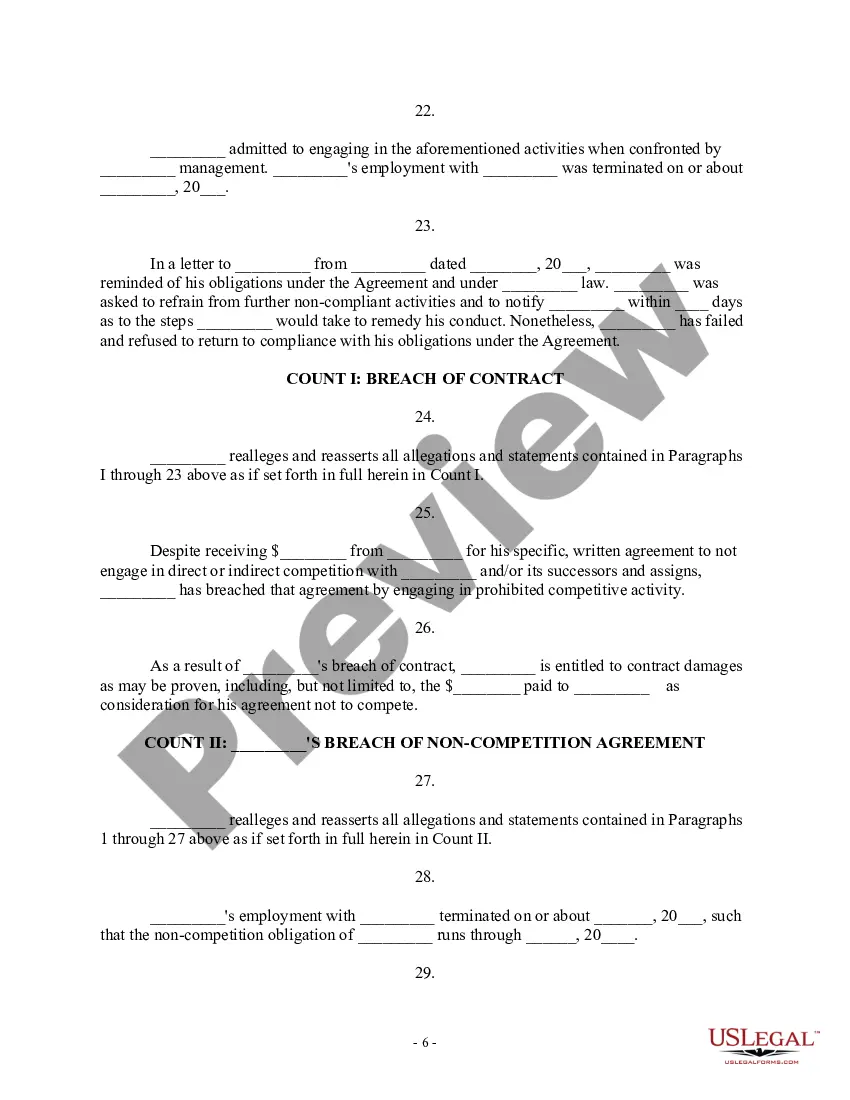
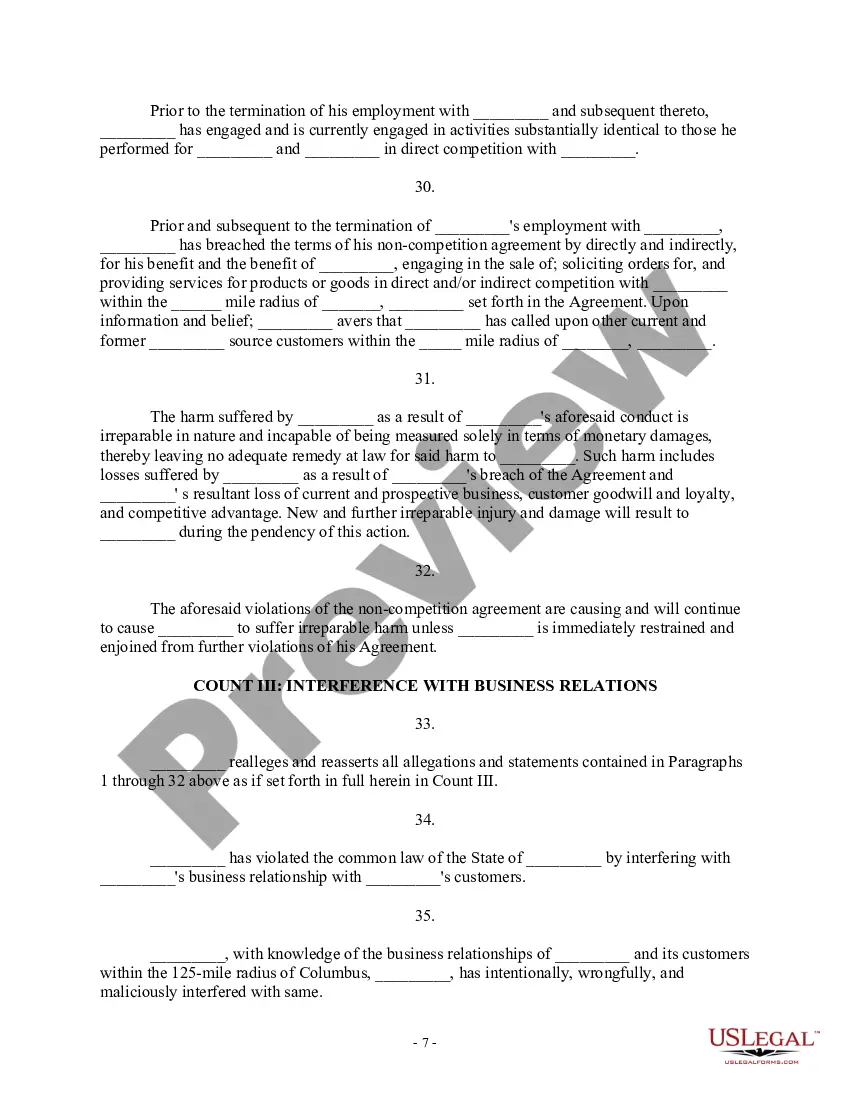
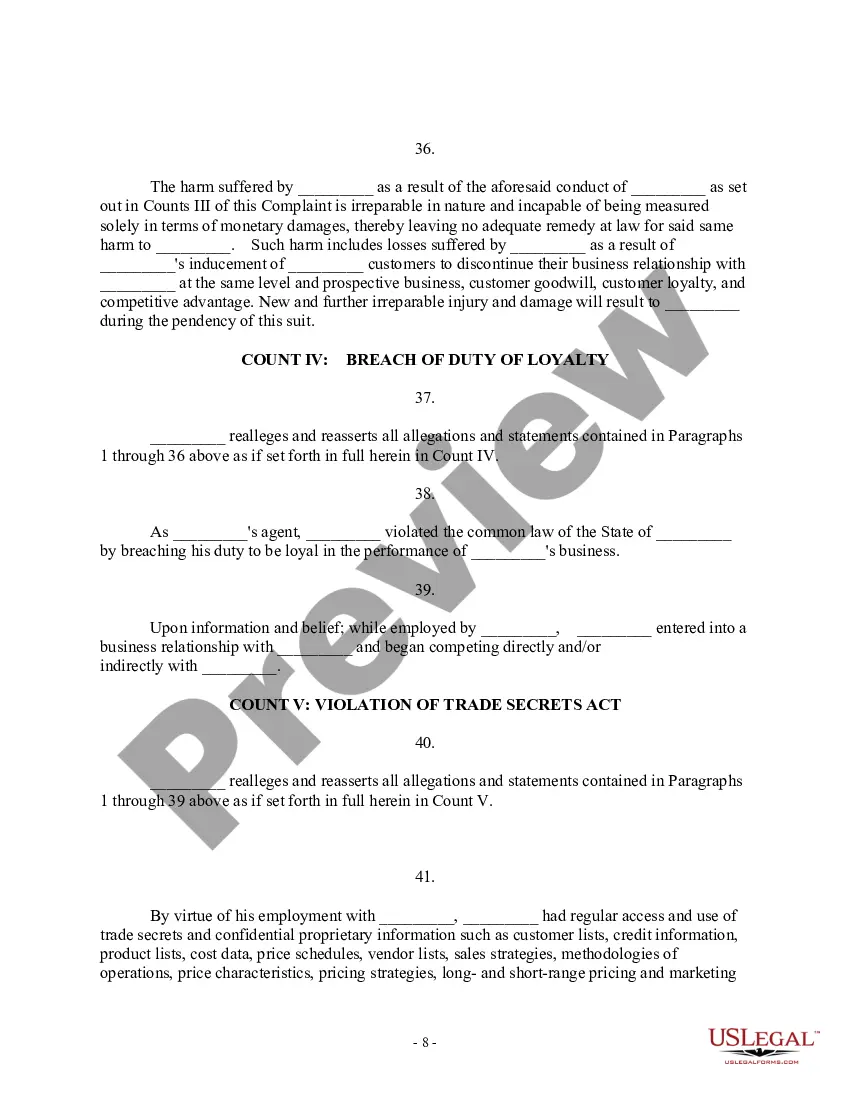
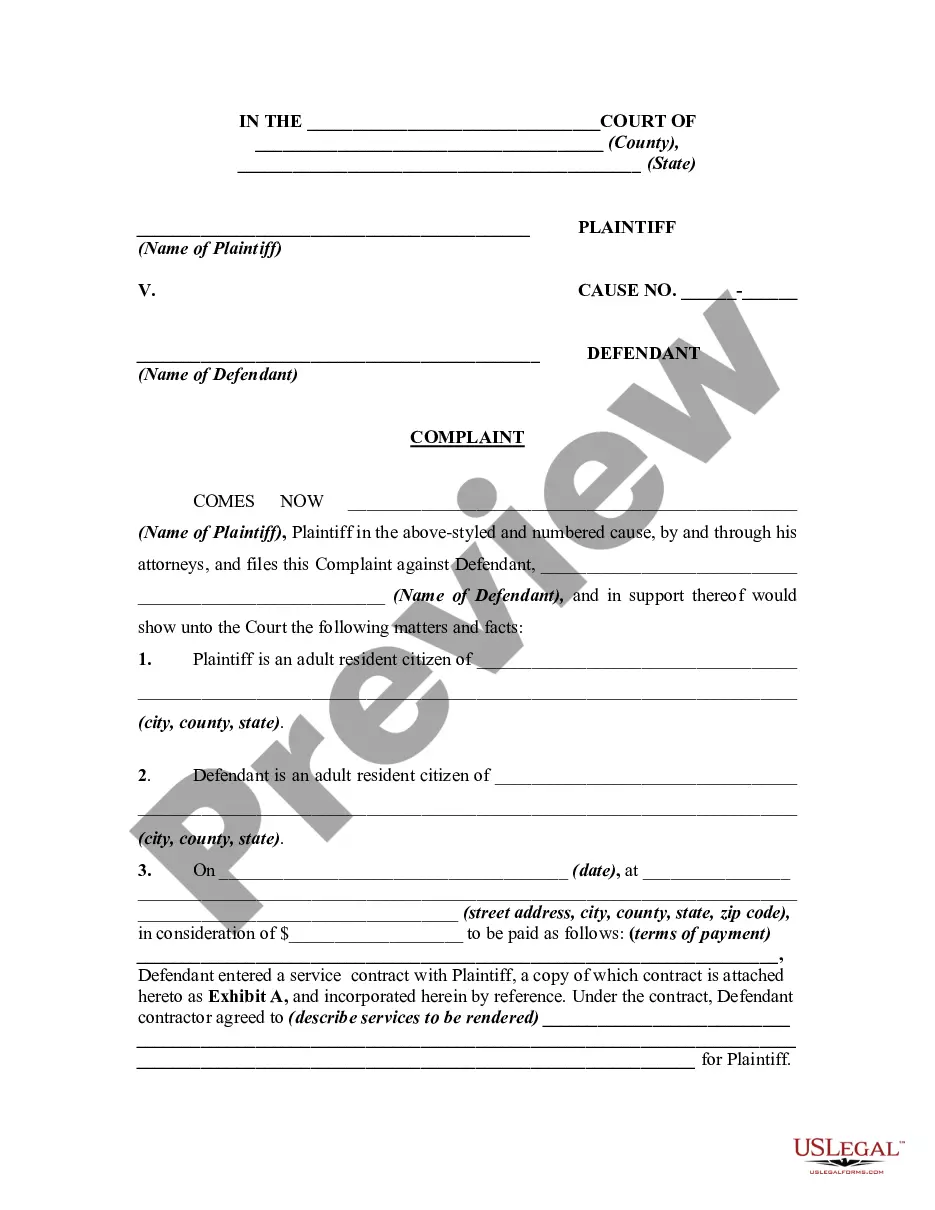
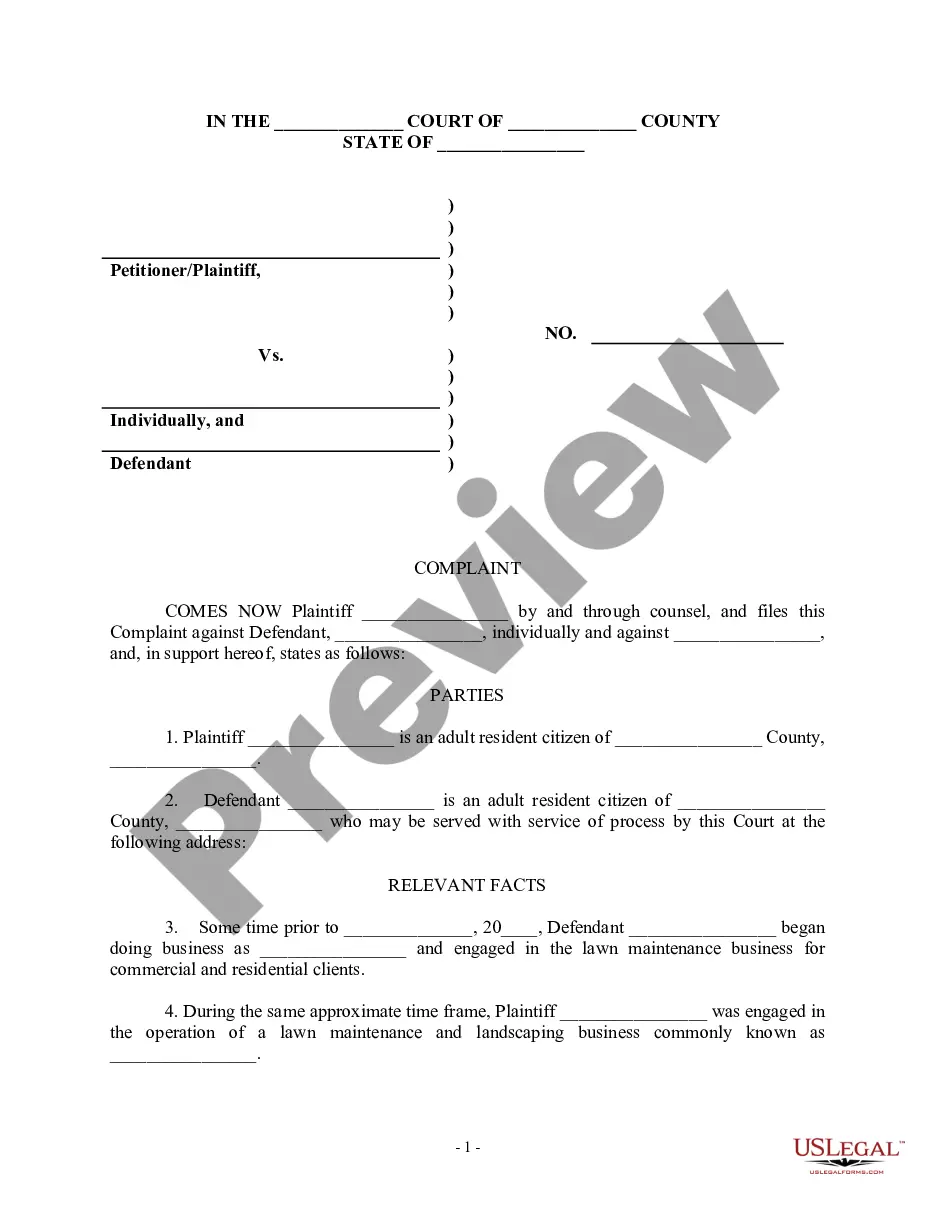
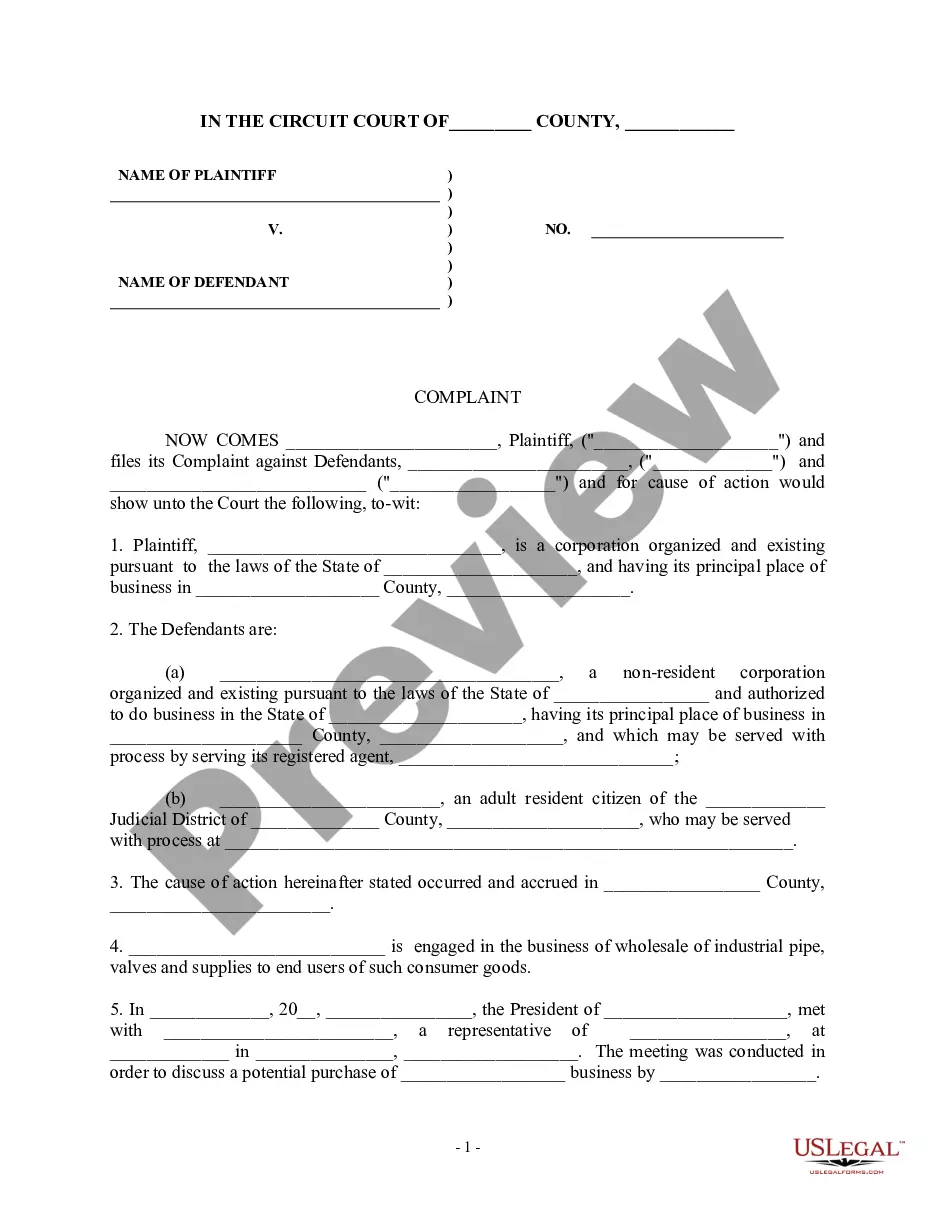


Get your form ready online
Our built-in tools help you complete, sign, share, and store your documents in one place.
Make edits, fill in missing information, and update formatting in US Legal Forms—just like you would in MS Word.
Download a copy, print it, send it by email, or mail it via USPS—whatever works best for your next step.
Sign and collect signatures with our SignNow integration. Send to multiple recipients, set reminders, and more. Go Premium to unlock E-Sign.
If this form requires notarization, complete it online through a secure video call—no need to meet a notary in person or wait for an appointment.
We protect your documents and personal data by following strict security and privacy standards.

Make edits, fill in missing information, and update formatting in US Legal Forms—just like you would in MS Word.

Download a copy, print it, send it by email, or mail it via USPS—whatever works best for your next step.

Sign and collect signatures with our SignNow integration. Send to multiple recipients, set reminders, and more. Go Premium to unlock E-Sign.

If this form requires notarization, complete it online through a secure video call—no need to meet a notary in person or wait for an appointment.

We protect your documents and personal data by following strict security and privacy standards.
Looking for another form?







Form popularity
FAQ
The Court can issue an injunction to stop the infringing acts. The Court can impound the illegal works. The infringer can go to jail.
The party seeking a preliminary injunctive relief must demonstrate: (1) irreparable injury in the absence of such an order; (2) that the threatened injury to the moving party outweighs the harm to the opposing party resulting from the order; (3) that the injunction is not adverse to public interest; and (4) that the ...
What Is an Example of Injunctive Relief? Theft of Clients: If a former employee poaches a company's clients, the innocent party may try to stop the former client from causing further damage. Breach of Contract: Injunctive relief is an effective way to stop an offending party from continuing to breach a contract.
Some examples of copyright infringement defense arguments are: Fair use doctrine. Proof the work was independently created and not copied. Innocence (proving there was no reason to believe the work was copyrighted) The use is with a license agreement in place (this can shift liability to the licensor)
At the beginning of an action, or any time before judgment, an injunction may be granted by the supreme court or a judge thereof, the court of appeals or a judge thereof in his district, the court of common pleas or a judge thereof in his county, or the probate court, in causes pending therein, when it appears to the ...
One remedy is injunctive relief, which restrains the defendant from future copying of the work. A preliminary injunction can be sought early in the case to restrain copying during the lawsuit.
Statutory damages are capped at $15,000 per infringed work (not per infringement) or $7,500 if the work wasn't timely registered (as described below under “Statutory Damages”). Actual damages are based on the loss or harm caused by the infringement or misrepresentation.
(B)(1) No surplus lines broker shall solicit, procure, place, or renew any insurance with an unauthorized insurer unless an agent or the surplus lines broker has complied with the due diligence requirements of this section and is unable to procure the requested insurance from an authorized insurer.
(A) No person shall knowingly conduct a home inspection or represent a qualification to conduct a home inspection for compensation or other valuable consideration unless that person is licensed pursuant to this chapter as a home inspector or performing a parallel inspection.
