Complaint Injunctive Form With Decimals In New York
Description

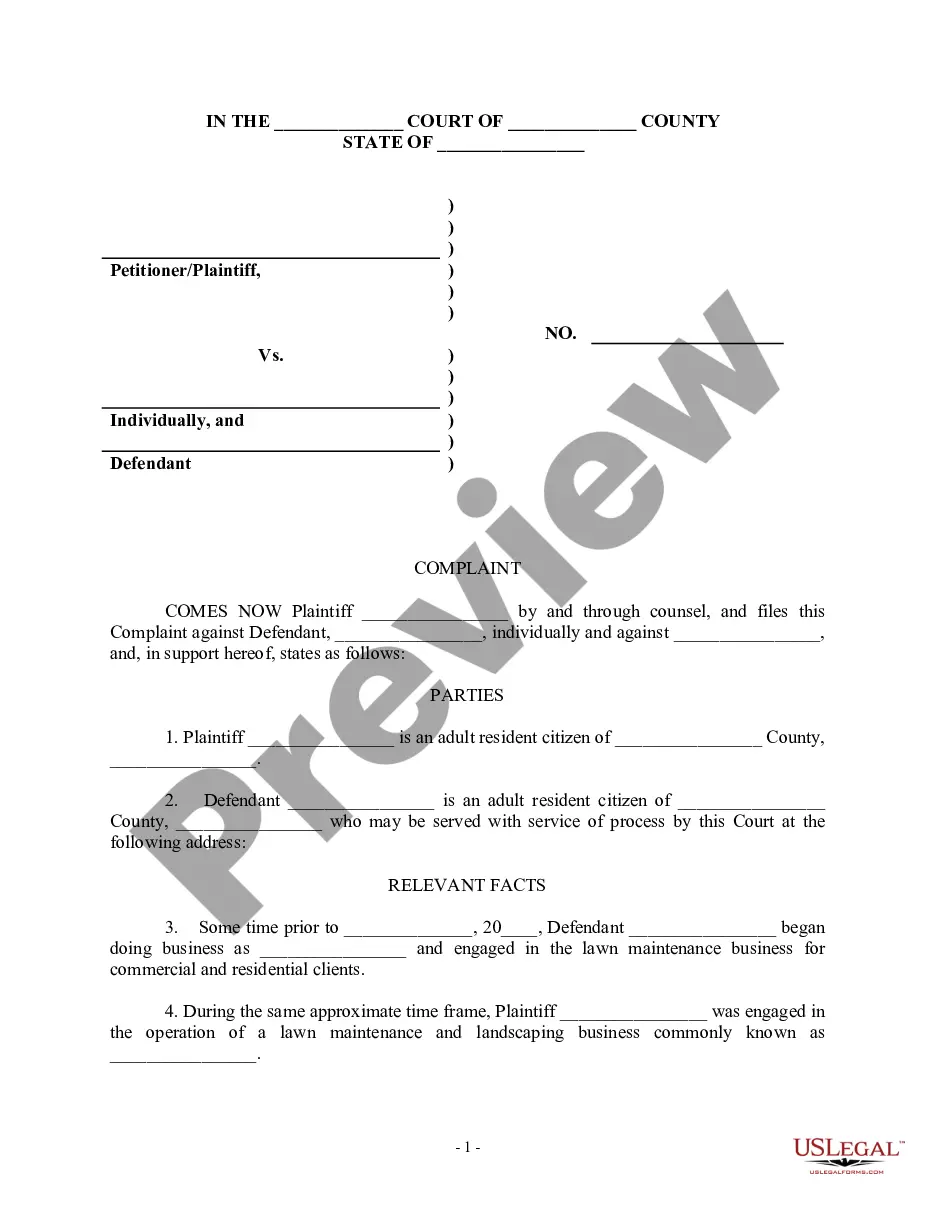
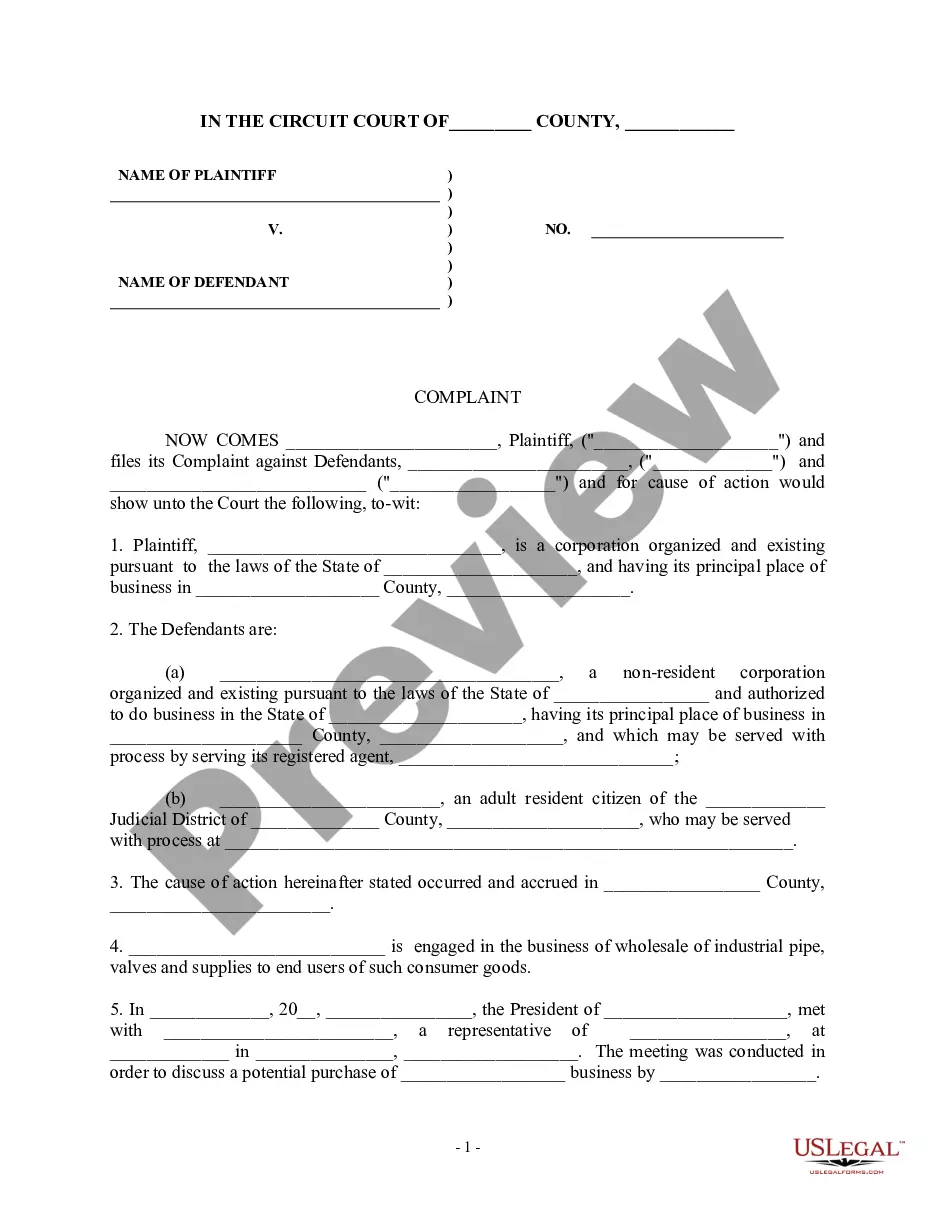

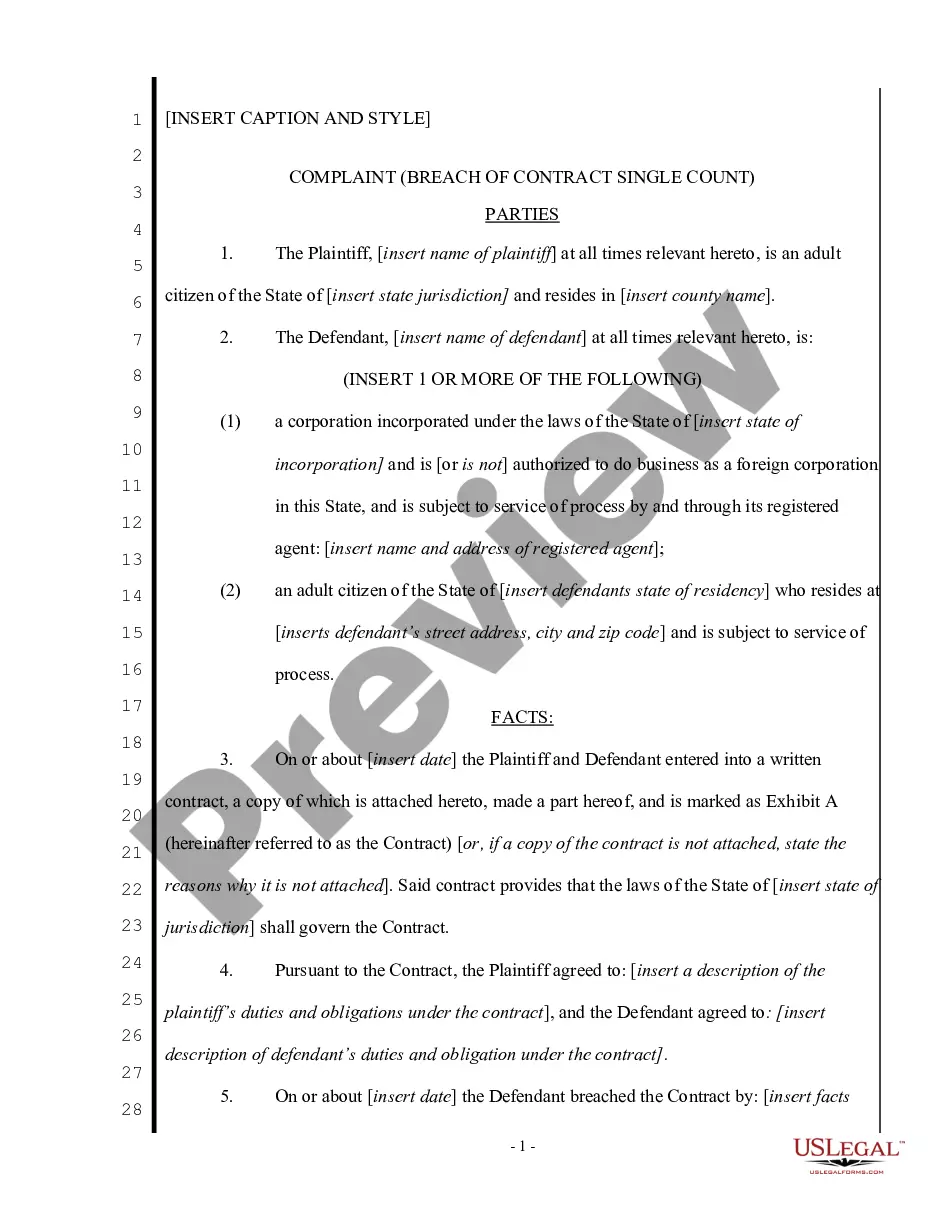
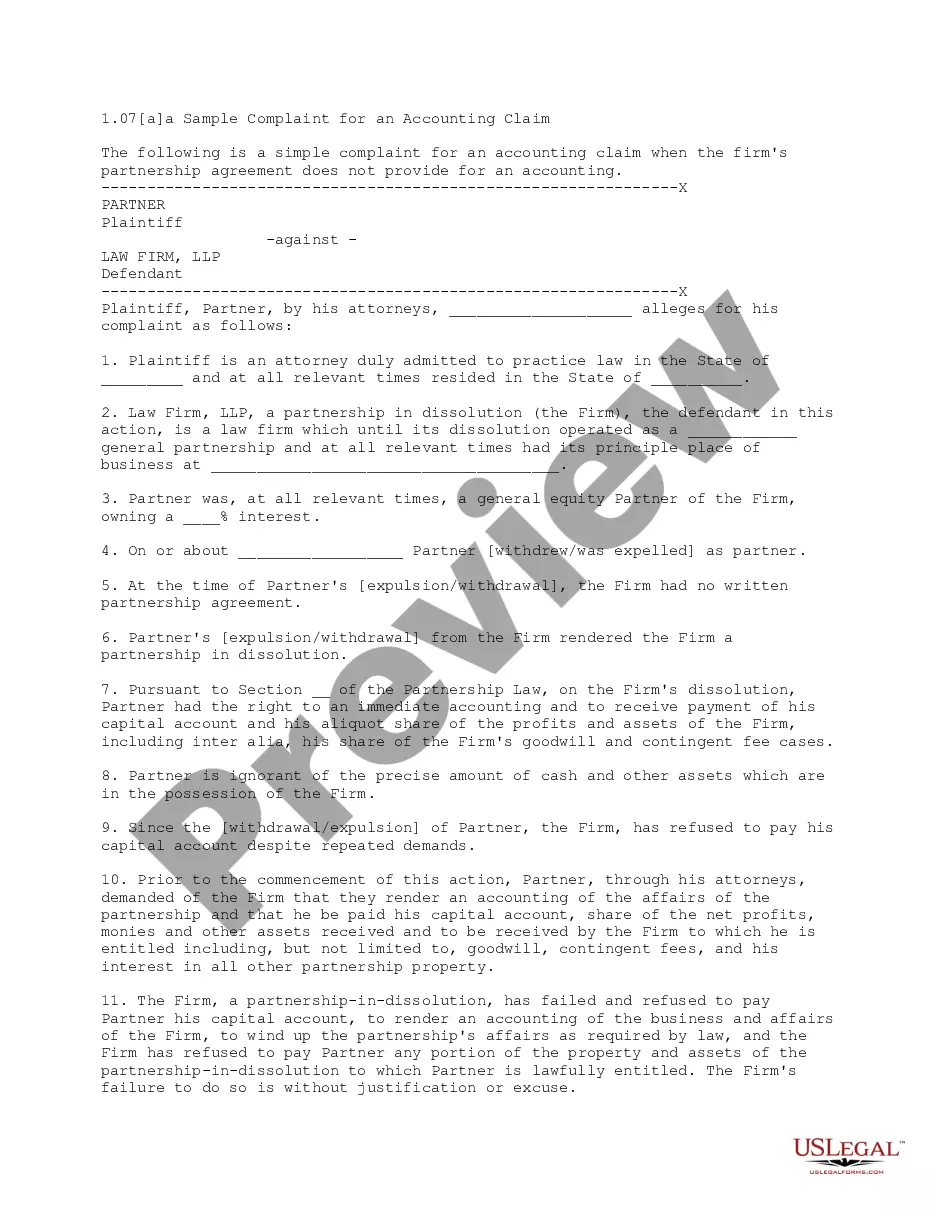
Get your form ready online
Our built-in tools help you complete, sign, share, and store your documents in one place.
Make edits, fill in missing information, and update formatting in US Legal Forms—just like you would in MS Word.
Download a copy, print it, send it by email, or mail it via USPS—whatever works best for your next step.
Sign and collect signatures with our SignNow integration. Send to multiple recipients, set reminders, and more. Go Premium to unlock E-Sign.
If this form requires notarization, complete it online through a secure video call—no need to meet a notary in person or wait for an appointment.
We protect your documents and personal data by following strict security and privacy standards.

Make edits, fill in missing information, and update formatting in US Legal Forms—just like you would in MS Word.

Download a copy, print it, send it by email, or mail it via USPS—whatever works best for your next step.

Sign and collect signatures with our SignNow integration. Send to multiple recipients, set reminders, and more. Go Premium to unlock E-Sign.

If this form requires notarization, complete it online through a secure video call—no need to meet a notary in person or wait for an appointment.

We protect your documents and personal data by following strict security and privacy standards.
Looking for another form?









Form popularity
FAQ
A summons with notice or summons and complaint must be served within 120 days of filing with the County Clerk.
A party may amend his pleading once without leave of court within twenty days after its service, or at any time before the period for responding to it expires, or within twenty days after service of a pleading responding to it.
Rule 11-f establishes that a party may serve a notice or subpoena on any legal or commercial entity. 10 While, as noted above, a party is not required to identify which matters the deponent will be asked about, if the party chooses to do so, the party must describe the matters with "reasonable particularity."
Specifically, pursuant to Uniform Rule 202.7 (f), upon an application for an order to show cause that seeks a temporary restraining order, the application must contain an affirmation demonstrating that there will be significant prejudice to the party seeking the restraining order by the giving of notice.
The rules state that service can be done “by delivering the summons within the state to a person of suitable age and discretion at the actual place of business, dwelling place or usual place of abode of the person to be served and by either mailing the summons to the person to be served at his or her last known ...
If a defendant avoids or refuses service of process in NYC, the court may proceed with the case without their presence. Consequences may include: Default Judgment: If service is properly executed and the defendant fails to respond, the court may rule in favor of the plaintiff by default.
A form that a party files in a New York state court action that has not yet been assigned to a judge. The RJI is a request for the court to become involved in the matter and will result in the assignment of a judge, who will then preside over the action until its end.
Dear Contact Person: This letter is to notify you {or} follow up on our conversation of {date} about a problem I am having with the name of product or service performed that I bought, leased, rented or had repaired at your name of location location on date.
Your answer should include the court name, case name, case number, and your affirmative defenses. Print three copies of your answer. File one with the clerk's office and mail (or “serve”) one to the plaintiff or plaintiff's attorney.
You can either answer the summons in writing or in person. If you answer in person, you must go to the courthouse clerk's office and tell the clerk about your defenses to the plaintiff's claims. The clerk will check off the boxes in a Consumer Credit Transaction Answer In Person form.
