Complaint Prayer For Relief Example In Nevada
Description



Get your form ready online
Our built-in tools help you complete, sign, share, and store your documents in one place.
Make edits, fill in missing information, and update formatting in US Legal Forms—just like you would in MS Word.
Download a copy, print it, send it by email, or mail it via USPS—whatever works best for your next step.
Sign and collect signatures with our SignNow integration. Send to multiple recipients, set reminders, and more. Go Premium to unlock E-Sign.
If this form requires notarization, complete it online through a secure video call—no need to meet a notary in person or wait for an appointment.
We protect your documents and personal data by following strict security and privacy standards.

Make edits, fill in missing information, and update formatting in US Legal Forms—just like you would in MS Word.

Download a copy, print it, send it by email, or mail it via USPS—whatever works best for your next step.

Sign and collect signatures with our SignNow integration. Send to multiple recipients, set reminders, and more. Go Premium to unlock E-Sign.

If this form requires notarization, complete it online through a secure video call—no need to meet a notary in person or wait for an appointment.

We protect your documents and personal data by following strict security and privacy standards.
Looking for another form?
Form popularity
FAQ
Since our Savior Himself promised that by offering to You, O Eternal Father, the Holy Face disfigured in the Passion, we can procure the settlement of the affairs of our household, and that nothing whatsoever will be refused us, we now come before Your Throne.
The summons and complaint must be served upon a defendant no later than 120 days after the complaint is filed, unless the court grants an extension of time under this rule.
Father, send Your angelic hosts to surround the courtroom and ensure righteous judgment in my favor. I break the power of every word curse spoken against my legal victory, in the name of Jesus. I declare that no lawyer, judge, or official will be able to withstand the wisdom and power of God on my behalf (Luke ).
Praying for someone else is called intercession—we are praying to God on behalf of another person.
Overview Step 1: Calculate your deadline to respond. Step 2: Evaluate your options. Step 3: Prepare a response. Step 4: File your response with the court. Step 5: Give plaintiff a copy of your response. Step 6: Know what to expect next.
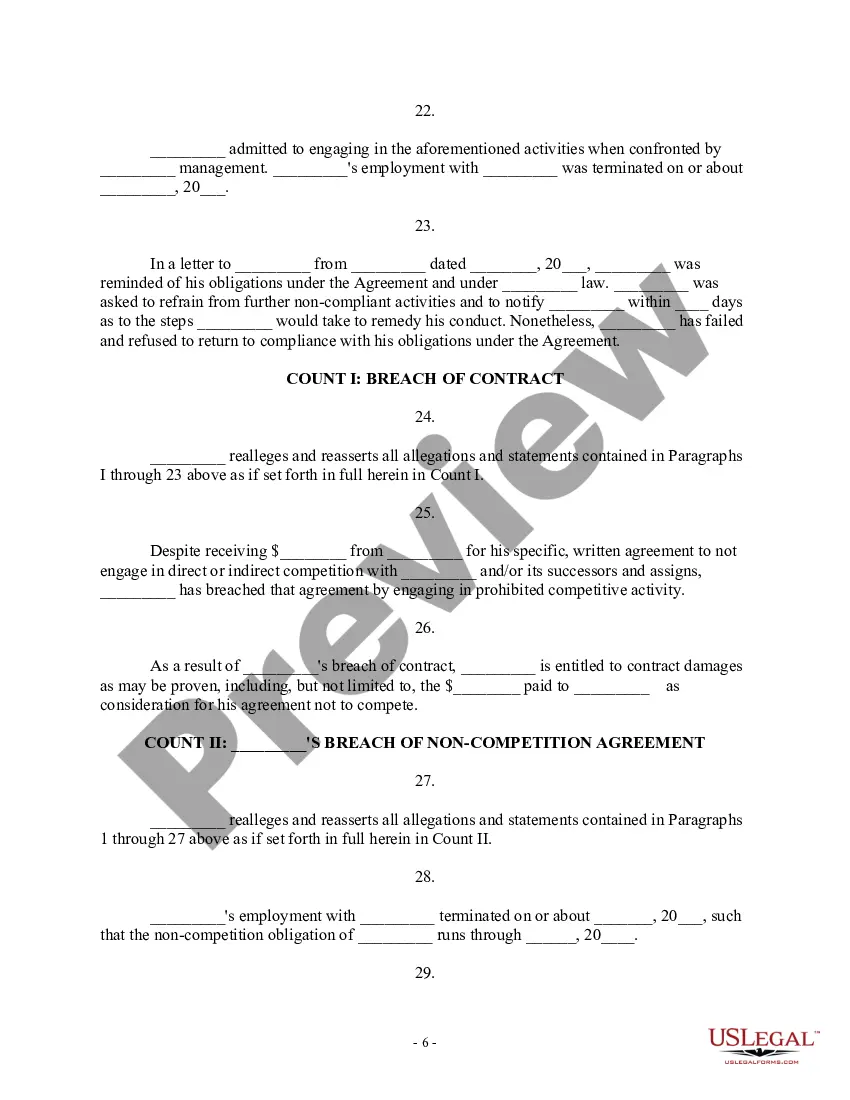
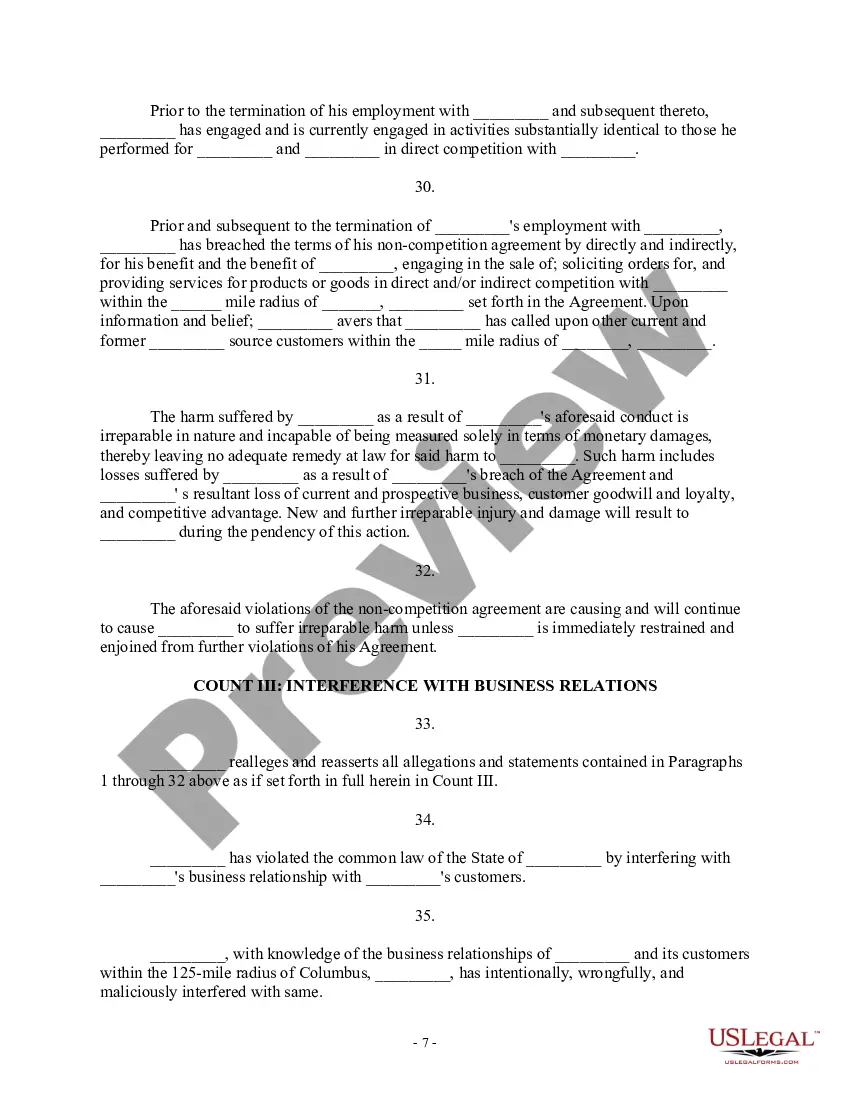
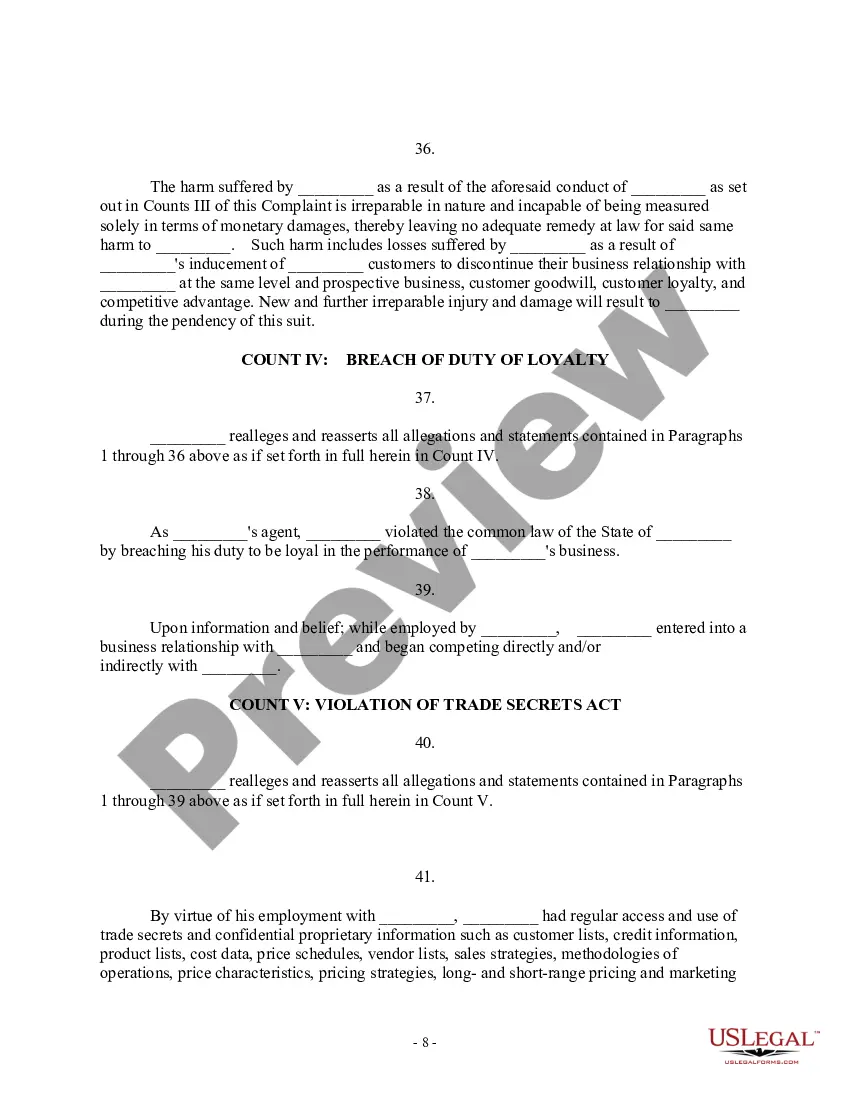
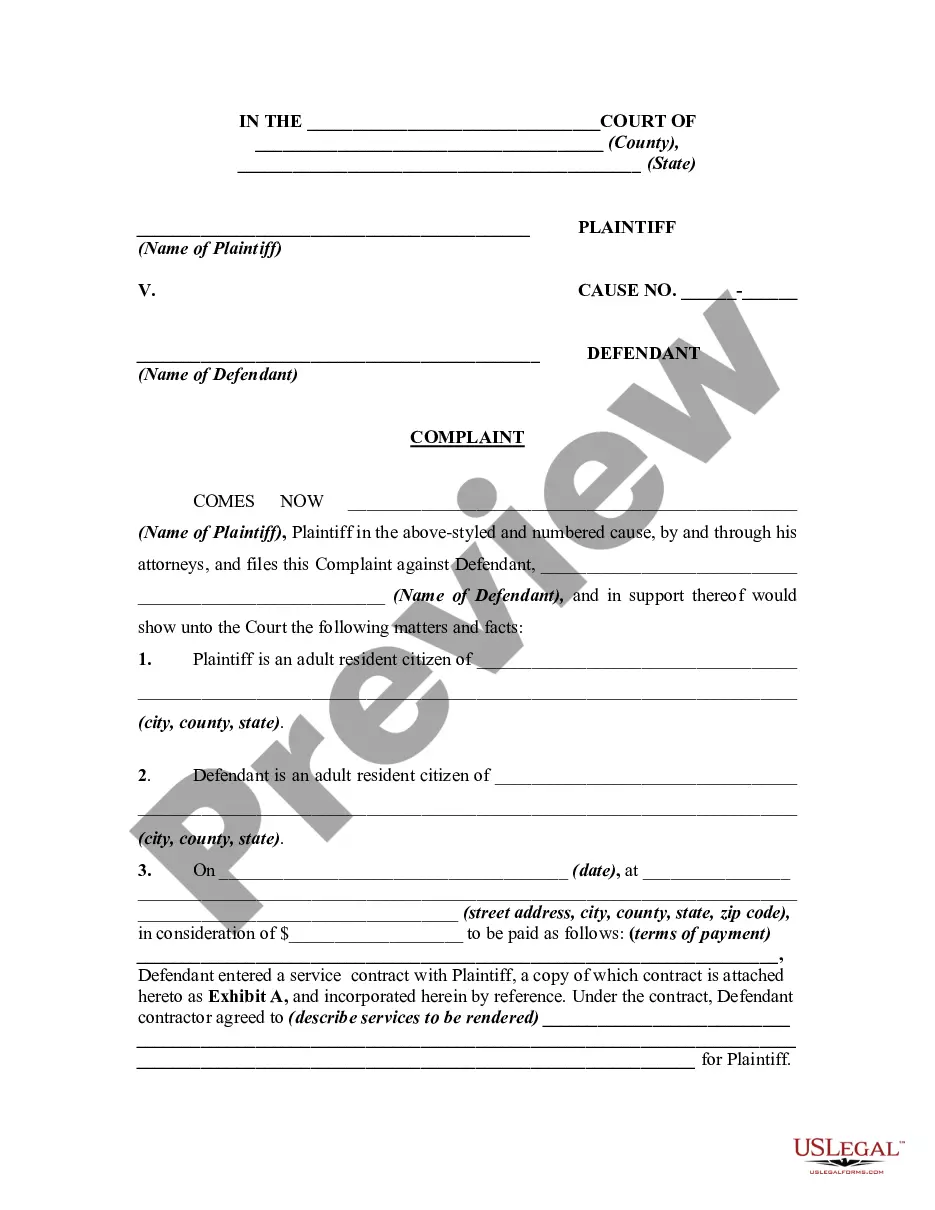
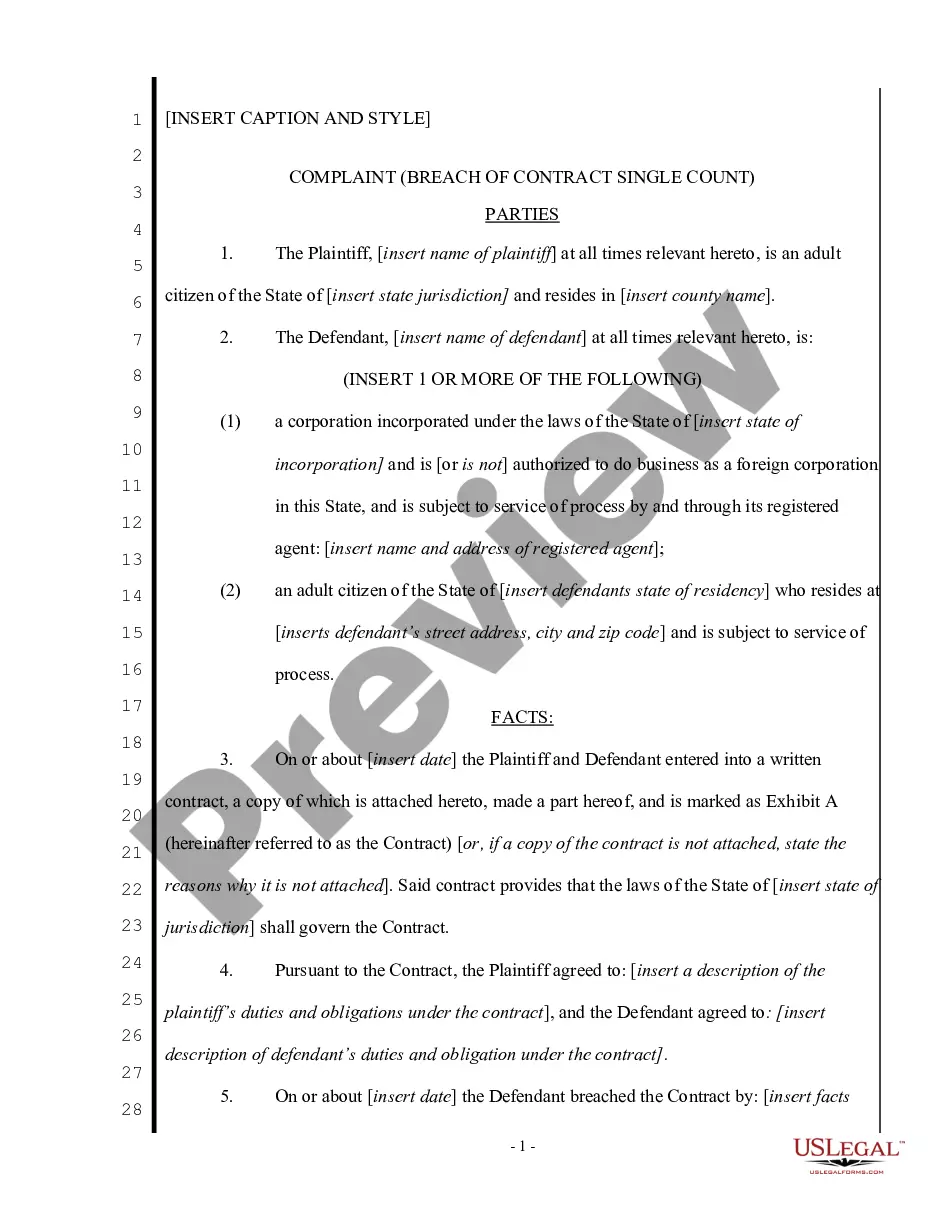
A prayer for relief, in the law of civil procedure, is a portion of a complaint in which the plaintiff describes the remedies that the plaintiff seeks from the court.
A prayer for relief, in the law of civil procedure, is a portion of a complaint in which the plaintiff describes the remedies that the plaintiff seeks from the court.
On a separate page or pages, write a short and plain statement of the answer to the allegations in the complaint. Number the paragraphs. The answer should correspond to each paragraph in the complaint, with paragraph 1 of the answer corresponding to paragraph 1 of the complaint, etc.
A prayer for relief, a demand for judgement, and the 'wherefore' clause are components found in a legal complaint. The prayer for relief describes the specific remedy sought by the plaintiff, the demand for judgement requests a specific decision, and the 'wherefore' clause asks the court to grant the relief requested.
The prayer for relief is the part of complaint where a plaintiff states the damages or other remedies it is seeking from the court in a lawsuit. Federal Rules of Civil Procedure 8(a)(3) requires that a plaintiff's pleadings contains a prayer for relief. The prayer is often located at the end of the complaint.