Injunction With Damages In Middlesex
Description

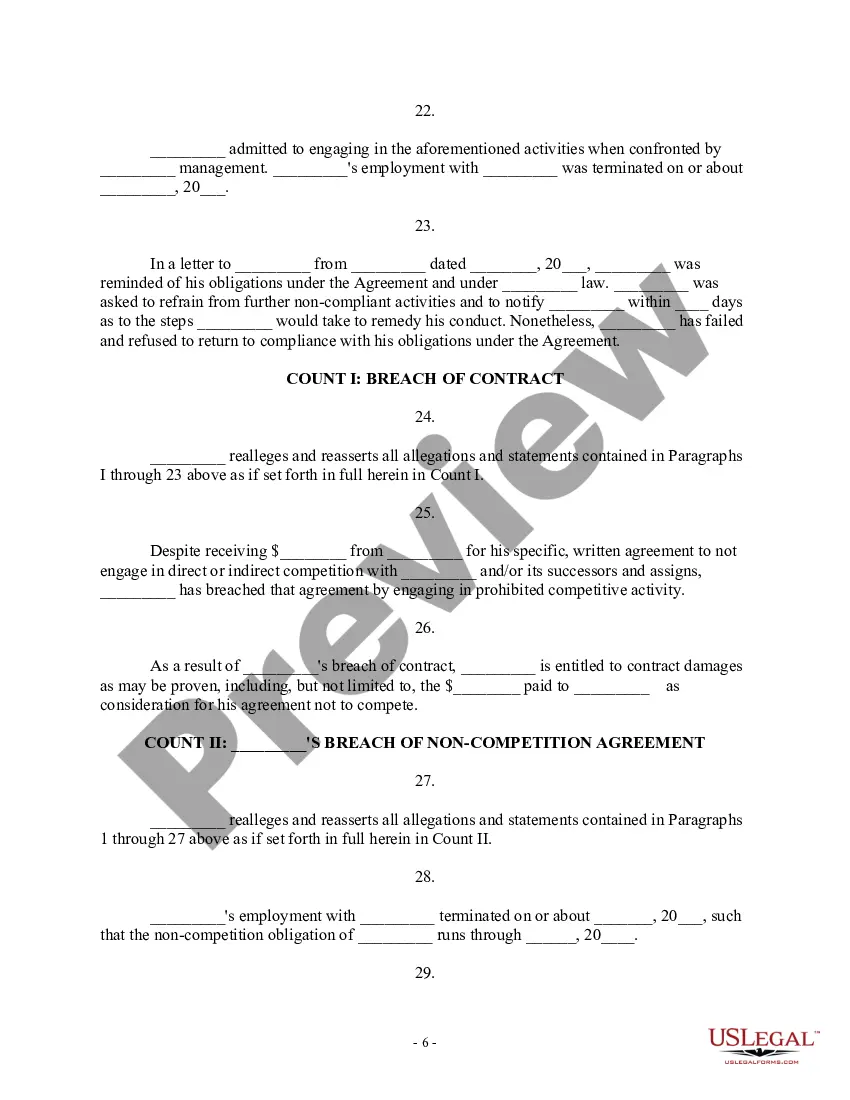
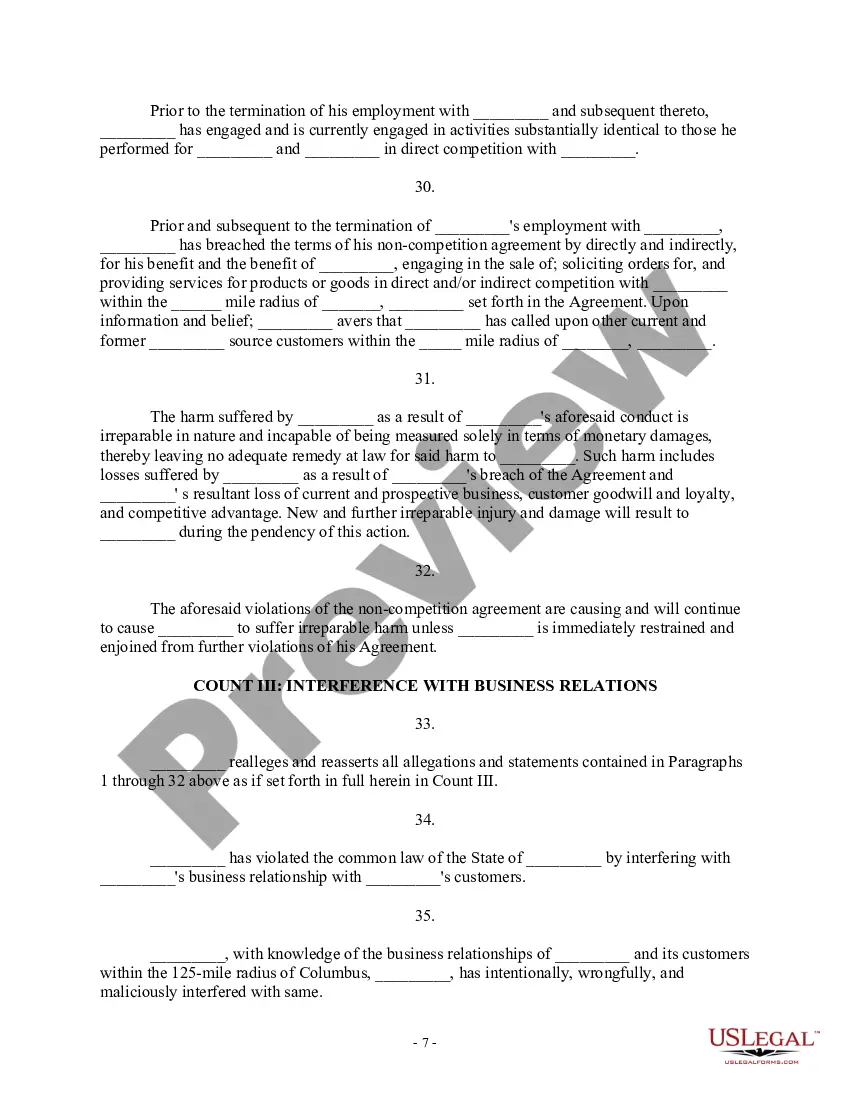
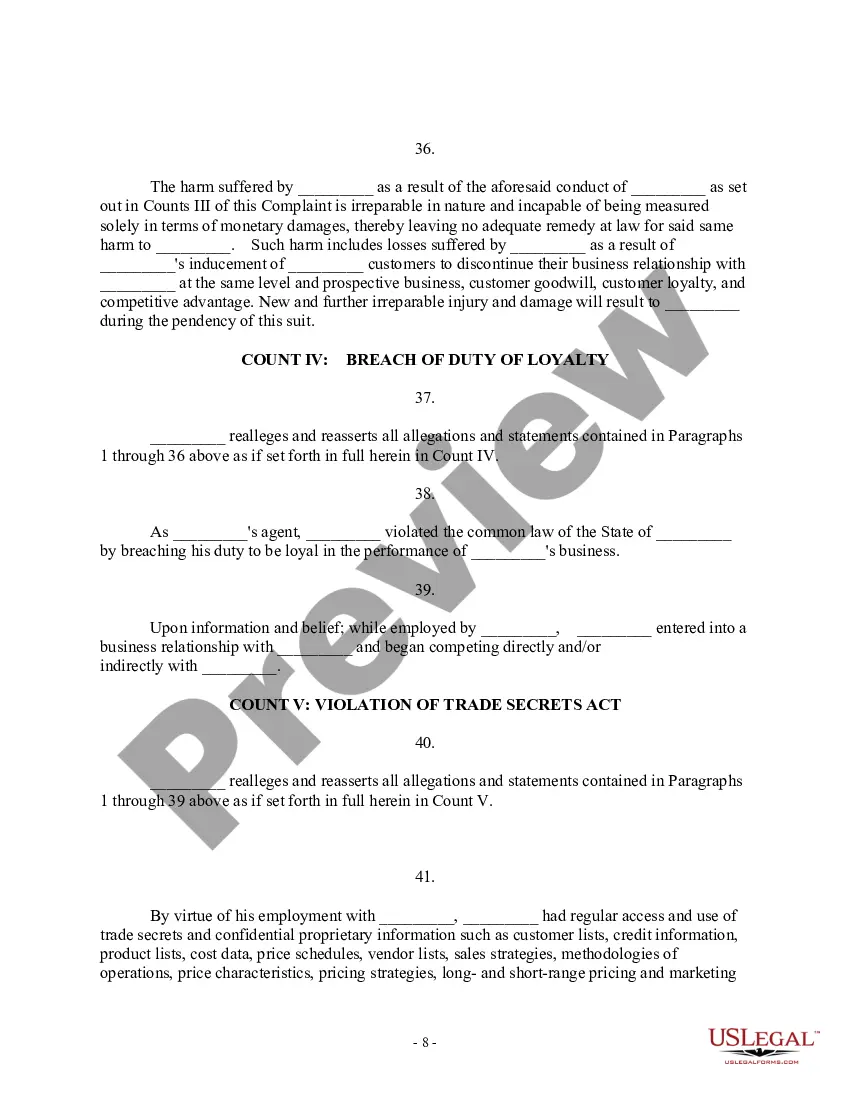
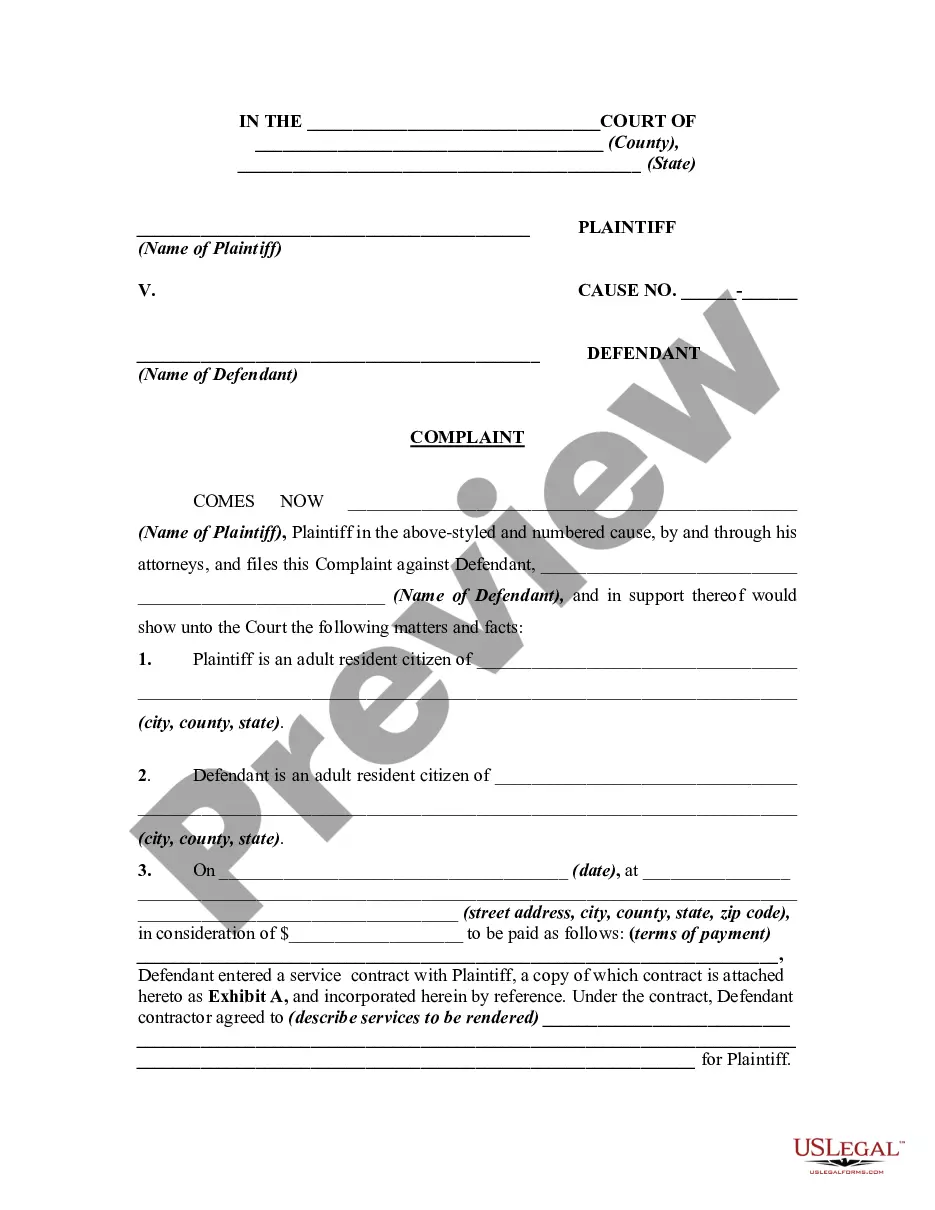




Get your form ready online
Our built-in tools help you complete, sign, share, and store your documents in one place.
Make edits, fill in missing information, and update formatting in US Legal Forms—just like you would in MS Word.
Download a copy, print it, send it by email, or mail it via USPS—whatever works best for your next step.
Sign and collect signatures with our SignNow integration. Send to multiple recipients, set reminders, and more. Go Premium to unlock E-Sign.
If this form requires notarization, complete it online through a secure video call—no need to meet a notary in person or wait for an appointment.
We protect your documents and personal data by following strict security and privacy standards.

Make edits, fill in missing information, and update formatting in US Legal Forms—just like you would in MS Word.

Download a copy, print it, send it by email, or mail it via USPS—whatever works best for your next step.

Sign and collect signatures with our SignNow integration. Send to multiple recipients, set reminders, and more. Go Premium to unlock E-Sign.

If this form requires notarization, complete it online through a secure video call—no need to meet a notary in person or wait for an appointment.

We protect your documents and personal data by following strict security and privacy standards.
Looking for another form?





Form popularity
FAQ
Prohibitory Injunctions: These are the most common type and essentially tell the respondent what they cannot do. This could include anything from contacting a specific person (the petitioner) to coming near their home, workplace, or even a certain distance from their children's school.
The aim of a damages undertaking is to compensate any party that is harmed by an unfair injunction. For example, you could seek an injunction to stop a competing business from selling a certain product in Australia. That injunction is granted, but then overturned a year later when you lose the court case.
Adequacy of Damages This question is first considered from the Claimant's point of view. It is commonly found in business protection cases that damages will not be an adequate remedy. Firstly it is often impossible or extremely difficult to quantify loss in such cases.
Under the Code of Civil Procedure, 1908, Section 91 states about the institution of a suit for a declaration and injunction in cases of public nuisance or other wrongful acts affecting or which may affect the public, by the Advocate- General or two or more persons with the permission of the court.
Injunctions remain widely used to require government officials to comply with the Constitution, and they are also frequently used in private law disputes about intellectual property, real property, and contracts.
An injunction is a court order requiring a person to do or cease doing a specific action. There are three types of injunctions: Permanent injunctions , Temporary restraining orders and preliminary injunctions . Temporary restraining orders (TRO) and preliminary injunctions are equitable in nature.
To seek a permanent injunction, the plaintiff must pass the four-step test: (1) that the plaintiff has suffered an irreparable injury; (2) that remedies available at law, such as monetary damages, are inadequate to compensate for the injury; (3) that the remedy in equity is warranted upon consideration of the balance ...
Legal Standards: To obtain a preliminary injunction, the requesting party must demonstrate: The likelihood of success on the merits of the case. That irreparable harm is likely to occur if the injunction is not granted. The balance of harms weighs in favor of the injunction being issued.
To seek a permanent injunction, the plaintiff must pass the four-step test: (1) that the plaintiff has suffered an irreparable injury; (2) that remedies available at law, such as monetary damages, are inadequate to compensate for the injury; (3) that the remedy in equity is warranted upon consideration of the balance ...
Requests for mandatory injunctions are only granted if the facts are clearly favorable toward the moving party. When a court decides to issue a mandatory injunction, the injunction must be least oppressive while still protecting the plaintiff's rights.
