Complaint Relief With Contacts In Maricopa
Description

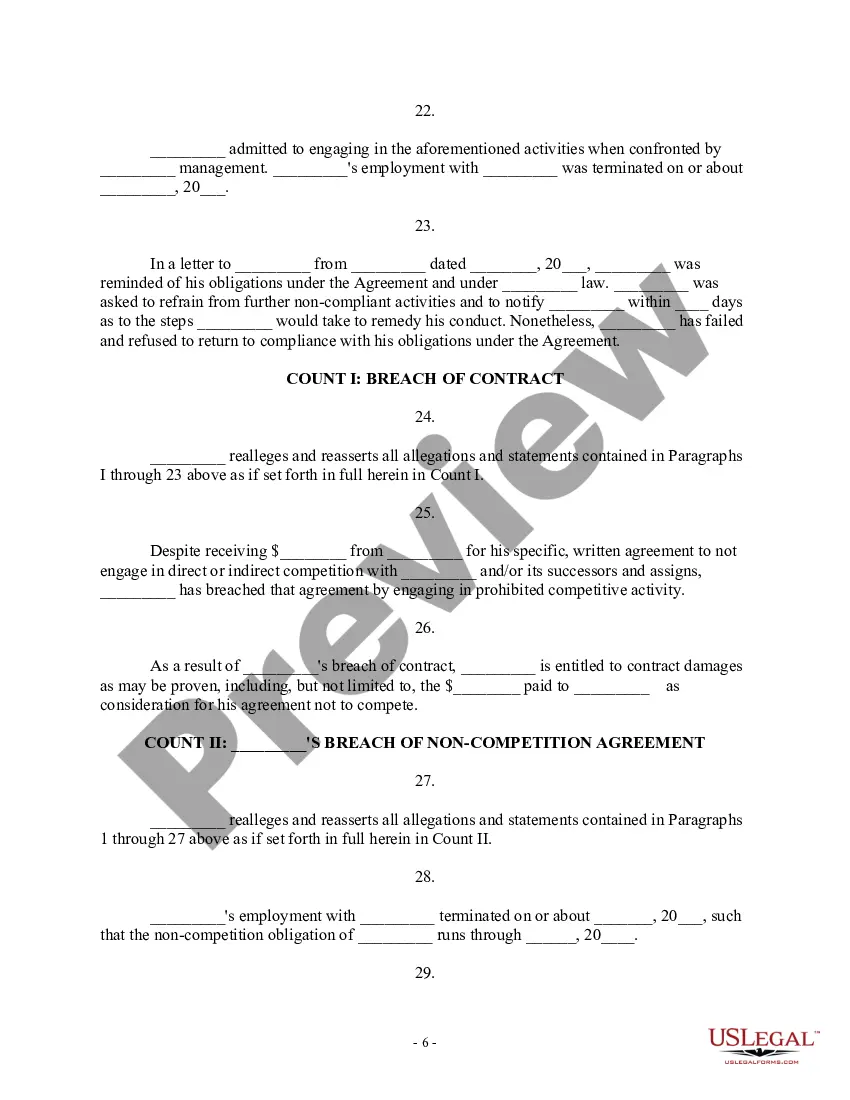
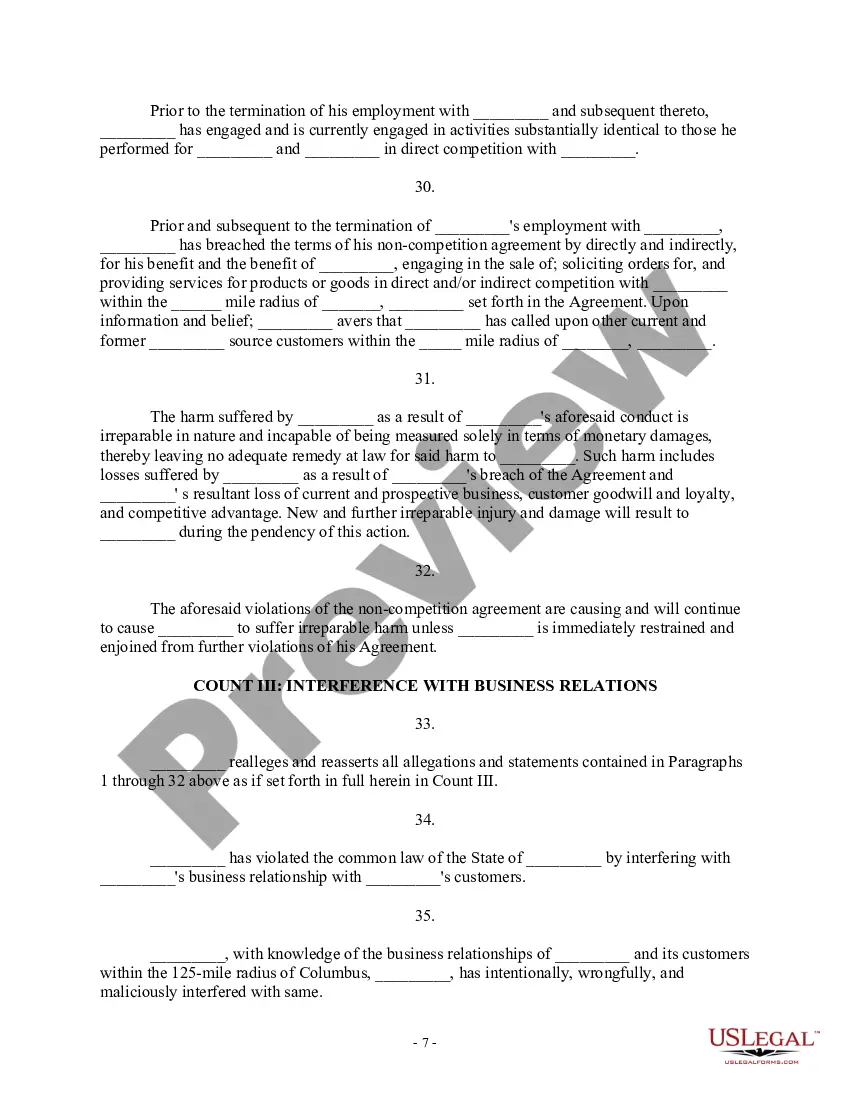
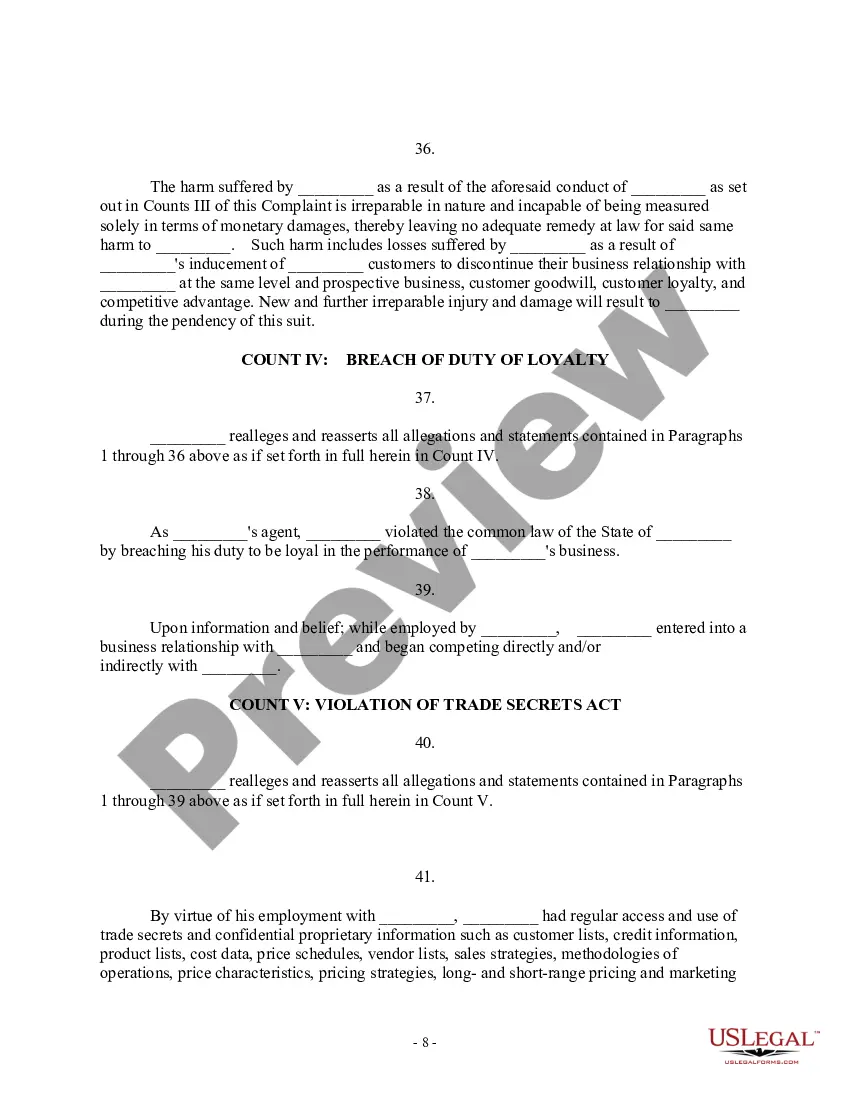
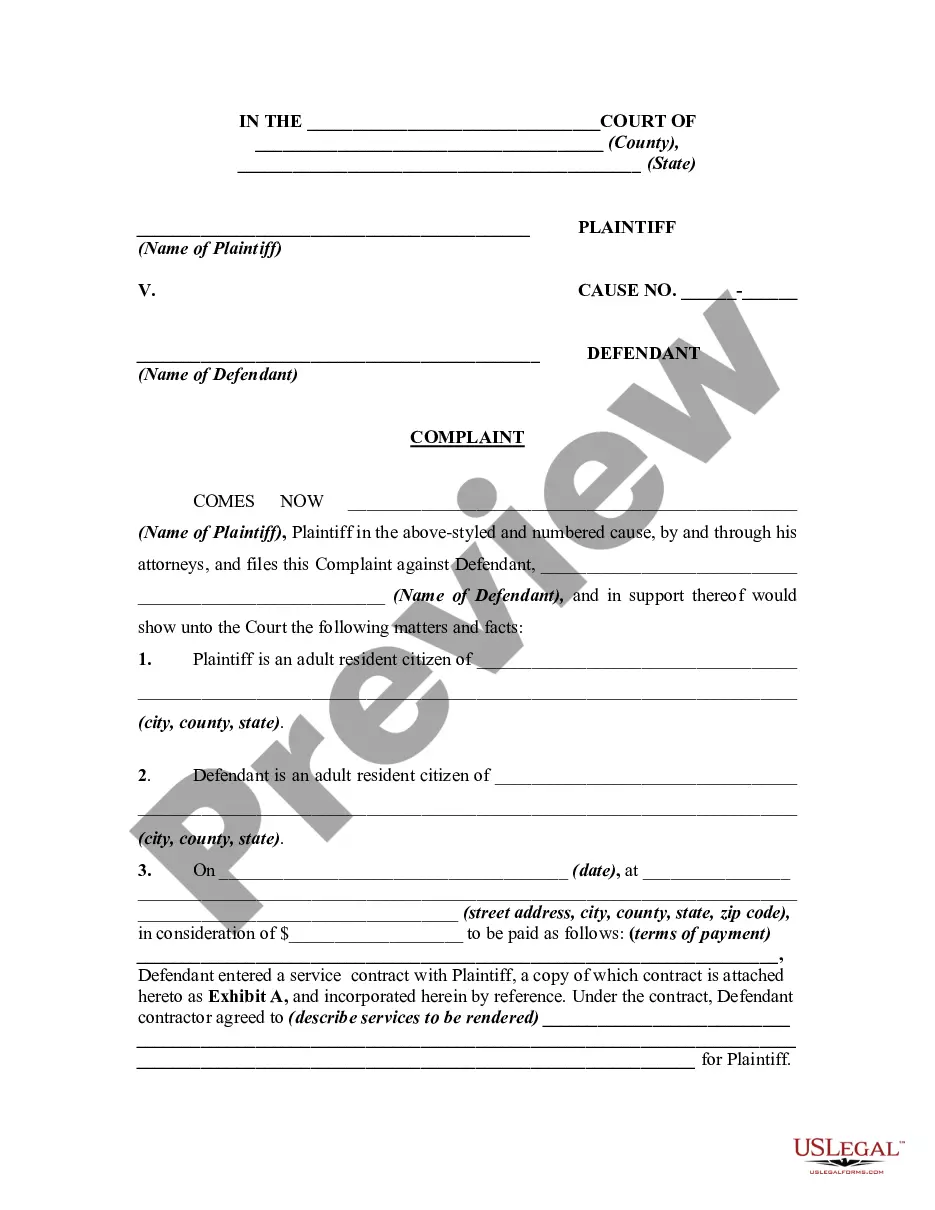
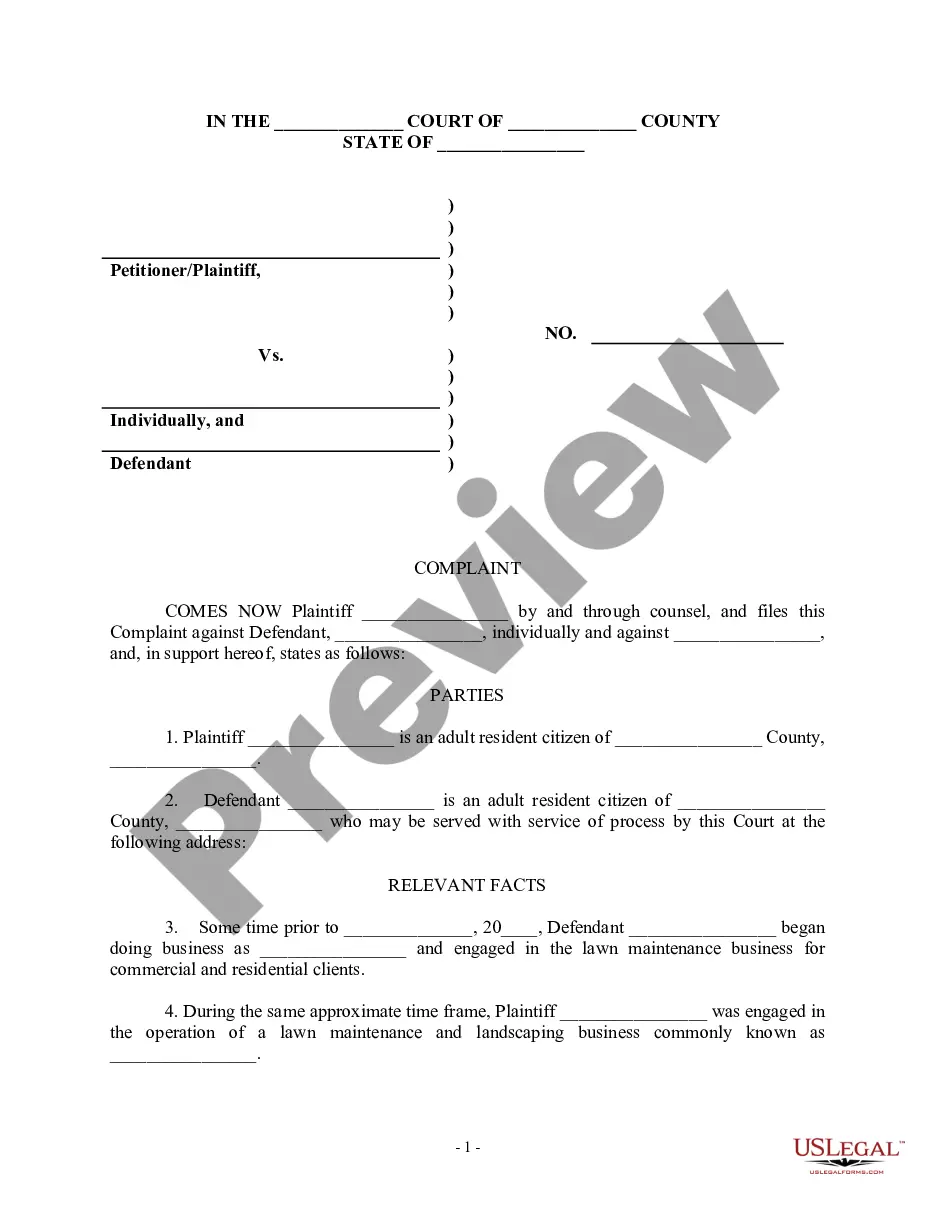
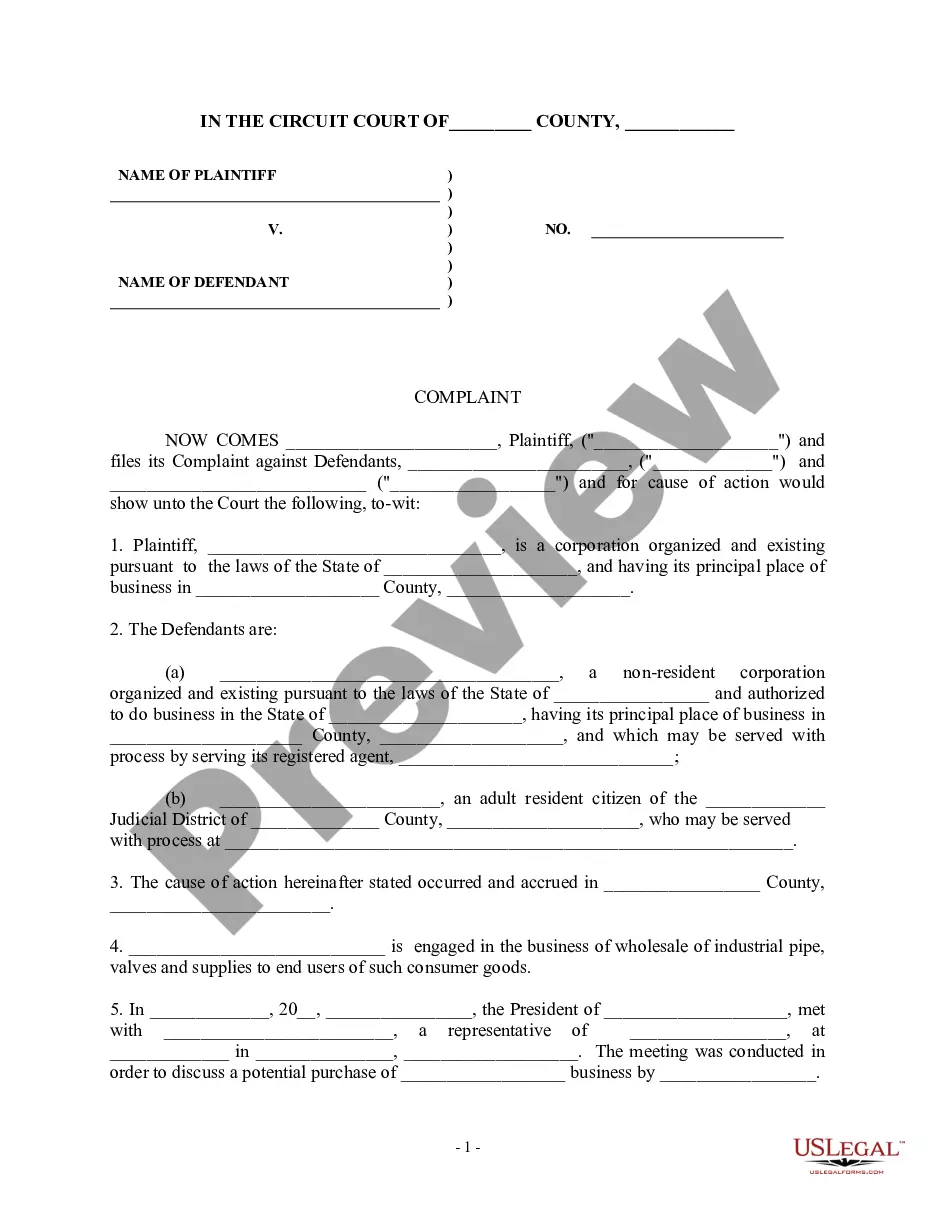

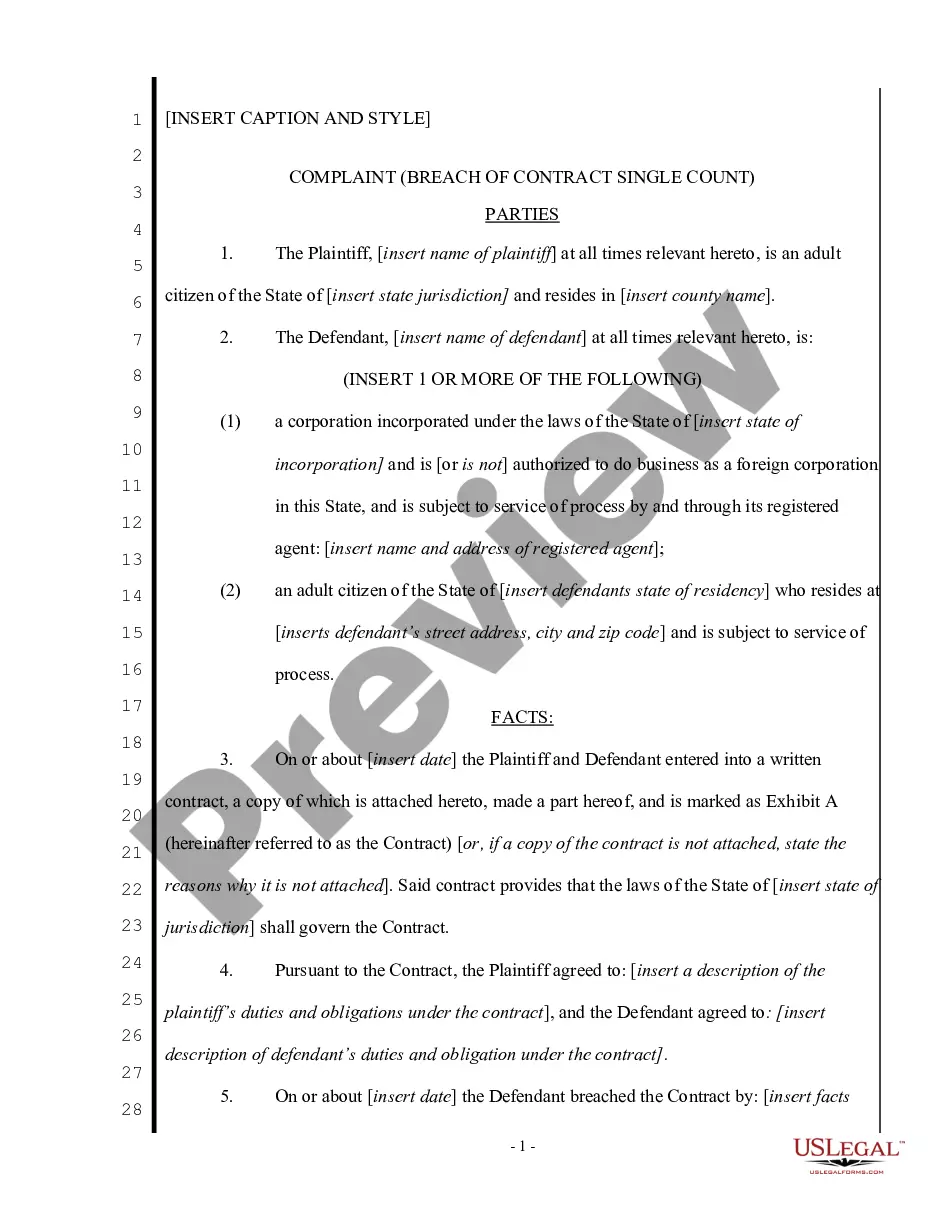
Get your form ready online
Our built-in tools help you complete, sign, share, and store your documents in one place.
Make edits, fill in missing information, and update formatting in US Legal Forms—just like you would in MS Word.
Download a copy, print it, send it by email, or mail it via USPS—whatever works best for your next step.
Sign and collect signatures with our SignNow integration. Send to multiple recipients, set reminders, and more. Go Premium to unlock E-Sign.
If this form requires notarization, complete it online through a secure video call—no need to meet a notary in person or wait for an appointment.
We protect your documents and personal data by following strict security and privacy standards.

Make edits, fill in missing information, and update formatting in US Legal Forms—just like you would in MS Word.

Download a copy, print it, send it by email, or mail it via USPS—whatever works best for your next step.

Sign and collect signatures with our SignNow integration. Send to multiple recipients, set reminders, and more. Go Premium to unlock E-Sign.

If this form requires notarization, complete it online through a secure video call—no need to meet a notary in person or wait for an appointment.

We protect your documents and personal data by following strict security and privacy standards.
Looking for another form?










Form popularity
FAQ
Maricopa County Mesa / County
To file a complaint either call 520-724-7400 and ask to speak to a Complaint Coordinator, or fill out our web based Complaint Form if you wish to remain anonymous. Be prepared to provide the following information: Address of property where the problem has occurred or is occurring.
Conditions materially affecting health and safety include (among many other things) inadequate sanitation; hazardous or unsanitary premises; inadequate maintenance; and unhealthy conditions (A.R.S. 9-1303).
For indoor air quality issues such as unsafe, uncomfortable, working, and living conditions that may include mold, odorous, or dusty conditions, contact the Arizona Division of Occupational Safety and Health (ADOSH) by calling 602-542-5795.
Call HUD's complaint hotline to report your landlord if applicable. Reach HUD's bad-landlord complaint department by calling 1-800-685-8470. Detail your address, the substandard conditions you've documented as a tenant, your landlord's lack of response, and the length of time the problem has been going on.
Parks. Permitting Services. Public Safety. Attorney's Office. Sheriff's Office. Victim Services. Traffic. Road Closures. Traffic Counts. Transportation Projects. Veterans Resources. Waste & Recycling. Water Management. Rainfall Data. Flood Control Projects.
Email to mhcomplaints@azhousing or Fax to (602) 771-1002. Complaints may also be mailed to the address on the form. Telephone inquiries may be made to the main office at (602) 771-1000.
Contact Us Administration Office Hours: a.m. - p.m. Phone: 602-372-5375 or (602)37-CLERK. Email: coccustomerrelations@maricopa. Text Cleo: 52704. Other Cleo options: Get Started.
To respond you need to: Download or ask the court for a blank answer form. Respond to each of the numbered claims in the complaint. Briefly explain your responses and raise any defenses you have. File your answer with the court and deliver a copy to the person suing you (or their lawyer, if they have one).
When drafting an answer, one must: (1) follow the local, state, and federal court rules; (2) research the legal claims in the adversary's complaint; (3) respond to the adversary's factual allegations; and (4) assert affirmative defenses, counterclaims, cross-claims, or third-party claims, if applicable.