Complaint Relief With Contacts In Georgia
Description

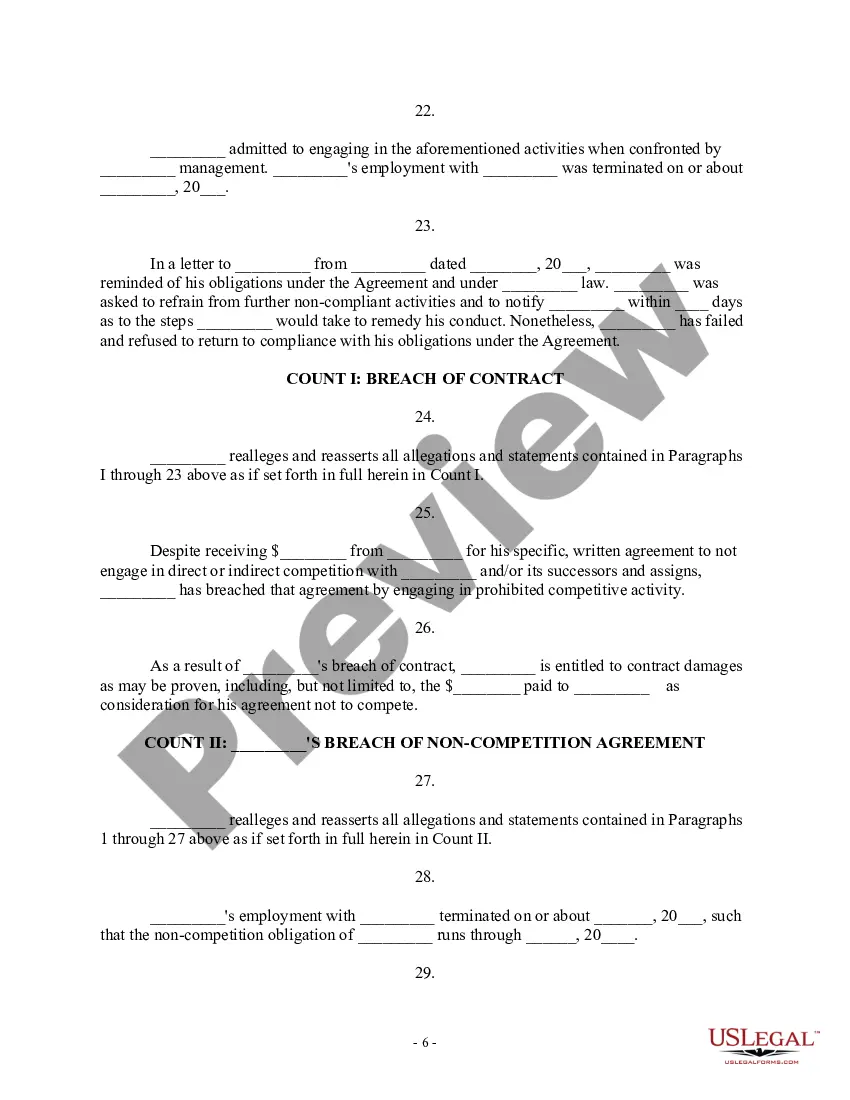
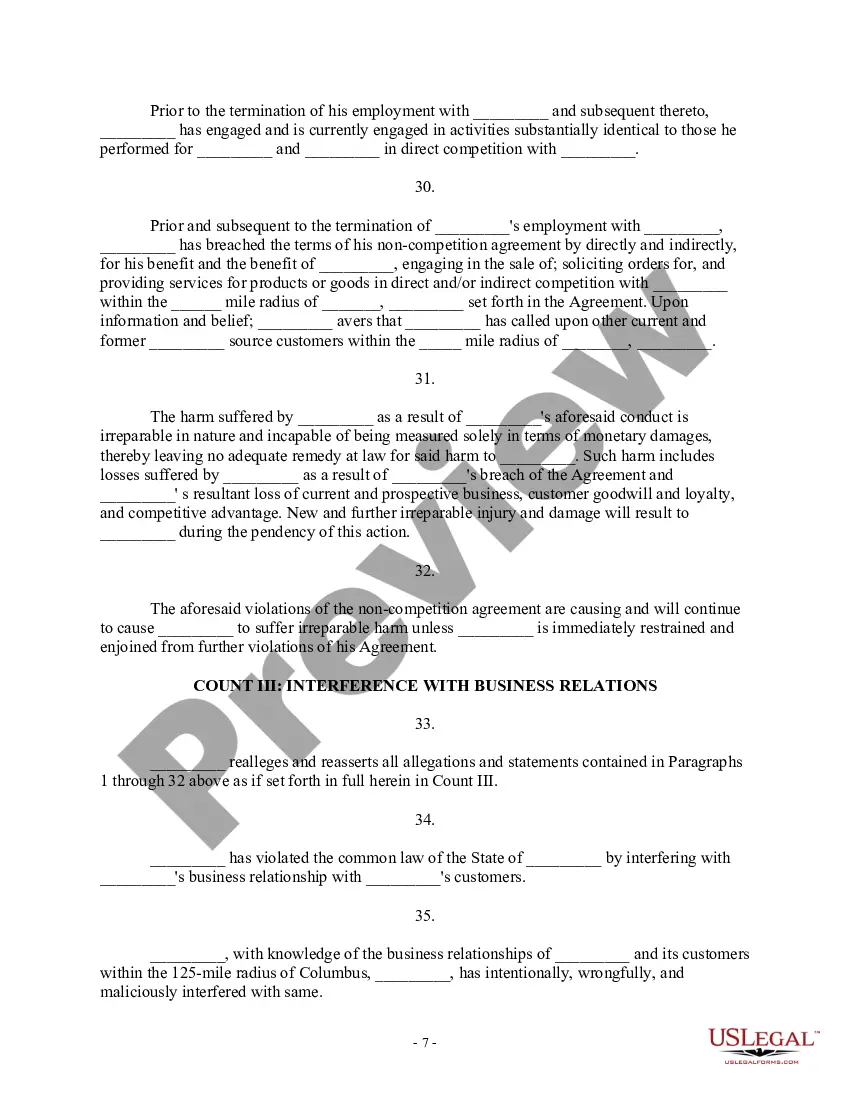
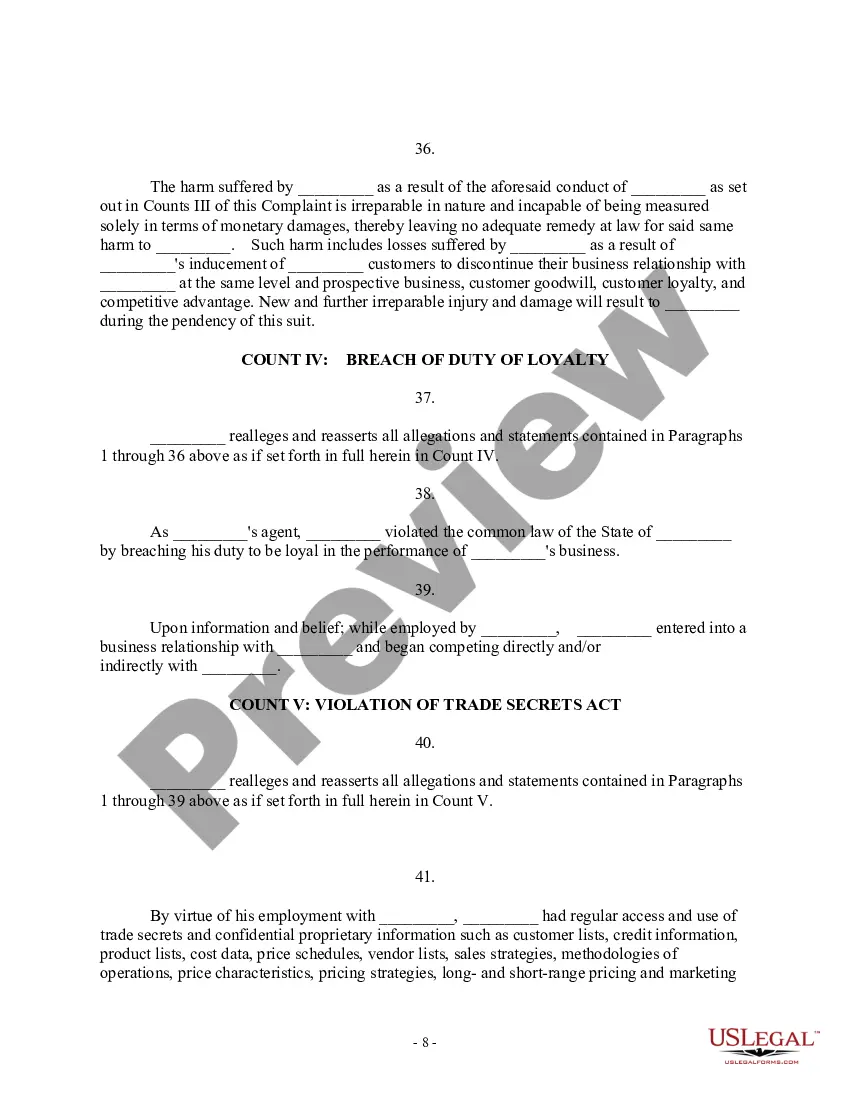

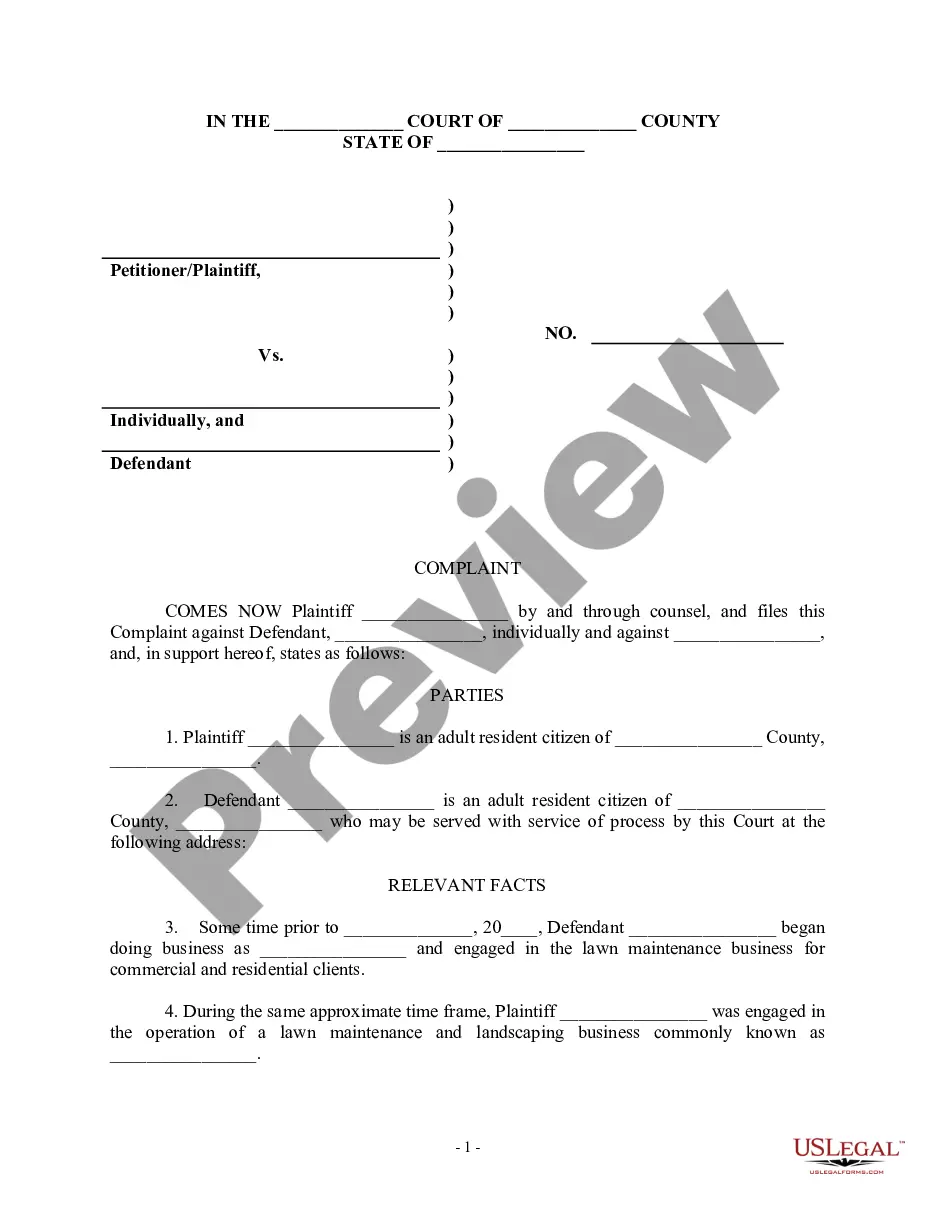



Get your form ready online
Our built-in tools help you complete, sign, share, and store your documents in one place.
Make edits, fill in missing information, and update formatting in US Legal Forms—just like you would in MS Word.
Download a copy, print it, send it by email, or mail it via USPS—whatever works best for your next step.
Sign and collect signatures with our SignNow integration. Send to multiple recipients, set reminders, and more. Go Premium to unlock E-Sign.
If this form requires notarization, complete it online through a secure video call—no need to meet a notary in person or wait for an appointment.
We protect your documents and personal data by following strict security and privacy standards.

Make edits, fill in missing information, and update formatting in US Legal Forms—just like you would in MS Word.

Download a copy, print it, send it by email, or mail it via USPS—whatever works best for your next step.

Sign and collect signatures with our SignNow integration. Send to multiple recipients, set reminders, and more. Go Premium to unlock E-Sign.

If this form requires notarization, complete it online through a secure video call—no need to meet a notary in person or wait for an appointment.

We protect your documents and personal data by following strict security and privacy standards.
Looking for another form?








Form popularity
FAQ
ABOUT THE COMPLAINT PROCESS If applicable, supporting information such as transcripts, video and/or audio recordings, photographs, or written correspondence should be submitted in conjunction with complaints. Once a complaint is submitted, it is forwarded to the Commission's Director for initial screening and review.
The Defendant's Answer Under federal rules, defendants generally have 21 days to file an answer after they are served with a complaint; the U.S. government has 60 or 90 days, depending on whether it has waived service.
Only certain very limited types of contracts can be canceled, within three business days after signing. When it is applicable under the law, this three-day cancellation or “cooling-off” period is designed to give you time to think about your decision and to compare the prices and quality of competing products.
Rule 12 - Extensions Of Time (1) Extensions of time for filing petitions for certiorari, applications for appeal, and motions for reconsideration will be granted only in unusual circumstances and only if the request is filed before the time for filing the pleading has expired.
Georgia's Fair Business Practices Act prohibits unfair and deceptive acts or practices in the marketplace. This law applies to consumer transactions involving the sale, lease or rental of goods, services or property mainly for personal, family or household purposes.
The FTC's Bureau of Consumer Protection stops unfair, deceptive and fraudulent business practices by: collecting complaints and conducting investigations. suing companies and people that break the law.
A defendant shall serve his answer within 30 days after the service of the summons and complaint upon him, unless otherwise provided by statute. A cross-claim or counterclaim shall not require an answer, unless one is required by order of the court, and shall automatically stand denied.
A party may plead or move in response to an amended pleading and, when required by an order of the court, shall plead within 15 days after service of the amended pleading, unless the court otherwise orders.
(1) Unlike private plaintiffs, state attorneys general can and usually do investigate companies before filing a lawsuit. (2) State attorneys general are motivated by public policy considerations. (3) Changes within state attorneys general offices can affect the direction of a suit.
For any negligence case, your attorney must be able to establish four elements, including: (1) Duty of Care. The first thing that needs to be established is that there was a duty of care on the part of the defendant. (2) Causation. (3) Breach of Duty. (4) Damages.
