Injunctive Relief For In Dallas
Description

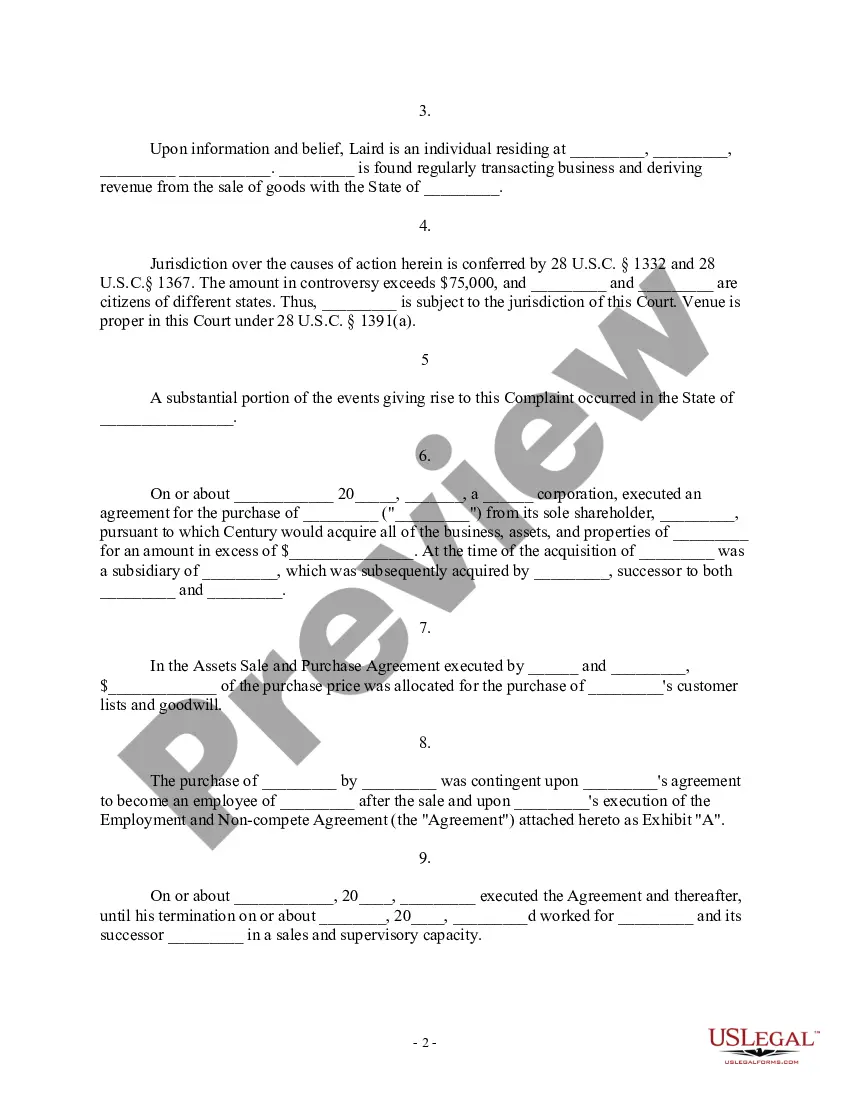
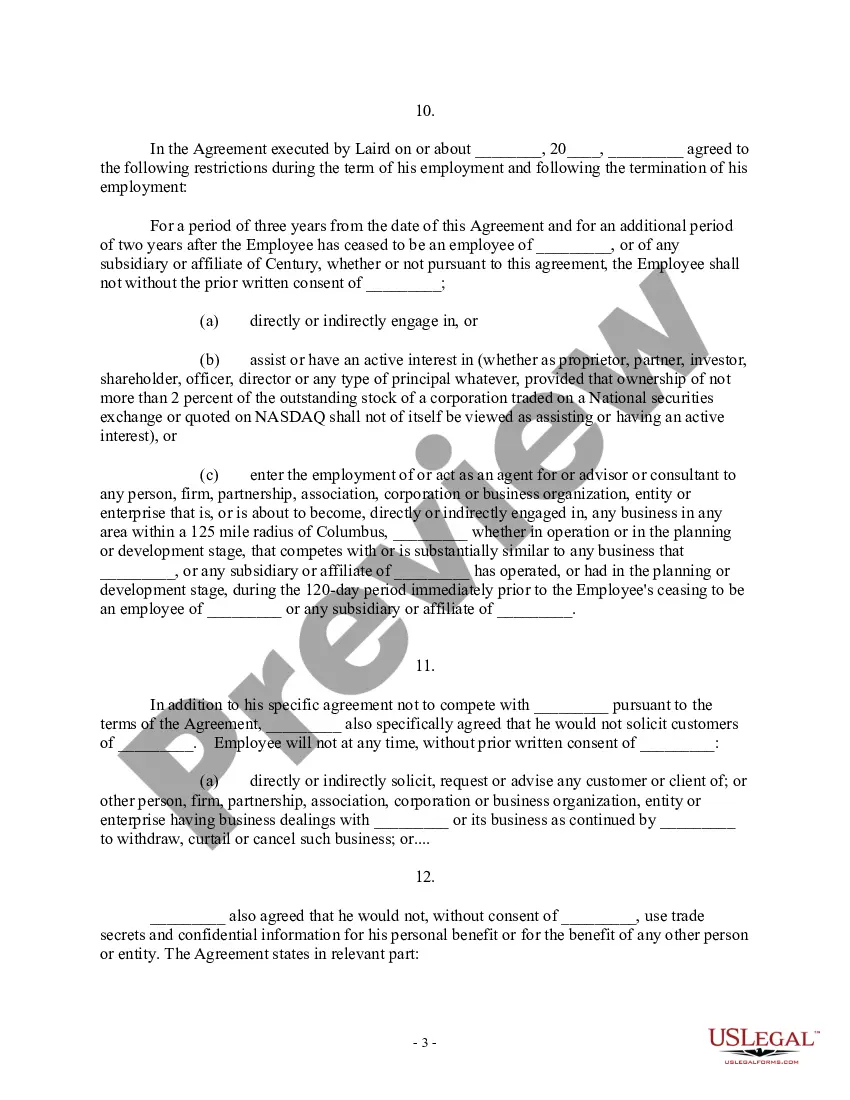
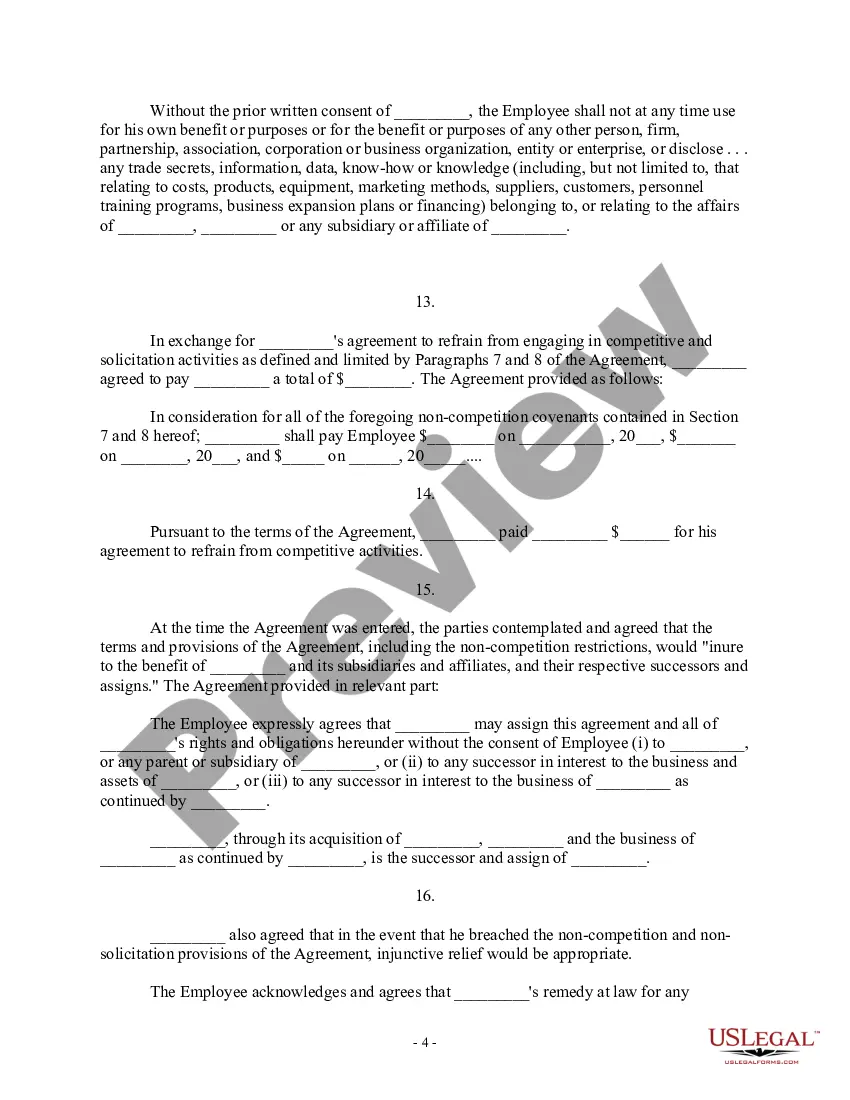
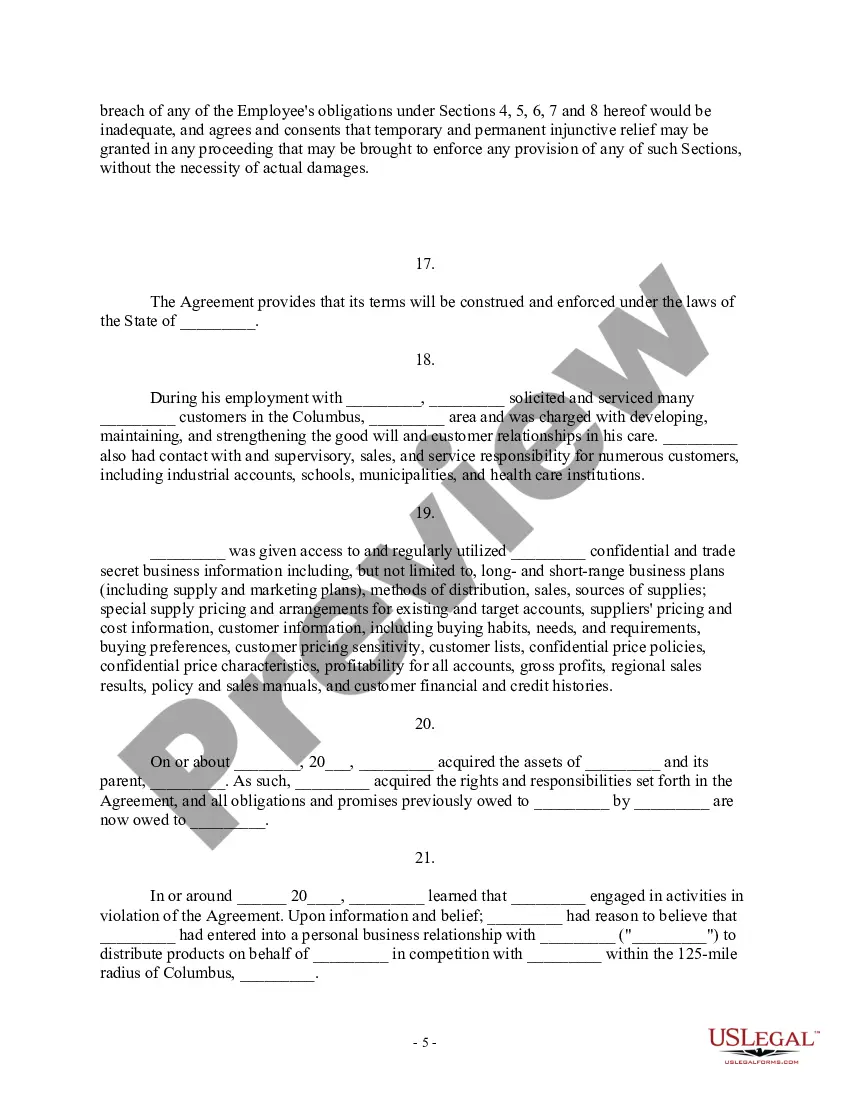
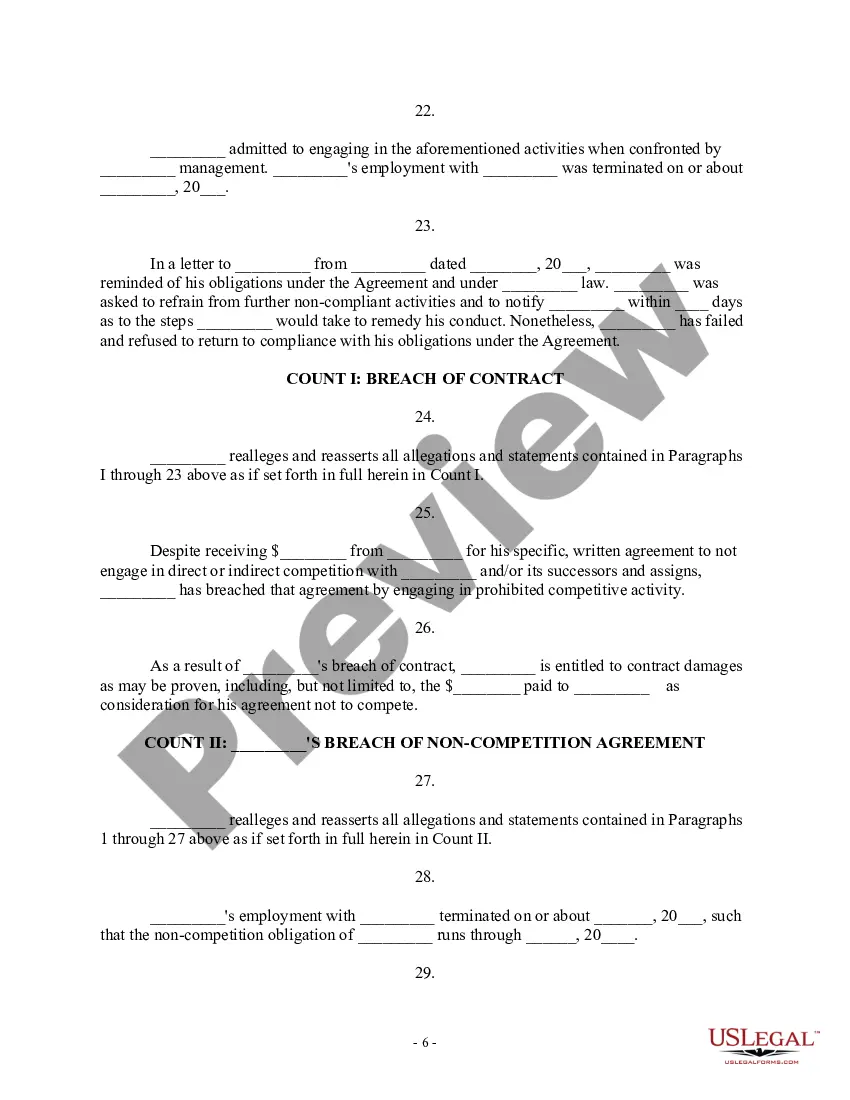
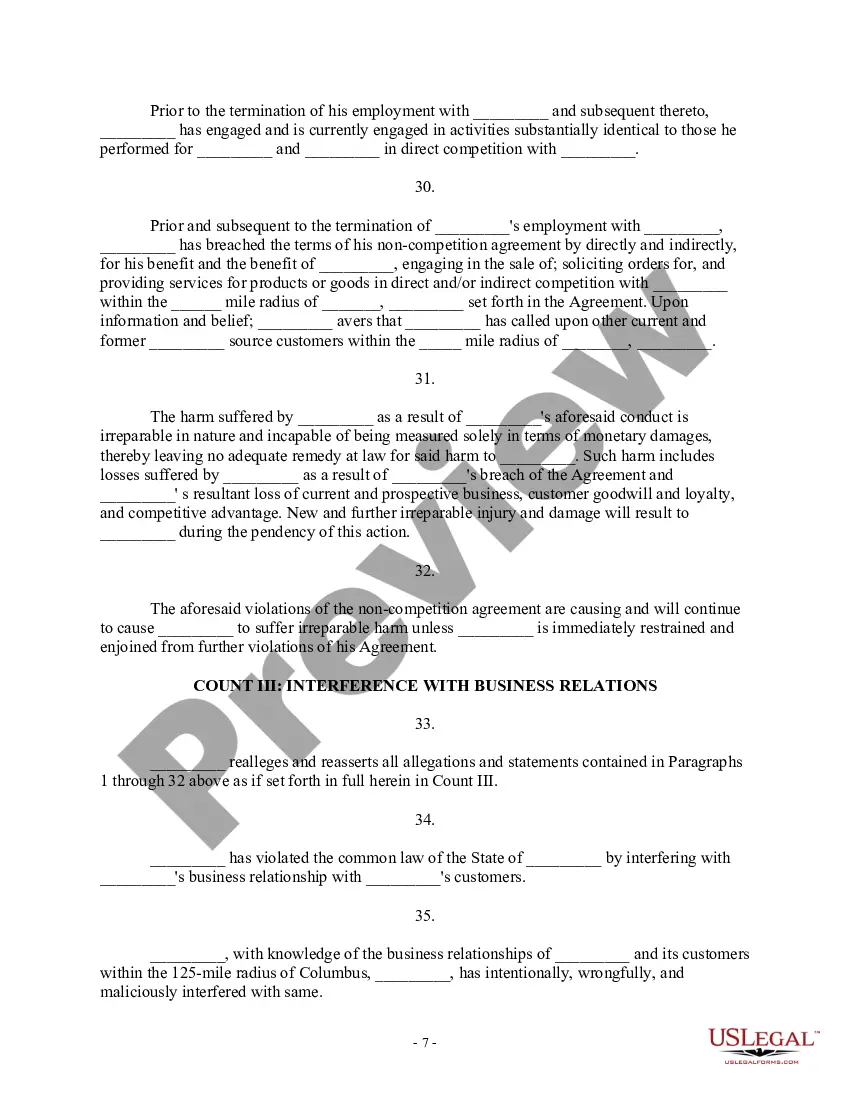
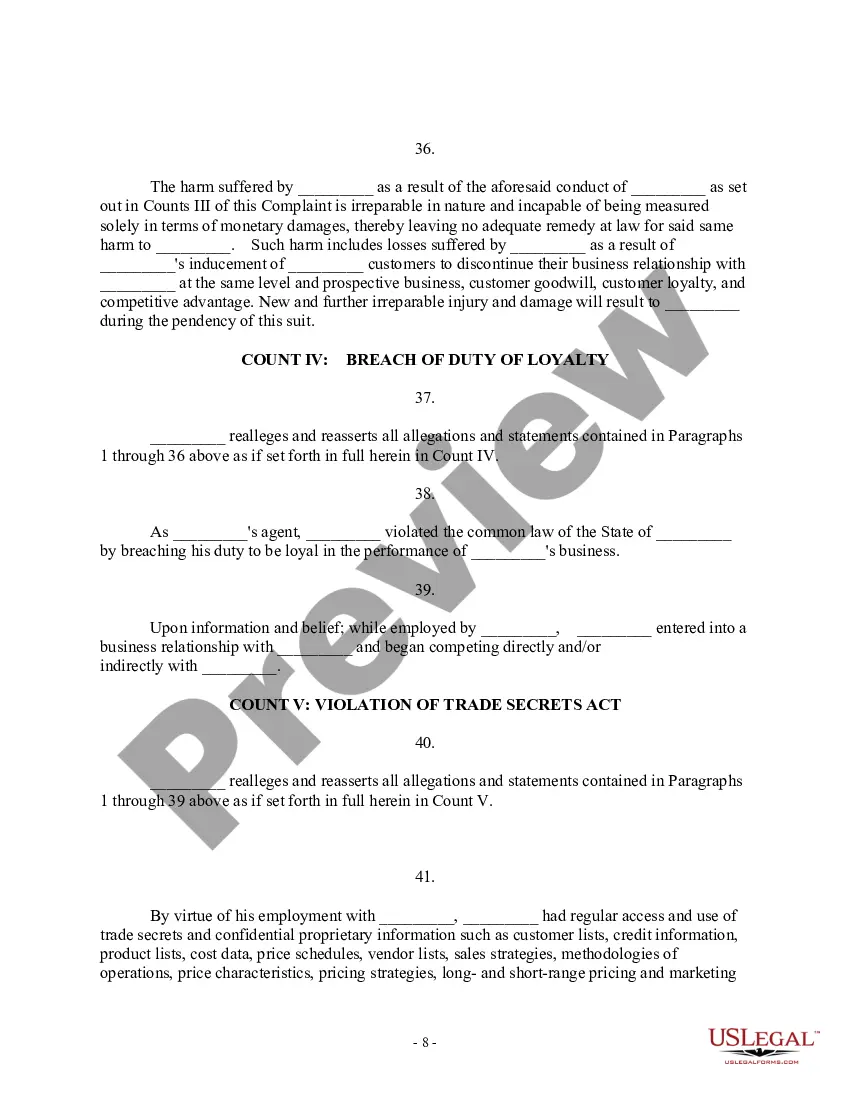
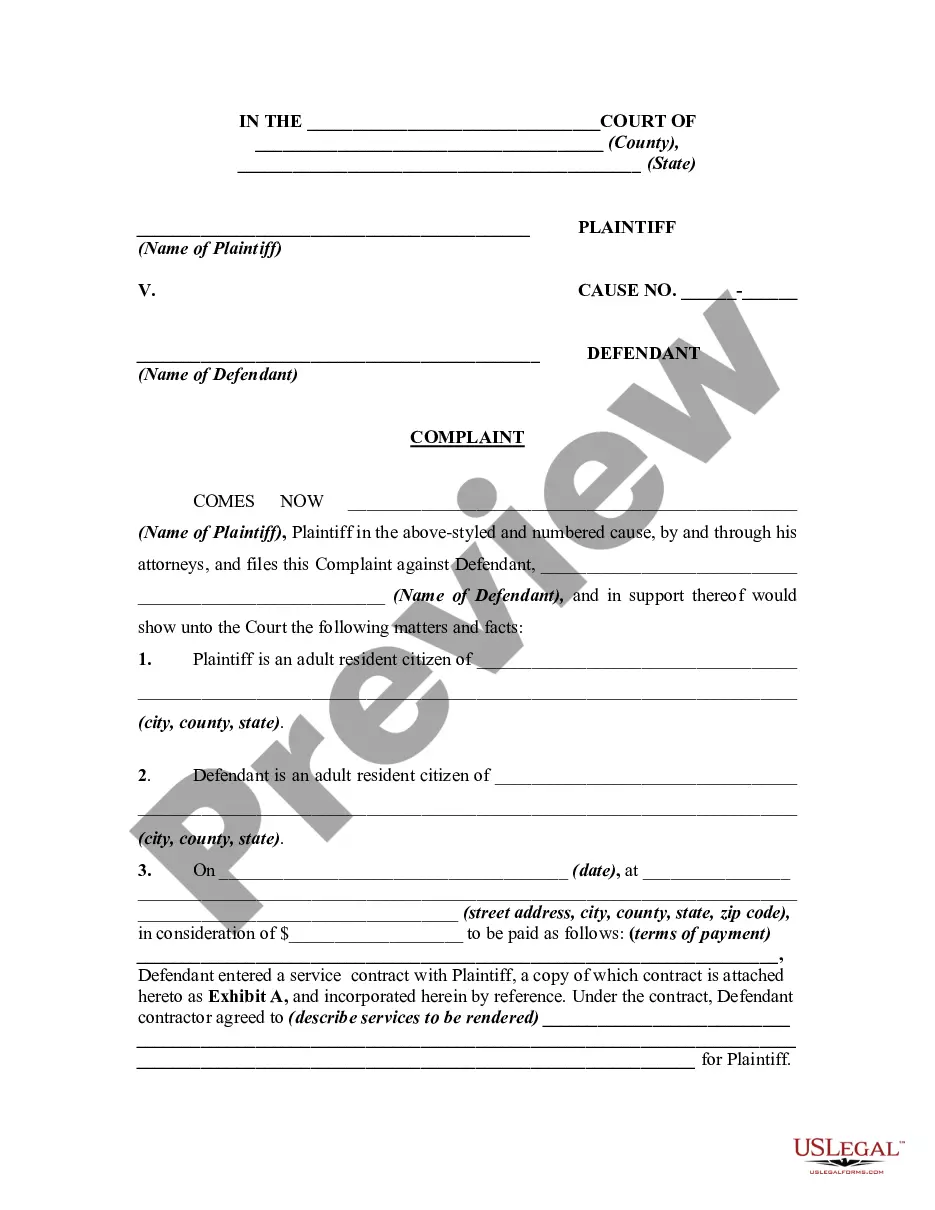
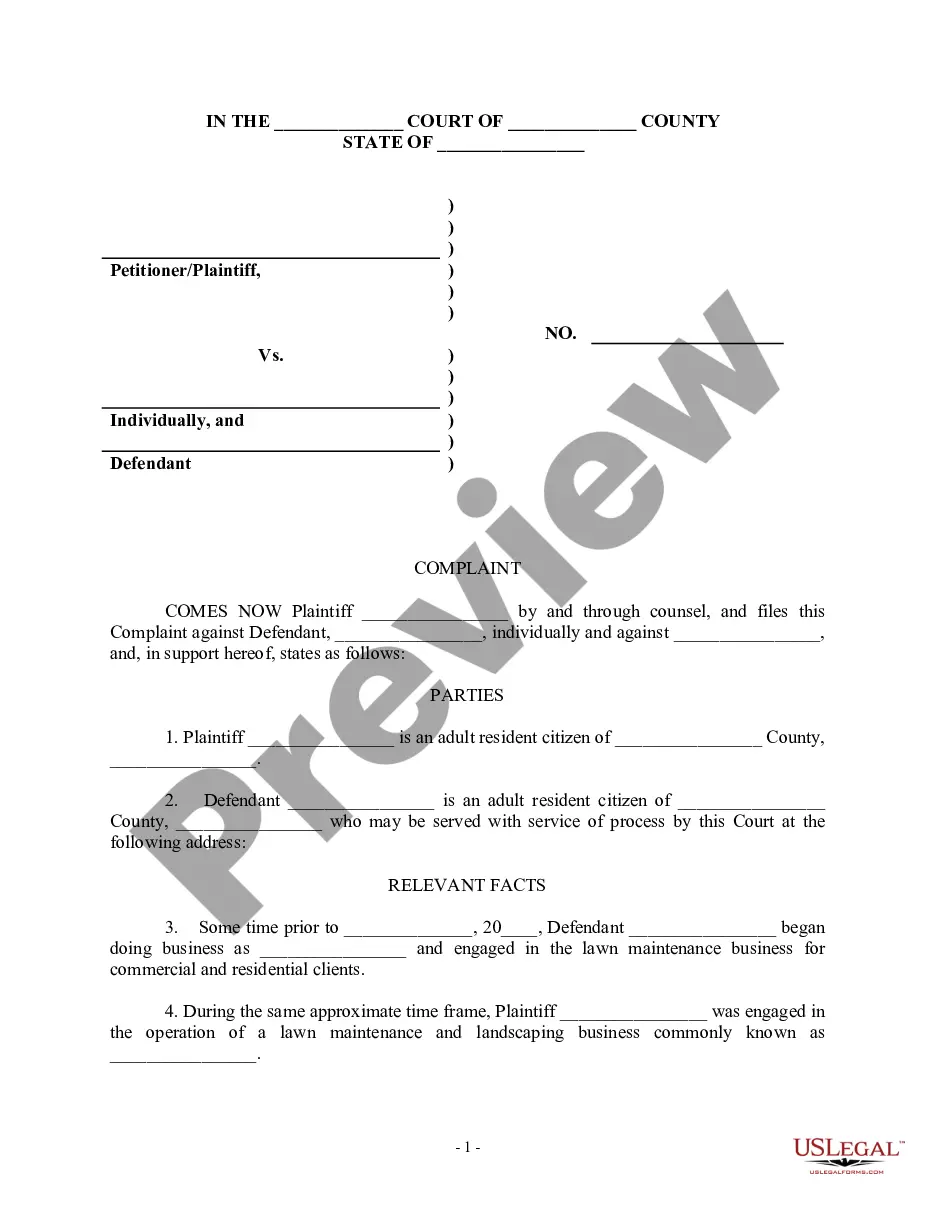
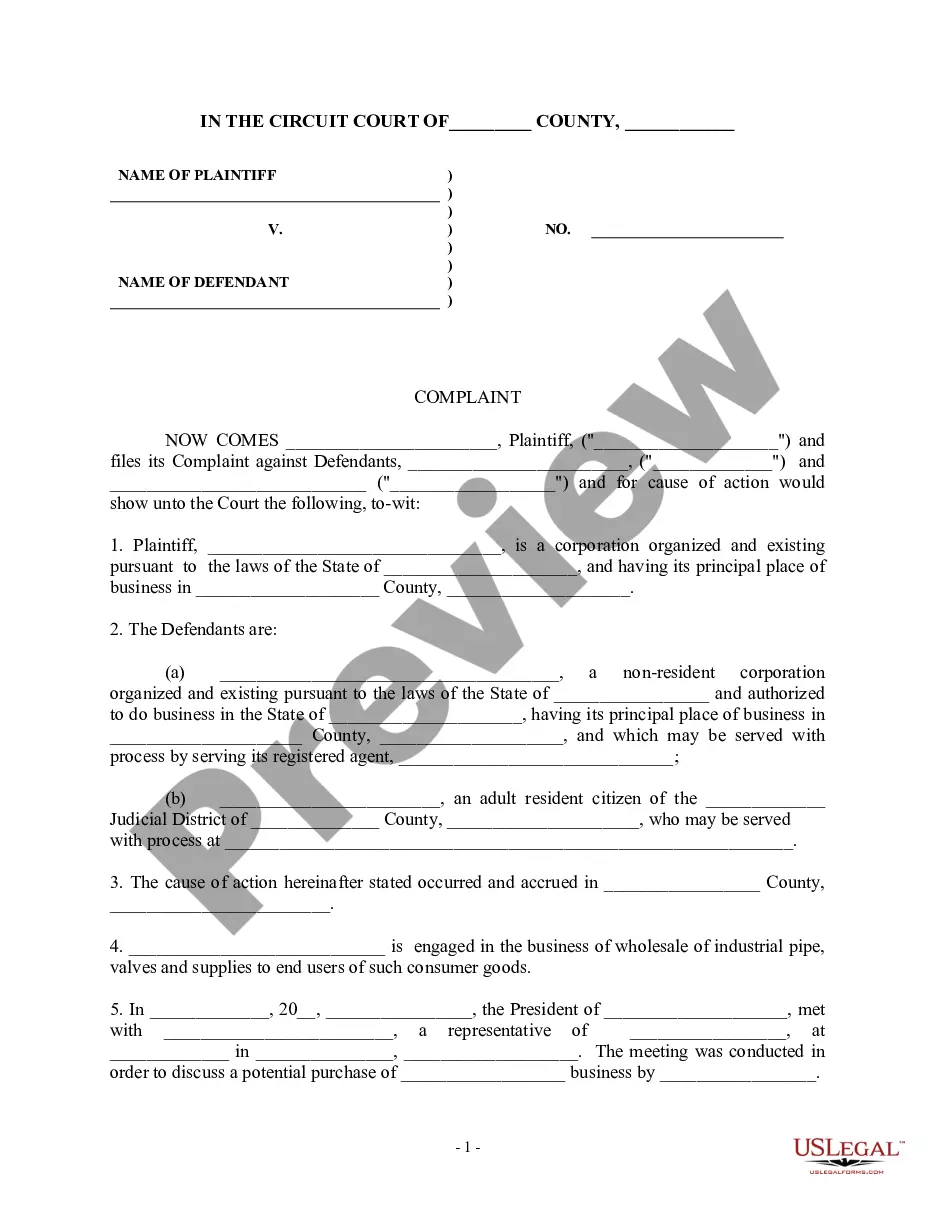

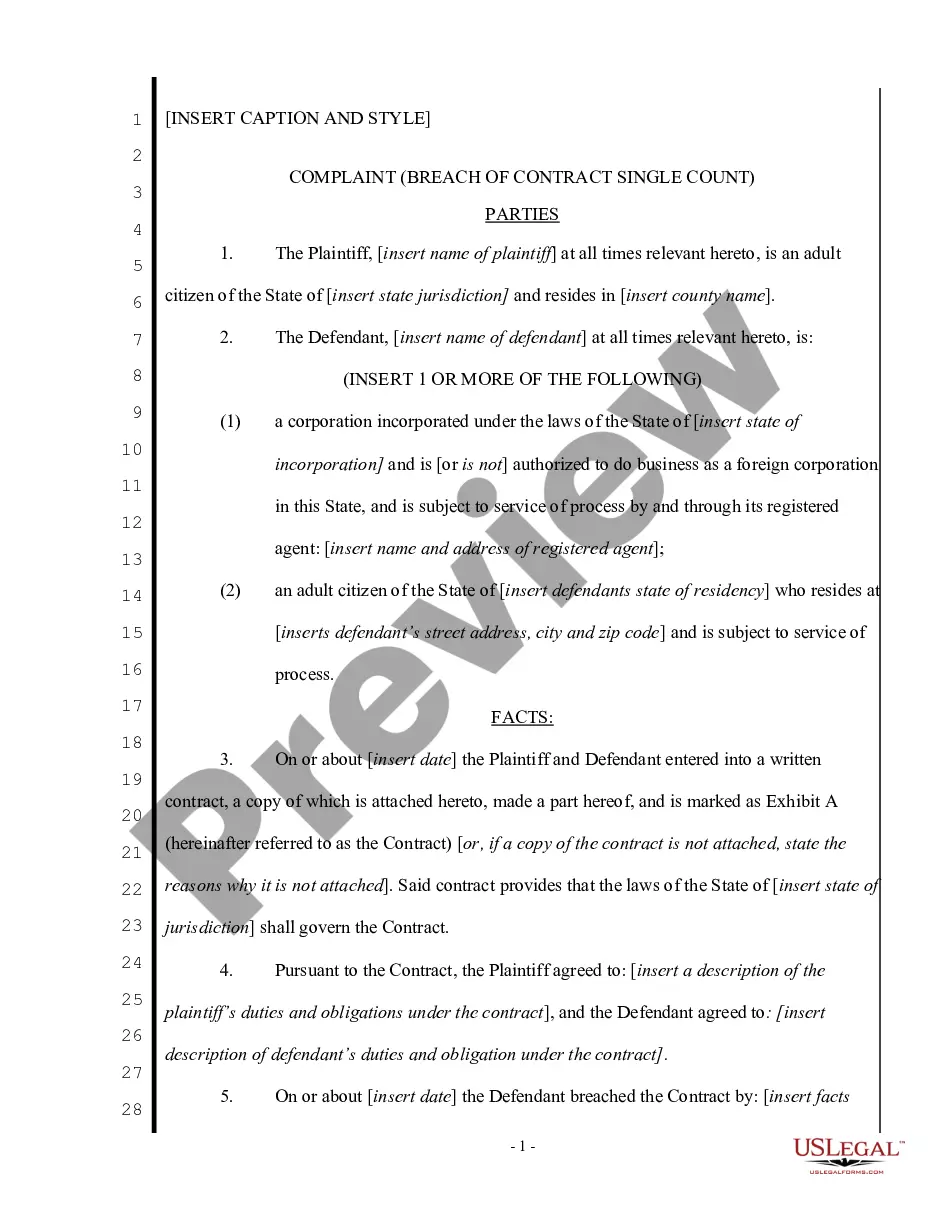
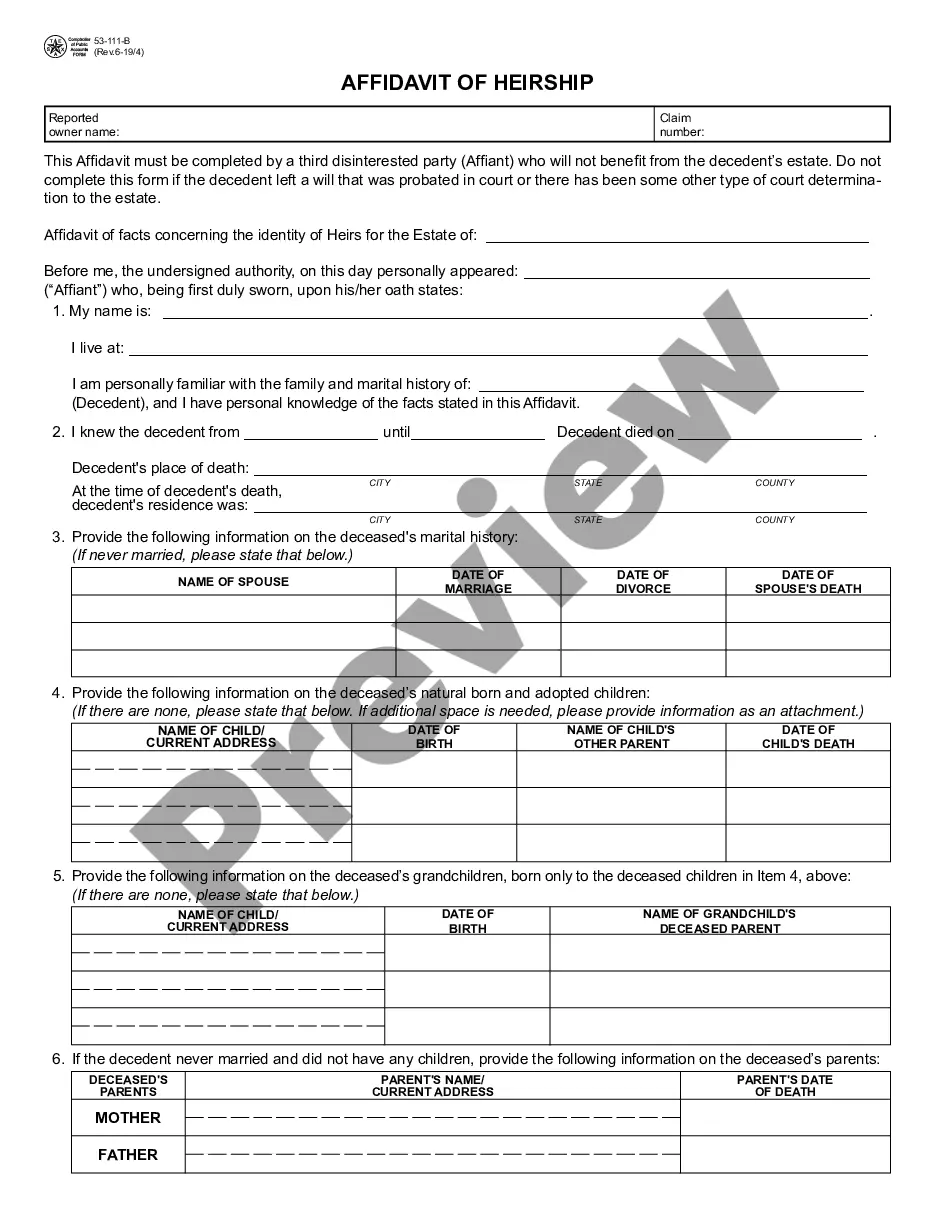
Get your form ready online
Our built-in tools help you complete, sign, share, and store your documents in one place.
Make edits, fill in missing information, and update formatting in US Legal Forms—just like you would in MS Word.
Download a copy, print it, send it by email, or mail it via USPS—whatever works best for your next step.
Sign and collect signatures with our SignNow integration. Send to multiple recipients, set reminders, and more. Go Premium to unlock E-Sign.
If this form requires notarization, complete it online through a secure video call—no need to meet a notary in person or wait for an appointment.
We protect your documents and personal data by following strict security and privacy standards.

Make edits, fill in missing information, and update formatting in US Legal Forms—just like you would in MS Word.

Download a copy, print it, send it by email, or mail it via USPS—whatever works best for your next step.

Sign and collect signatures with our SignNow integration. Send to multiple recipients, set reminders, and more. Go Premium to unlock E-Sign.

If this form requires notarization, complete it online through a secure video call—no need to meet a notary in person or wait for an appointment.

We protect your documents and personal data by following strict security and privacy standards.
Looking for another form?







Form popularity
FAQ
These courts consider: (1) the likelihood of success on the merits; (2) irreparable harm if the injunction is not granted; (3) whether a balancing of the relevant equities favors the injunction; and (4) whether the issuance of the injunction is in the public interest.
The party asking for an injunctive relief must prove three things: 1) that there is a cause of action against the defendant; 2) that the party seeking the injunction has a right to the property in question; and 3) that the objects in question are in danger of “probable, imminent, and irreparable injury.” In the Strube ...
What Is an Example of Injunctive Relief? Theft of Clients: If a former employee poaches a company's clients, the innocent party may try to stop the former client from causing further damage. Breach of Contract: Injunctive relief is an effective way to stop an offending party from continuing to breach a contract.
An injunction is a court order requiring a person to do or cease doing a specific action. There are three types of injunctions: Permanent injunctions, Temporary restraining orders and preliminary injunctions.
Injunctive relief usually takes one of three forms: temporary restraining order (TRO), preliminary injunction, and permanent injunction.
Here are some of the most common examples: Theft of Clients: If a former employee poaches a company's clients, the innocent party may try to stop the former client from causing further damage. While the severity of this penalty depends on a few variables, a TRO can put client theft to a necessary stop.
The party seeking a preliminary injunctive relief must demonstrate: (1) irreparable injury in the absence of such an order; (2) that the threatened injury to the moving party outweighs the harm to the opposing party resulting from the order; (3) that the injunction is not adverse to public interest; and (4) that the ...
Injunctive relief, also known as an “injunction,” is a legal remedy that may be sought from the courts to require a defendant to stop doing something (or requiring them to do something).
Normally, the first step in obtaining an injunction is to file suit in the county where the relief you need is to be sought. This petition must be supported by sworn testimony in the form of an affidavit or a verification.
