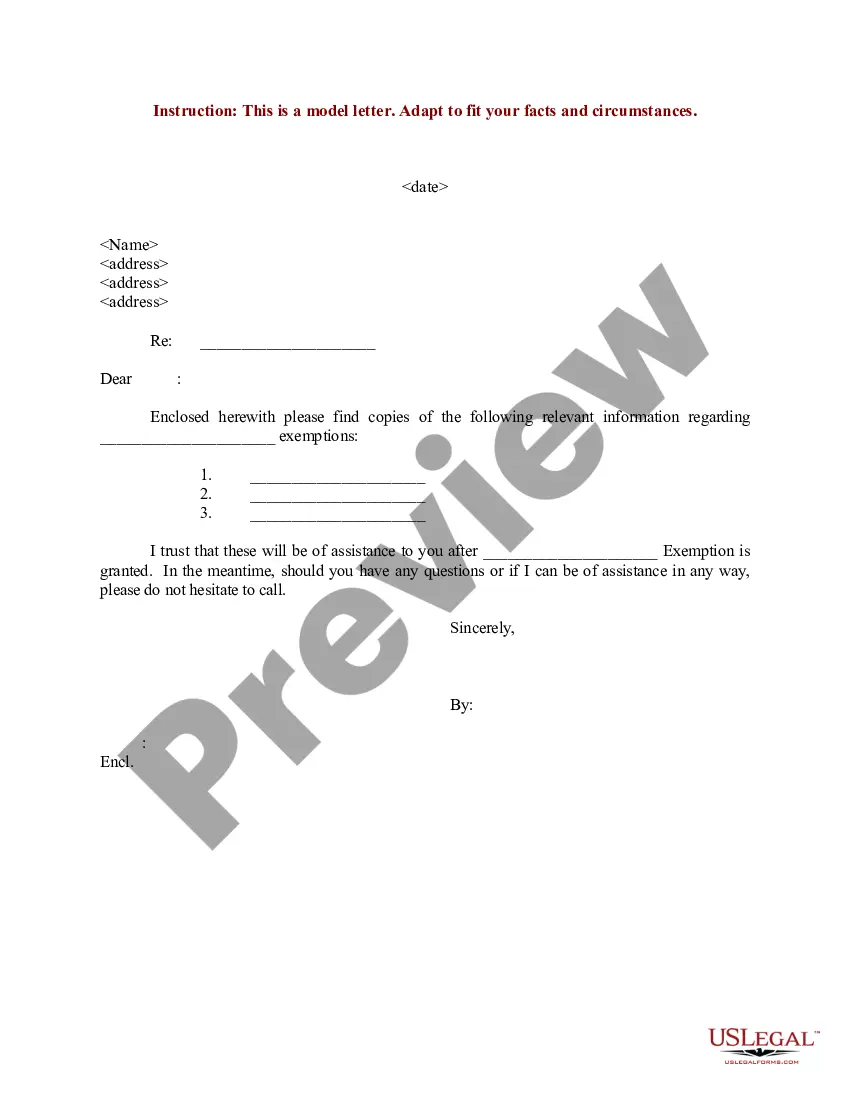
Sample Exemption Letter For Jury Duty In Texas
Description
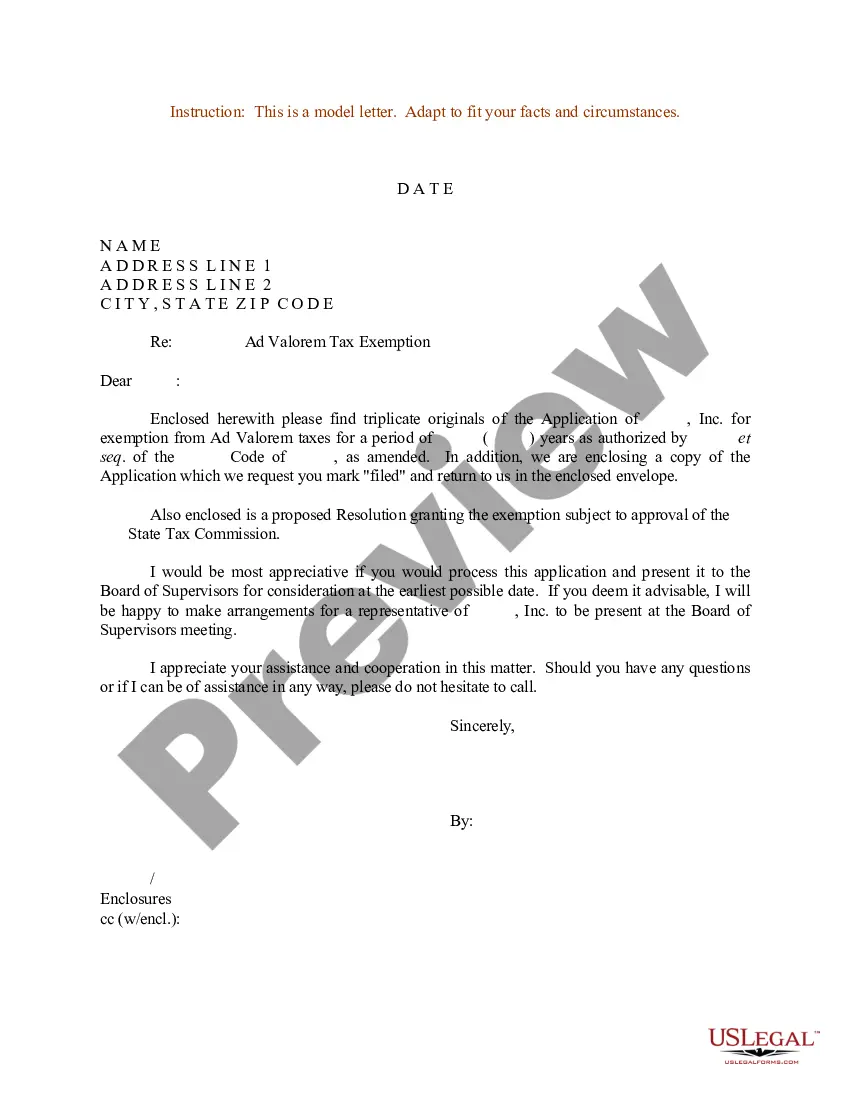
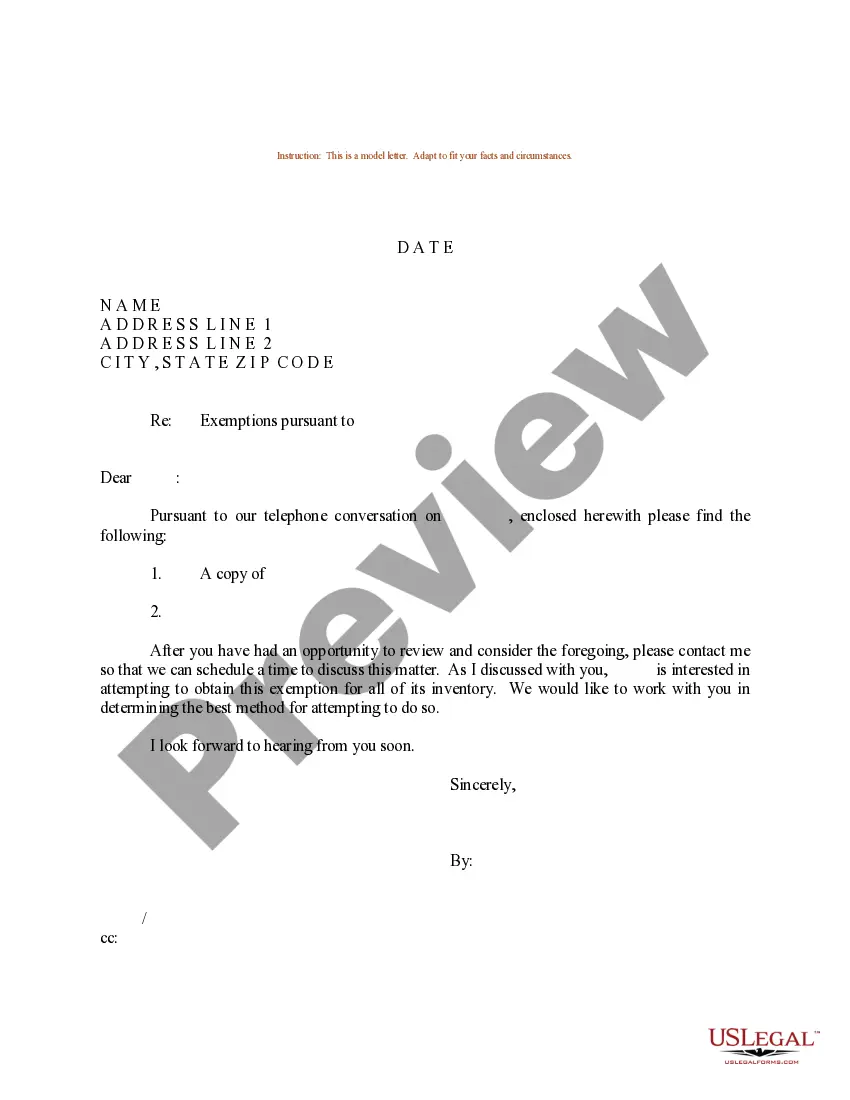
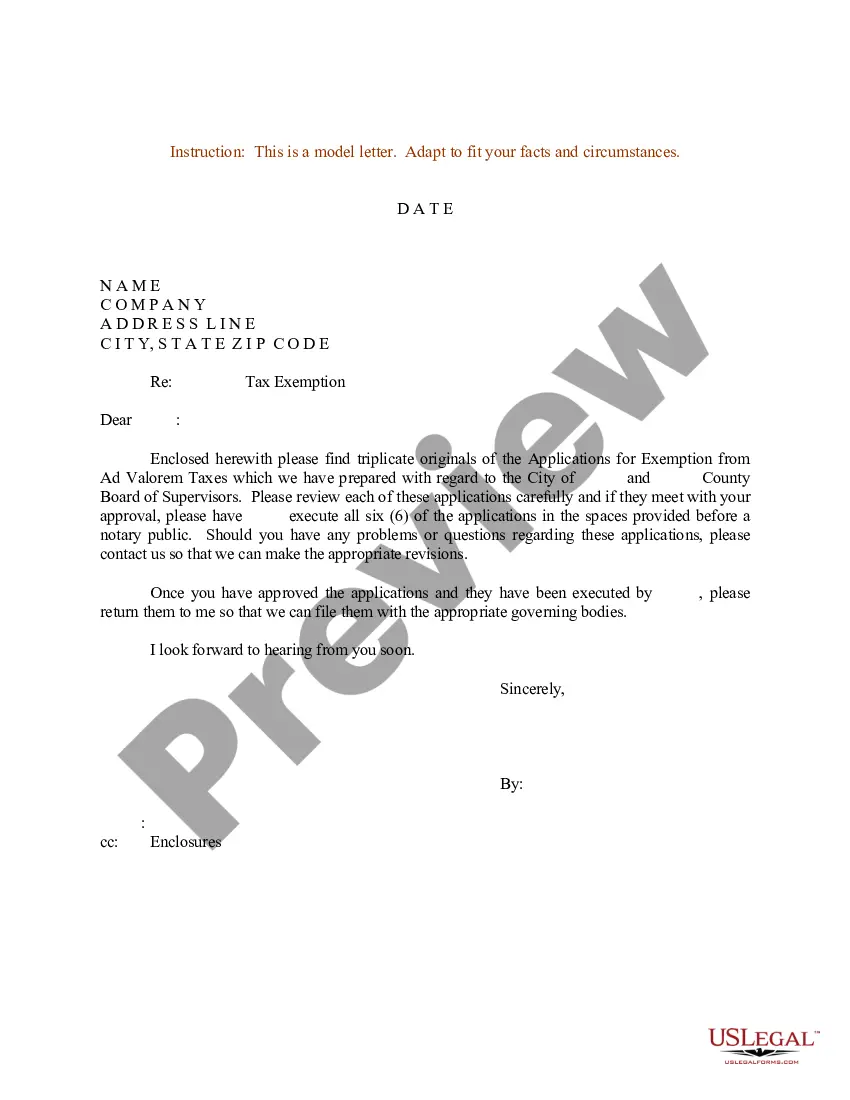
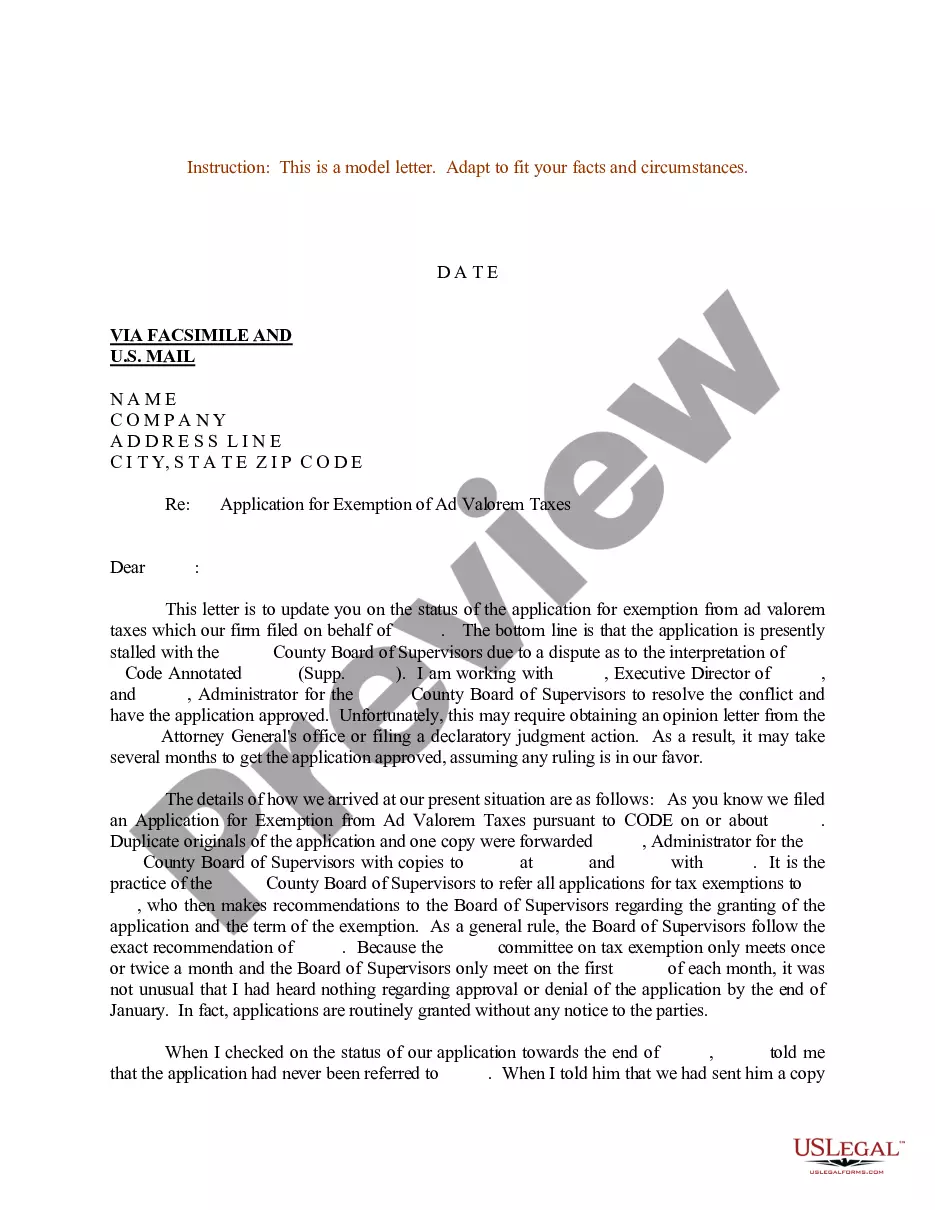
Get your form ready online
Our built-in tools help you complete, sign, share, and store your documents in one place.
Make edits, fill in missing information, and update formatting in US Legal Forms—just like you would in MS Word.
Download a copy, print it, send it by email, or mail it via USPS—whatever works best for your next step.
Sign and collect signatures with our SignNow integration. Send to multiple recipients, set reminders, and more. Go Premium to unlock E-Sign.
If this form requires notarization, complete it online through a secure video call—no need to meet a notary in person or wait for an appointment.
We protect your documents and personal data by following strict security and privacy standards.

Make edits, fill in missing information, and update formatting in US Legal Forms—just like you would in MS Word.

Download a copy, print it, send it by email, or mail it via USPS—whatever works best for your next step.

Sign and collect signatures with our SignNow integration. Send to multiple recipients, set reminders, and more. Go Premium to unlock E-Sign.

If this form requires notarization, complete it online through a secure video call—no need to meet a notary in person or wait for an appointment.

We protect your documents and personal data by following strict security and privacy standards.
Looking for another form?









Form popularity
FAQ
A prospective juror may be excused if he/she: Has a physical or mental disability that would prevent him/her from serving. Must provide actual and necessary care for another and alternate arrangements are not feasible. Is unable to read or understand the English language. Over 75 years of age.
Here are the most common reasons you might be excused: Age: If you are over 70 years old, you can request an exemption. Primary Caregiver: If you are the primary caregiver for a child under 12 or an invalid person and your absence would leave them without adequate supervision.
The jury selection process is known as voir dire. During this process, the judge, prosecutor, and defense attorney will ask you questions. Generally, the best way to avoid being picked is to express strong opinions during questioning. Show potential bias: Attorneys want jurors who can be impartial.
A person who receives a summons for jury service and fails to answer the summons as directed by the summons, is subject to a contempt action that is punishable by a fine of not less than $100 nor more than $1,000. (Texas Gov't Code § 62.0141. Failure to Answer Jury Summons.)
Prior Jury Service: If you have served on a jury within the last two to three years, you may be eligible for exemption. Non-Residency: If you no longer reside in the county where you were summoned, you can be excused.
Exemptions from Jury Service Are over 75 years of age (You may also request a permanent age 75 exemption.); Have legal custody of a child younger than 12 years of age and your service on the jury requires leaving the child without adequate supervision; Are a student of a public or private secondary school;
Is jury service mandatory? Yes. The United States Constitution and the Texas State Constitution guarantee the right to trial by jury. State law obligates all qualified residents to serve as a juror.
Am I Eligible? Be at least 18 years of age. Be a citizen of this state and a resident of the county in which you are to serve as a juror; Be qualified under the Constitution and laws to vote in the county in which you are to serve as a juror; Be of sound mind and good moral character; Be able to read and write.