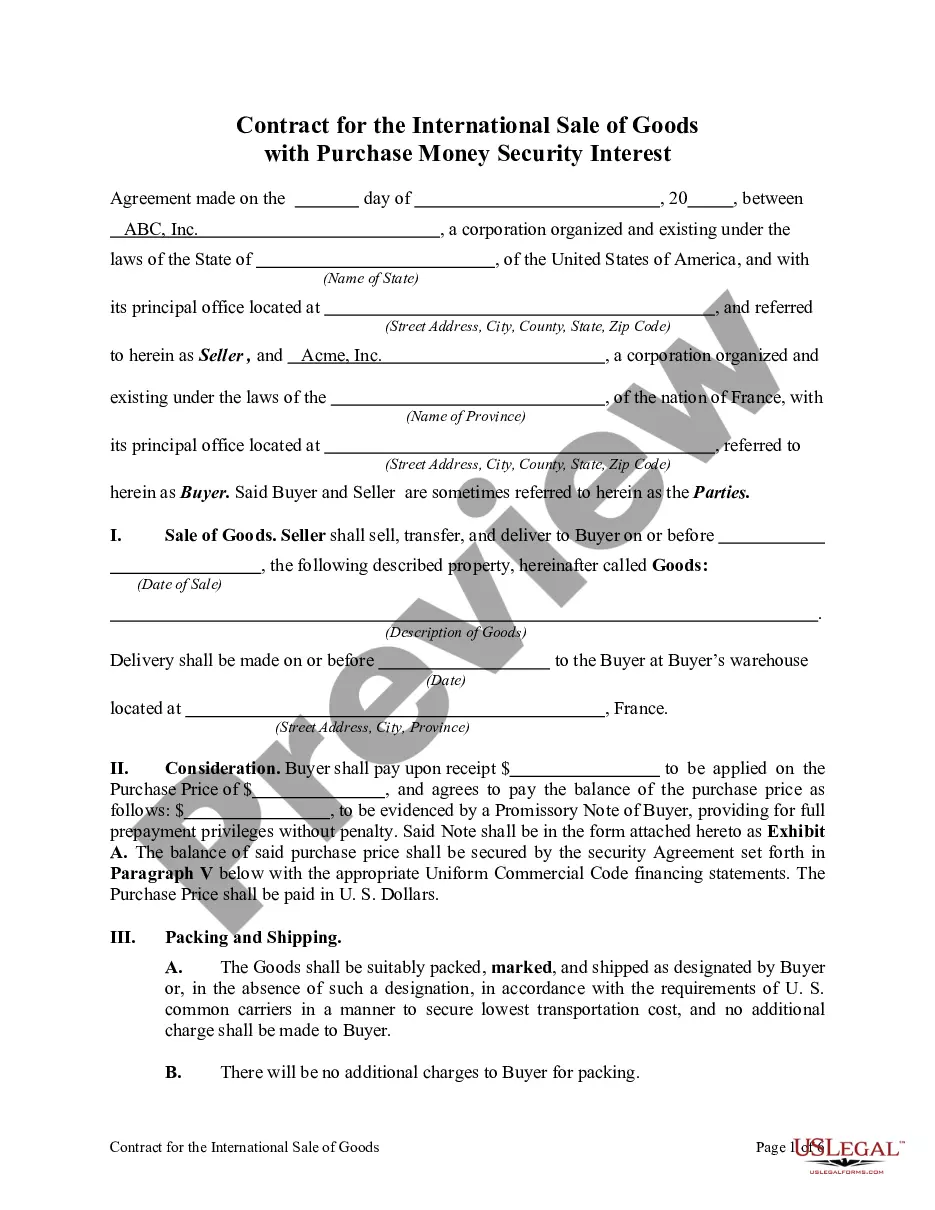
Contract International Purchase Sample For Job Application In King
Description

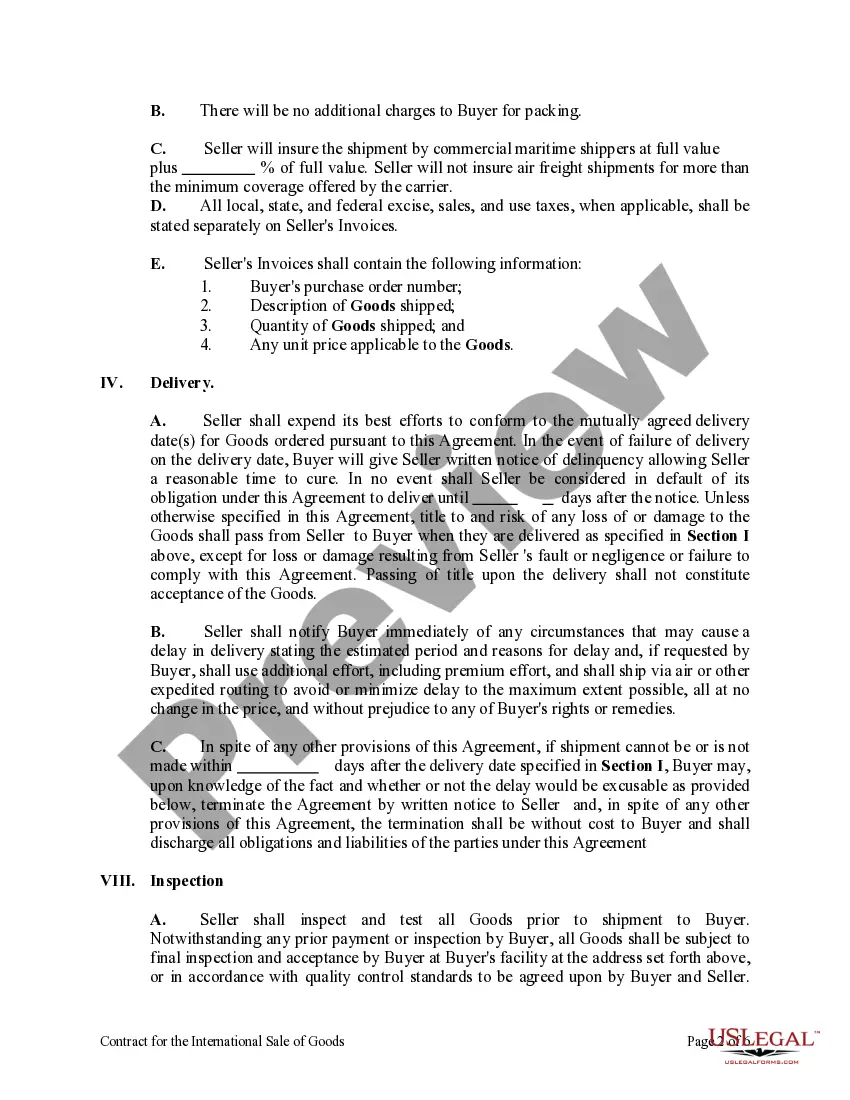
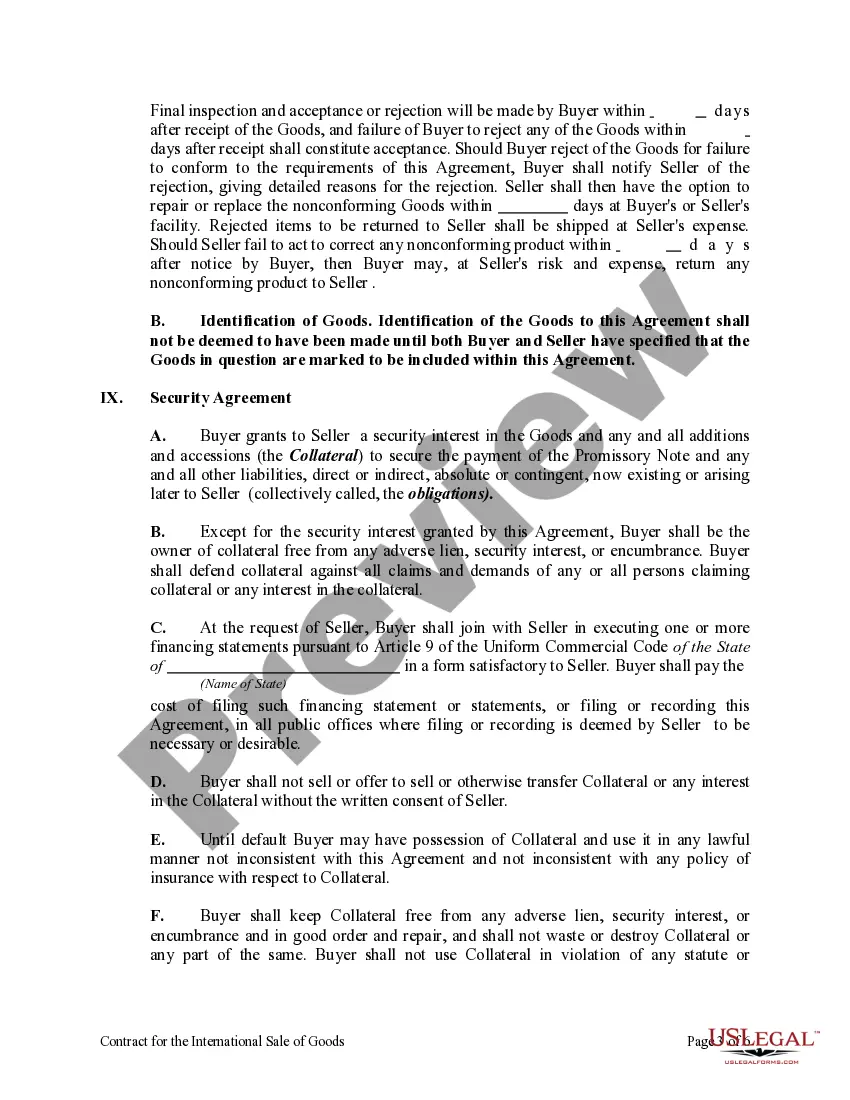
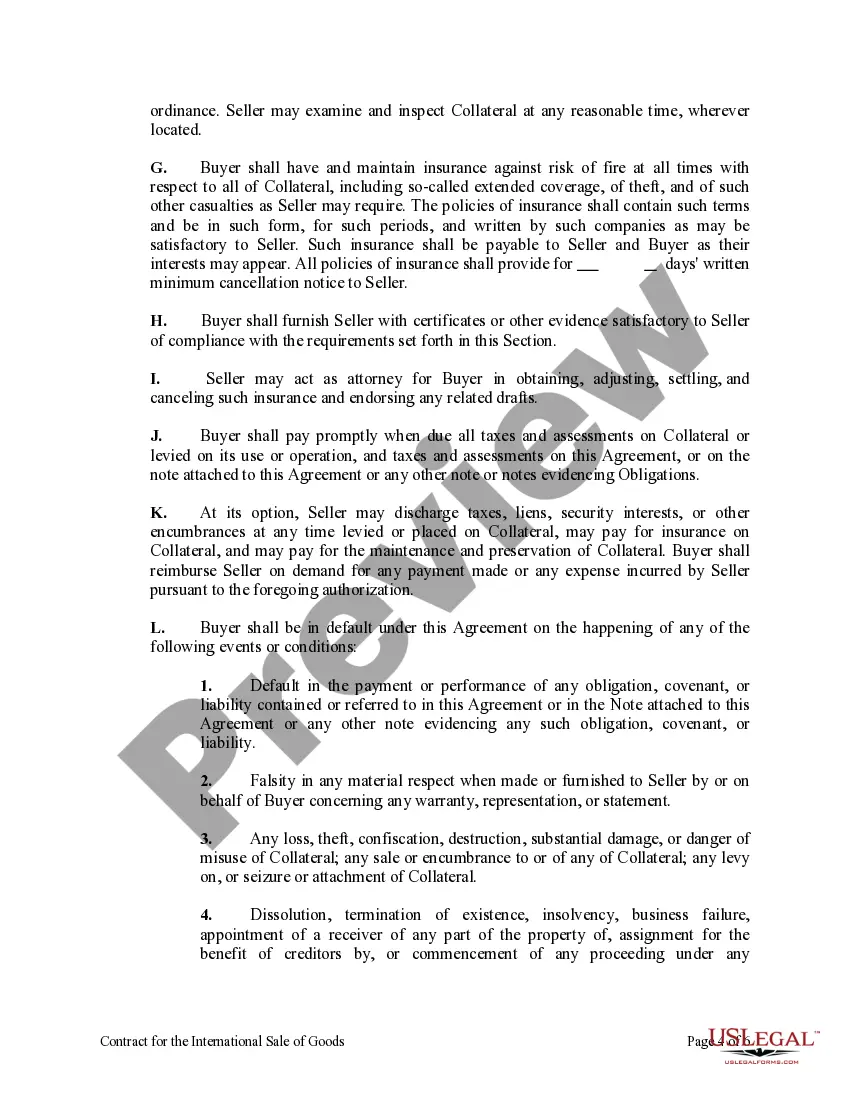

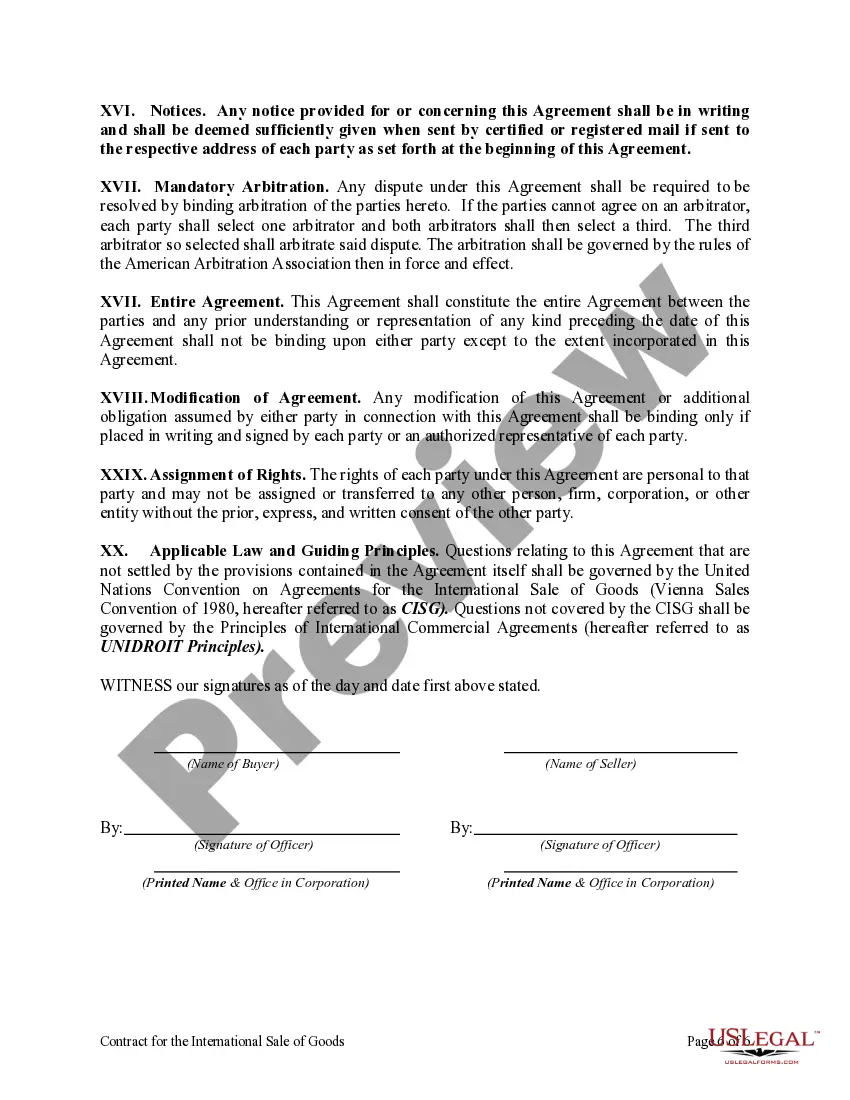
Get your form ready online
Our built-in tools help you complete, sign, share, and store your documents in one place.
Make edits, fill in missing information, and update formatting in US Legal Forms—just like you would in MS Word.
Download a copy, print it, send it by email, or mail it via USPS—whatever works best for your next step.
Sign and collect signatures with our SignNow integration. Send to multiple recipients, set reminders, and more. Go Premium to unlock E-Sign.
If this form requires notarization, complete it online through a secure video call—no need to meet a notary in person or wait for an appointment.
We protect your documents and personal data by following strict security and privacy standards.

Make edits, fill in missing information, and update formatting in US Legal Forms—just like you would in MS Word.

Download a copy, print it, send it by email, or mail it via USPS—whatever works best for your next step.

Sign and collect signatures with our SignNow integration. Send to multiple recipients, set reminders, and more. Go Premium to unlock E-Sign.

If this form requires notarization, complete it online through a secure video call—no need to meet a notary in person or wait for an appointment.

We protect your documents and personal data by following strict security and privacy standards.
Looking for another form?









Form popularity
FAQ
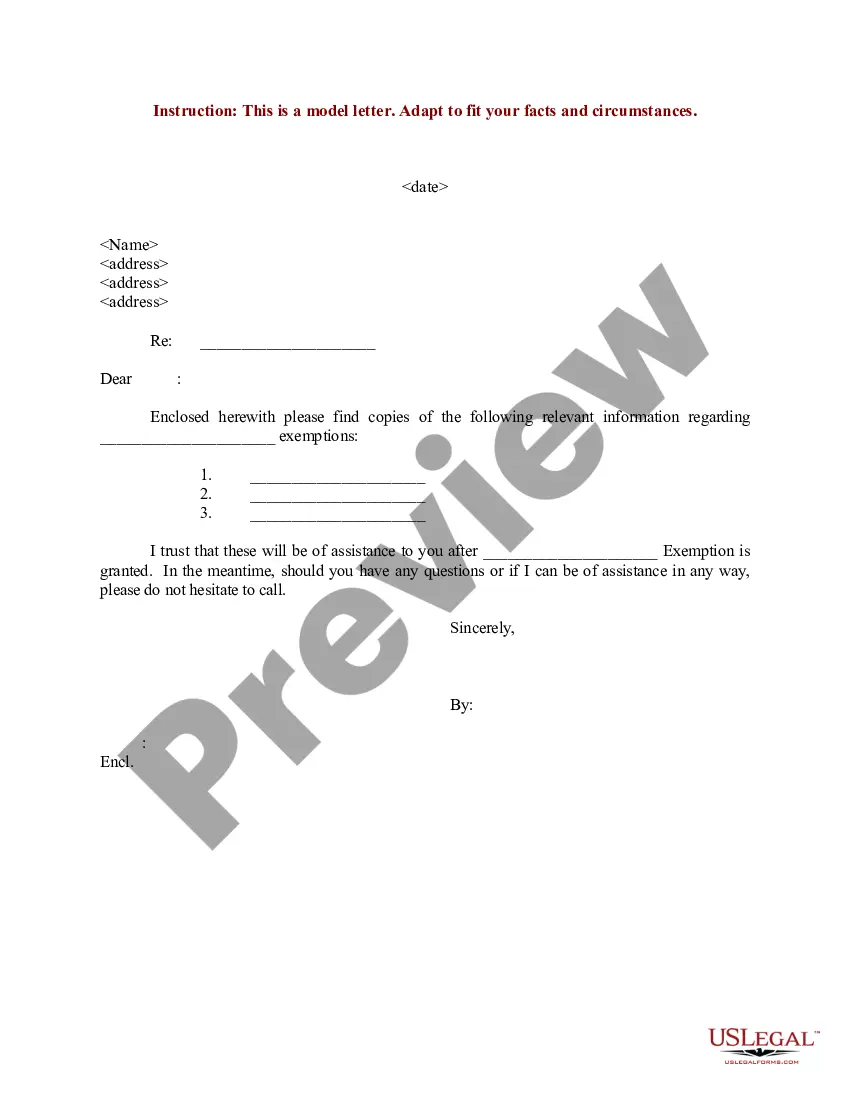
Your letter should include: The date. Be addressed to the person with whom you're entering the agreement. Basic details of the work to be completed. Any special instructions or stipulations. Information about whether another agreement will come after the letter. A place for both parties to sign.
LPT: Don't give out your Social Security Number on a job application Most potential employers don't need your SSN for any reason, unless they're requesting a criminal background check. Leave it blank, or write in that you'll supply on-hire.
Contract to hire is a short-term job that allows both parties to try out a role before committing to full-time employment. Also known as “temp to hire,” contract to hire agreements typically set out the length of time the contractor will work for the employer.
Write the contract in six steps Start with a contract template. Open with the basic information. Describe in detail what you have agreed to. Include a description of how the contract will be ended. Write into the contract which laws apply and how disputes will be resolved. Include space for signatures.
As a contractor, you only have to meet the requirements of the contract. Typically, this means you can quit at any time after the initial contract period; your current employer has already indicated that you will not be kept on after this period, so just start talking to other contracting companies and recruiters.
In the business world, the contract-to-hire meaning is a short-term role with the possibility of becoming a full-time, permanent position when the contract concludes. These short-term roles range from a few months to an entire year (with some lasting up to three years).
Contract-to-hire work is a combination of contract work and direct hire. It involves a trial period where the job seeker works as a contractor for a specific timeframe. At the end of this period, based on performance and company needs, the employer may choose to offer the employee a permanent position on their team.
International contracts are legally binding agreements between parties who are based in separate countries. As with any contract, it will require the parties to do or refrain from doing particular actions.
In an international business contract, it's essential to define the jurisdiction that will govern the contract and the laws that will apply in the event of a dispute. Your dispute resolution section should also detail the agreed-upon dispute resolution mechanism.
Some common types of international contracts include sales agreements, distribution agreements, licensing agreements, joint venture agreements, and employment contracts.
