Restraining Order Template Without Notice Alberta In Nassau
Description

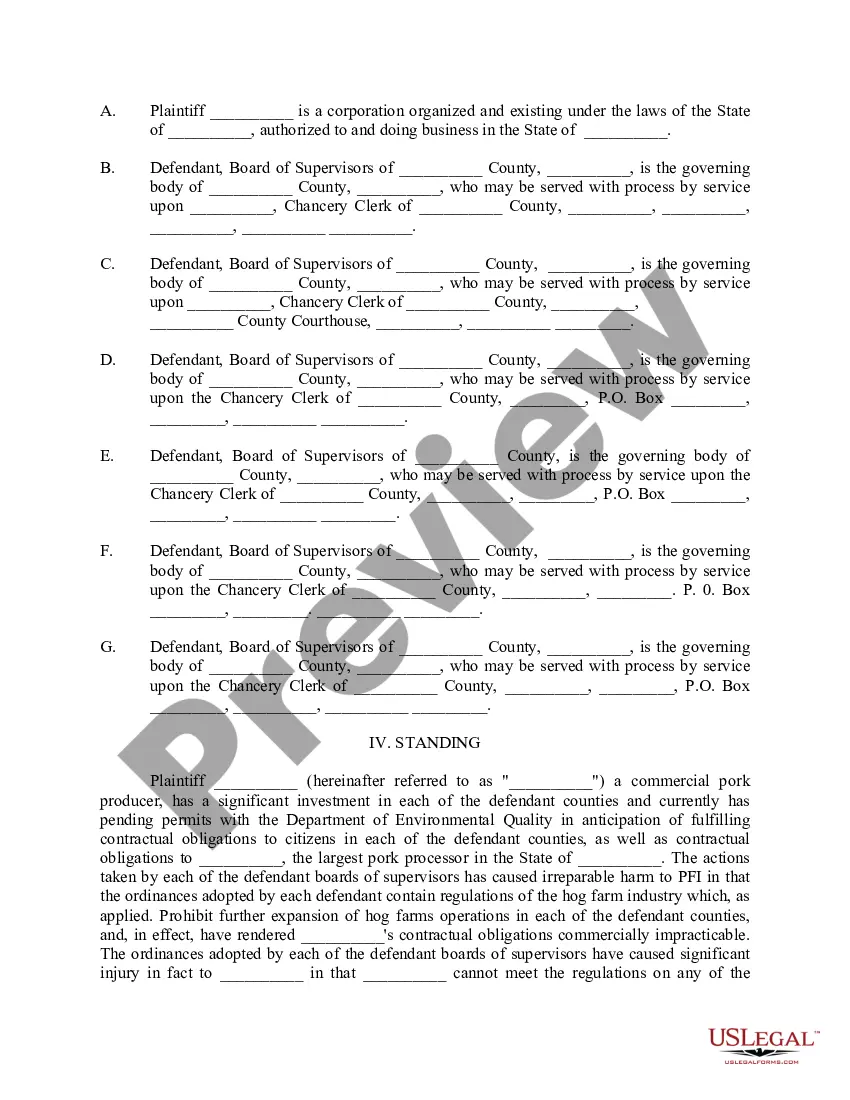
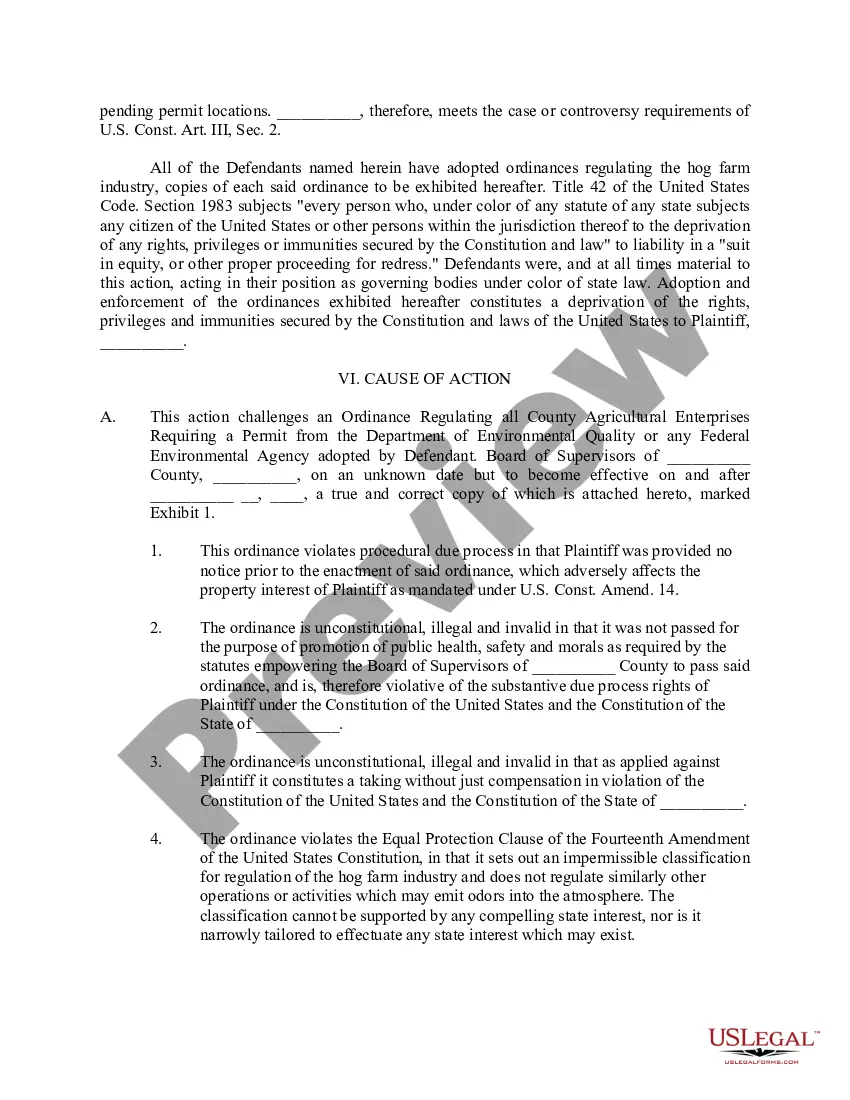
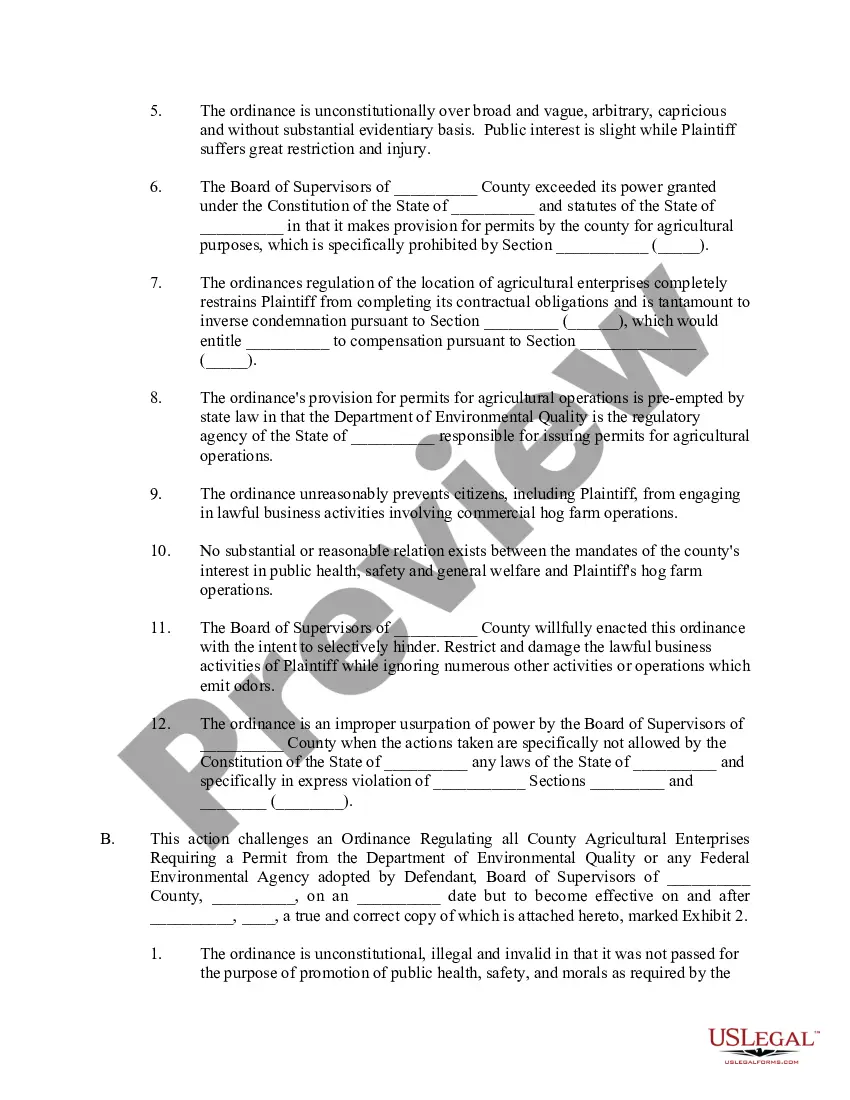
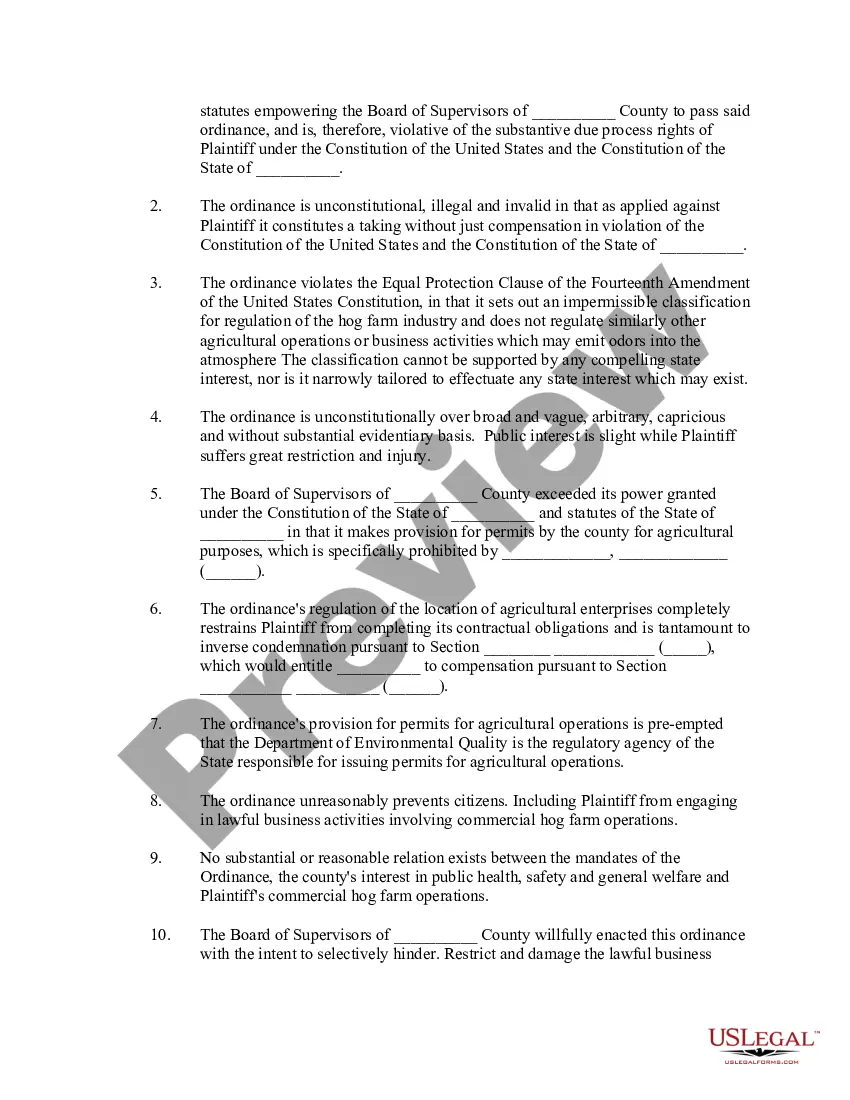
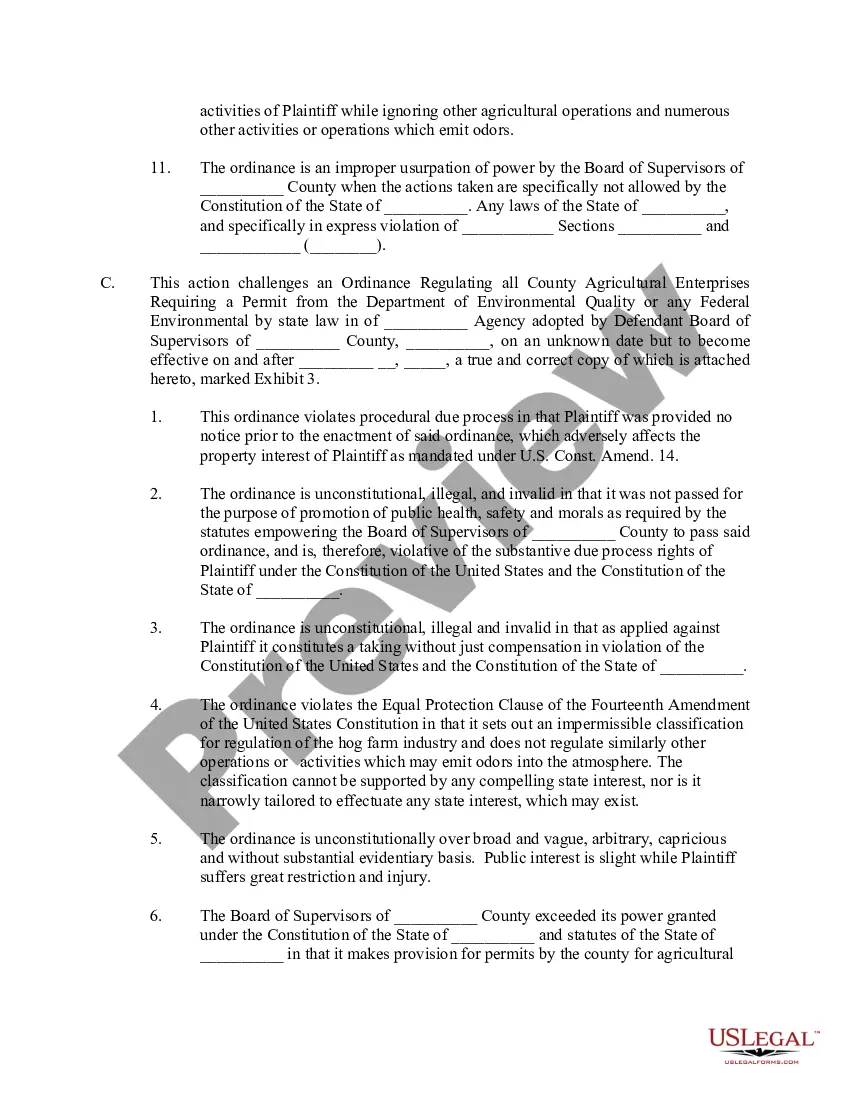
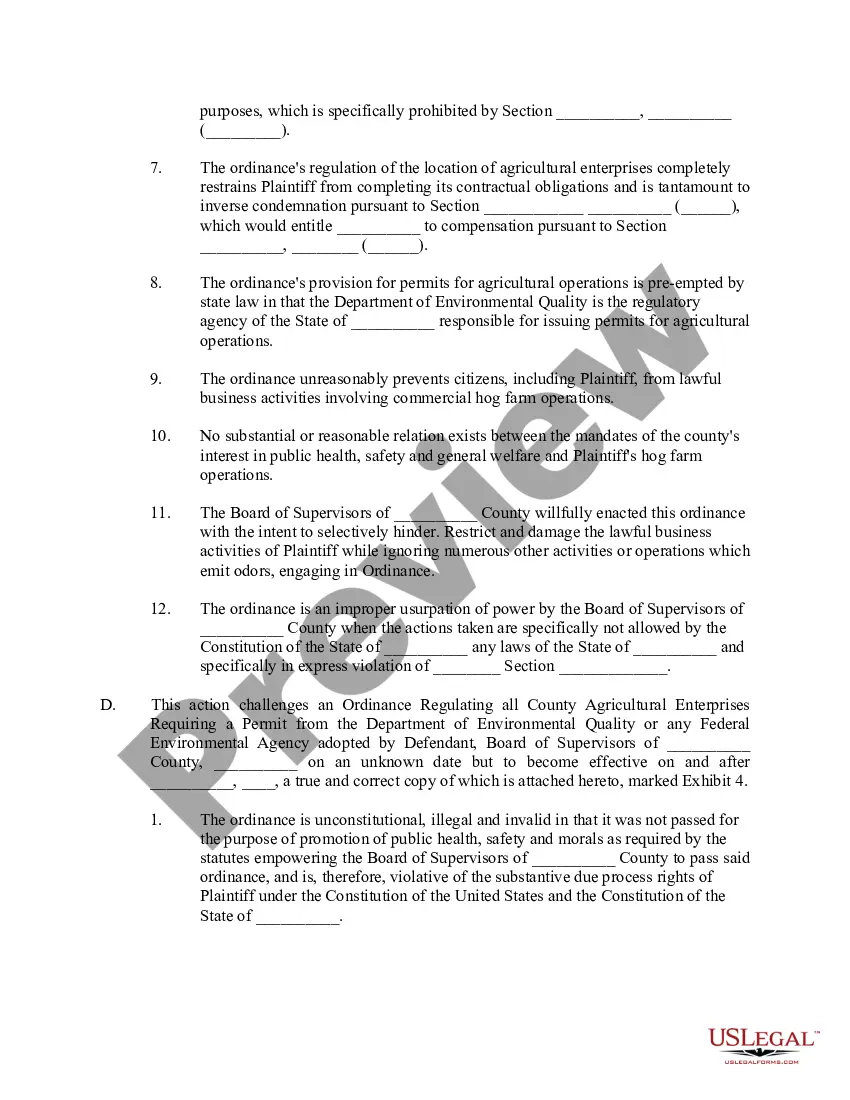
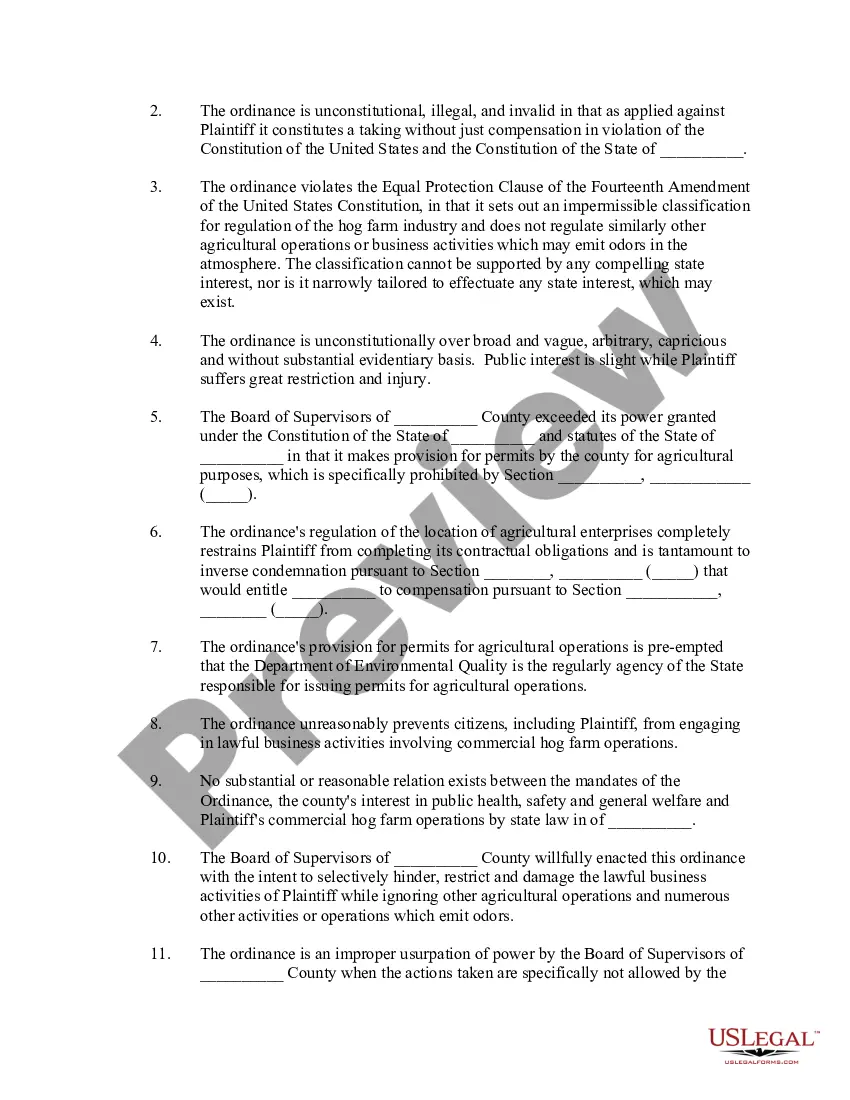
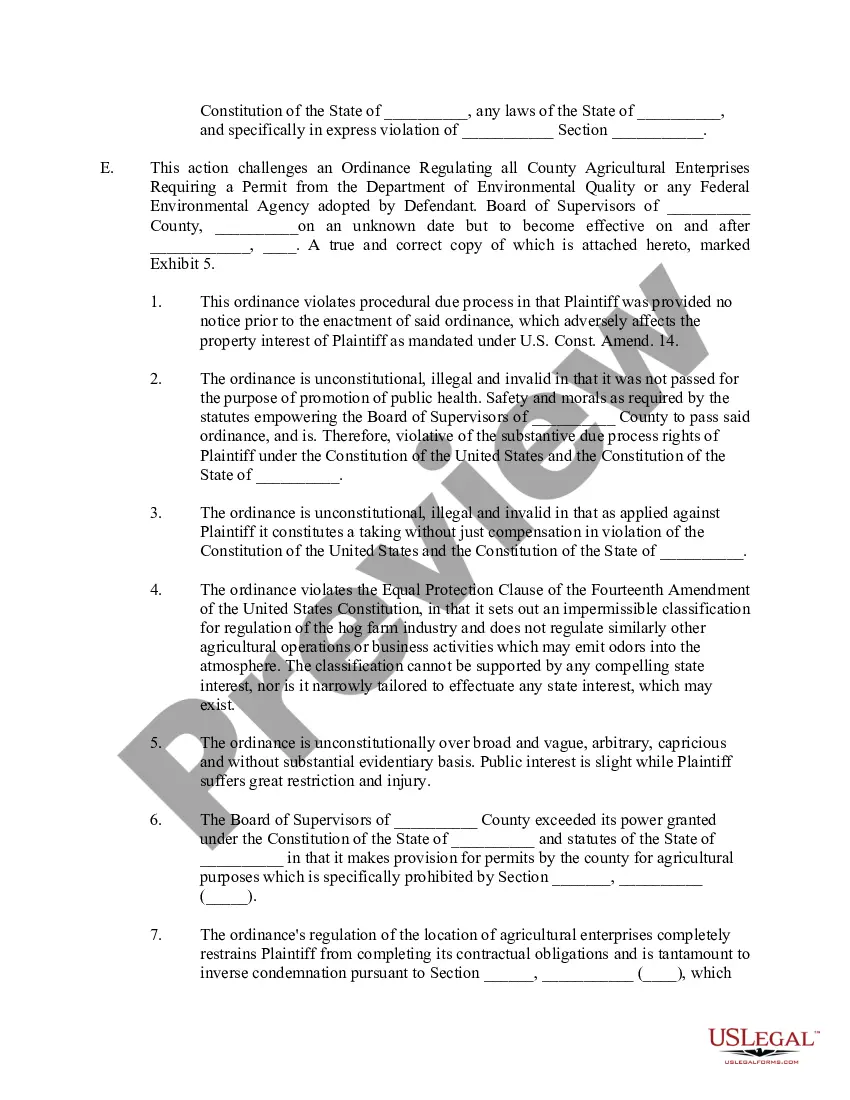






Get your form ready online
Our built-in tools help you complete, sign, share, and store your documents in one place.
Make edits, fill in missing information, and update formatting in US Legal Forms—just like you would in MS Word.
Download a copy, print it, send it by email, or mail it via USPS—whatever works best for your next step.
Sign and collect signatures with our SignNow integration. Send to multiple recipients, set reminders, and more. Go Premium to unlock E-Sign.
If this form requires notarization, complete it online through a secure video call—no need to meet a notary in person or wait for an appointment.
We protect your documents and personal data by following strict security and privacy standards.

Make edits, fill in missing information, and update formatting in US Legal Forms—just like you would in MS Word.

Download a copy, print it, send it by email, or mail it via USPS—whatever works best for your next step.

Sign and collect signatures with our SignNow integration. Send to multiple recipients, set reminders, and more. Go Premium to unlock E-Sign.

If this form requires notarization, complete it online through a secure video call—no need to meet a notary in person or wait for an appointment.

We protect your documents and personal data by following strict security and privacy standards.
Looking for another form?








Form popularity
FAQ
Go to court You will tell the judge why you need a restraining order. You can bring witnesses and evidence to support your case. The other side can bring witnesses and evidence, too.
Typically, these orders specify that neither party should text, email, or call the other. Additional stipulations might limit how close each person can come to the other's home or workplace. If an EPO is vacated on review, the presiding justice may replace it with a mutual no-contact order.
The specific elements you need to prove to get a restraining order vary from state to state, but in general, you need to show: A specific instance or instances of abuse or harassment (such as sexual assault by an intimate partner) The threat of violence or of further abusive behavior or harassment.
If the judge or referee believes you have adequately established the elements of a restraining order (more on that below), it can issue a temporary restraining order. If the order is issued without notifying the other person, it's called an ex parte order.
Regarding the restraining order and your records, restraining orders are typically not considered criminal convictions, but they may show up on background checks depending on the type of check conducted by the employer.
To obtain a restraining order in Ontario, one must apply through the family court or a similar legal body. The process involves submitting a formal request and possibly attending a court hearing. The criteria for granting a restraining order include proof of the need for protection from harassment or harm.
The specific elements you need to prove to get a restraining order vary from state to state, but in general, you need to show: A specific instance or instances of abuse or harassment (such as sexual assault by an intimate partner) The threat of violence or of further abusive behavior or harassment.
You can apply for a Restraining Order against any person who has made you afraid for your safety through actions such as: personal injury, property damage, or intimidation. failure to provide food, shelter, or medical attention. threats that cause reasonable fear of injury or property damage.
