Restraining Order Template Without Court In Mecklenburg
Description
















Get your form ready online
Our built-in tools help you complete, sign, share, and store your documents in one place.
Make edits, fill in missing information, and update formatting in US Legal Forms—just like you would in MS Word.
Download a copy, print it, send it by email, or mail it via USPS—whatever works best for your next step.
Sign and collect signatures with our SignNow integration. Send to multiple recipients, set reminders, and more. Go Premium to unlock E-Sign.
If this form requires notarization, complete it online through a secure video call—no need to meet a notary in person or wait for an appointment.
We protect your documents and personal data by following strict security and privacy standards.

Make edits, fill in missing information, and update formatting in US Legal Forms—just like you would in MS Word.

Download a copy, print it, send it by email, or mail it via USPS—whatever works best for your next step.

Sign and collect signatures with our SignNow integration. Send to multiple recipients, set reminders, and more. Go Premium to unlock E-Sign.

If this form requires notarization, complete it online through a secure video call—no need to meet a notary in person or wait for an appointment.

We protect your documents and personal data by following strict security and privacy standards.
Looking for another form?




Form popularity
FAQ
The temporary order will only last until a hearing on your final order, which will usually take place within 10 days, or within seven days of the date your abuser is served with the temporary order, whichever is later. The final restraining order will protect you for one year from the date of the order.
Once you turn in your request, a judge will decide quickly whether to grant temporary protection. The whole process can take a few weeks to months, depending on how complicated your case is. If the judge grants you a long-term restraining order, it can last up to five years.
The time length of a temporary custody order will last between five months to an indefinite period based upon the circumstances.
Because a protective order is a civil court order, a victim can drop an order of protection. The victim must return to the court and ask the judge to dismiss the order.
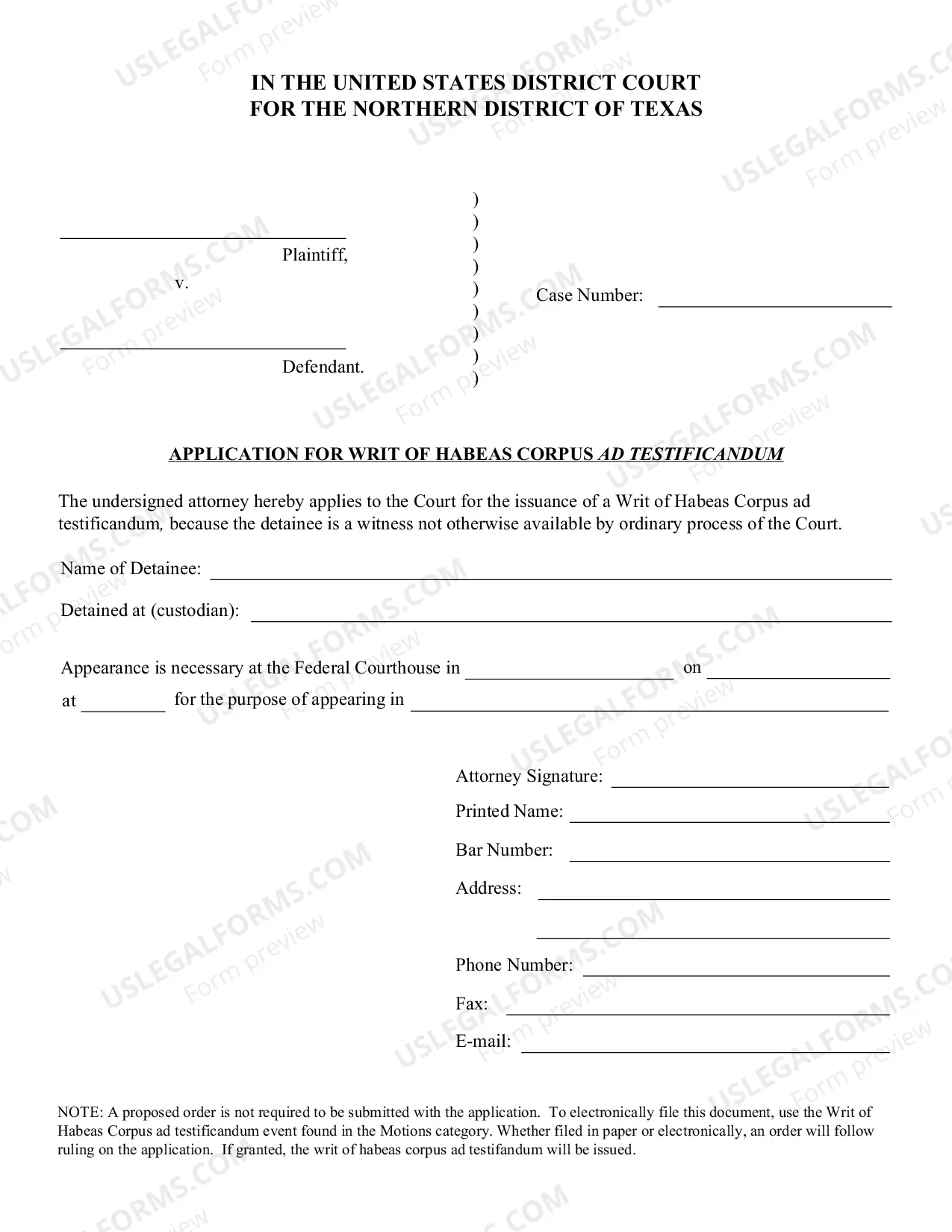
TRO (TEMPORARY RESTRAINING ORDER) OR MOTION FOR RELIEF FROM JUDGMENT. LOCAL FORM CCF8-A, THE MOTIONS SECTION, (DOCUMENT 1) TWO PAGES. LOCAL FORM CCF8-B, THE NOTICE SECTION, (DOCUMENT 2) ONE PAGE. 1. This form can be used to either stop something from happening a (TRO), Temporary Restraining Order & Preliminary ...
In California, violating a restraining order can have serious legal consequences, including fines, imprisonment, or both. Understanding the rules and limitations surrounding contact while a restraining order is in effect is crucial for both the protected person and the individual subject to the order.
Either the plaintiff or the defendant may ask the judge to lift a restraining order. A plaintiff's motion may be relatively straightforward. Alleged victims of domestic assault do not have the right to drop criminal charges, but they do have the right to voluntarily dissolve restraining orders.
In order to have an order of protection dropped, one must: Return to the county court where the petition for the original order was filed. Complete the necessary paperwork. Speak with the judge or another court officer prior to the order being vacated.
A significant change in circumstances, such as improved behavior, completion of anger management or counseling programs, or evidence that the risk of violence has diminished, may provide grounds for seeking the dismissal of a restraining order.
